


PLACE OF WORSHIP · TRANSYLVANIA
Nicula Monastery

Nicula, Transylvania
Add location to your trip planner.

Practical access information

VISITING HOURS
Monday: 12:00 PM – 5:00 PM · Tuesday–Sunday: 9:00 AM – 5:00 PM (in summer until 8:00 PM)

TICKET PRICE
Adults: 45 RON · Students: 11 RON · Seniors: 23 RON · Guided tour included

RECOMMENDED VISIT DURATION
30-60 minutes
Sources and external references
Wikipedia Encyclopedia (EN)
Visitor information and guide
 Navigate with Google Maps

ABOUT NICULA MONASTERY
The Spiritual Oasis of Transylvania: Nicula Monastery, the Lourdes of Transylvania
Tucked away in a natural amphitheater of rolling hills in the heart of the Transylvanian Plain, approximately fifty kilometers northwest of Cluj-Napoca, Nicula Monastery rises as a sanctuary of rare spiritual intensity, surrounded by beech forests and the profound tranquility of the village of Fizeșu Gherlii. Rightly dubbed the "Lourdes of Transylvania," this monastic settlement represents one of the most vibrant centers of spirituality in Eastern Europe, a place where heaven seems to touch earth through the tears of an icon, and pilgrims from all corners of the continent come to seek solace in a landscape that breathes history and faith. The atmosphere here is one of deep contemplation, where Byzantine tradition harmoniously intertwines with the Baroque influences of the former Habsburg Empire, creating a sacred space unique in the European religious landscape—a meeting point between East and West, between antiquity and modernity.
Historical Roots in the Grand Narrative of Central Europe
The first documented mentions of the monastery date back to 1552, an era when Transylvania was under the influence of the autonomous Transylvanian Principality, within the sphere of the Ottoman Empire yet maintaining close ties with the Catholic world of Central Europe. During this turbulent period of European history, marked by the Reformation and Counter-Reformation, the monastery initially served as a beacon of Orthodox spirituality, reflecting the confessional diversity of a region situated at the crossroads of civilizations. The 18th century brought a fundamental transformation: in the context of the Habsburg Monarchy’s religious policies, which encouraged union with Rome to consolidate imperial authority in Romanian territories, the monastery joined the ranks of Greek-Catholic communities, becoming part of the Romanian Greek Catholic Church. This transition placed Nicula within the vast network of united monasteries of the Austro-Hungarian Empire, akin to monastic institutions in Poland, Croatia, or the Ruthenian territories of Galicia, all subject to the same religious unification policies promoted by Vienna.
Over the centuries, the monastic complex experienced periods of flourishing and dramatic restrictions. The founders and abbots who succeeded one another contributed to the consolidation of a community where Byzantine tradition blended with Western Baroque influences, reflecting the multicultural specificity of Transylvania—a region where the Gothic architecture of the Saxons, Austrian Baroque, and Romanian Orthodox spirituality coexisted over time. The most painful chapter in its history was written in 1948, when the communist regime established in Romania banned the Greek-Catholic monastery, forcibly converting it into an Orthodox place of worship. This period of religious persecution, which affected the entire Romanian Greek Catholic Church, turned Nicula into a symbol of spiritual resistance, comparable to other sanctuaries in Eastern Europe subjected to Soviet repression, such as those in Poland or Czechoslovakia. Only after the 1989 Revolution did the complex return to the patrimony of the Romanian Greek Catholic Church, restoring its interrupted spiritual continuity after four decades and reconnecting with the broader family of Catholic and Orthodox sanctuaries across Europe.
The Miracle-Working Icon and the Miracle of the Summer of 1699
The spiritual heart and focal point of the monastery is the Icon of the Mother of God, a masterpiece of Romanian religious art painted in 1681 by the priest Luca of Iclod, an anonymous artist whose brushstrokes brought to life a representation of the Virgin Mary that would become one of the most venerated icons in Eastern Europe. Painted in a style that blends Byzantine technique with influences from the Venetian school, the icon depicts a melancholic sweetness, with eyes cast downward and hands in a prayerful position, exuding an overwhelming spiritual presence. For over two decades, the icon remained in obscurity until the summer of 1699, when the event that would forever transform the destiny of this place occurred.
Between July 15 and August 15, 1699, for an entire month, the icon wept real tears—a miraculous phenomenon that drew pilgrims from across Transylvania, Hungary, Moldavia, and even distant regions of the Habsburg Empire. News of the miracle spread like wildfire, turning Nicula into one of the most important pilgrimage sites in Eastern Europe, comparable to the sanctuaries of Lourdes in France, Fátima in Portugal, or Częstochowa in Poland. This miracle, known in popular tradition as the "Tears of Nicula," was interpreted as a divine sign of mercy during a turbulent period in history, when Romanian communities in Transylvania faced intense confessional pressures. The painting, which bore visible traces of the tears, quickly became an object of intense veneration, and the tradition of pilgrimages has continued uninterrupted to this day.
Official recognition of the spiritual significance of this site came in 1999, when Pope John Paul II, in a gesture of profound ecumenical significance, granted a plenary indulgence to pilgrims visiting this holy place, thus placing Nicula among the major Marian sanctuaries recognized by the entire Catholic Church. This decision by the Polish pope, who was well acquainted with the realities of Eastern Europe and the suffering of Eastern churches under communism, solidified the monastery’s international status, integrating it into the spiritual network of Christian Europe alongside other major pilgrimage destinations such as St. Peter’s Basilica in Rome, the sanctuary of Santiago de Compostela, or the monasteries of Mount Athos.
An Architectural Masterpiece Between Byzantine Tradition and Habsburg Baroque
The monastic complex at Nicula stands out for its architecture, which reflects the historical and cultural complexity of Transylvania, serving as an open-air museum of the evolution of European artistic styles. The monastery church, reconstructed in the 19th century during a period of spiritual renaissance for the Greek-Catholic community, impresses with its generous dimensions and rich interior decor. The exterior architecture blends traditional Romanian elements, such as the steeply pitched roof characteristic of the region, with Western Baroque influences, visible in the bell tower and facade decorations, reminiscent of Baroque churches in Austria or Bavaria but adapted to local traditions.
The interior of the church reveals an impressive mural painting, executed in fresco technique, covering the vaults and walls in a cavalcade of biblical scenes and representations of saints. The artistic style combines the Byzantine school, with its hieraticism and profound theological symbolism, with Baroque influences, characterized by the dynamism and theatricality of the scenes, creating a sacred space of remarkable emotional intensity. The iconostasis, an essential element of Eastern church architecture, is carved from linden wood and gilded, featuring a succession of old and new icons, among which the miracle-working icon holds the place of honor. This fusion of Eastern and Western traditions reflects the unique identity of the Greek-Catholic Church, which preserves the Byzantine rite while recognizing papal authority, exemplifying the unity in diversity promoted by Catholic tradition.
Within the complex, visitors can also find the monks’ cells, built in traditional style with wooden porches and high roofs, a library containing old manuscripts and rare books, some dating back to the 17th and 18th centuries, preserving precious testimonies of Romanian culture in Transylvania, and a museum housing artifacts of the community’s tumultuous history, including documents related to communist persecution and liturgical objects confiscated during the ban. The natural surroundings, with the gentle hills of the Transylvanian Plain, apple and cherry orchards encircling the monastery, complete the spiritual landscape, offering an ideal setting for meditation and prayer, akin to the landscapes of monasteries in Italian Tuscany or the Loire Valley in France.
Stories of Resistance, Notable Figures, and Turning Points
The history of Nicula Monastery is interwoven with remarkable figures who contributed to preserving its spirituality during the darkest periods. In the 18th century, abbots from the flourishing period of Greek-Catholic theological schools in Blaj supported the monastery’s cultural development, while in the 20th century, the monks faced their greatest challenge: the official dissolution of their order by the communist regime in 1948. During this time, many monks were arrested, imprisoned, or deported to forced labor camps, similar to their brethren in other Soviet bloc countries, while the monastery was converted into an Orthodox place of worship, and the miracle-working icon was hidden by loyal believers to prevent its destruction or confiscation.
The stories of how the icon was secretly preserved—sometimes buried underground or hidden in the homes of devout families from the village—echo the spiritual resistance of the Roman catacombs or the persecutions of Christians during the Diocletian era, as well as the resistance of the Catholic Church in Poland or Hungary under communist regimes. After the fall of communism in 1989, the return of the monks and the reopening of the monastery as a Greek-Catholic center marked a new beginning, a moment of joy coinciding with the spiritual renaissance of all Romania. Personalities such as Greek-Catholic bishops who visited the monastery over time, or famous pilgrims who left written testimonies of their experiences at Nicula, have contributed to the aura of sanctity that envelops this place.
The culmination of each year remains the Feast of the Dormition of the Mother of God on August 15, when the monastery becomes the center of a vast gathering of believers. On this day, thousands of pilgrims participate in solemn services and impressive processions, carrying the miracle-working icon around the church in a ritual reminiscent of Marian traditions in Portugal or Spain, creating an atmosphere of profound spiritual emotion, communion among believers, and hope in a often-turbulent world. This celebration, which attracts participants from across Europe, demonstrates the vitality of a tradition that has survived persecution and restrictions, placing Nicula among the great pilgrimage centers of the continent.
Cultural Significance and Connections to European Heritage
Nicula Monastery represents far more than a simple place of worship; it is a symbol of Christian unity in diversity, a meeting point between Eastern Orthodox tradition and Western Catholicism, at a time when Europe is still seeking paths for ecumenical dialogue. Through its role as an internationally significant pilgrimage center, the monastery has decisively contributed to preserving the cultural and religious identity of Romanians in Transylvania during periods of political and confessional restrictions, becoming a bastion of spiritual resistance akin to the monasteries of Mount Athos for Orthodox Greece or the sanctuary of Montserrat for Catalonia.
Its connections with other major European sanctuaries place Nicula within an impressive continental spiritual network. Like the Basilica of Lourdes, where the Virgin Mary appeared to Saint Bernadette in 1858, or the sanctuary of Fátima, where the apparitions occurred in 1917, Nicula represents a site of divine manifestations through an icon. This Marian dimension links it to the Western Catholic tradition, while its Byzantine architecture and spirituality anchor it in the Orthodox world, making it a unique bridge between the two great Christian traditions of Europe. In the current context of the European Union, where dialogue between cultures and religions is increasingly important, Nicula offers a model of peaceful coexistence and mutual enrichment between traditions.
Moreover, the monastery exemplifies remarkable cultural survival in the face of totalitarianism, akin to the resistance of other religious institutions in Eastern Europe, such as the Catholic Church in Poland or the Lutheran Church in East Germany. The monastery’s archives and library preserve documents attesting to the continuity of spiritual life despite bans, serving as testimonies to human resilience in the face of oppression. For the cultured European traveler, a visit to Nicula offers not only a profound spiritual experience but also a lesson in European history, demonstrating how faith and culture can survive and flourish even under the harshest political conditions.
Practical Guide for Pilgrims and Travelers
Situated in a landscape of rare natural beauty, approximately fifty kilometers northwest of Cluj-Napoca, the monastery is accessible via well-maintained paved roads and is open to visitors year-round. Travelers arriving here discover a well-organized monastic complex with stone-paved alleys winding among historic buildings and carefully tended gardens, offering multiple perspectives on the architecture and surrounding landscape. The most intense and emotionally charged period is the Feast of the Dormition of the Mother of God on August 15, when the monastery reveals its full liturgical splendor, and thousands of pilgrims participate in services and processions that transform the entire complex into an ocean of faith and spiritual joy.
For those seeking the contemplative tranquility offered by the surrounding nature, any time of year is suitable, except during peak periods of congestion. Early mornings or evenings, when the setting sun bathes the hills in hues of gold and violet, the monastery offers an atmosphere of profound peace, ideal for meditation and prayer. Visitors can participate in daily services, light candles before the miracle-working icon, and explore the monastery museum, where they can admire ancient manuscripts, historic icons, and liturgical objects illustrating the rich spiritual tradition of the site.
Accommodation is available in the monastery’s cells, offering an authentic monastic experience, or in guesthouses in nearby villages such as Fizeșu Gherlii or Gherla, allowing for complete immersion in the sacred atmosphere of this blessed place. For the European traveler seeking to discover the true essence of Romanian spirituality within a setting reminiscent of the great monasteries of Central and Southern Europe, Nicula Monastery is an essential destination, a place where history, art, and faith converge in a symphony of beauty and spiritual wisdom.
Media gallery
Discover Nicula Monastery in pictures

1 photos · Architecture, courtyards and captivating details

Image source: Wikimedia Commons · Public domain photos · Free license
STAY A FEW DAYS, DISCOVER THE MAGIC
Accommodation in the Nicula Monastery area

Hostel · 3 stars

Gherla, Cluj County · 4.8 km
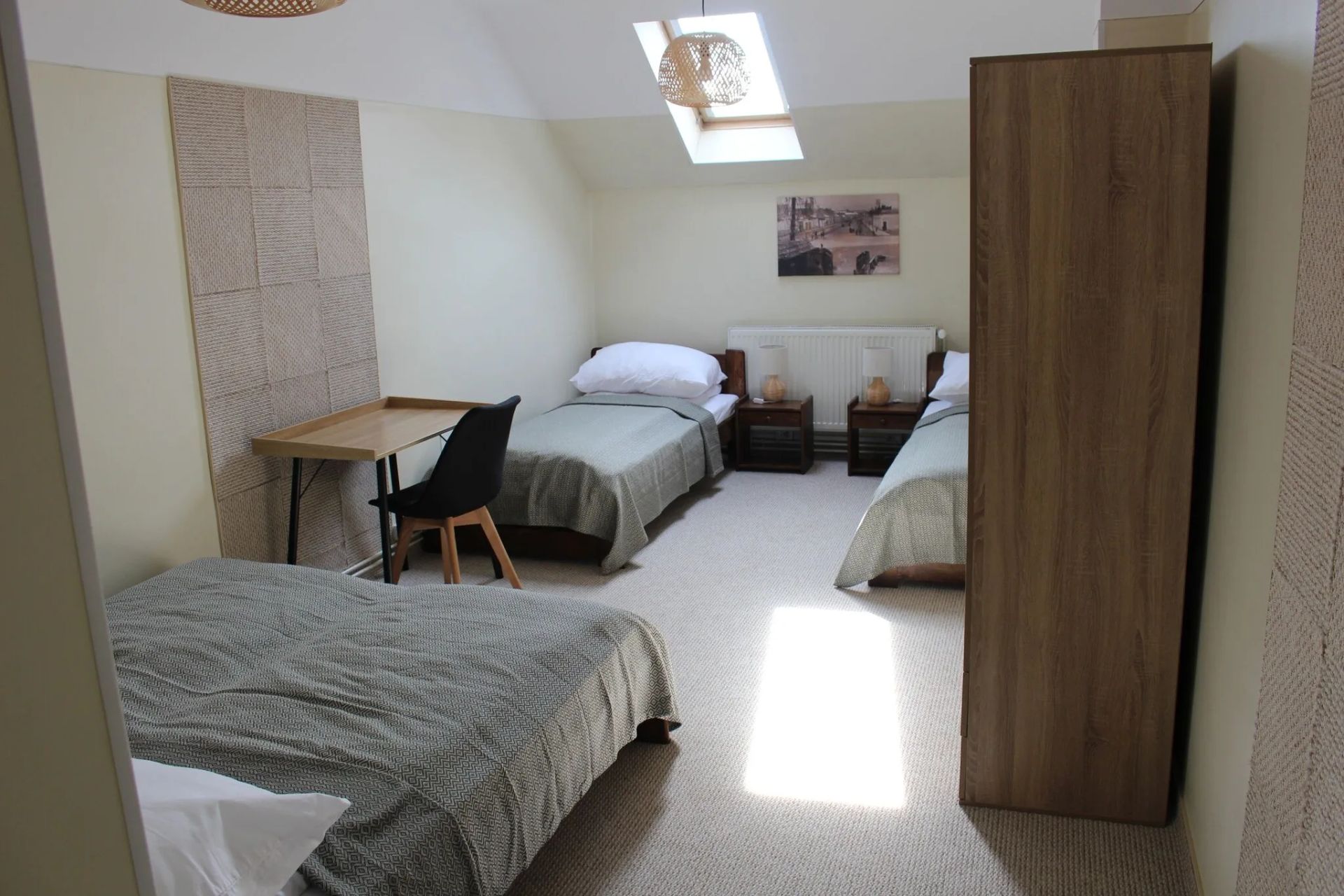
Téka Guest House Gherla
În centrul istoric al orașului Gherla, Téka Guest House vă întâmpină cu camere cu două, trei și patru paturi, amenajate într-un stil modern care creează un mediu confortabil și primitor pentru odihnă după o zi plină de activități în zonă. Unitatea pune la dispoziție Wi-Fi gratuit în toate spațiile comune și în camere, astfel încât dumneavoastră să aveți acces neîntrerupt la internet pe toată durata șederii și să puteți comunica ușor cu cei dragi ori să împărtășiți impresii despre călătorie. În apropiere puteți vizita Mănăstirea Nicula, Catedrala Armeano-Catolică din Gherla, Castelul Banffy, Biserica Sfântul Mihail din Cluj și Muzeul Național de Istorie Cluj-Napoca, fiecare dintre aceste obiective oferind o perspectivă diferită asupra bogatului patrimoniu cultural și spiritual al regiunii. Orașul Gherla păstrează vie amintirea rădăcinilor armenești ale comunității locale, iar împrejurimile oferă ocazii de a descoperi tradiții meșteșugărești autentice și peisaje naturale deosebite, ideale pentru relaxare. Seara, după ce vă întoarceți de la obiectivele vizitate, puteți verifica noutățile online sau planifica următoarea zi de explorare folosind conexiunea Wi-Fi pusă la dispoziție în unitate.
FROM
170 lei per night

Guesthouse · 3 stars
Gherla, Cluj County · 5.3 km
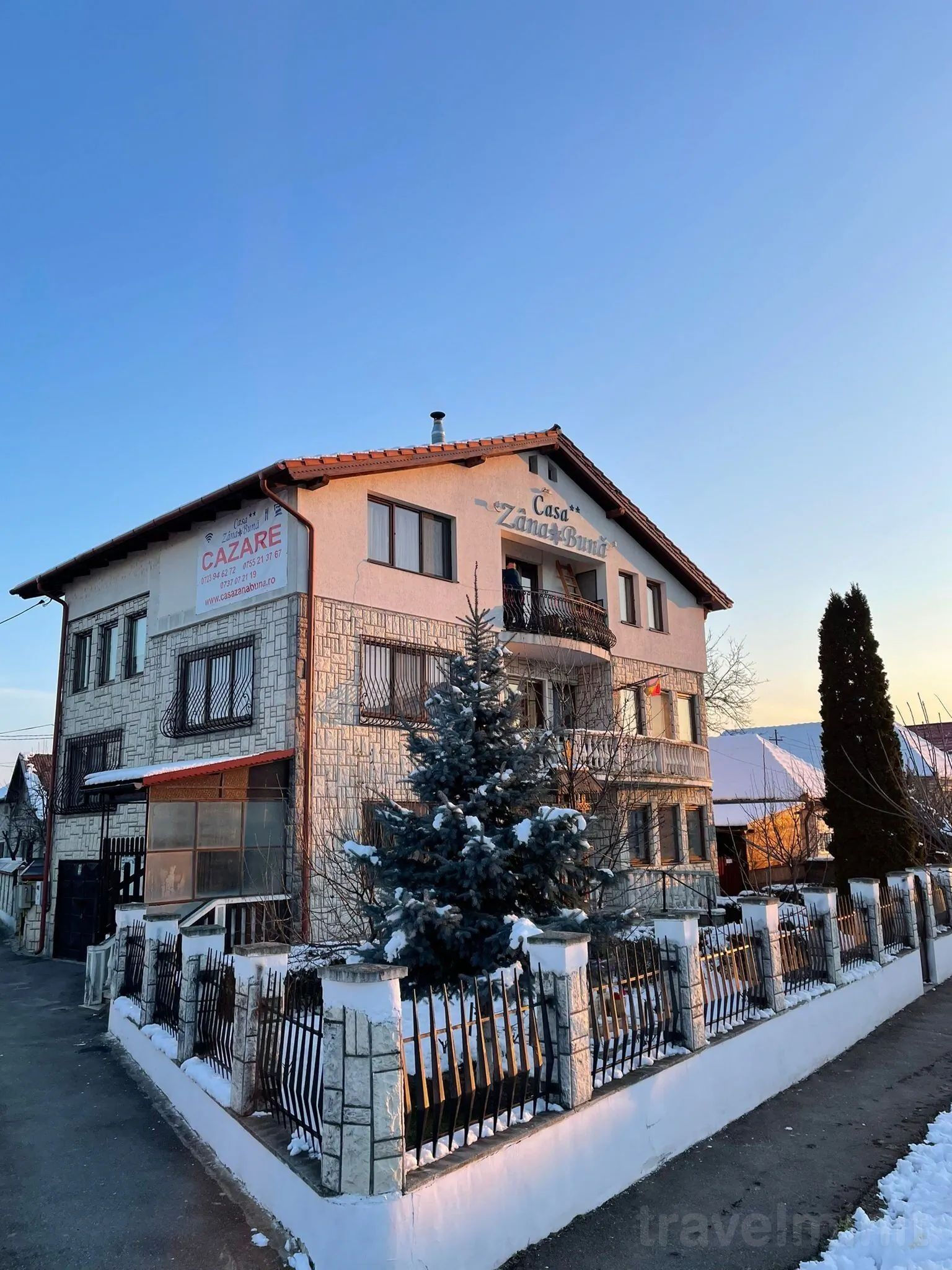
Casa Zâna Bună Gherla
Accesul persoanelor cu dizabilități reprezintă un atu important al Casei Zâna Bună din Gherla, județul Cluj, o pensiune turistică clasificată cu trei stele situată pe strada Dejului numărul 38. Vă așteptăm cu cinci camere modern mobilate, într-un cadru plăcut și liniștit. Unitatea beneficiază de Wi-Fi gratuit în toate spațiile, parcare privată gratuită și o curte mare cu grădină amenajată, perfectă pentru momente de relaxare în aer liber. Pentru familiile cu copii mici, punem la dispoziție un pătuț pentru bebeluș. La cerere, puteți comanda micul dejun, iar la recepție se vorbesc româna și engleza. Check-in-ul se efectuează de la ora 16:00, iar predarea camerei până la ora 11:00. În apropiere puteți vizita Mănăstirea Nicula, Catedrala Armeano-Catolică din Gherla, Castelul Banffy, Biserica Sfântul Mihail din Cluj și Muzeul Național de Istorie Cluj-Napoca, oferind numeroase posibilități de explorare culturală și spirituală. Casa Zâna Bună Gherla este potrivită pentru turiștii care doresc să descopere zona Clujului într-o atmosferă liniștită, beneficiind de facilități accesibile pentru toți oaspeții și servicii adaptate nevoilor fiecăruia.
FROM
240 lei per night
Holiday home · 3 stars
Mintiu Gherlii, Cluj County · 5.9 km
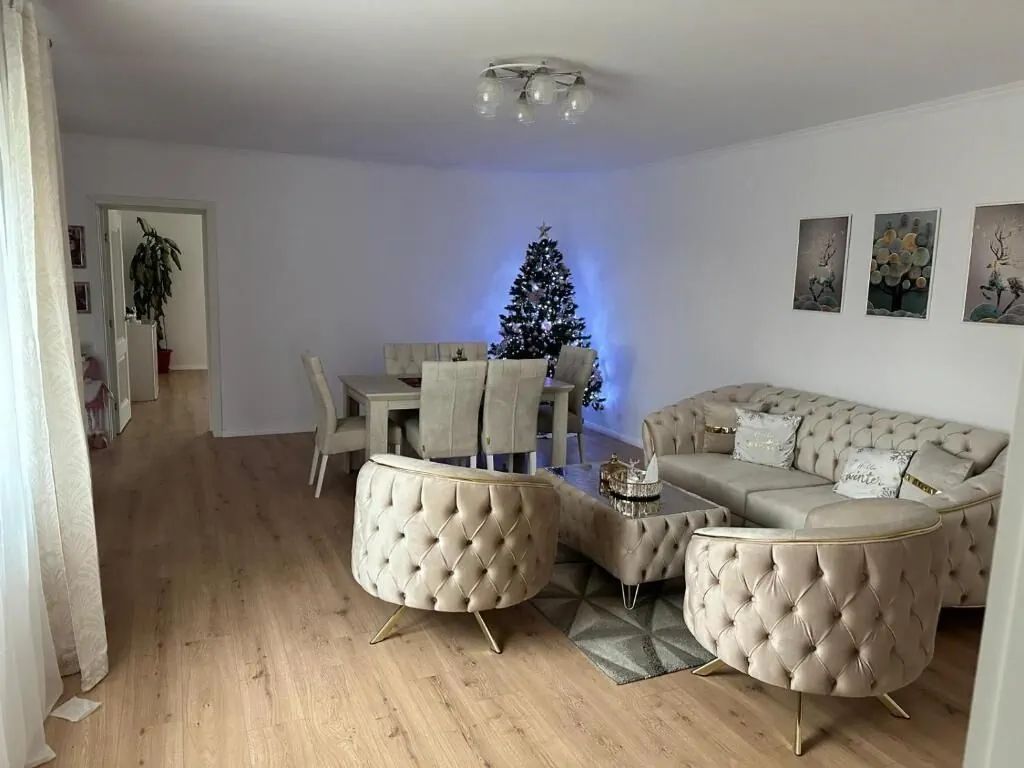
Casa Crișan Mintiu Gherlii
Comfort, relaxation and stunning views, all just steps away from the main attractions.
FROM
280 lei per night
Guesthouse · 3 stars
Sic, Cluj County · 7.6 km
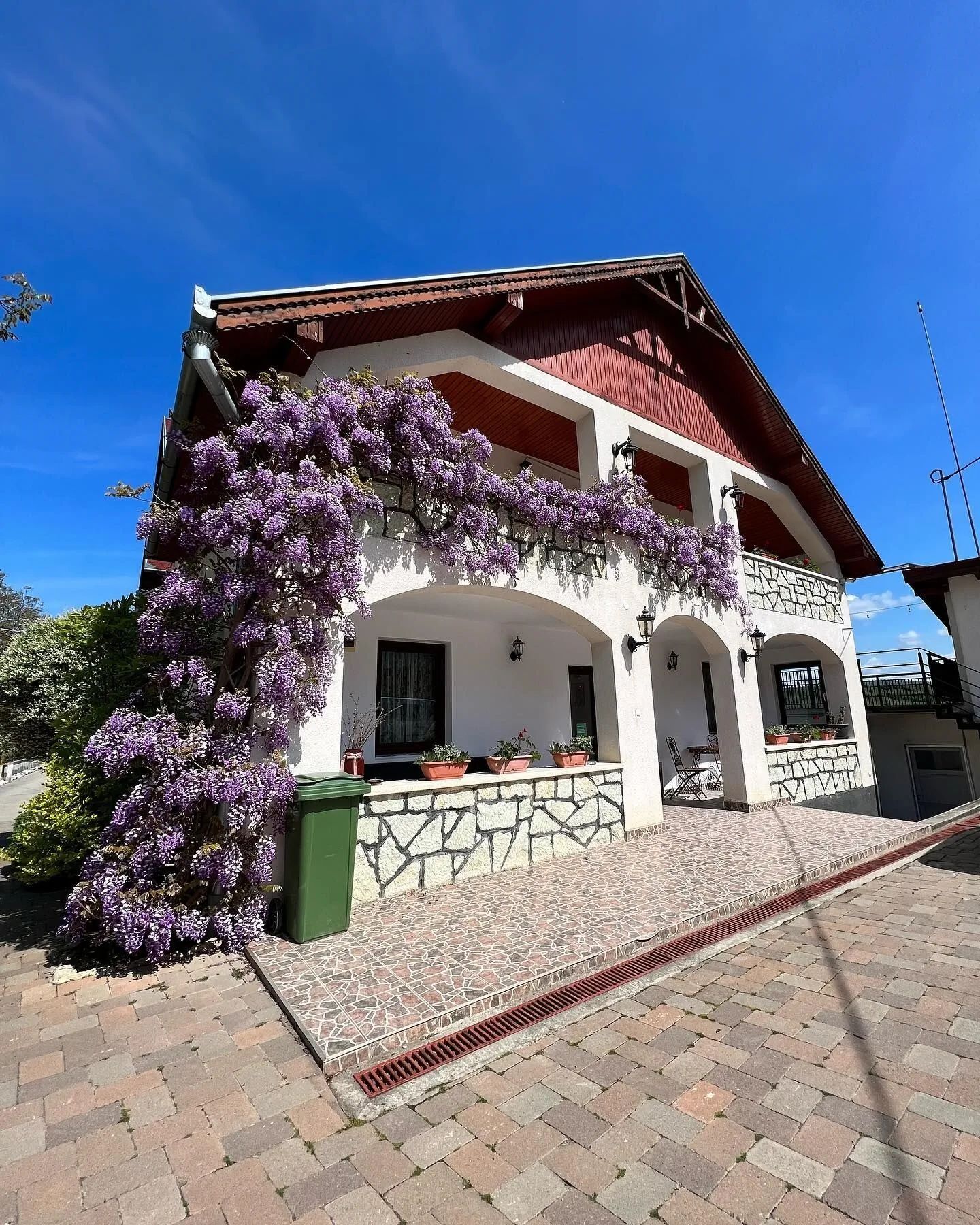
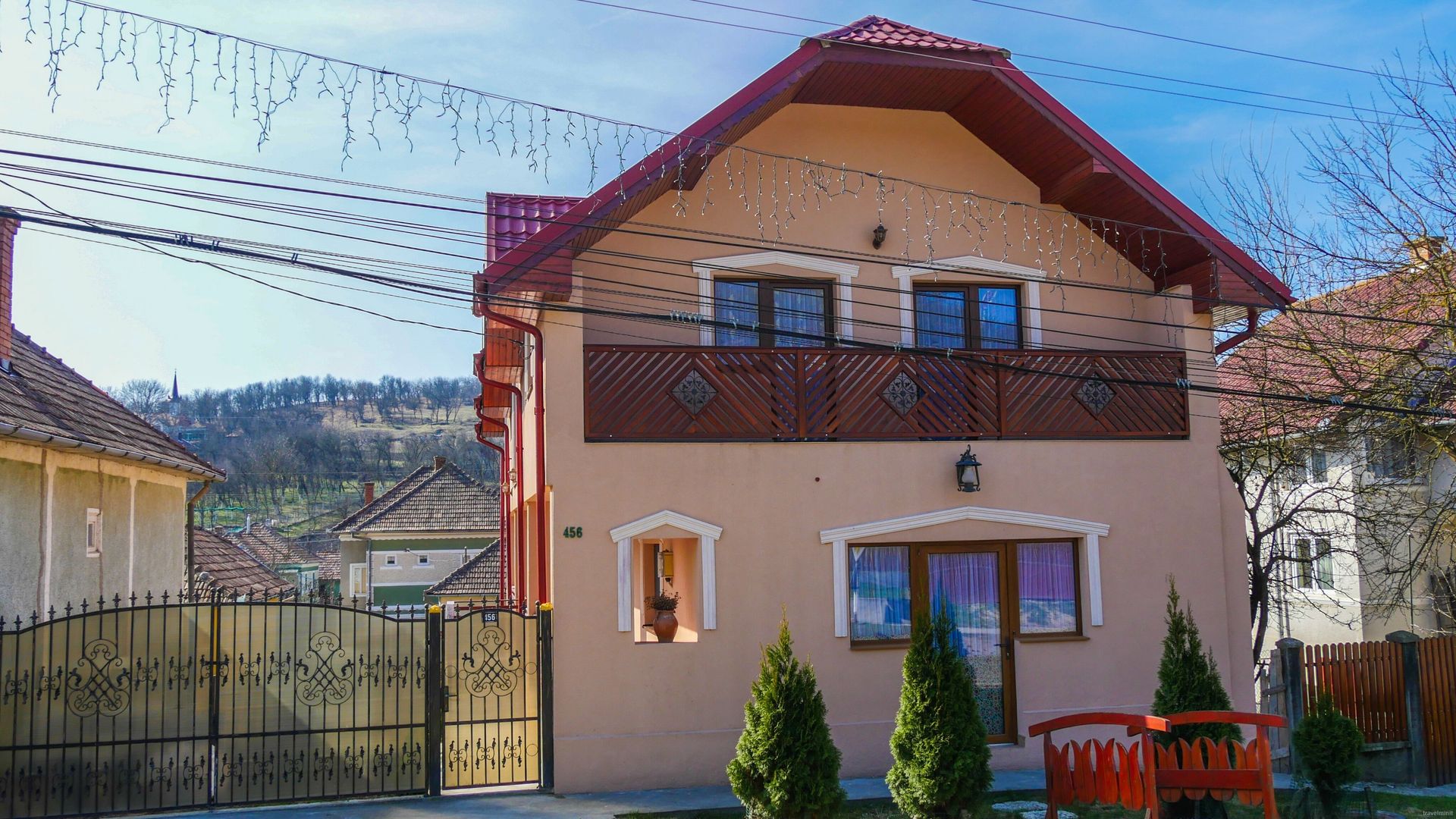
Pensiunea Sovirag Sic
În curtea largă și grădina amenajată, mobilierul pictat manual din camere amintește de tradiția sicănească veche de secole. Pensiunea Sovirag Sic din localitatea Sic, județul Cluj, vă așteaptă într-un cadru autentic unde gastronomia și obiceiurile locului sunt păstrate cu grijă, într-o atmosferă caldă și primitoare, departe de aglomerația urbană. Pentru confortul dumneavoastră, unitatea oferă un restaurant și un bar în incintă, precum și un ceaun pentru gătit în aer liber. Beneficiați de Wi-Fi gratuit, parcare privată gratuită și facilități pentru cei mici: scaun înalt pentru copii și pătuț pentru bebeluș. De asemenea, aveți posibilitatea de a practica pescuitul în zonă, iar curtea mare oferă spațiu generos pentru relaxare. În apropiere se află obiective culturale și istorice deosebite pe care le puteți descoperi: Mănăstirea Nicula, Catedrala Armeano-Catolică din Gherla, Castelul Banffy, Biserica Sfântul Mihail din Cluj și Salina Turda. Fiecare dintre acestea oferă o perspectivă unică asupra patrimoniului și istoriei Transilvaniei. Seara, după o masă preparată la ceaun în aer liber, puteți savura liniștea grădinii amenajate sub cerul deschis al satului Sic.
FROM
240 lei per night
Guesthouse · 3 stars
Sic, Cluj County · 9.3 km
Pensiunea Muskátli Sic
Pe strada Csipkeszeg II din localitatea Sic, județul Cluj, vă așteaptă Pensiunea Muskátli Sic, o unitate de cazare clasificată cu trei stele care oferă un refugiu liniștit pentru călătorii ce vizitează această zonă a Transilvaniei. Beneficiați de Wi-Fi gratuit în întreaga unitate și de parcare privată fără cost pentru mașina dumneavoastră. Curtea mare și grădina amenajată vă invită să vă relaxați în aer liber, iar pentru cei mici există un loc de joacă la exterior și un pătuț pentru bebeluș. Dacă doriți să pregătiți masa în aer liber, aveți la dispoziție un grătar sau barbeque, precum și un ceaun pentru gătit în curte, într-un cadru natural plăcut și liniștit. În apropiere puteți vizita Mănăstirea Nicula, Catedrala Armeano-Catolică din Gherla, Castelul Banffy, Biserica Sfântul Mihail din Cluj și Salina Turda, toate reprezentând destinații interesante pentru excursii de o zi în această parte a țării. Vă așteptăm să porniți în explorarea zonei, Salina Turda fiind un obiectiv excelent pentru a descoperi atracțiile din împrejurimi.
FROM
240 lei per night
Guesthouse · 3 stars
Sic, Cluj County · 9.3 km
Pensiunea Nádas Sic
Comfort, relaxation and stunning views, all just steps away from the main attractions.
FROM
240 lei per night
BEFORE YOU HIT THE ROAD
Weather conditions in Nicula
Local forecast for Nicula Monastery, Nicula, Fizeșu Gherlii

Real-time updated weather data
Much more to explore in this area
Nearby tourist attractions


Turda, Cluj County
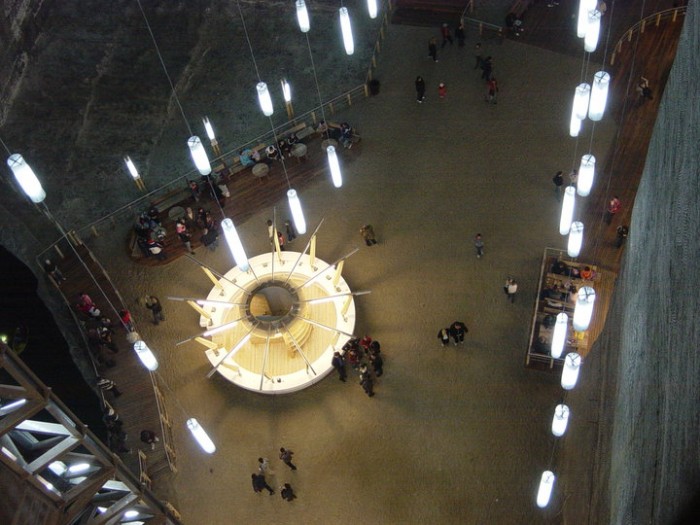
Turda Salt Mine
Se gaseste in zona Durgau-Valea Sarata din Turda; prima atestare documentara a extragerii sarii in Turda dateaza din anul 1271; cele patru mine din adancurile...
48.5 km

Apahida, Cluj County
St. Michael's Church, Cluj-Napoca
Situata in Piata Unirii, Cluj-Napoca; istoria bisericii Sfantul Mihail coincide cu inceputurile Clujului ca si oras; biserica a fost inaltata pe un teren care...
37.9 km
Apahida, Cluj County
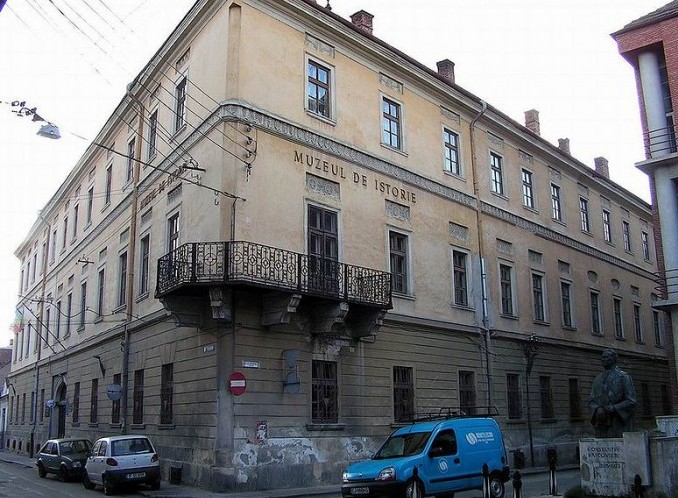
National Museum of History of Cluj-Napoca
Situat pe strada Constantin Daicoviciu 2, Cluj-Napoca; cunoscuta si drept Casa Petrechevich-Horvath drept, este continuatorul primei asociatii muzeale din...
38.1 km

Apahida, Cluj County
Art Museum of Cluj-Napoca (Bánffy Palace)
Situat in Piata Unirii 30, Cluj Napoca; infiintat ca institutie in anul 1951, muzeul functioneaza din anul 1956 in Palatul Banffy, o cladire baroca construita...
37.2 km
Apahida, Cluj County
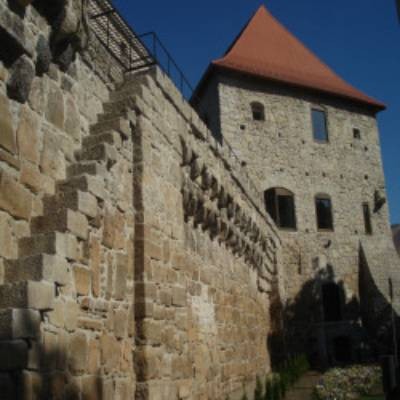
Cluj Citadel
Pentru a construi cetatea romanii au folosit ca si hotare ale cetatii in primul rand Canalul Morilor si Paraul Tiganilor, care trece prin Gradina Botanica si...
37.5 km
Apahida, Cluj County
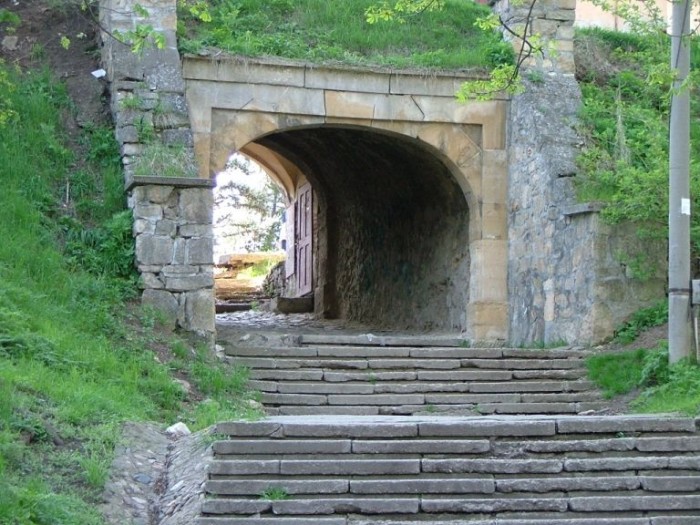
Cluj Citadel (Cetățuia)
La fel ca si Cetatea din Alba Iulia, Cetatuia a fost proiectata de arhitectul militar italian Giovanni Morandi Visconti, in timpul guvernarii militare a...
38.0 km
Nicula, Cluj County
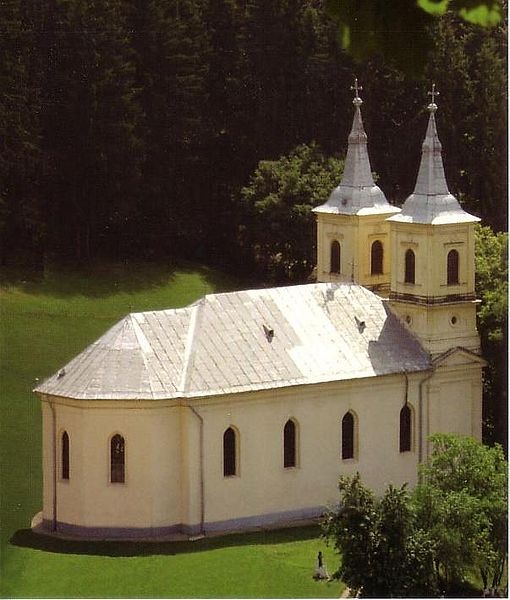
Nicula Monastery
Situata in localitatea Nicula, orasul Gherla; manastire de calugari; poarta urmatoarele hramuri: Adormirea Maicii Domnului, Sfantul Nicolae, Buna Vestire;...
38.3 km

37.5 km

Apahida, Cluj County
Transylvania Ethnographic Museum
Situat pe strada Memorandului nr. 21 din Cluj-Napoca; infiintat in 1922, detine colectii cu piese extrem de valoroase, achizitionate pe baza unor cercetari de...
38.2 km

38.1 km
Apahida, Cluj County
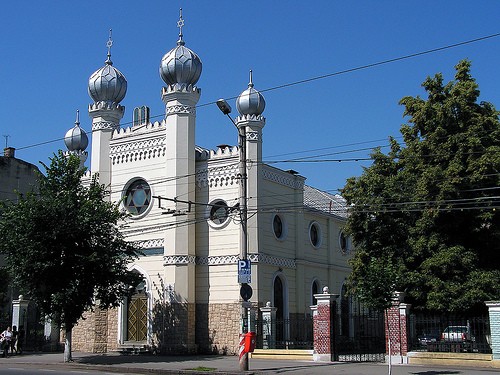
Neolog Synagogue in Cluj (Deportation Memorial Temple)
Situata pe strada Horea 21, Cluj-Napoca; cunoscuta si sub numele de Templul Deportatilor din Cluj sau Templul Memorial al Deportatilor Evrei; a fost grav...
37.6 km

37.9 km
Cultural life and traditions
Events in the Nicula Monastery area
Medieval festivals, traditional fairs, concerts and local activities recommended in Transylvania.

Heritage and History

Nicula, County of Fizeșu Gherlii
The Festival of Medieval Fortresses and the Open Doors Days
Guided night tours, traditional crafts workshops and historical re-enactments featuring knights and ladies.
WHEN
May 15-17, 2026


Traditions and Cuisine
Nicula, County of Fizeșu Gherlii
The Fair of Saxon Traditions and Local Cuisine
Discover local producers, traditional Saxon pastries baked in a wood-fired oven, artisanal syrups, and rhubarb jam.
WHEN
Every weekend (May - October)

Ecotourism and Nature
The hills of Transylvania, County of Fizeșu Gherlii
Guided Hikes on the Transylvanian Hills Trail
Take excursions along unmarked trails through ancient meadows, centuries-old oak trees, and villages with fortified churches that are UNESCO World Heritage sites.
WHEN
Friday – Sunday (Season 2026)
On foot, exploration gains depth
Discover the surroundings and local geography
Explore the trails, terrain, and natural landmarks around Nicula Monastery.

Guides and practical tips
Useful travel articles
Travel guides, practical recommendations and tourist itineraries for Transylvania.

Tourist guide
Top 5 Atracții Turistice și Trasee Montane în Zona Moieciu - Bran
Descoperă cele mai spectaculoase peisaje carstice, chei adânci și cetăți medievale din imediata apropiere a stațiunii Moieciu.

Tourist guide
Ghid de Drumeție: Traseul Moieciu de Sus spre Platoul Bucegi
Un itinerariu montan de o frumusețe rară ce urcă din Valea Băngăleasa spre Poiana Guțanu și crestele maiestuoase ale Bucegilor.

Tourist guide
Castelul Bran: Istorie, Legende și Secrete Medievale
Află adevărata poveste a fortăreței medievale din Pasul Bran, reședința de suflet a Reginei Maria a României.
THE JOURNEY STARTS WITH AN IDEA
The next story is on the way.
From the first stop to the last stay, make room for a new Romania.
