


CASTLE · DOBRUJA
Callatis Fortress in Mangalia

Constanta, Constanța County
Add location to your trip planner.
Practical access information

VISITING HOURS
Monday: 12:00 PM – 5:00 PM · Tuesday–Sunday: 9:00 AM – 5:00 PM (in summer until 8:00 PM)

TICKET PRICE
Adults: 45 RON · Students: 11 RON · Seniors: 23 RON · Guided tour included

RECOMMENDED VISIT DURATION
2-3.5 hours
Visitor information and guide
 Navigate with Google Maps

ABOUT CALLATIS FORTRESS IN MANGALIA
Introduction: Mangalia, the Forgotten Fortress of the Pontus Euxinus
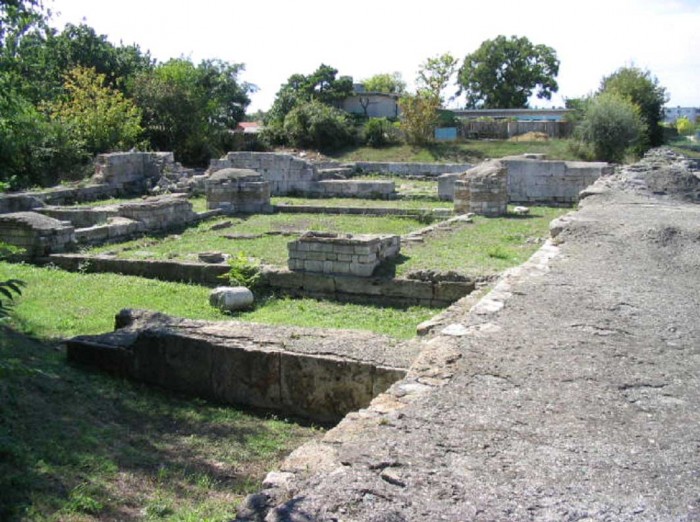
At the southernmost tip of Romania’s Black Sea coastline, where gentle waves kiss the Dobrogean shore, lies Mangalia—a city that conceals beneath its modern seaside resort aura one of the deepest historical roots in the entire country. Here, within a perimeter bounded by the Balneary Sanatorium, the House of Culture, Constanța Street, the Mosque, and the entrance to the commercial port, lie the ruins of Callatis Fortress, an archaeological site of exceptional European significance. Unlike other coastal resorts, Mangalia is not merely a holiday destination but a place where the past reveals itself at every step, offering visitors a fascinating journey through over two and a half millennia of continuous history. Founded by Greek colonists from Heraclea Pontica in the 4th century BCE, Callatis represents the essential link in the chain of Hellenistic colonies that transformed the Black Sea basin into an outpost of Mediterranean civilization—a bridge between the Greek world of Athens and Corinth and the mysterious lands of Scythia.
Hellenistic Roots and the Primordial Getic Layer
The history of Callatis begins long before the arrival of the Greeks, on the site of an ancient Getic settlement known as Acervetis or Cerbetis. Its existence attests to the presence of an organized Daco-Getic population capable of maintaining trade relations with the Mediterranean world even in pre-Hellenistic times. Around 380 BCE—or, according to other hypotheses, in the first half of the 4th century BCE—colonists from Heraclea Pontica, a city on the Asian coast of the Black Sea in present-day Turkey, established an independent polis here, modeled after the city-states of the southern Aegean. This foundation was not an isolated event but part of a vast network of Greek colonies spread along the northern and western shores of the Pontus Euxinus, alongside famous settlements like Olbia, Tyras, Panticapaeum, and Chersonesos in Crimea, temporarily transforming the Black Sea into a "Greek lake." Unlike purely colonial settlements, Callatis developed a deep symbiotic relationship with the local Getic substratum, embodying a rare historical continuity between indigenous and Hellenistic civilizations. As an independent polis, the fortress operated under the democratic and urban principles of the Greek world, benefiting from a strategic position on the western Black Sea coast that ensured prosperity through intensive maritime trade with the Mediterranean—from Athens and Corinth to Alexandria. It imported fine ceramics, olive oil, and wine while exporting grain, salted fish, and local handicrafts to the great markets of the era.
Urban Apogee: Temples, Baths, and Necropolis
During its peak development, particularly between the 3rd and 2nd centuries BCE, Callatis experienced remarkable economic, social, political, and cultural flourishing, comparable to major urban centers of the ancient world like Ephesus or Pergamon. Massive defensive walls, built from precisely fitted stone blocks, and sophisticated port facilities—including breakwaters and quays—transformed the city into a vital commercial hub of the Pontic basin, a crucial node in the trade network linking the Mediterranean to the northern Pontic steppes. Within the fortified enclosure, temples dedicated to Greek deities—likely Apollo, Demeter, or Dionysus—rose alongside monumental public buildings with Doric or Ionic columns and statues reflecting the refined artistic tastes of the Hellenistic era, influenced by artistic currents from Alexandria and Athens. The city boasted an extensive funerary complex, an impressive necropolis with tumuli (burial mounds) reminiscent of Scythian traditions yet also Greek, attesting to the high social status of local elites. Additionally, Callatis featured a thermal bath complex, a testament to its advanced urbanization and high living standards, connected to the artistic, philosophical, and scientific currents of the Greek world. The city also minted its own currency—silver staters and drachmas—that circulated throughout the Pontic region, evidence of its economic autonomy and prosperity accumulated through trade.
Under Roman Rule: From Ally to Province and the Late Wall
Under Macedonian domination, Callatis maintained relative autonomy until 281 BCE, when it freed itself from the influence of King Philip II, later entering the increasingly pronounced sphere of the expanding Roman Empire. This period of relative independence was followed by a strategic alliance with Rome, with the fortress becoming an important ally in conflicts with the Kingdom of Pontus. Conquered definitively by the Romans during the Second Mithridatic War, in the context of the campaigns led by Lucius Licinius Lucullus against King Mithridates VI of Pontus, Callatis was integrated—likely beginning in 72 BCE or in the following decades—into the province of Moesia Inferior, later renamed Scythia Minor. The Roman period brought new phases of construction and urban reorganization, most notably the late Roman enclosure wall, probably built in the 3rd or 4th centuries CE, a testament to fortification efforts against barbarian migrations, particularly the Visigoths and later the Slavs and Avars, as well as the administrative-territorial reorganization of the Danube frontier. During this era, the city continued to thrive as a commercial port and administrative center, traversed by paved stone streets covering approximately 1,000 square meters in the southern district, where urban elements of Romano-Byzantine civilization were identified, revealing a sophisticated spatial organization with public buildings and private residences that attest to the continuity of urban life after the official Roman administration withdrew from north of the Danube.
Byzantine Christianity and the Episcopal Basilica
The most precious testimony of the Byzantine era is the Christian basilica dating from the 5th century CE, discovered in the northeastern part of the archaeological site—a monument of exceptional importance for the history of early Christianity in Romania and the entire Black Sea basin. This impressive religious complex, consisting of a three-nave basilica, an atrium, and an episcopal palace, is presumed to be the work of a Syrian architect, illustrating the extensive cultural ties between the Pontus Euxinus and the Eastern Christian world, from Antioch to Constantinople. It reflects Syrian architectural influences that permeated the early Byzantine Empire. Similar in conception, though smaller in scale, to the great basilicas of Ravenna, Thessaloniki, or Constantinople, this church marks the definitive transition from Hellenistic pagan temples to Christian architecture. It was likely adorned with mosaics and frescoes—now lost—but whose existence is suggested by archaeological fragments. The construction of this basilica and the adjacent episcopal palace attests to the presence of a well-organized Christian community, hierarchically subordinate to the Patriarchate of Constantinople, at a time when Christianity was becoming the dominant religion of the empire. In the following centuries, particularly during the reign of Emperor Justinian I, the fortress was further strengthened with new enclosures and towers to withstand invasions by Slavs and Avars, transforming it into a crucial military and religious outpost on the northern frontier of the Byzantine Empire.
Historical Palimpsest: From Ancient Decline to Modern Rediscovery
Recognized as a national historical monument, Callatis Fortress represents a true archaeological palimpsest where Getic, Hellenistic, Roman, and Byzantine layers intertwine in a fascinating succession spanning over two millennia, each civilization leaving its mark on the stone and soil. After a gradual decline beginning in the 7th century—caused by Slavic invasions and the closure of Pontic trade routes—the site entered a period of medieval obscurity. The city, known as Pangalia, continued to exist as a settlement but lost its ancient splendor. Under Ottoman rule from the 15th century onward, the area underwent new transformations, and the name Mangalia—of uncertain etymology, possibly derived from medieval forms—has survived to this day. The scientific rediscovery of the fortress began in the second half of the 19th century with sporadic research, but the true revelation came in the 20th century, when archaeologists such as Grigore Tocilescu, Scarlat Lambrino, and especially Radu Vulpe conducted systematic excavations that uncovered the monumental structures of the ancient city. Its European significance lies in its role as part of the extensive network of Greek colonies in the Black Sea basin, alongside Tomis (Constanța) and Histria, contributing essentially to the spread of Mediterranean civilization and Western urban models to Southeastern Europe. It stands as living proof of how Hellenistic culture shaped the identity of this corner of the world.
The Visitor Experience: Between Ruins and the Black Sea Breeze
For the contemporary visitor stepping onto the streets of Mangalia, Callatis Fortress offers a unique experience—a captivating journey through history, from pagan temples to the Christian basilica, set in a unique frame where archaeological heritage harmoniously blends with the Dobrogean coastline and the distinctive atmosphere of the seaside resort. The open-air archaeological site, accessible in the city center between the Balneary Sanatorium and the commercial port, can be explored in about an hour and a half. Visitors can walk along the traces of Hellenistic and Roman walls, the foundations of the Byzantine basilica with its atrium, and visit the nearby Callatis Museum, which houses impressive collections of Greek and Roman ceramics, inscriptions, coins, fragmentary statues, and everyday objects that bring to life the world of two thousand years ago. The atmosphere is particularly evocative: standing on the ancient paving stones of the streets or before the ruins of the basilica, with the Black Sea breeze blowing from the east and the scent of pine and salt in the air, visitors can almost feel the invisible presence of Greek merchants, Roman legionaries, and Byzantine priests who once populated these places. Nearby attractions include Mangalia Beach, the southernmost seaside resort in Romania with natural thermal waters, the Commercial Port, the Esma Sultan Mosque—a jewel of Ottoman architecture—and numerous seafood restaurants. For a complete visit, it is recommended to combine archaeological exploration in the morning, when the light is soft and the ruins gain depth, with a walk along the promenade and a seafood dinner at sunset, in a landscape where the ancient past quietly dialogues with the present, offering a high-caliber cultural experience worthy of Europe’s most prestigious destinations.
Media gallery
Discover Callatis Fortress in Mangalia in pictures

5 photos · Architecture, courtyards and captivating details
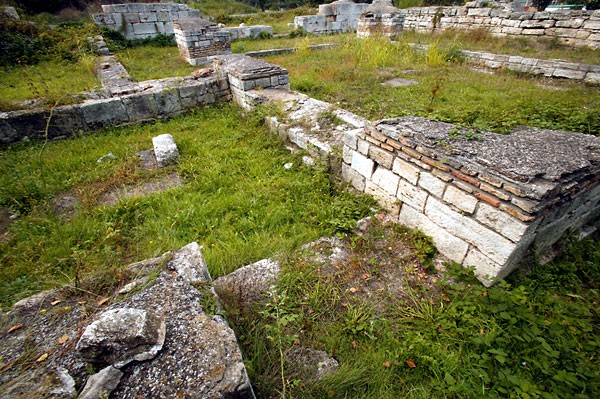


Image source: Wikimedia Commons · Public domain photos · Free license
STAY A FEW DAYS, DISCOVER THE MAGIC
Accommodation in the Callatis Fortress in Mangalia area

Hotel · 4 stars

Mangalia, Constanța County · 0.2 km
Hotel MSR Port Mangalia
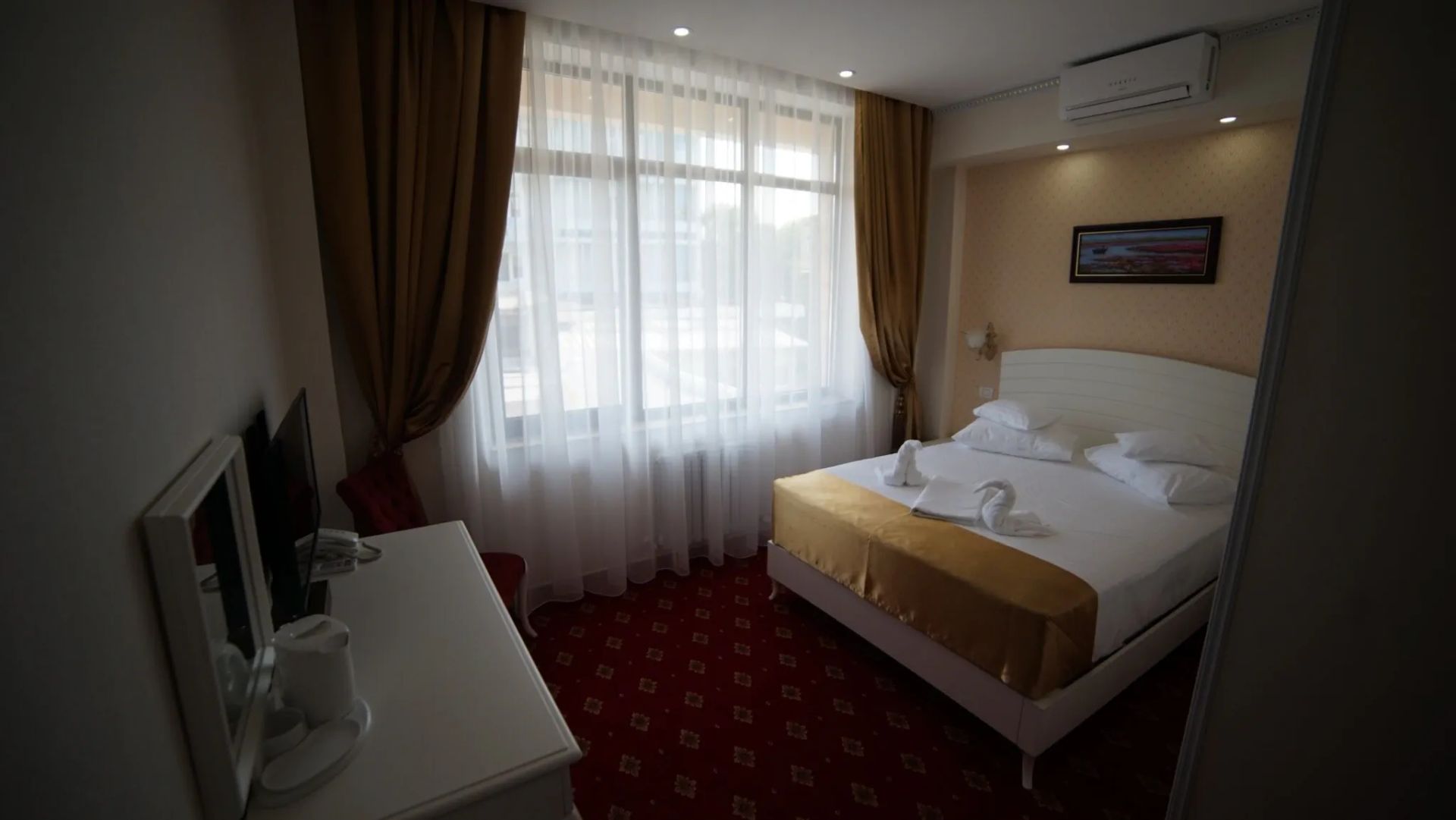
Hotel de patru stele situat în Mangalia, județul Constanța, pe strada Vânători 2A. Unitatea oferă 32 de camere dispuse pe patru etaje, cu vedere spre portul turistic sau spre oraș, într-o zonă liniștită a falezei. Camerele sunt dotate cu sistem de încălzire centrală și aer condiționat, televizor cu ecran plat, minibar și seif. Baia privată include duș sau cadă cu jacuzzi și uscător de păr. Oaspeții beneficiază de fier de călcat, Wi-Fi gratuit pe întreaga proprietate și parcare privată gratuită. Pentru familii sunt disponibile pătuț pentru bebeluș și scaun înalt pentru copii, iar la recepție se păstrează bagajele în siguranță. În incintă funcționează un restaurant, un bar și o cafenea. Micul dejun este inclus și se servește în restaurant, iar prânzul, cina sau băuturile se pot consuma pe terasă într-o atmosferă relaxată. Recepția este deschisă nonstop și poate organiza transferuri. În apropiere se află Cetatea Callatis din Mangalia, Stațiunea Mangalia, Saturn, Stațiunea Saturn și Venus, oferind numeroase posibilități de explorare pe litoral. Vă așteptăm la Hotel MSR Port Mangalia.
FROM
420 lei per night

Hotel · 4 stars
Mangalia, Constanța County · 0.3 km
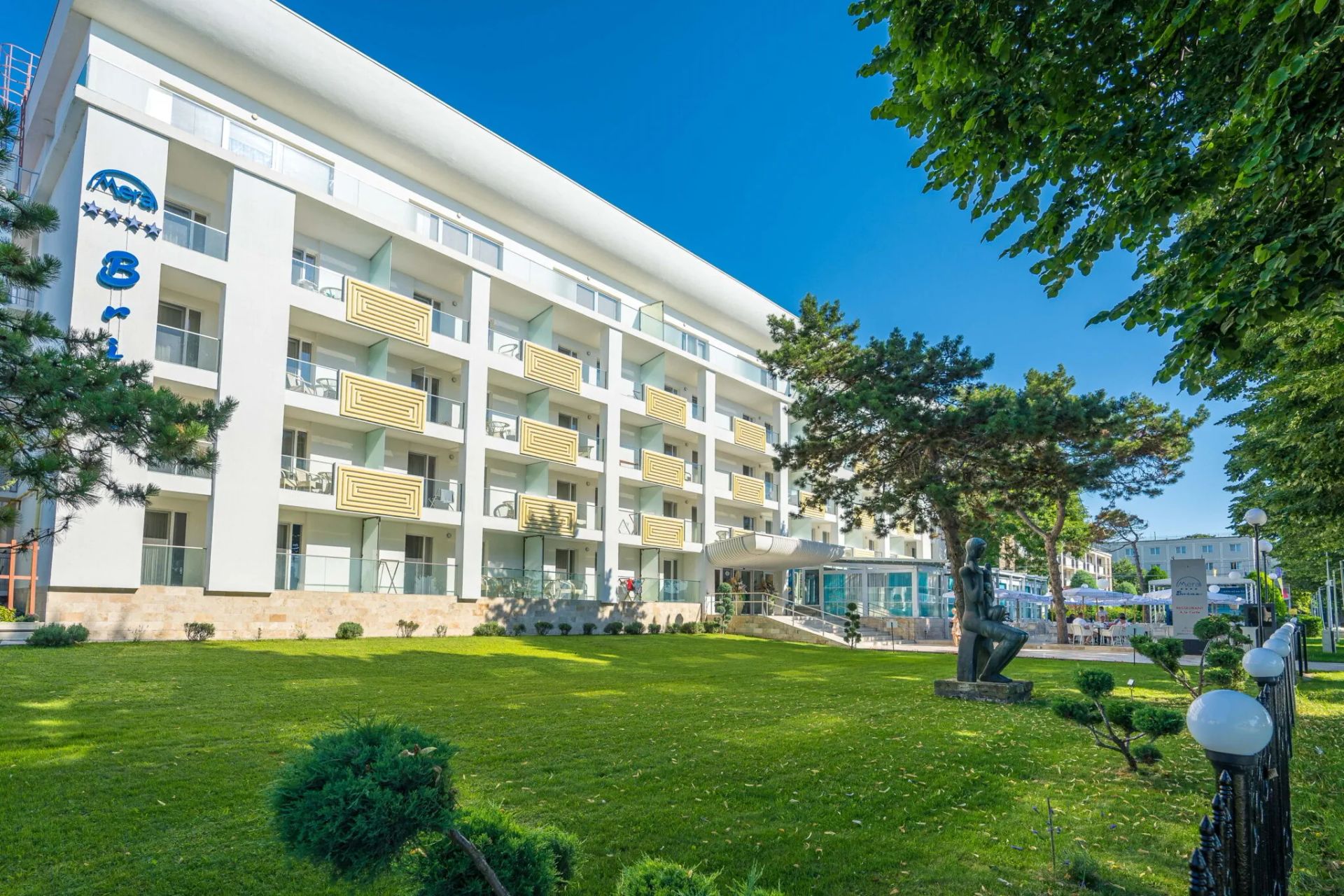
Mera Brise Mangalia
De pe faleza Mării Negre, hotelul Mera Brise din Mangalia oferă priveliști care se întind de la răsărit până la apus, atât în zilele cu apă calmă, cât și în cele cu valuri. Clădirea cu patru stele se află pe strada Frumoasei și primește oaspeții cu camere moderne, dotate cu aer condiționat, balcon și acces pe bază de card, într-un design contemporan. Facilitățile includ un restaurant în incintă unde puteți savura un bufet bogat la micul dejun și preparate calde pentru prânz și cină, alături de un bar pregătit cu cocktail-uri. Aveți la dispoziție Wi-Fi gratuit în întreaga unitate, ascensor, seif în cameră și un spațiu pentru depozitarea bagajelor, astfel încât șederea dumneavoastră să fie confortabilă și lipsită de griji. În apropiere se află Cetatea Callatis din Mangalia, Stațiunea Mangalia, Saturn, Stațiunea Saturn și Venus, oferindu-vă numeroase opțiuni pentru explorarea zonei și descoperirea atracțiilor locale. Această unitate este potrivită pentru turiști de toate vârstele, fie că veniți în familie, în cuplu sau împreună cu un grup de prieteni care doresc un sejur relaxant pe litoral.
FROM
420 lei per night
Hotel · 3 stars
Mangalia, Constanța County · 0.3 km
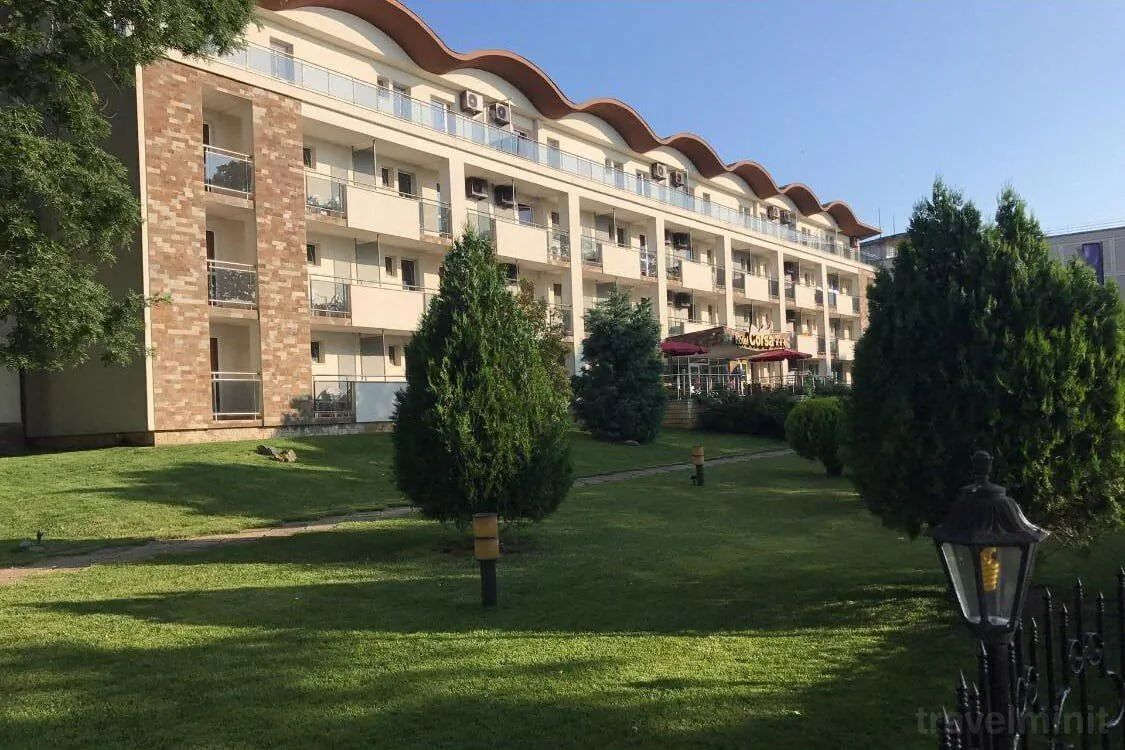
Hotel Corsa Mangalia
O zi începe liniștit în curtea mare și grădina amenajată, unde puteți servi cafeaua de dimineață, iar apoi puteți verifica știrile pe Wi-Fi gratuit înainte de a porni spre plajă. Hotel Corsa din Mangalia vă pune la dispoziție condiții confortabile pentru un sejur relaxant pe litoralul Mării Negre. Unitatea oferă cazare în camere și apartamente dotate cu facilități moderne. Aveți la dispoziție room service, depozit pentru bagaje și acces pentru persoane cu dizabilități. Pătuțul pentru bebeluș și scaunul înalt pentru copii fac șederea comodă și pentru familiile cu copii mici. Parcare privată gratuită și fier de călcat sunt disponibile pentru confortul dumneavoastră zilnic. În apropiere puteți vizita Cetatea Callatis din Mangalia, Stațiunea Mangalia, Saturn, Stațiunea Saturn și Venus. Aceste obiective și stațiuni balneare vă permit să explorați zona și să beneficiați de tratamente specifice fără deplasări lungi. Hotel Corsa Mangalia este potrivit pentru turiști care caută liniște într-o zonă balneo-climaterică, pentru familii cu copii sau pentru cupluri ce doresc acces facil la plajă și la atracțiile istorice ale orașului.
FROM
290 lei per night
Guesthouse · 1 star
Mangalia, Constanța County · 0.4 km
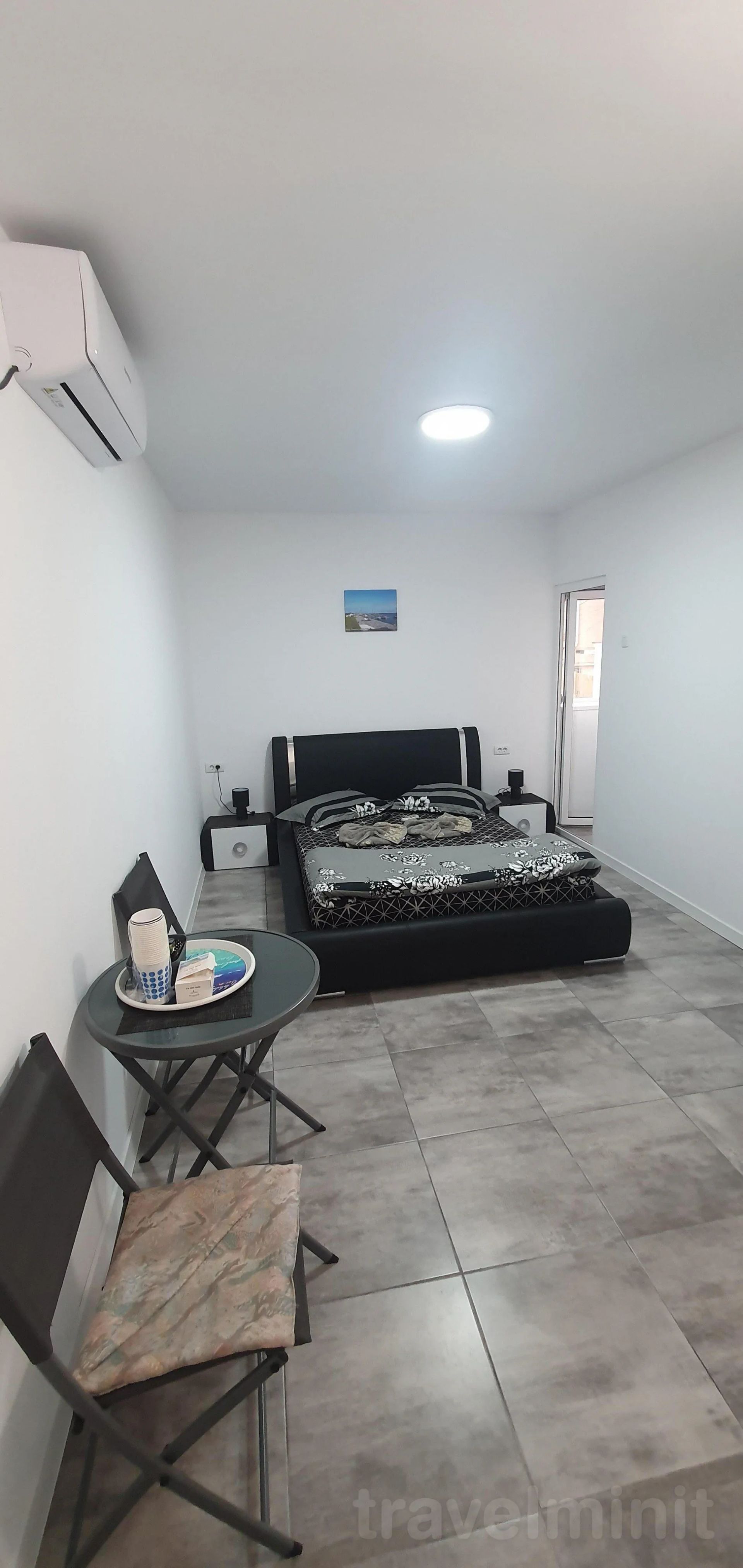
Vila Theo Mangalia
Vila Theo este o pensiune turistică clasificată cu o stea, situată în localitatea Mangalia din județul Constanța, pe strada Mihai Viteazu numărul 10a. Unitatea pune la dispoziția dumneavoastră cinci camere amenajate cu grijă, oferind un cadru potrivit pentru odihnă și relaxare. Beneficiați de parcare privată gratuită și de conexiune Wi-Fi fără cost în întreaga proprietate. Pentru confortul dumneavoastră, unele camere sunt dotate cu aer condiționat, iar accesul persoanelor cu dizabilități este asigurat în incinta vilei. Ziua de cazare începe la ora 14:00, iar eliberarea camerelor se face până la ora 11:00. Personalul comunică în limba română, engleză, franceză și italiană și vă stă la dispoziție pentru orice informații suplimentare pe toată durata șederii dumneavoastră. În apropiere puteți vizita Cetatea Callatis din Mangalia, Stațiunea Mangalia, Saturn, Stațiunea Saturn și Venus. Aceste obiective turistice vă oferă ocazia de a descoperi istoria și atracțiile din zonă. Vă așteptăm să porniți în explorarea Cetății Callatis din Mangalia și să descoperiți împrejurimile acestui oraș.
FROM
190 lei per night
Hotel · 3 stars
Mangalia, Constanța County · 0.4 km
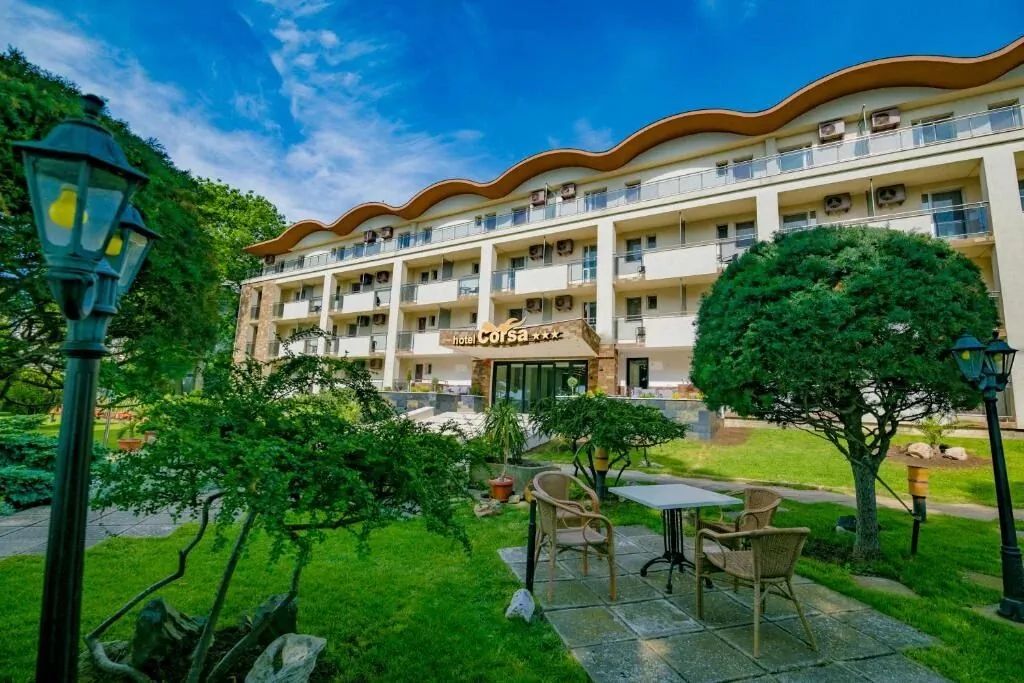
Hotel Corsa Mangalia - Litoral
Hotel Corsa din Mangalia vă oferă acces facil persoanelor cu dizabilități, într-un hotel de 3 stele situat în localitatea Mangalia. Unitatea dispune și de un bar în incintă, iar cazarea se realizează în camere duble și apartamente recent renovate, structurate pe trei etaje, cu dotări moderne și servicii de calitate. Amplasat pe faleză, hotelul oferă posibilitatea de a admira marea de la balconul camerelor, fiind situat la doar câțiva pași de plajă. Spațiile de cazare sunt dotate cu televizor, frigider, aer condiționat, telefon, baie proprie și balcon, iar unitatea rămâne deschisă pe tot parcursul anului pentru a vă primi cu confort. În apropiere puteți vizita Cetatea Callatis din Mangalia, Stațiunea Mangalia, Saturn, Stațiunea Saturn și Venus, astfel încât aveți la îndemână numeroase obiective turistice și zone de relaxare pe litoral. Pentru deplasare cu mașina, aveți la dispoziție parcare privată supravegheată video, iar pentru vehiculele electrice există o stație de încărcare în incintă. Vă așteptăm la Hotel Corsa, unde beneficiați de parcare privată și de facilități speciale pentru persoanele cu dizabilități.
FROM
290 lei per night
Holiday home · 3 stars
Mangalia, Constanța County · 0.5 km
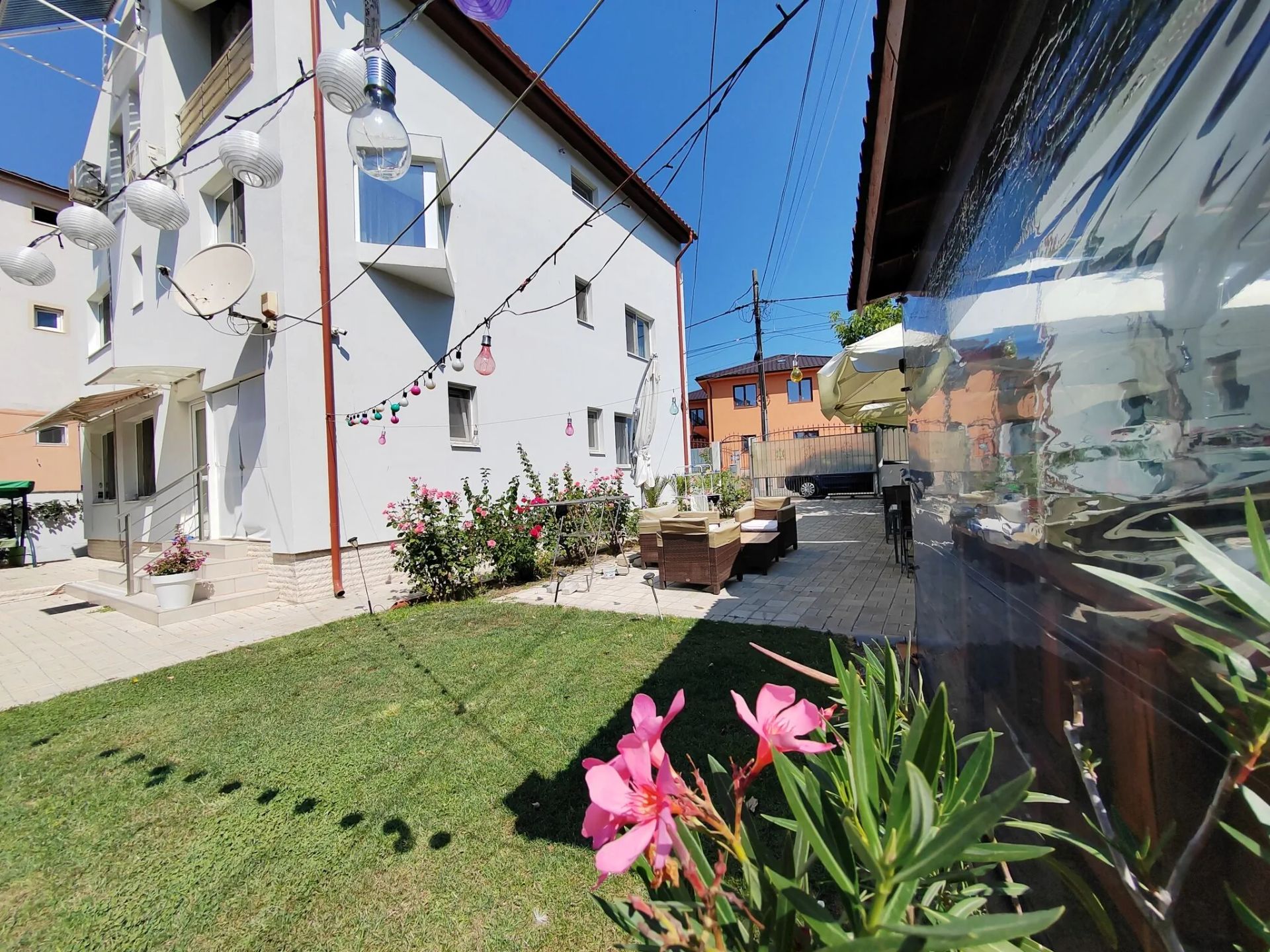
Casa Beyaz Mangalia
Vă așteptăm la Casa Beyaz Mangalia, o vilă cu grădină generoasă și foișor situată pe strada Petru Maior din Mangalia. Proprietatea, clasificată la trei stele, pune la dispoziția dumneavoastră întreaga casă într-un cadru liniștit, potrivit pentru familii și grupuri de prieteni. În curte găsiți un loc de joacă pentru copii, un grătar pentru seri plăcute în aer liber și un foișor echipat pentru prepararea mesei. Beneficiați de Wi-Fi gratuit, parcare privată gratuită și acces facilitat pentru persoane cu dizabilități. De asemenea, aveți la dispoziție fier de călcat, scaun înalt pentru copii și depozit pentru bagaje. În apropiere puteți explora Cetatea Callatis din Mangalia și vă puteți bucura de atmosfera din Stațiunea Mangalia, Saturn, Stațiunea Saturn și Venus. Camerele sunt amenajate la un confort de trei stele, oferind condiții moderne și spațiu generos pentru un sejur relaxant alături de cei dragi. Seara, după o zi petrecută la plajă, vă puteți retrage în foișorul din curte pentru a savura o cină pregătită la grătar sub cerul deschis.
FROM
280 lei per night
BEFORE YOU HIT THE ROAD
Weather conditions in Constanta
Local forecast for Callatis Fortress in Mangalia, Constanta, Constanța

Real-time updated weather data
Much more to explore in this area
Nearby tourist attractions


Constanta, Constanța County
Mamaia resort.
Situata la nord de municipiul Constanta, intre Marea Neagra si Lacul Siutghiol; cartier al municipiului Constanta, are foarte putini locuitori, dar este...
44.9 km
Constanta, Constanța County
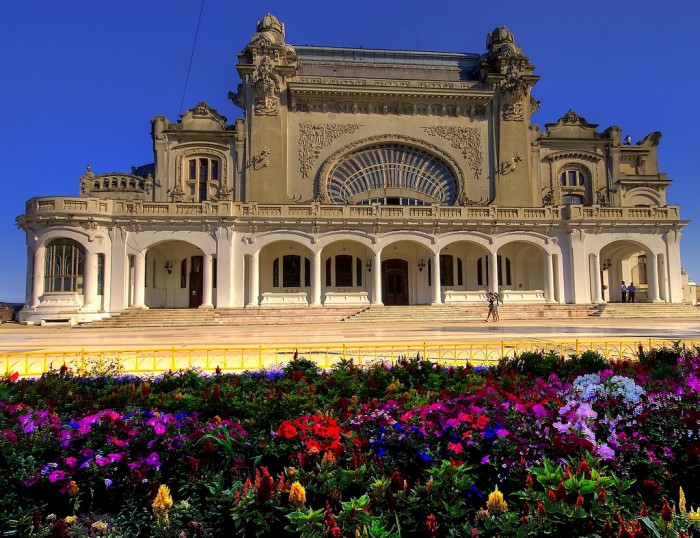
The casino in Constanta.
Situat pe bulevardul Elisabeta, nr. 2, municipiul Constanta; in trecut, in aceasi locatie era amplasata o "cazina" (1880 - 1902) - constructie din lemn unde se...
40.6 km
Constanta, Constanța County
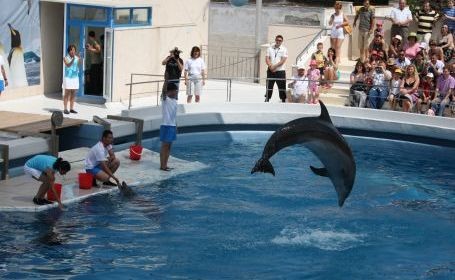
Natural Sciences Museum Complex in Constanța
Situat pe bulevardul Mamaia, nr.255, municipiul Constanta; la inceputul existentei a fost format din sectii individuale, unite sub denumirea "Complexul muzeal...
44.3 km

Constanța, Constanța County
Mamaia
Localitate componentă a municipiului Constanța, județul Constanța, România
48.6 km
Constanta, Constanța County
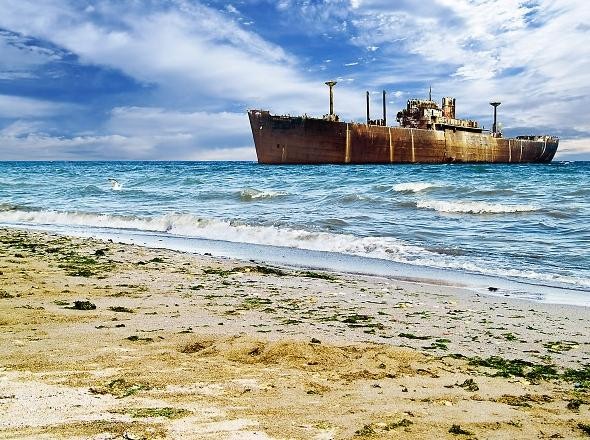
Costinești Resort
Este situata in prelungirea satului Costinesti, la 31 km sud de municipiul Constanta, invecinandu-se la nord cu comuna Tuzla si la sud cu Statiunea Olimp;...
16.0 km

Mangalia, Transylvania
Neptun Resort
Localitate componentă a municipiului Mangalia, județul Constanța, România
6.4 km

6.5 km

Mangalia, Transylvania
Olimp Resort
Localitate componentă a municipiului Mangalia, județul Constanța, România
8.4 km
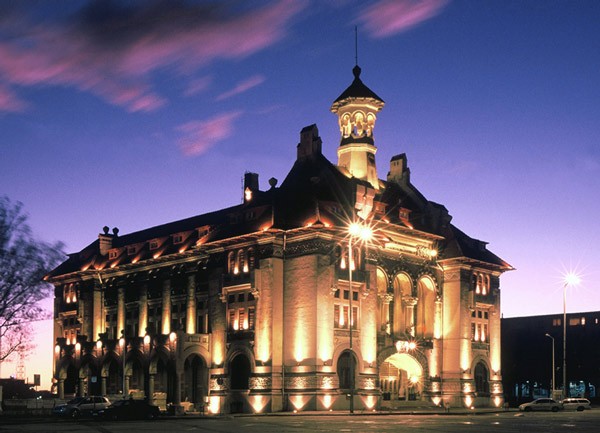
Constanta, Constanța County
National Museum of History and Archaeology in Constanța
Situat in Piata Ovidiu, nr. 12, municipiul Constanta; infiintat in anul 1878, cu ajutorul lui Remus Opreanu; la inceput a functionat in cladirea prefecturii si...
40.8 km
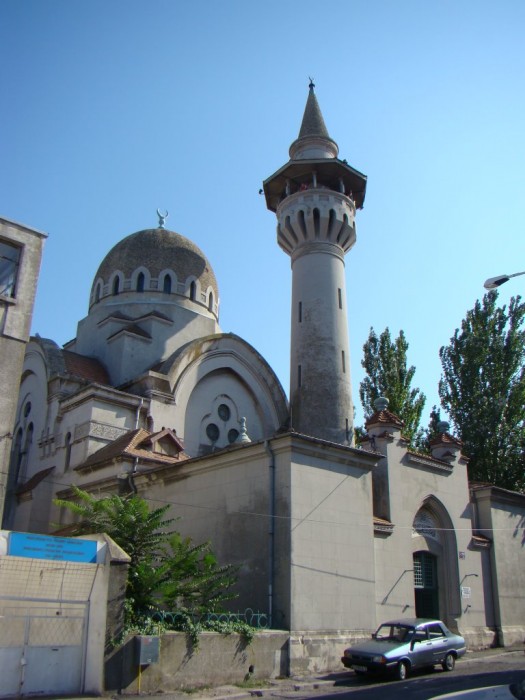
Constanta, Constanța County
Great Mosque of Constanța (Carol I Mosque)
Situata pe strada Arhieoiscopiei nr. 5 din municipiul Constanta; construita intre anii 1910 - 1912, mai poarta denumirea de "Moscheea Carol I"; planurile au...
40.8 km

Eforie, Constanța County
Eforie Nord
Situata in orasul Eforie, la 14 km de municipiul Constanta; amplasata la altitudinea de 6 - 20 m peste nivelul marii; statiune cu caracter permanent, are...
28.5 km

Mangalia, Transylvania
Saturn Resort
Localitate componentă a municipiului Mangalia, județul Constanța, România
1.9 km
Cultural life and traditions
Events in the Callatis Fortress in Mangalia area
Medieval festivals, traditional fairs, concerts and local activities recommended in Dobruja.

Traditions and Crafts

Constanta, County of Constanța
Days of Local Culture and Traditional Tourism
Open workshops featuring pottery, wood carving, and authentic folklore demonstrations by local artisans.
WHEN
May 15-17, 2026


Traditional Cuisine
Constanta, County of Constanța
The Fair of Traditional Products and Local Cuisine
Traditional products, aged cheeses, mountain honey and local delicacies prepared according to ancient recipes.
WHEN
Every weekend

Culture and Photography
Constanta, County of Constanța
Themed and Photographic Guided Tour of Cultural Heritage
A guided tour designed for history buffs, nature lovers, and photography enthusiasts, showcasing the most spectacular views in the area.
WHEN
Daily schedule available upon request
On foot, exploration gains depth
Discover the surroundings and local geography
Explore the trails, terrain, and natural landmarks around Callatis Fortress in Mangalia.

Guides and practical tips
Useful travel articles
Travel guides, practical recommendations and tourist itineraries for Dobruja.

Tourist guide
Top 5 Atracții Turistice și Trasee Montane în Zona Moieciu - Bran
Descoperă cele mai spectaculoase peisaje carstice, chei adânci și cetăți medievale din imediata apropiere a stațiunii Moieciu.

Tourist guide
Ghid de Drumeție: Traseul Moieciu de Sus spre Platoul Bucegi
Un itinerariu montan de o frumusețe rară ce urcă din Valea Băngăleasa spre Poiana Guțanu și crestele maiestuoase ale Bucegilor.

Tourist guide
Castelul Bran: Istorie, Legende și Secrete Medievale
Află adevărata poveste a fortăreței medievale din Pasul Bran, reședința de suflet a Reginei Maria a României.
THE JOURNEY STARTS WITH AN IDEA
The next story is on the way.
From the first stop to the last stay, make room for a new Romania.
