


MONUMENT · DOBRUJA
Costinești Resort

Constanta, Constanța County
Add location to your trip planner.
Practical access information

VISITING HOURS
Monday: 12:00 PM – 5:00 PM · Tuesday–Sunday: 9:00 AM – 5:00 PM (in summer until 8:00 PM)

TICKET PRICE
Adults: 45 RON · Students: 11 RON · Seniors: 23 RON · Guided tour included

RECOMMENDED VISIT DURATION
30-60 minutes
Sources and external references
Wikipedia Encyclopedia (EN)
Visitor information and guide
 Navigate with Google Maps

ABOUT COSTINEȘTI RESORT
A Symphony of Waves and History: Costinești, the Cultural Laboratory of Romania’s Coastline
When the breeze of the Black Sea meets the Dobrogean shore thirty-one kilometers south of Constanța, it reveals a landscape seemingly designed to capture the essence of contemporary European vacationing—yet layered with deep collective memory and the reverberations of the great historical movements that have swept across the continent. Costinești Resort is not merely a point on the map of Romania’s coastline; it is a true cultural phenomenon, a unique space where the recent history of Eastern Europe intertwines with the millennia-old roots of the Pontic Basin, the Mediterranean influences of maritime trade, and the aspirations of a nation in search of its tourist identity within a constantly evolving Europe. Established in 1949, during an era when the Black Sea coast became the playground of organized youth from the socialist bloc, Costinești has preserved, through decades of tumultuous political and economic transformations, a distinct and unmistakable aura: that of summer freedom, unbridled generational encounters, and an accessible bohemian spirit that aligns it more closely with the youthful resorts of the French Riviera, post-Yugoslav Croatia, or the Greek islands than with the rigid and exclusive classical resorts of Romania’s coastline. This complex heritage, combined with an exceptional underwater patrimony recognized at the European level and the therapeutic virtues of a unique microclimate, transforms Costinești into a living heritage site—a silent yet eloquent witness to Europe’s transition from totalitarianism to democracy and from a planned economy to a free market. Here, past and present coexist in a surprising harmony.
Ancient Roots and Connections to Europe’s Great Empires
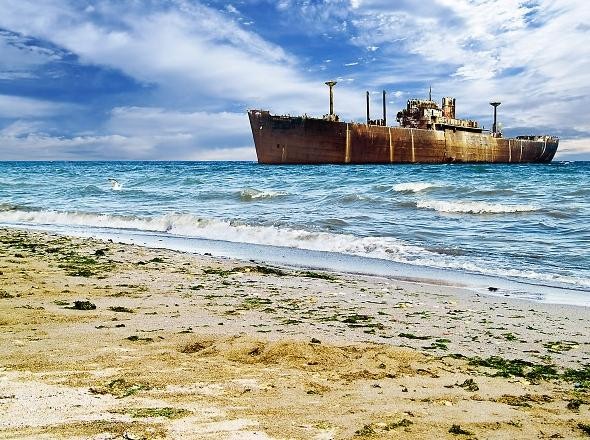
Although the urban development of the resort is a distinctly 20th-century phenomenon, the territory on which Costinești now stands bears the deep imprint of ancient civilizations that shaped the destiny of Southeastern Europe and left visible traces in the cultural landscape of Dobrogea. In antiquity, these shores were part of the Pontus Euxinus, the "hospitable sea" that linked the Greek colonies founded on the western coast of the Black Sea—Callatis, Dionysopolis, and Tomis—to the commercial empire of Byzantium and, later, to the vast Ottoman Empire, which controlled the maritime routes of the Black Sea for centuries. The presence of the Evanghelia wreck, a large Greek commercial vessel belonging to the legendary fleet of shipping magnate Aristotle Onassis, brings to the forefront a direct and fascinating link to the maritime history of the Mediterranean, the financial empire of 20th-century Greece, and the global trade networks that connected European ports to those in America. This ship, sunk in the deep waters of the Dobrogean coast under circumstances still shrouded in mystery, represents a fragment of the vast transport network that Onassis built between Mediterranean ports, those of the Black Sea, and the eastern coast of America—a testament to the industrial era of commercial navigation, comparable to the famous wrecks of Scapa Flow in Scotland or the historic waters of Malta. Thus, Costinești becomes an essential node in the network of European nautical heritage, offering professional and amateur divers, as well as historians specializing in underwater archaeology, a unique opportunity to explore a chapter of international commerce within a remarkably picturesque natural setting.
On the level of recent history, the resort represents a remarkable and well-preserved example of state-organized tourism from the communist era. Officially inaugurated in 1949 as the first pioneer camp on the entire Romanian coastline, at a time when Romania was firmly aligning itself with the Soviet bloc, Costinești occupies a distinct category among Eastern European destinations. It stands alongside the Soviet resorts developed on the shores of the Baltic Sea in Estonia, Latvia, and Lithuania, the Yugoslav resorts on the Croatian coast of the Adriatic, or the Polish resorts in the Kashubia region—all developed in the spirit of proletarian patriotic education and the organized leisure of workers and youth. The concept of the "Youth Resort," a title Costinești proudly retained even after the fall of the communist regime in December 1989, reflects a unique cultural continuity in the European landscape. While other Eastern European resorts underwent brutal privatization, abandonment, or radical transformation into luxury tourist complexes, Costinești managed to preserve its democratic, open, and inclusive identity. It has become a symbol of the peaceful transition to a market economy and European integration, drawing parallels with resorts like Bulgaria’s Sunny Beach, which underwent a similar transformation, or those in Slovenia and Montenegro, where socialist mass tourism was gradually converted into private and sustainable tourism while retaining the spirit of social accessibility and intercultural encounters that characterize the Black Sea coast.
Architecture, Monuments, and European Underwater Heritage
The visual landscape of the resort is authoritatively dominated by The Obelisk, an architectural monument that marks the entrance to Costinești and serves as an eloquent example of monumental architecture from the socialist period, when art was meant to express the power, progress, and unity of the people under the aegis of the state. Erected as a maritime navigation landmark and a symbol of the accelerated modernization of Romania’s coastline, this obelisk fits into a broader European tradition of vertical commemorative monuments—from Roman triumphal columns and Egyptian obelisks revived in 19th-century architecture to the modernist and brutalist monuments of the 1950s and 1960s in Eastern Europe, such as those in East Berlin, Warsaw, or socialist Bucharest. Its imposing structure, visible from the expanse of the beach and even from the open sea, functions both as an emblematic meeting point for tourists—a true "place of encounter" in the traditional sense of European public squares—and as a physical reminder of an era when the landscape was meant to speak of power and organization. Around this central monument, the resort’s architecture presents a fascinating mosaic of periods and styles: from the functionalist and austere constructions of the pioneer camp from the 1950s and 1960s, with their simple geometric forms, industrial materials like concrete and steel, and pastel colors, to the contemporary villas and hotels built after 1990, which reflect Mediterranean influences, modern trends in coastal design, and a desire to integrate into the international tourism circuit.
Beneath the crystalline surface of the Black Sea, the resort’s cultural heritage takes on a special and international dimension through the Evanghelia wreck. This ship, once part of Aristotle Onassis’s private commercial fleet, is today one of the most sought-after and best-preserved diving sites in all of Eastern Europe. It attracts thousands of underwater archaeology enthusiasts, underwater photographers, and adventurers from around the world annually—from the United Kingdom and Germany to the United States and Japan. The ship’s sinking, still shrouded in mystery and local legends ranging from technical causes to more elaborate theories, has over time created a unique marine ecosystem around it, transforming it into an extraordinary artificial reef that hosts remarkable biodiversity specific to the Black Sea. From the perspective of European cultural heritage, the wreck represents an essential bridge between the commercial history of modern Greece, the centuries-old tradition of Mediterranean navigation, and the development of adventure and sustainable tourism in the Black Sea basin—a rapidly expanding field that places Romania on the European map of premium diving destinations, alongside Croatia, Greece, Cyprus, and Portugal. The conservation of this internationally significant underwater site requires special protection and management measures, in accordance with UNESCO conventions on submerged cultural heritage and European directives on marine environment protection, highlighting Costinești’s strategic importance as a center for research, education, and specialized cultural tourism in the field of maritime archaeology.
Stories, Personalities, and Turning Points in European History
The history of Costinești is deeply marked by powerful personalities and pivotal historical moments that transformed this place from a simple organized leisure camp into a recognized cultural symbol of an entire nation and, more recently, of an open Europe. Aristotle Onassis, the Greek shipping and oil magnate, remains present in the collective memory of the place through the Evanghelia ship, whose story—from its construction in prestigious European shipyards to its tragic sinking in the waters of the Black Sea—brilliantly illustrates the commercial ambitions of a golden age of Mediterranean capitalism and the fragility of imperial dreams on the world’s open seas. This direct connection to the Hellenic world and the financial elite of Western Europe brings a cosmopolitan and Mediterranean dimension to the resort, linking it to the millennia-old tradition of Greek ports, the history of Europe’s great shipping dynasties, and the modern mythology of the ocean as a space of adventure and destiny.
On a local and national level, the resort’s evolution mirrors the major turning points of Romanian and European history in the 20th and early 21st centuries. The year 1949 marks the beginning of a distinct era in which Romania’s coastline was exclusively dedicated to the patriotic education and organized leisure of working-class youth, in the spirit of the socialist ideology common throughout the Soviet bloc and the Council for Mutual Economic Assistance (COMECON) member states. Successive generations of pioneers, young communists, and workers who stayed here, coming from all corners of the country, created a unique tradition of summer encounters that transcended rigid ideological boundaries, transforming the beach into a space of informal freedom, friendship, and self-discovery at a time when other forms of socialization were strictly controlled. After the Revolution of December 1989, the transition to a market economy and democracy brought a new era of local entrepreneurship and freedom of expression: entire families opened guesthouses in their old homes, campsites gradually modernized, and young people from across Europe—especially from Germany, Poland, the Czech Republic, Hungary, and the Nordic countries—began to discover Costinești as an alternative, less formal, and more authentic destination than the classic resorts of the French Riviera, the Amalfi Coast, or the crowded Greek islands. This process of mutual "discovery" was significantly accelerated by Romania’s accession to the European Union in 2007, when Western tourists began to see Costinești as a place of Balkan authenticity, where beachside sunsets, open-air concerts, and festival-like atmospheres evoke the free spirit of Woodstock or the Mediterranean festivals of the 1960s and 1970s—yet within a specifically Eastern European framework, rich in history and melancholy.
Thalassotherapy, Microclimate, and the Contemporary Visitor Experience
Costinești’s beach, stretching approximately one kilometer and strategically oriented to the east, offers exceptional therapeutic and climatic conditions that have been systematically utilized since the resort’s initial development and now represent a major asset in the European competition among seaside destinations. Its eastward orientation allows optimal exposure to the sun’s rays throughout the day, from dawn to late sunset—a rare geographical advantage on the European coastline that facilitates the practice of heliotherapy in a controlled, natural, and health-beneficial manner. The fine, golden sand, the constant breeze blowing from the open sea toward the shore, and the high concentration of saline aerosols—characteristic features of the Black Sea—create an ideal microclimate for thalassotherapy, a therapeutic discipline with deep roots in the European medical tradition of the late 18th and early 19th centuries. During this period, English doctors in Brighton and French physicians on the Riviera began systematically recommending sea baths, saline air inhalations, and marine mud for treating various chronic conditions. The marine aerosols, naturally rich in iodine, magnesium, calcium, and other essential minerals, have scientifically proven beneficial effects on the respiratory, circulatory, and immune systems, transforming every stay in Costinești into an authentic and profound wellness experience, comparable to those offered by renowned resorts on the French Atlantic coast, in Brittany, or at Spanish Mediterranean destinations.
For the contemporary visitor, arriving from any corner of Europe or the world, Costinești offers a diverse and rich range of experiences, from contemplative and tranquil to dynamic and social. Early in the morning, the beach becomes the ideal place for yoga, meditation, or tai chi, as the sea breeze brings coolness, oxygen, and vital energy. Throughout the day, sea enthusiasts can explore the Evanghelia wreck diving site, either through local professional diving schools that offer courses and guidance for all experience levels—from beginners to advanced—or through simple glass-bottom boat tours or tourist submarines to admire the mysterious silhouette of the sunken ship in the depths. In the evening, the area around The Obelisk becomes a vibrant social meeting point, where locals and tourists gather to admire the sunset, listen to live music, or participate in various seasonal cultural events, from music festivals to open-air film screenings. The resort’s excellent accessibility—located just 31 kilometers from the city of Constanța, with modern road and regular rail connections, as well as only a few kilometers from Mihail Kogălniceanu International Airport—makes it ideal for weekend getaways or longer stays. Its proximity to other cultural and natural attractions in Dobrogea, such as the therapeutic mud baths of Tuzla, the ancient ruins of the Callatis fortress in Mangalia, the Hagieni Forest Nature Reserve, or the resorts of Olimp, Neptun, and Venus, allows for the creation of complex and culturally rich tourist itineraries. Accommodation options are as diverse as the visitors themselves: from campsites set in nature, preserving the authentic spirit of "tent vacations" specific to past generations, to traditional Dobrogean guesthouses with region-specific architecture, modern villas with pools, and four-star hotels with full services. There are options for every budget and preference. Whether seeking the tranquility of a night under the starry Dobrogean sky in a beachside tent, the intimacy of an evening at a seaside terrace, or the comfort of an all-inclusive stay in a modern resort, Costinești remains an essential landmark on the map of European tourism at the Black Sea—a magical place where the recent history of a transforming Europe meets the present within a natural setting of unique and unpretentious beauty, offering visitors from around the world an authentic, accessible, profoundly human, and memorable experience.
Media gallery
Discover Costinești Resort in pictures

8 photos · Architecture, courtyards and captivating details
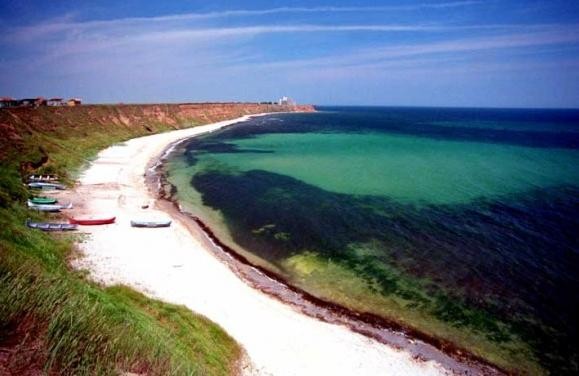
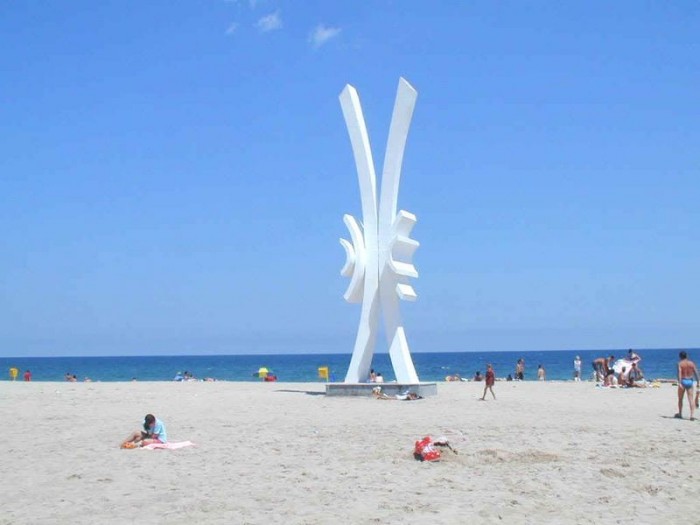


Image source: Wikimedia Commons · Public domain photos · Free license
STAY A FEW DAYS, DISCOVER THE MAGIC
Accommodation in the Costinești Resort area

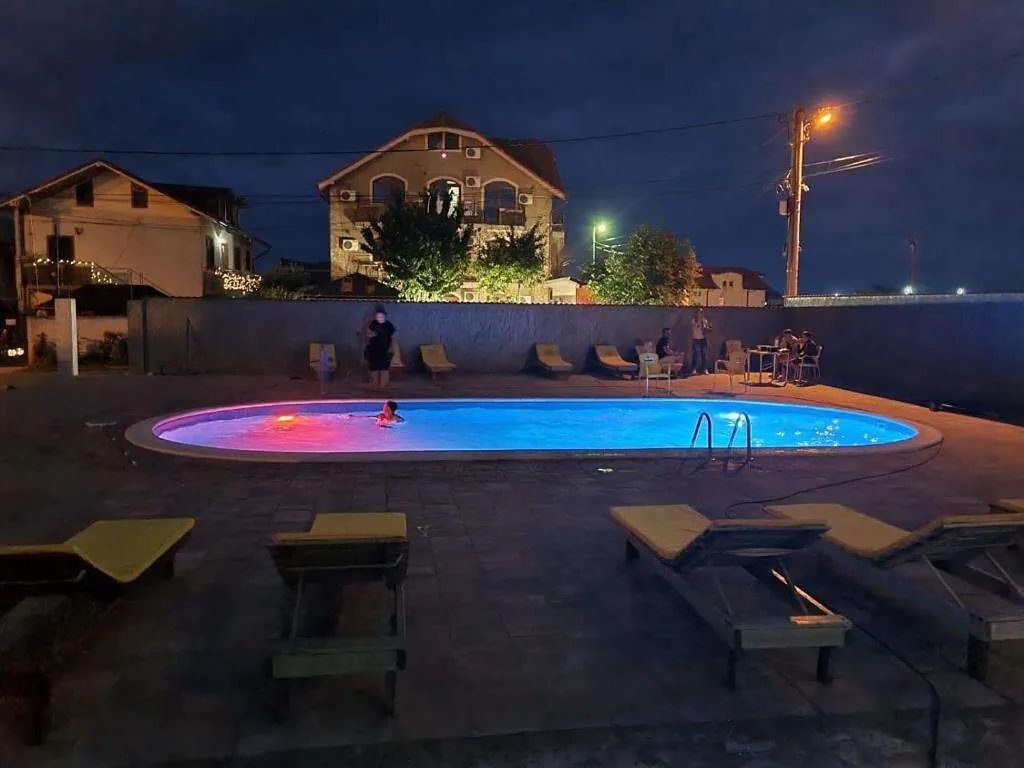
Guesthouse · 3 stars

Costineşti, Constanța County · 0.2 km
Vila Duly Costinești
Cu o vatră de foc în aer liber și un ceaun pentru gătit, Vila Duly din Costinești vă oferă momente autentice sub cerul deschis, într-un cadru natural plăcut. Vila Duly Costinești, o pensiune turistică de trei stele situată în stațiunea Costinești, județul Constanța, pune la dispoziția dumneavoastră opt camere confortabile și plăcut amenajate. Unele dintre acestea beneficiază de aer condiționat, iar accesul la Wi-Fi este gratuit în întreaga unitate. În incintă găsiți cafenea și bar, iar curtea mare cu grădină amenajată include foișor, terasă la soare și parcare pentru biciclete. Pentru bagaje există un depozit special, iar animalele de companie sunt acceptate gratuit. Pentru serile răcoroase aveți la dispoziție șemineu în aer liber, iar pentru preparate tradiționale puteți folosi grătarul sau barbeque-ul din curte. De asemenea, aveți la dispoziție fier de călcat și puteți beneficia de servicii wellness. Personalul vorbește română, engleză și rusă. În apropiere puteți vizita stațiunea Costinești, localitatea Costinești, stațiunea Olimp, Olimp și Neptun. Este alegerea potrivită pentru cei care doresc o ședere relaxantă pe litoralul românesc, cu facilități variate pentru petrecerea timpului în aer liber și acces rapid către principalele stațiuni de pe coastă.
FROM
240 lei per night

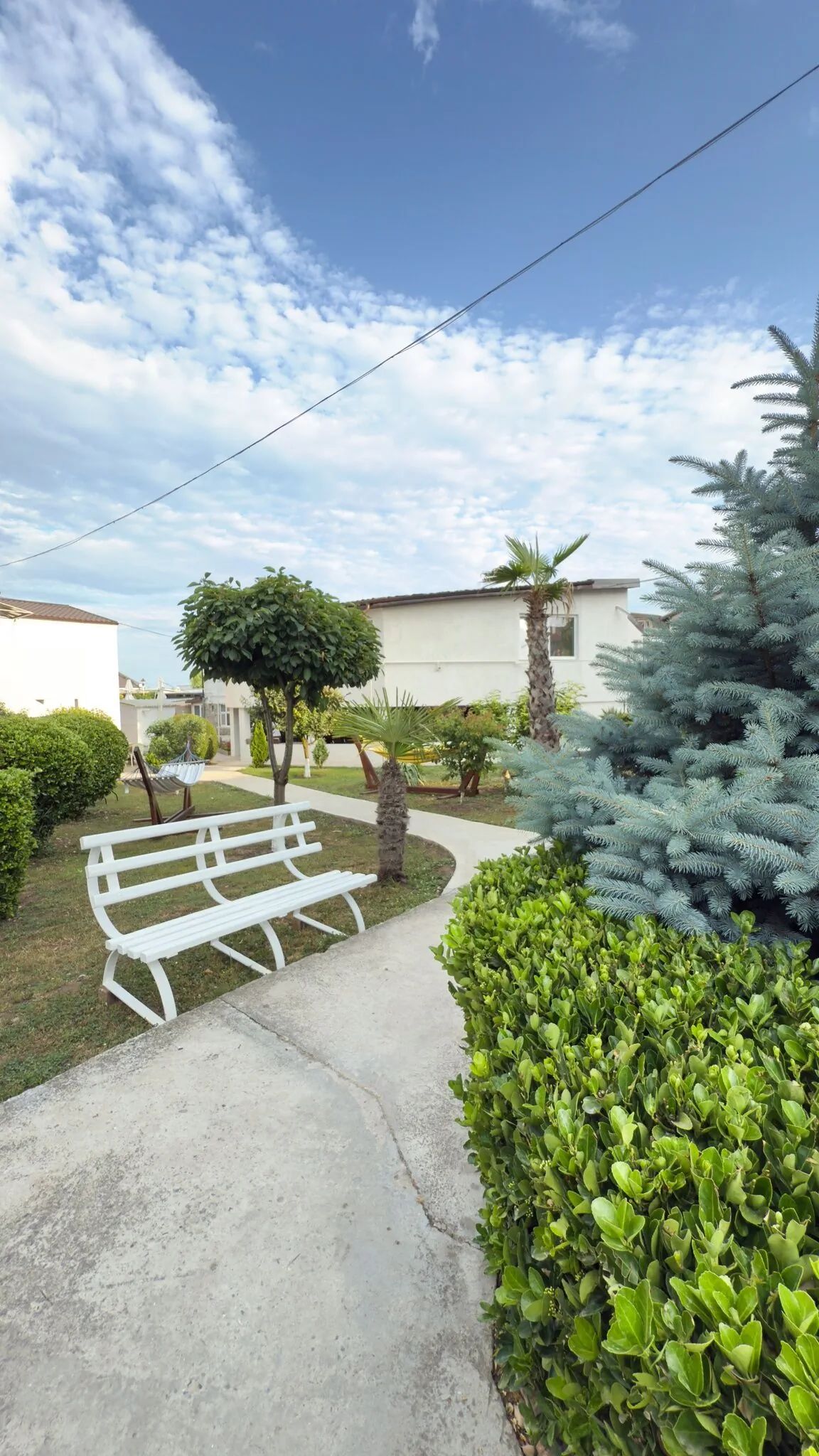
Holiday resort · 2 stars
Costineşti, Constanța County · 0.2 km
Complex Minerva Costineşti
Complex Minerva Costinești este un complex turistic clasificat cu 2 stele, situat în localitatea Costinești din județul Constanța. Proprietatea pune la dispoziția dumneavoastră 70 de camere, oferind un cadru potrivit pentru sejurul dumneavoastră pe litoral. Facilitățile includ Wi-Fi gratuit disponibil în întreaga unitate, parcare privată gratuită și acces facilitat pentru persoanele cu dizabilități. Curtea mare și grădina amenajată reprezintă un spațiu generos pentru relaxare în aer liber, completat de un foișor și de o zonă echipată pentru grătar sau barbeque. De asemenea, în incintă funcționează un restaurant unde puteți servi masa fără a părăsi proprietatea. În apropiere se află stațiunea Costinești, localitatea Costinești, Olimp, Neptun și Stațiunea Olimp. Aceste obiective turistice vă oferă posibilitatea de a explora mai multe destinații din zonă. Pentru confortul dumneavoastră, animalele de companie sunt binevenite contra cost, iar personalul complexului vorbește atât limba română, cât și limba engleză. Ziua de cazare începe la ora 14:00 și se încheie la ora 10:00. Vă așteptăm la Complex Minerva Costinești.
FROM
360 lei per night
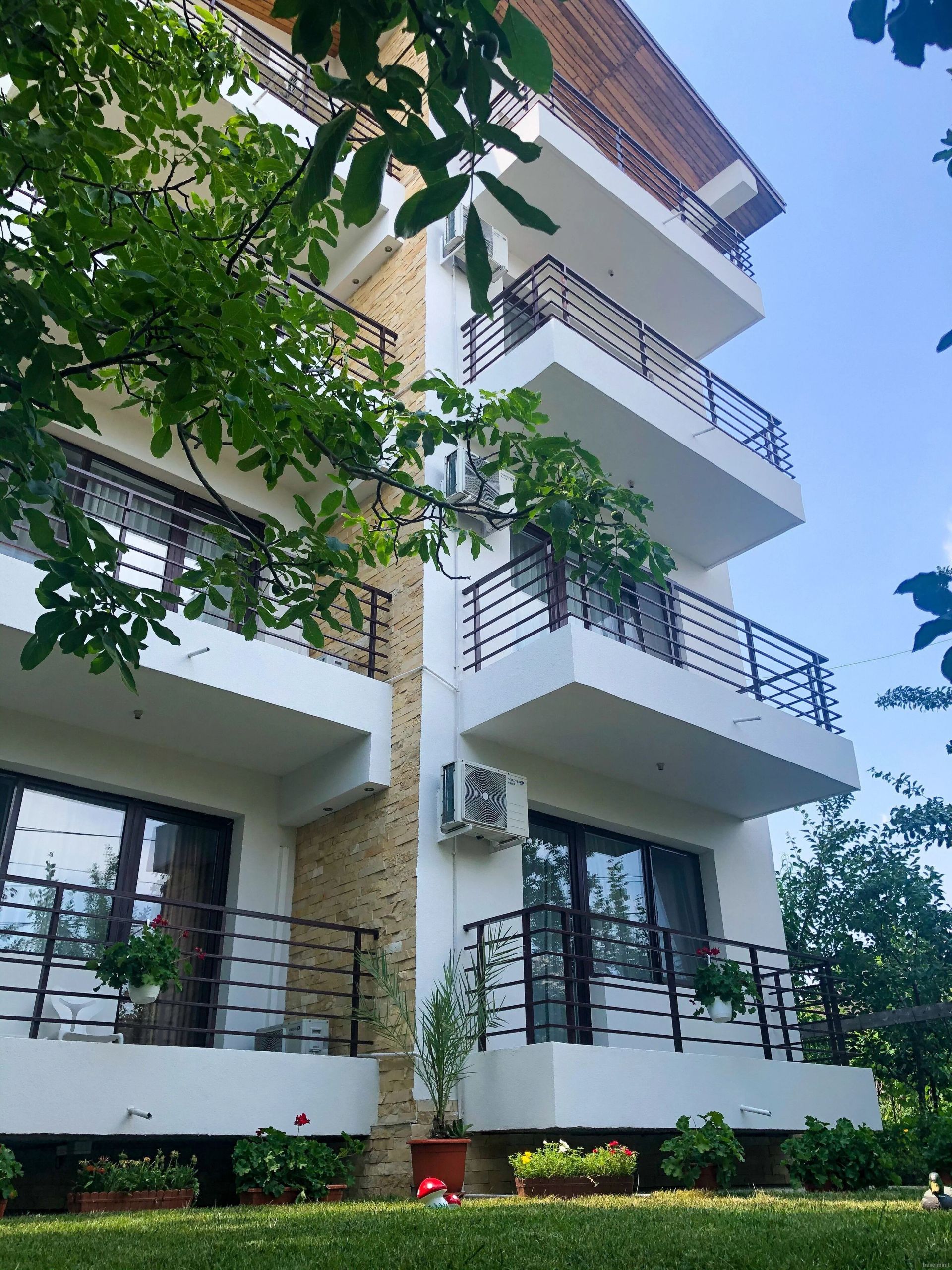
Holiday villa · 3 stars
Costineşti, Constanța County · 0.3 km
Vila Anastasia Costinești
Comfort, relaxation and stunning views, all just steps away from the main attractions.
FROM
280 lei per night
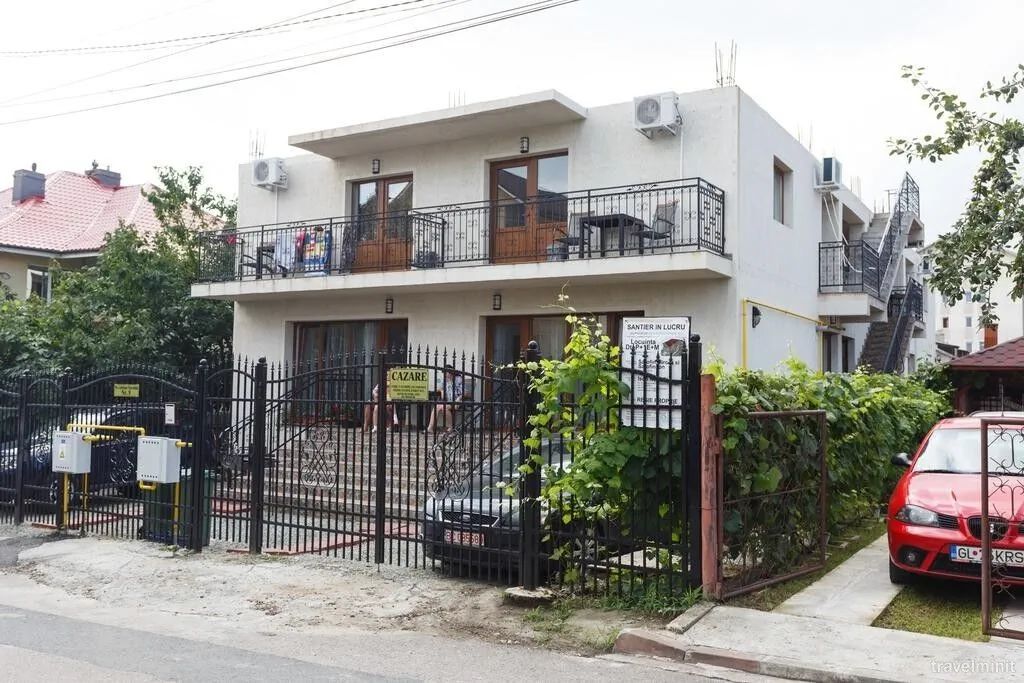
Holiday villa · 3 stars
Costineşti, Constanța County · 0.4 km
Casa Sarofin Costinești
Pe strada Catedrala Tineretului din Costinești se află Casa Sarofin, o vilă turistică clasificată cu trei stele, care oferă o atmosferă liniștită și primitoare pentru un sejur pe litoralul românesc. Unitatea dispune de camere confortabile și plăcut amenajate, unele dintre ele fiind dotate cu aer condiționat pentru zilele călduroase de vară. Beneficiați de acces gratuit la internet Wi-Fi în întreaga proprietate și aveți la dispoziție un spațiu de depozitare pentru bagaje. Dacă veniți însoțiți de animalul de companie, acesta este binevenit gratuit, cu mențiunea că se acceptă maximum un animal. În exterior, curtea mare și grădina amenajată vă invită să vă relaxați sau să organizați mese cu prietenii la grătar. Aveți posibilitatea de a practica pescuitul în apropiere, iar accesul persoanelor cu dizabilități este asigurat în întreaga unitate. Locația este avantajoasă pentru explorarea zonei, fiind situată în apropierea Stațiunii Costinești și a localității Costinești. De asemenea, stațiunile Olimp și Neptun se află în vecinătate, oferind oportunități suplimentare de distracție și relaxare. Vă așteptăm cu drag la Casa Sarofin Costinești.
FROM
280 lei per night
Guesthouse · 3 stars
Costineşti, Constanța County · 0.4 km
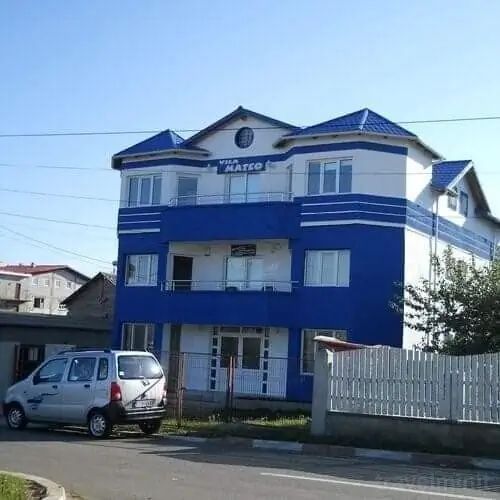
Pensiunea Mateo Costinești
În Stațiunea Costinești vă așteaptă zile pline de soare și relaxare la malul Mării Negre, iar Pensiunea Mateo, o pensiune turistică de 3 stele situată în localitatea Costinești din județul Constanța, reprezintă punctul dumneavoastră de plecare pentru a descoperi această destinație de pe litoral. Pensiunea dispune de 18 camere mobilate cu gust, iar unele dintre acestea sunt dotate cu aer condiționat pentru confortul dumneavoastră pe timpul verii. Aveți acces la Wi-Fi gratuit în toate spațiile unității, iar dacă doriți să călătoriți împreună cu prietenul necuvântător, accesul cu animale de companie este permis gratuit, cu limita de un animal. În exterior, curtea mare și grădina amenajată constituie un spațiu generos în care vă puteți petrece timpul liber în aer liber. Pentru mese organizate în acest cadru, aveți la dispoziție grătar, barbeque și ceaun pentru gătit. De asemenea, aveți la dispoziție un depozit pentru bagaje și acces facilitat pentru persoanele cu dizabilități, astfel încât șederea dumneavoastră să fie cât mai confortabilă. Vă așteptăm la Pensiunea Mateo pentru a porni apoi în explorarea stațiunii Olimp.
FROM
240 lei per night
Guesthouse · 3 stars
Costineşti, Constanța County · 0.4 km
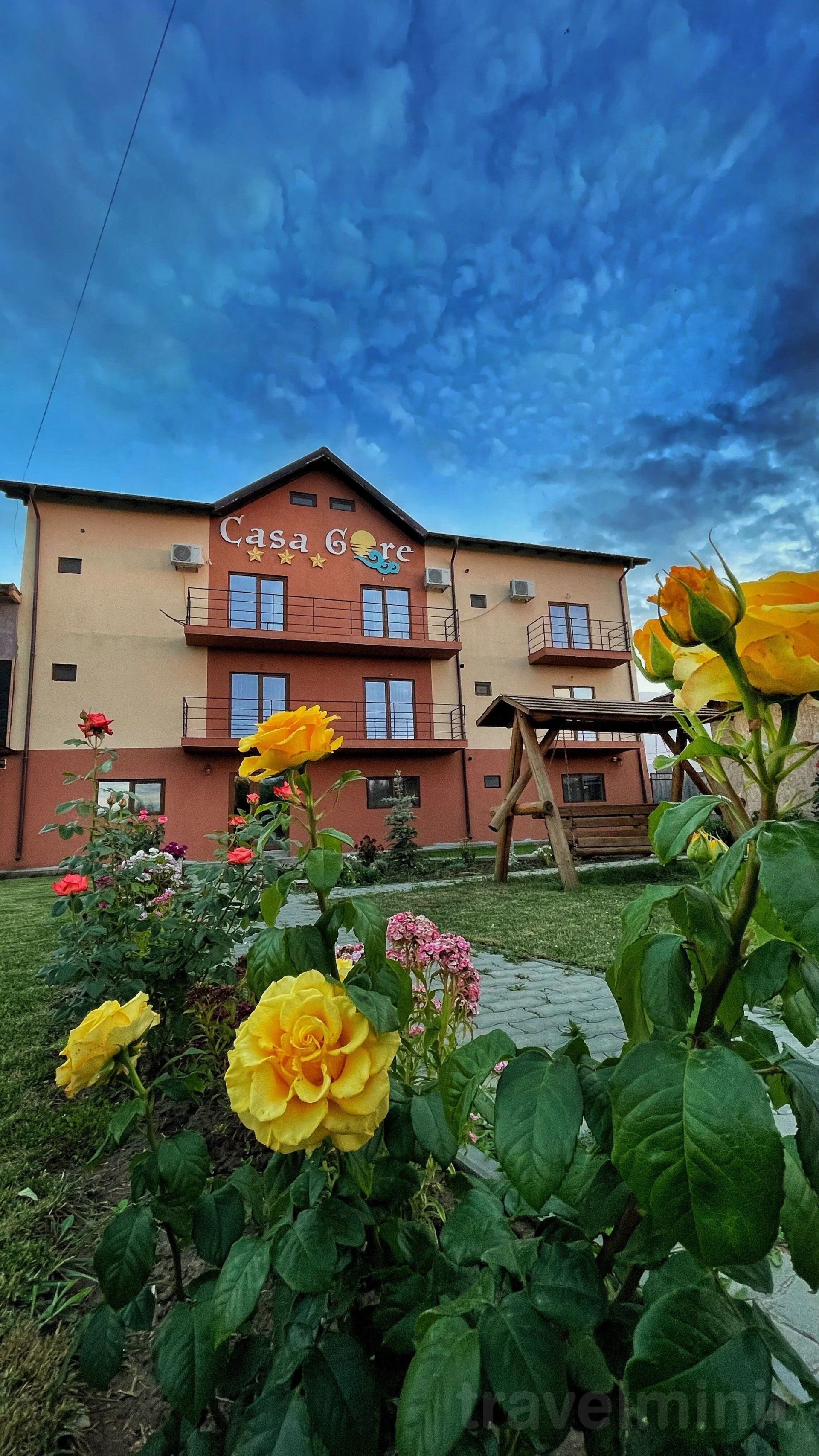
Casa Gore Costinești
Comfort, relaxation and stunning views, all just steps away from the main attractions.
FROM
240 lei per night
BEFORE YOU HIT THE ROAD
Weather conditions in Constanta
Local forecast for Costinești Resort, Constanta, Constanța

Real-time updated weather data
Much more to explore in this area
Nearby tourist attractions


Constanta, Constanța County
Mamaia resort.
Situata la nord de municipiul Constanta, intre Marea Neagra si Lacul Siutghiol; cartier al municipiului Constanta, are foarte putini locuitori, dar este...
29.1 km
Constanta, Constanța County
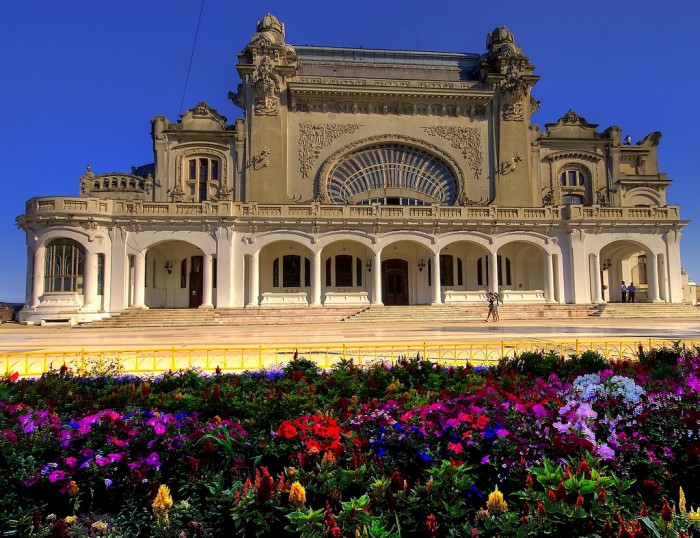
The casino in Constanta.
Situat pe bulevardul Elisabeta, nr. 2, municipiul Constanta; in trecut, in aceasi locatie era amplasata o "cazina" (1880 - 1902) - constructie din lemn unde se...
24.6 km
Constanta, Constanța County
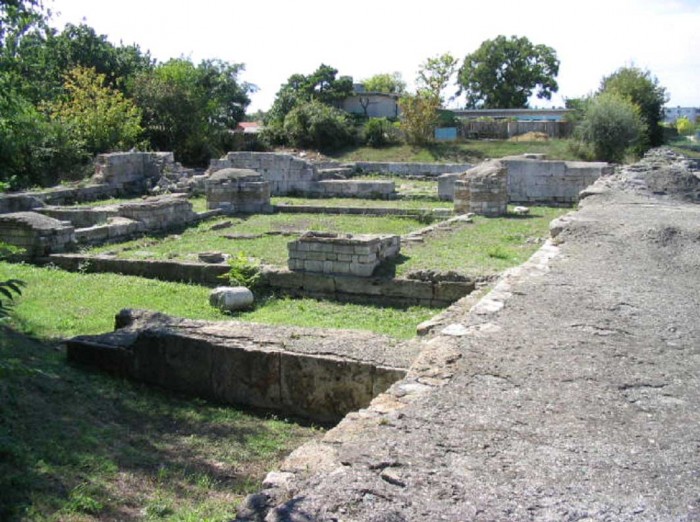
Callatis Fortress in Mangalia
Situata pe teritoriul municipiului Mangalia, intre Sanatoriul balnear, Casa de Cultura, strada Constantei, Geamie si intrarea in portul comercial; intemeiata...
16.0 km
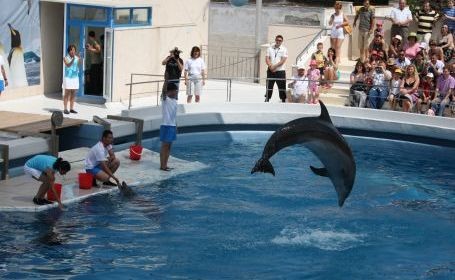
Constanta, Constanța County
Natural Sciences Museum Complex in Constanța
Situat pe bulevardul Mamaia, nr.255, municipiul Constanta; la inceputul existentei a fost format din sectii individuale, unite sub denumirea "Complexul muzeal...
28.6 km

Constanța, Constanța County
Mamaia
Localitate componentă a municipiului Constanța, județul Constanța, România
33.0 km

Mangalia, Transylvania
Olimp Resort
Localitate componentă a municipiului Mangalia, județul Constanța, România
7.7 km

Mangalia, Transylvania
Neptun Resort
Localitate componentă a municipiului Mangalia, județul Constanța, România
9.6 km

22.6 km
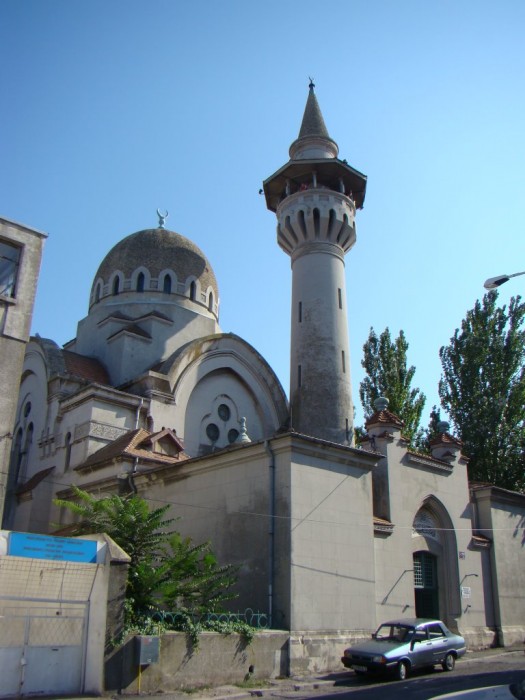
Constanta, Constanța County
Great Mosque of Constanța (Carol I Mosque)
Situata pe strada Arhieoiscopiei nr. 5 din municipiul Constanta; construita intre anii 1910 - 1912, mai poarta denumirea de "Moscheea Carol I"; planurile au...
24.9 km
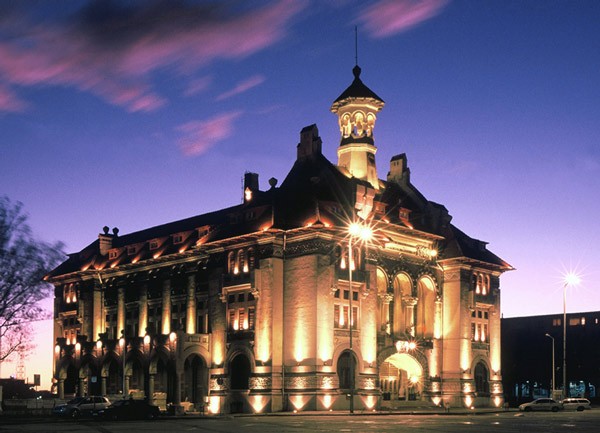
Constanta, Constanța County
National Museum of History and Archaeology in Constanța
Situat in Piata Ovidiu, nr. 12, municipiul Constanta; infiintat in anul 1878, cu ajutorul lui Remus Opreanu; la inceput a functionat in cladirea prefecturii si...
25.0 km

Eforie, Constanța County
Eforie Nord
Situata in orasul Eforie, la 14 km de municipiul Constanta; amplasata la altitudinea de 6 - 20 m peste nivelul marii; statiune cu caracter permanent, are...
12.7 km

Mangalia, Transylvania
Saturn Resort
Localitate componentă a municipiului Mangalia, județul Constanța, România
14.2 km
Cultural life and traditions
Events in the Costinești Resort area
Medieval festivals, traditional fairs, concerts and local activities recommended in Dobruja.

Traditions and Crafts

Constanta, County of Constanța
Days of Local Culture and Traditional Tourism
Open workshops featuring pottery, wood carving, and authentic folklore demonstrations by local artisans.
WHEN
May 15-17, 2026


Traditional Cuisine
Constanta, County of Constanța
The Fair of Traditional Products and Local Cuisine
Traditional products, aged cheeses, mountain honey and local delicacies prepared according to ancient recipes.
WHEN
Every weekend

Culture and Photography
Constanta, County of Constanța
Themed and Photographic Guided Tour of Cultural Heritage
A guided tour designed for history buffs, nature lovers, and photography enthusiasts, showcasing the most spectacular views in the area.
WHEN
Daily schedule available upon request
On foot, exploration gains depth
Discover the surroundings and local geography
Explore the trails, terrain, and natural landmarks around Costinești Resort.

Guides and practical tips
Useful travel articles
Travel guides, practical recommendations and tourist itineraries for Dobruja.

Tourist guide
Top 5 Atracții Turistice și Trasee Montane în Zona Moieciu - Bran
Descoperă cele mai spectaculoase peisaje carstice, chei adânci și cetăți medievale din imediata apropiere a stațiunii Moieciu.

Tourist guide
Ghid de Drumeție: Traseul Moieciu de Sus spre Platoul Bucegi
Un itinerariu montan de o frumusețe rară ce urcă din Valea Băngăleasa spre Poiana Guțanu și crestele maiestuoase ale Bucegilor.

Tourist guide
Castelul Bran: Istorie, Legende și Secrete Medievale
Află adevărata poveste a fortăreței medievale din Pasul Bran, reședința de suflet a Reginei Maria a României.
THE JOURNEY STARTS WITH AN IDEA
The next story is on the way.
From the first stop to the last stay, make room for a new Romania.
