


TOURIST RESORT · TRANSYLVANIA
Olimp Resort

Mangalia, Transylvania
Add location to your trip planner.

Practical access information

VISITING HOURS
Monday: 12:00 PM – 5:00 PM · Tuesday–Sunday: 9:00 AM – 5:00 PM (in summer until 8:00 PM)

TICKET PRICE
Adults: 45 RON · Students: 11 RON · Seniors: 23 RON · Guided tour included

RECOMMENDED VISIT DURATION
30-60 minutes
Sources and external references
Wikipedia Encyclopedia (EN)
Visitor information and guide
 Navigate with Google Maps

ABOUT OLIMP RESORT
Captivating Introduction and Heritage Significance
On the shores of the Black Sea, where the salty breeze meets stretches of fine sand and the Dobrogea sky mirrors the calm waters, rises Olimp Resort, one of Romania’s most ambitious and fascinating urban experiments of the modern era. Its name, borrowed from the sacred mountain of Greek mythology, is not merely a tourist label but a declaration of intent: Olimp presents itself as a temple of relaxation, a place where the ancient ideal of physical and spiritual perfection meets the architectural modernity of the 20th century. Situated in a unique landscape between Mangalia, the oldest urban settlement on Romanian territory—founded by Greek colonists in the 6th century BCE—and the Saturn Resort, Olimp serves as a fascinating bridge between antiquity and contemporaneity, between mythology and reinforced concrete. Here, the historical verticality of the Callatis fortress, perched on a rocky promontory, starkly contrasts with the modernist horizontality of the resort, creating a visual dialogue between past and present.
The heritage significance of Olimp extends far beyond its status as a mere seaside resort. It stands as a testament to an era when European modernist architecture, influenced by the principles of CIAM (International Congresses of Modern Architecture) and the Athens Charter, was transposed into a specifically socialist context, creating a unique urban hybrid. Here, the accessible luxury of mass tourism, as conceived in the 1960s and 1970s across Eastern Europe, blends with the millennia-old cultural legacy of Dobrogea. The resort is not just a holiday destination but a monument to a nation’s ambition to build its own "Riviera," a space where the democratization of leisure—a principle promoted in both Western and socialist countries—takes concrete form in horizontal lines of concrete and glass. The name "Olimp" thus acquires an additional ideological dimension, evoking the "new man" of socialist society, capable of reaching Olympian heights through labor and organized rest.
Historical Roots and Major European Connections
The history of Olimp Resort is deeply rooted in the cultural stratigraphy of the Dobrogea coastline, a territory that has witnessed successive influences from the great European empires. In antiquity, the region was part of the Greek colony of Callatis, founded in the 6th century BCE, a vital commercial hub on the route between the Black Sea and the Mediterranean, where the god Dionysus was venerated and its own coins were minted with Hellenistic influences. Later, under Roman domination, the city became part of the province of Scythia Minor, and the open-air Roman theater, preserved to this day in Mangalia, bears witness to the continuity of urban civilization and the strategic importance of the area within the imperial network. During the Byzantine period and later under Ottoman rule, Dobrogea remained a meeting point between East and West, and Mangalia still preserves Romania’s oldest mosque, Esmahan Sultan, built in the 16th century by the daughter of Sultan Selim II.
However, the true genesis of Olimp Resort began in the socialist era of the 1960s, when the Romanian communist regime, inspired by Western European tourism development models and those of fraternal countries in the Eastern Bloc, decided to transform the coastline into a mass destination. The Neptun-Olimp project, conceived as an integrated urban ensemble, reflected the international trends of the time: in Spain, the Costa Brava and Costa del Sol experienced unprecedented expansion under Franco’s regime, transforming fishing villages into tourist megacities, while in Italy, Adriatic resorts like Rimini or Viareggio attracted millions of tourists from Central Europe. In the Soviet Bloc, resorts such as Albena and Golden Sands in Bulgaria, developed during the same period, or Opatija in Yugoslavia, represented similar models of state-organized, centrally planned tourism for the masses. Olimp was designed as a Romanian response to these phenomena, adapted to the specifics of the Black Sea and the ambition to create a "model resort" that could rival the most modern tourist complexes in Europe, from the French Riviera to the Soviet resorts of the Crimean coast.
The architecture of the resort bears the imprint of major European influences: from the functionalist modernism of the Bauhaus school to Le Corbusier’s vision of the "Radiant City" and the "machine for living," transposed here into hotels with horizontal lines and generous terraces. The concept of the "Golden Coast," launched during the Ceaușescu era, aimed to create infrastructure capable of hosting hundreds of thousands of tourists annually, reflecting the era’s obsession with centralized planning and urban efficiency—principles shared by both Soviet and Western architects of the time, from CIAM to groups like Team 10 or Archigram.
Architectural Masterpiece, Style, and Constructive Details
The architecture of Olimp Resort represents a distinct chapter in the history of European modernism applied to coastal tourism, a remarkable example of "socialist modernism" that blends Western functionalist principles with the economic and social realities of Eastern Europe. The hotel buildings, constructed primarily between 1967 and 1975, stand out for their clean geometric volumes, massive reinforced concrete structures, and an aesthetic that prioritizes access to panoramic views and the sea breeze. Hotels such as Amfiteatru, Panoramic, and Belvedere, with their elegant horizontal lines and facades open to the sea, reflect the influence of contemporary Mediterranean architecture as well as North American vacation resorts of the same period, such as those in Miami Beach or Acapulco.
The architectural style adopted is a tempered modernism, adapted to the specific climatic conditions of the Black Sea. Generous terraces, wide balconies, and ample glazed surfaces are designed to maximize sun exposure and offer tourists uninterrupted views of the marine horizon. At the same time, the use of reinforced concrete as the dominant material, often left exposed or covered with ceramic tiles in shades of white and blue, reflects both the aesthetic principles of the era and the need to build quickly and efficiently during a period of accelerated tourist expansion. The urban ensemble adheres to the principles of the Athens Charter: separation of pedestrian and vehicular traffic, creation of green spaces between buildings, planting of pine and acacia trees to stabilize the sand dunes—similar to reforestation projects on the French or Dutch coasts—and orientation of buildings along the east-west axis to optimize natural lighting.
Compared to Western resorts of the same era, such as those in Languedoc-Roussillon developed by Mission Racine in France or the Spanish Costa del Sol, Olimp presents a more sober, less decorative aesthetic, yet equally functional. While the West emphasized architectural "spectacle" and the individuality of each hotel, often designed by famous architects, Olimp prioritizes the unity of the ensemble and the efficiency of spatial organization. This approach reflects both the influence of Soviet architecture, with its emphasis on standardization and prefabrication, and the desire to create a democratic environment where access to the sea and facilities would be equal for all visitors, regardless of social status.
Stories, Legends, Personalities, and Turning Points
The construction of Olimp Resort, carried out between 1967 and 1975, was marked by the era’s characteristic enthusiasm for large infrastructure projects and the regime’s ambition to demonstrate Romania’s ability to meet international standards. The architects and urban planners involved in the project, working within state design institutes such as the Institute of Tourism Design, translated the vision of an "ideal resort" into a coastal landscape that had previously been relatively wild. The name "Olimp," chosen to evoke the sacred mountain of the gods and the Olympic ideal of excellence, reflected the aspiration for perfection in an era when tourism was considered a fundamental right of the citizen, not a luxury, and organized rest was presented as a tool for restoring the workforce to build socialism.
A turning point in the resort’s history was the 1989 Revolution, which marked the transition from state-organized tourism, managed through unions and rest homes, to free-market tourism. The hotels, previously administered by state enterprises such as ONT (National Tourism Office), underwent complex privatization processes, some being modernized and transformed into four-star units, while others remained in conservation or were repurposed for other functions. The 1990s brought a period of chaos and "wild privatization," during which many hotel structures were left to decay, while others were renovated with foreign investments, particularly from Turkey and Israel, countries with a tradition in coastal tourism.
Over the decades, Olimp has hosted a diverse range of personalities, from ordinary tourists to public figures in Romanian cultural and sporting life. The system of "treatment vouchers," through which workers received subsidized days of rest at the seaside, created a unique beach democracy in Eastern Europe, where teachers, engineers, and laborers shared the same sun loungers and restaurants. The therapeutic tradition of the area, however, is much older: as far back as antiquity, the thermal springs and sapropelic mud nearby were known for their curative properties, with Mangalia being considered a spa center since Roman times. In the 20th century, the Institute of Balneoclimatology in Mangalia developed treatments based on thalassotherapy, placing the resort within a broader European tradition of therapeutic seaside resorts, alongside Biarritz in France, La Baule in Brittany, or the German resorts on the Baltic and North Sea coasts.
Practical Visitor’s Guide and Today’s Tourist Experience
Visiting Olimp Resort today offers a complex experience that combines beach relaxation with the exploration of a millennia-old heritage. The resort is accessible via the European route E87, which connects Constanța to the Bulgarian border, and benefits from rail connections through Mangalia Station, located just a few kilometers away. For international tourists, Mihail Kogălniceanu Airport in Constanța, approximately 40 kilometers away, offers regular connections to major European capitals, while Mangalia Port allows cruise ships to dock.
The optimal period for visiting extends from late May to September, when the area’s specific microclimate offers mild temperatures and a constant sea breeze, cooler than in the southern resorts of the coastline. Olimp Beach, stretching for kilometers and divided into distinct sectors, stands out for its fine sand, brought by marine currents, and its shallow waters with a gentle slope, ideal for families with children. Compared to Mediterranean beaches, those at Olimp benefit from lower water salinity, closer to that of rivers, and a specific greenish-blue hue due to the shallow depth and sandy seabed, offering a gentler swimming experience.
The cultural experience of visitors is enhanced by the proximity to Mangalia, a true open-air museum. The ruins of the Callatis fortress reveal layers of a civilization that flourished for a millennium, from the Hellenistic period to the Byzantine era, offering fascinating parallels with other ancient sites in Europe, such as those in mainland Greece, southern Italy, or Asia Minor. The Roman theater, with a capacity of several thousand spectators, still hosts theater festivals and concerts today, resuming its original function after two millennia, while the Archaeology Museum displays unique artifacts such as the statue of the goddess Fortuna with the cornucopia. The Esmahan Sultan Mosque, the oldest in the country, and Lake Mangalia, the only natural freshwater lake on the Romanian coast, surrounded by vegetation specific to the Danube Delta and a habitat for pelicans, cormorants, and swans, complete a cultural circuit that places Olimp within a broader European context of multiethnic heritage and biodiversity.
For those interested in wellness, the resort offers access to Romanian thalassotherapy traditions, with treatments based on mineral-rich sapropelic mud and algae, chlorinated sodium mineral waters, and ionized air—a legacy of therapeutic practices rooted in Dobrogean folk medicine and part of the broader European tradition of spa resorts, alongside Karlovy Vary or Baden-Baden, but specialized in respiratory, rheumatic, and dermatological conditions. Restaurants in Olimp offer cuisine that reflects the Dobrogean specificity: fresh Black Sea fish, dishes influenced by Ottoman, Greek, and Tatar cuisines, such as pike-perch in tomato sauce or fish stew with polenta, providing an authentic gastronomic experience in an architectural setting that oscillates between the modernism of the 1970s and contemporary design trends. Whether seeking a family beach holiday, a spa treatment stay, or a cultural escape at the crossroads of the Black Sea and ancient history, Olimp remains an essential landmark of the Romanian coastline, a place where modernity meets the eternity of the sea and where every wave carries the echo of a complex European history.
Media gallery
Discover Olimp Resort in pictures

1 photos · Architecture, courtyards and captivating details

Image source: Wikimedia Commons · Public domain photos · Free license
STAY A FEW DAYS, DISCOVER THE MAGIC
Accommodation in the Olimp Resort area

Hotel · 3 stars

Olimp, Constanța County · 0.2 km
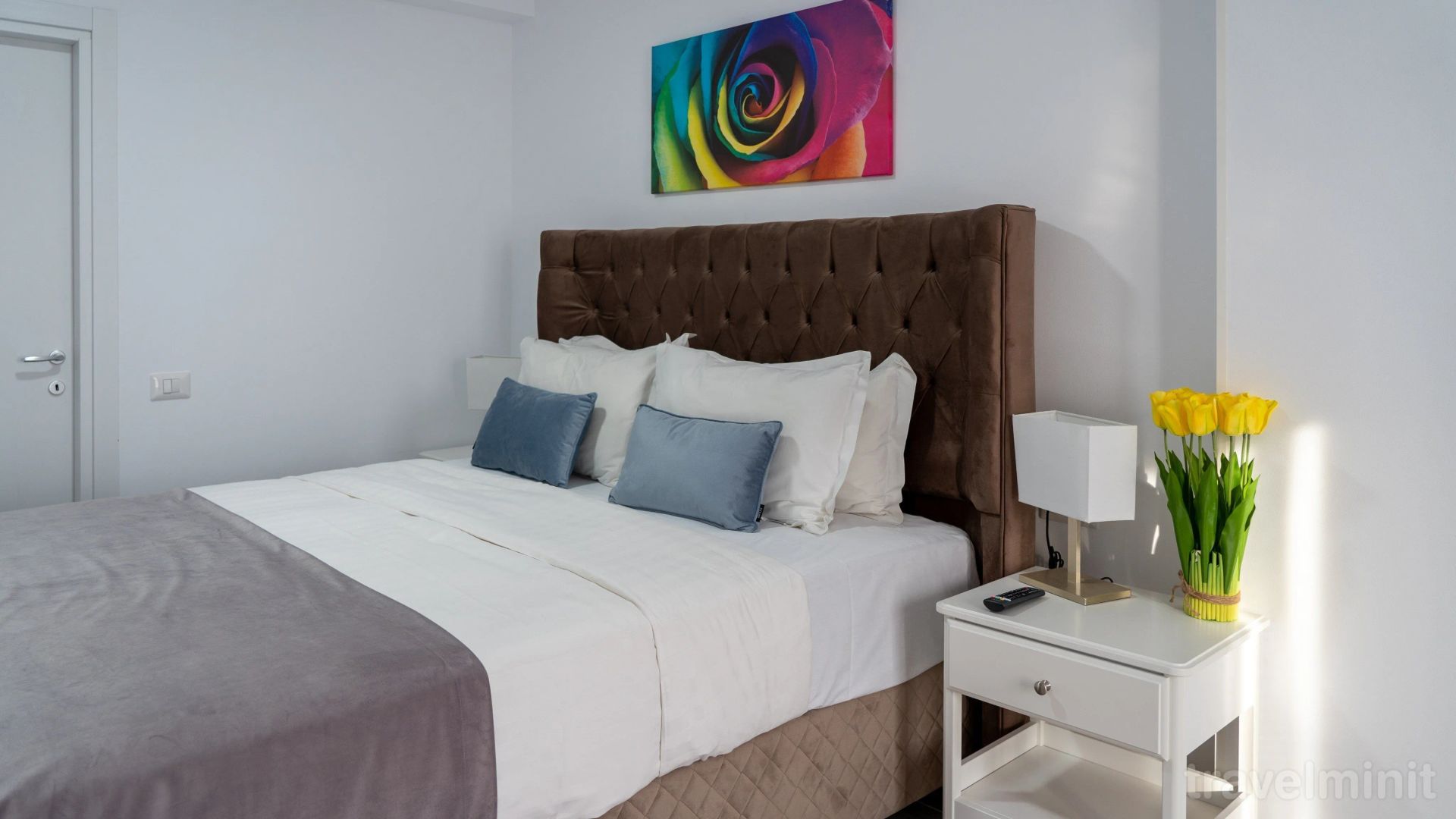
Sea View Apartments - Avenue Hotels Olimp
Sea View Apartments - Avenue Hotels Olimp este un hotel de 3 stele situat în localitatea Olimp din județul Constanța, pe strada Olimp numărul 4. Unitatea pune la dispoziția dumneavoastră facilități moderne care contribuie la confortul dumneavoastră: conexiune Wi-Fi gratuită disponibilă în întreaga incintă și parcare privată gratuită pentru vehiculul dumneavoastră. Vă puteți relaxa în aer liber într-o curte mare și într-o grădină amenajată cu grijă, într-un ambient potrivit pentru odihnă și liniște. Barul din incintă este disponibil pentru dumneavoastră în orice moment al zilei, iar la recepție personalul vorbește limbile română, engleză și spaniolă pentru a vă oferi toate informațiile necesare pe parcursul șederii. În apropiere aveți posibilitatea de a vizita Olimp, Neptun, Stațiunea Olimp, Stațiunea Neptun și Venus. Hotelul dispune de cinci camere mobilate cu gust, iar unele dintre acestea sunt prevăzute cu aer condiționat pentru un plus de confort. Unitatea oferă și servicii wellness pentru relaxarea dumneavoastră completă. Preluarea camerelor se poate face începând cu ora 00:00, iar ieșirea se efectuează până la ora 12:00. Vă așteptăm cu drag să vă petreceți vacanța în această locație.
FROM
290 lei per night

Apartment · 3 stars
Neptun, Constanța County · 0.2 km
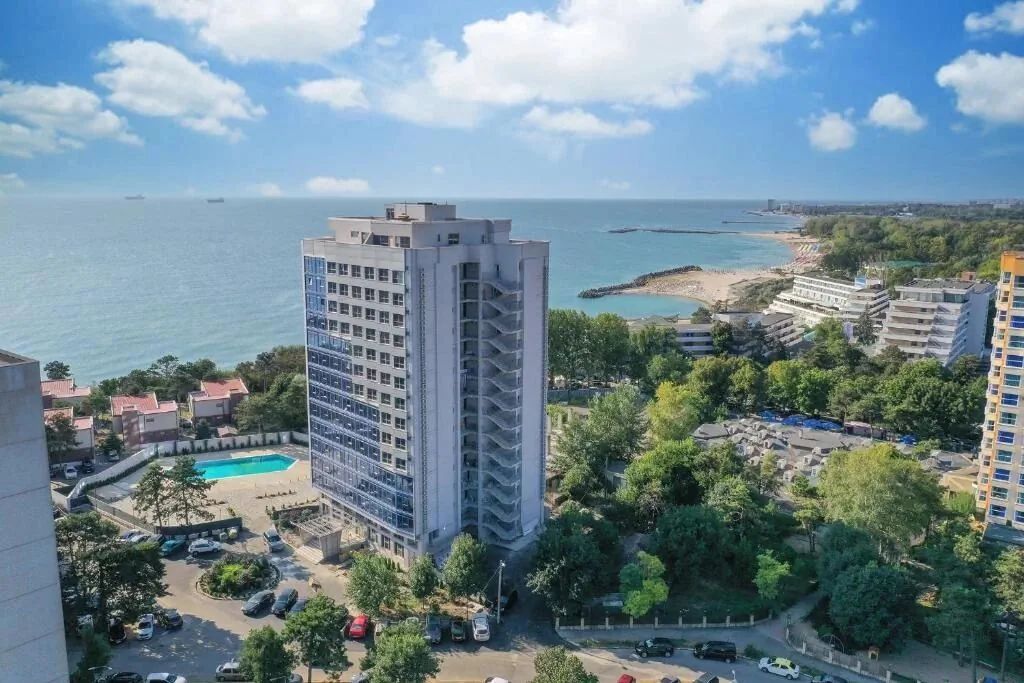
Sea View Apartments Neptun - Litoral
O zi petrecută la Sea View Apartments Neptun - Litoral începe cu accesul comod prin liftul modern și se prelungește cu momente de relaxare la piscină, într-un apartament situat în stațiunea Neptun din județul Constanța. Unitatea oferă apartamente recent renovate, dotate cu aer condiționat, televizor LCD și conexiune WiFi pentru confortul dumneavoastră. Bucătăria este complet echipată cu plită, hotă, frigider și fierbător electric, iar zona de luat masa completează funcționalitatea spațiului. Baia dispune de uscător de păr și cosmetice premium, în timp ce dormitorul cu pat matrimonial și canapeaua extensibilă din living asigură odihnă plăcută. Parcare privată gratuită este disponibilă în limita locurilor existente, iar accesul se face prin self check-in cu cod. În apropiere se află stațiunea Olimp, stațiunea Neptun, Olimp, Neptun și Venus, oferindu-vă posibilitatea de a explora cu ușurință aceste destinații de pe litoralul Mării Negre și de a vă bucura de atmosfera specifică fiecărei zone. Sea View Apartments Neptun - Litoral reprezintă alegerea potrivită pentru turiștii care doresc să descopere frumusețea stațiunilor de pe malul Mării Negre într-un mediu confortabil, bine poziționat și adaptat nevoilor dumneavoastră de vacanță.
FROM
230 lei per night
Holiday resort · 3 stars
Neptun, Constanța County · 0.3 km
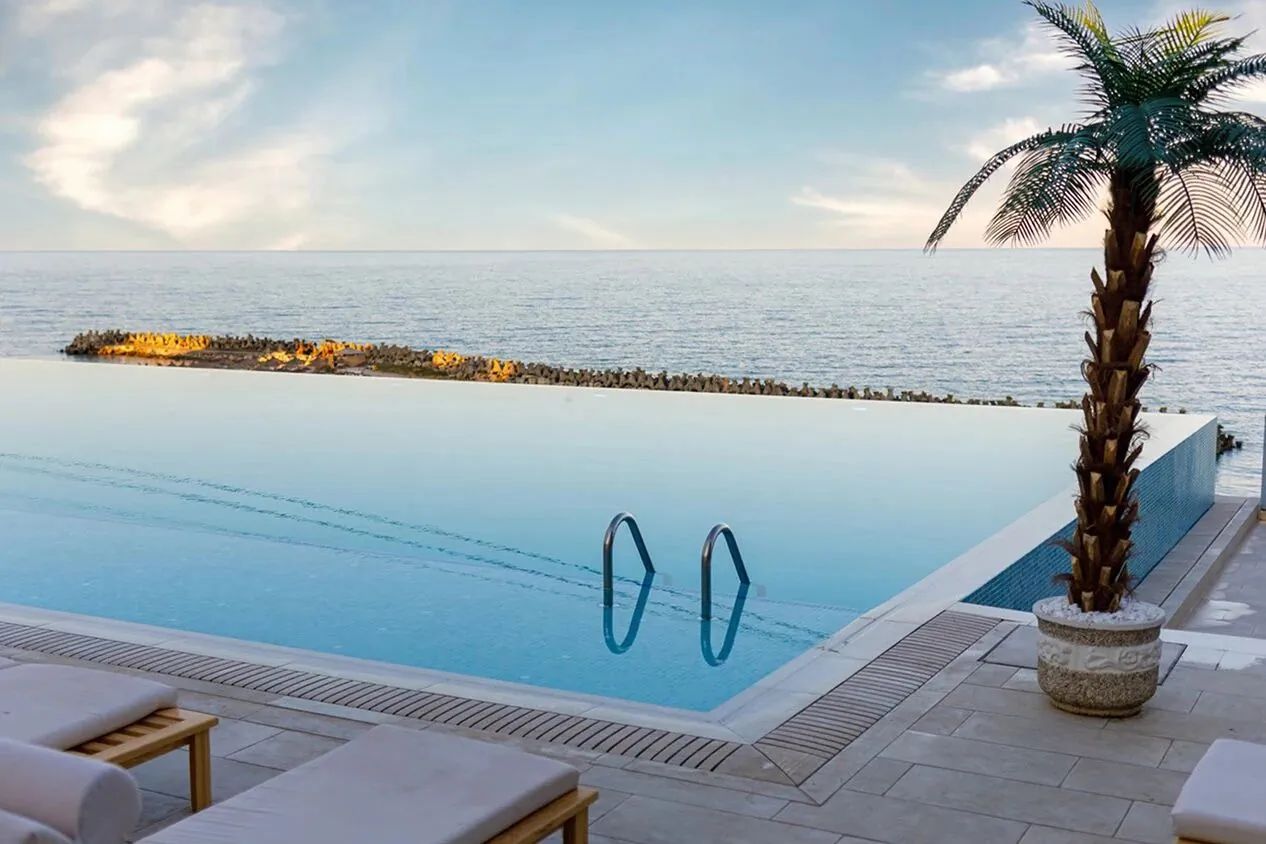
Hotel Muntenia - Steaua De Mare Olimp Resort Neptun - Litoral
Pe faleza din Neptun Olimp, în zona Complex Muntenia I3, se află Hotel Muntenia - Steaua De Mare Olimp Resort Neptun - Litoral, un complex turistic de trei stele din județul Constanța. Unitatea pune la dispoziție 210 camere modernizate, dotate cu televizor, minibar, Wi-Fi și aer condiționat. Baia include articole de toaleta și uscător de păr. Clădirea are 13 etaje deservite de lift, iar accesul este facilitat pentru persoanele cu dizabilități. Din camere se deschide o panoramă spre mare. În incintă funcționează un bar, iar minibarul din cameră este alimentat zilnic. Mesele se servesc la restaurantul hotelului Oltenia, în regim All Inclusive cu bufet suedez. Complexul dispune de o piscină infinity pentru adulți și de o piscină pentru copii cu ansamblu de topogane. De asemenea, există locuri de joacă interioare și exterioare pentru cei mici, cu programe de animație și diverse activități. Plaja privată se află în fața resortului, iar oaspeții beneficiază de șezlonguri și umbrele gratuite. În apropiere se pot vizita Olimp, Neptun, Stațiunea Olimp, Stațiunea Neptun și Venus. De asemenea, terenul de tenis este disponibil, iar parcarea este gratuită în limita disponibilităților. Vă așteptăm la Hotel Muntenia - Steaua De Mare Olimp Resort Neptun - Litoral.
FROM
360 lei per night
Holiday resort · 4 stars
Neptun, Constanța County · 0.4 km
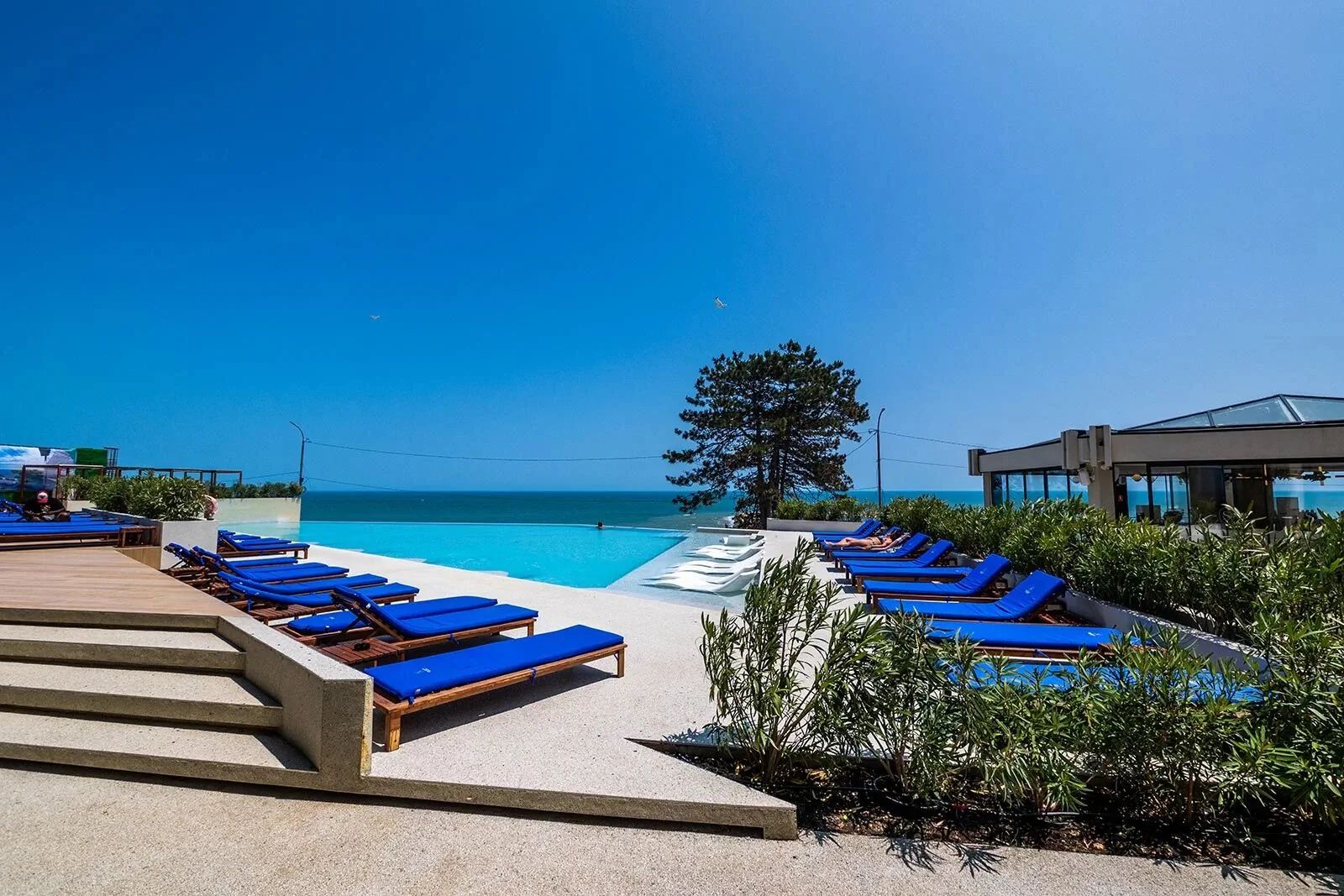
Hotel Oltenia - Steaua De Mare Olimp Resort Neptun - Litoral
Turnul înalt de pe faleza Olimpului, cu scările de acces spre plaja centrală chiar în fața intrării, găzduiește Hotel Oltenia - Steaua de Mare Olimp Resort din Neptun, județul Constanța. Clădirea se ridică pe faleza înaltă a stațiunii Olimp, la doar câțiva pași de plajă. Peste 200 de camere, suite și apartamente modernizate în stil contemporan vă așteaptă cu sisteme de răcire și încălzire, televizoare smart, espressoare de cafea și minibar. Restaurantul amplasat deasupra falezei oferă priveliști panoramice asupra mării, iar lobby barul servește băuturi zilnic. Terasele și amplele spații deschise completează atmosfera relaxată a resortului. Pentru relaxare, aveți la dispoziție o piscină exterioară încălzită de tip infinity și o plajă privată amenajată chiar în fața hotelului. Copiii se pot distra la locul de joacă interior sau exterior, iar recepția funcționează non-stop, oferind WiFi gratuit și ascensor pentru deplasare confortabilă între etaje. În împrejurimi puteți explora stațiunea Olimp, stațiunea Neptun, puteți vizita Olimp, Neptun sau Venus. Parcarea privată se oferă gratuit, în limita disponibilităților, la adresa Strada Olimp nr. 8, Neptun.
FROM
490 lei per night
Hotel · 3 stars
Olimp, Constanța County · 0.6 km
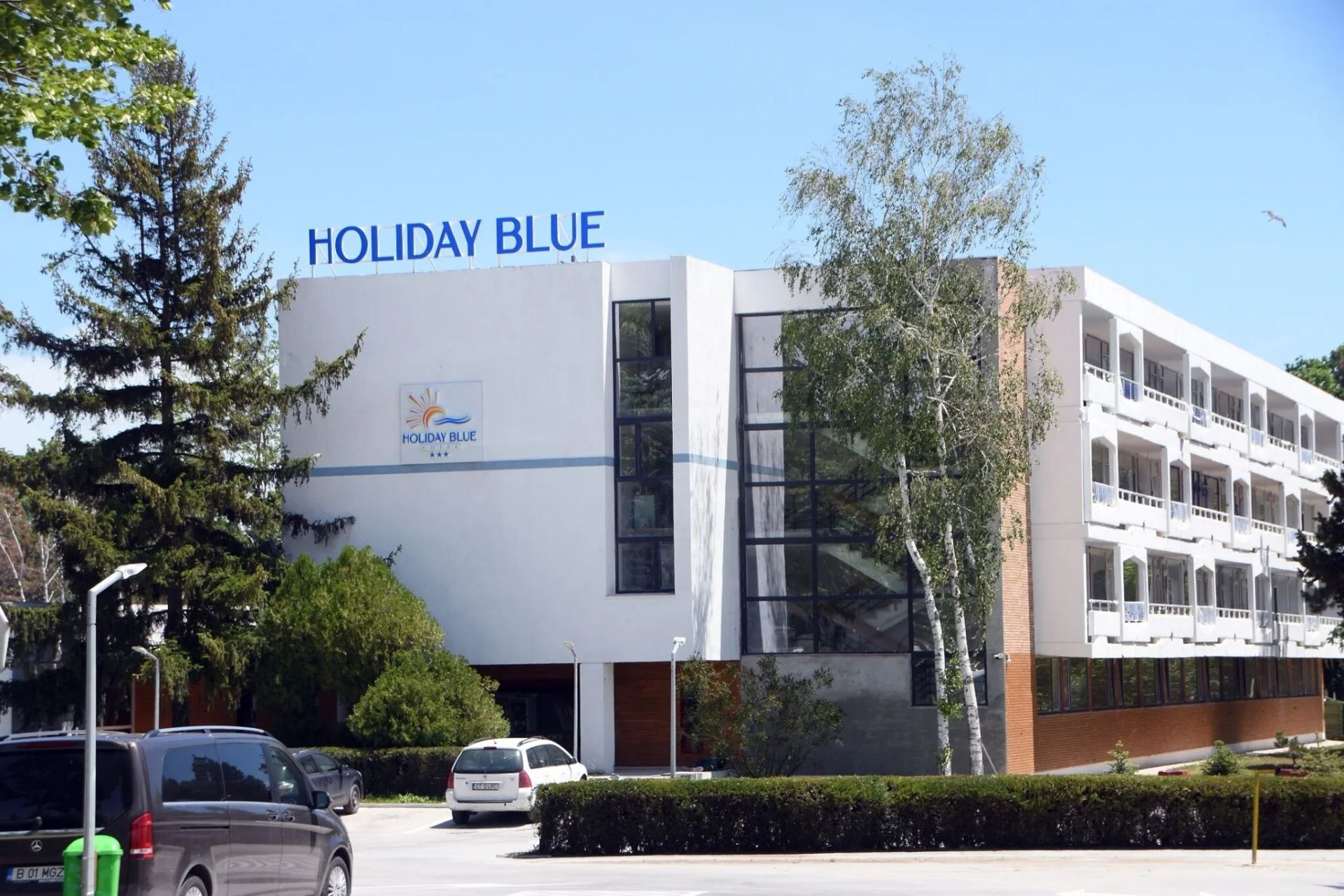
Hotel Holiday Blue Neptun Olimp
Pe strada Trandafirilor din stațiunea Olimp, într-o zonă liniștită a localității, se află Hotel Holiday Blue Neptun Olimp. Acest hotel de trei stele vă oferă condiții moderne de cazare și un ambient plăcut pentru vacanța dumneavoastră la malul Mării Negre, într-un cadru primitor. În incintă găsiți restaurant, bar și cafenea, iar serviciile de masaj vă ajută să vă relaxați după o zi petrecută în aer liber. Meniurile pentru diete speciale și cele pentru copii asigură opțiuni potrivite pentru toate gusturile și nevoile dumneavoastră. Beneficiați de Wi-Fi gratuit în întreaga unitate, parcare privată gratuită și puteți lăsa bagajele în siguranță la recepție. Familiile cu copii se vor bucura de locul de joacă amenajat în aer liber, de scaunele înalte disponibile la masă și de pătuțurile pentru bebeluși. Curtea mare și grădina îngrijită reprezintă un spațiu generos unde puteți savura momente de liniște și relaxare împreună cu cei dragi. În apropiere puteți explora stațiunea Olimp, stațiunea Neptun, Venus, precum și localitățile Olimp și Neptun, oferindu-vă numeroase posibilități de a descoperi atracțiile zonei. Vă așteptăm cu drag la Hotel Holiday Blue Neptun Olimp pentru un sejur plăcut.
FROM
290 lei per night
Hotel · 3 stars
Neptun, Constanța County · 1.4 km
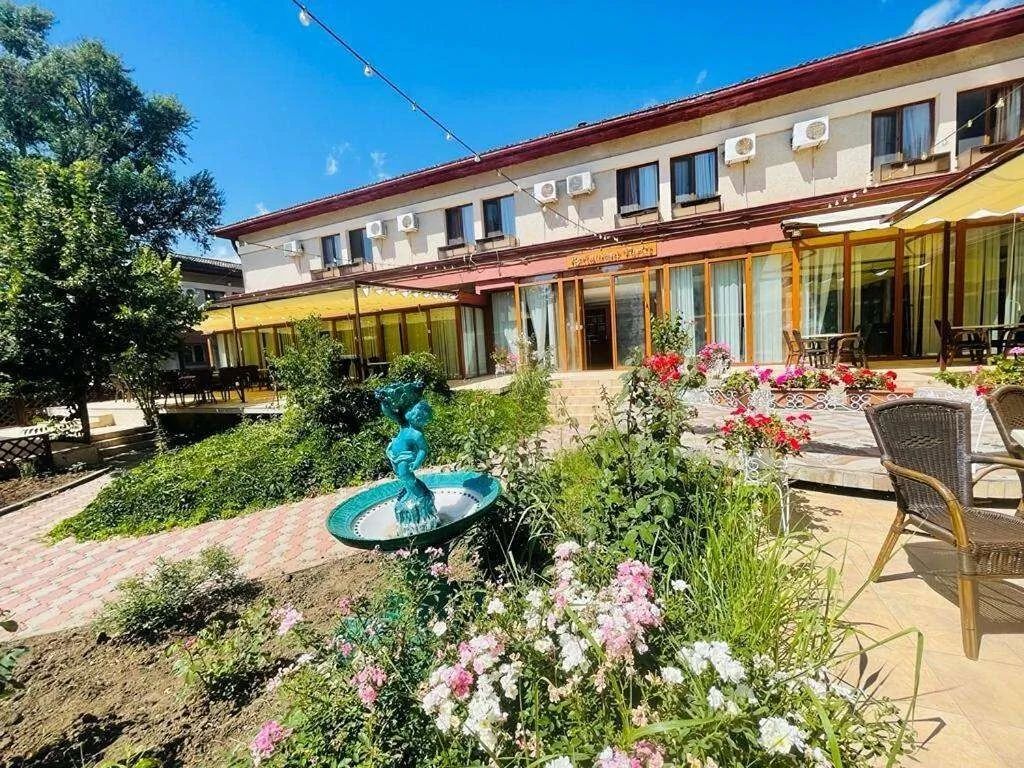
Hotel Turist Neptun
Comfort, relaxation and stunning views, all just steps away from the main attractions.
FROM
290 lei per night
BEFORE YOU HIT THE ROAD
Weather conditions in Mangalia
Local forecast for Olimp Resort, Mangalia, România

Real-time updated weather data
Much more to explore in this area
Nearby tourist attractions


Constanta, Constanța County
Mamaia resort.
Situata la nord de municipiul Constanta, intre Marea Neagra si Lacul Siutghiol; cartier al municipiului Constanta, are foarte putini locuitori, dar este...
36.6 km
Constanta, Constanța County
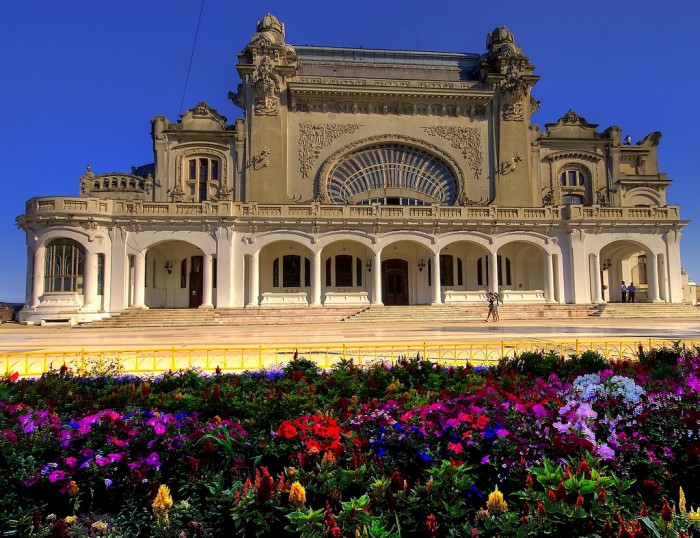
The casino in Constanta.
Situat pe bulevardul Elisabeta, nr. 2, municipiul Constanta; in trecut, in aceasi locatie era amplasata o "cazina" (1880 - 1902) - constructie din lemn unde se...
32.2 km
Constanta, Constanța County
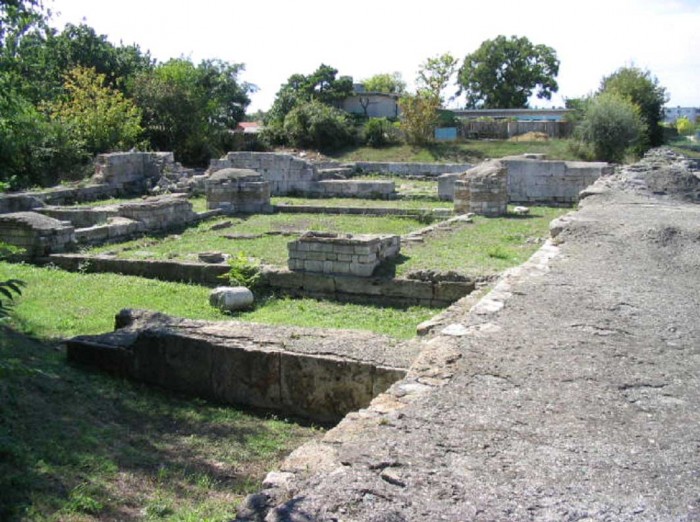
Callatis Fortress in Mangalia
Situata pe teritoriul municipiului Mangalia, intre Sanatoriul balnear, Casa de Cultura, strada Constantei, Geamie si intrarea in portul comercial; intemeiata...
8.4 km
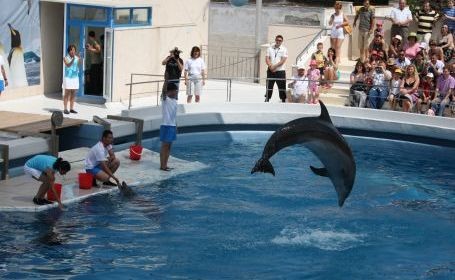
Constanta, Constanța County
Natural Sciences Museum Complex in Constanța
Situat pe bulevardul Mamaia, nr.255, municipiul Constanta; la inceputul existentei a fost format din sectii individuale, unite sub denumirea "Complexul muzeal...
36.0 km

Constanța, Constanța County
Mamaia
Localitate componentă a municipiului Constanța, județul Constanța, România
40.3 km
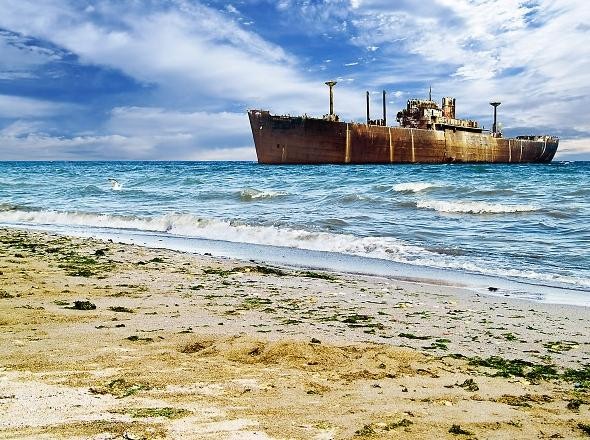
Constanta, Constanța County
Costinești Resort
Este situata in prelungirea satului Costinesti, la 31 km sud de municipiul Constanta, invecinandu-se la nord cu comuna Tuzla si la sud cu Statiunea Olimp;...
7.7 km

Mangalia, Transylvania
Neptun Resort
Localitate componentă a municipiului Mangalia, județul Constanța, România
2.0 km

14.9 km
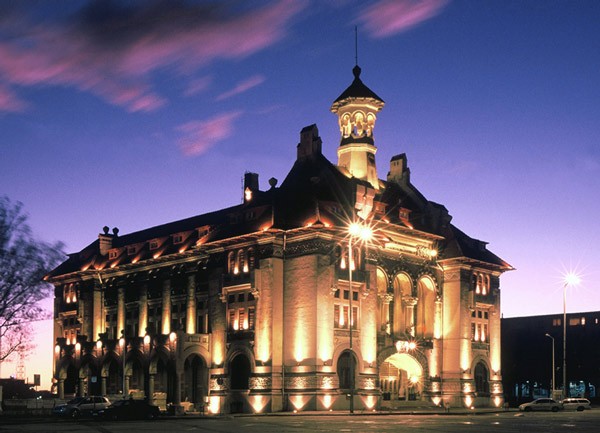
Constanta, Constanța County
National Museum of History and Archaeology in Constanța
Situat in Piata Ovidiu, nr. 12, municipiul Constanta; infiintat in anul 1878, cu ajutorul lui Remus Opreanu; la inceput a functionat in cladirea prefecturii si...
32.5 km
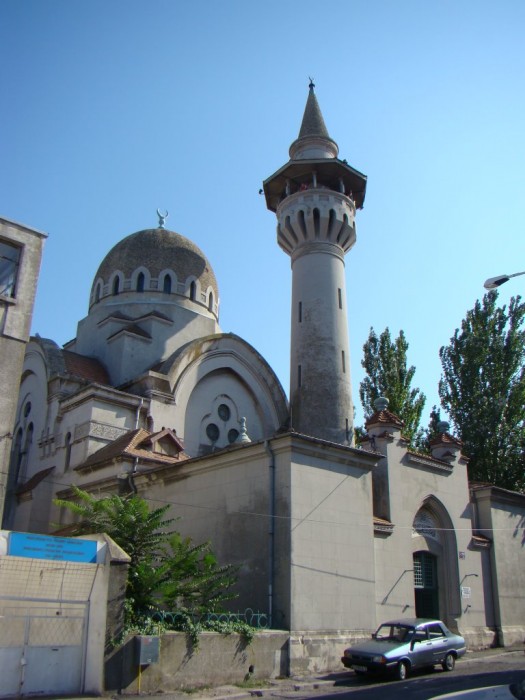
Constanta, Constanța County
Great Mosque of Constanța (Carol I Mosque)
Situata pe strada Arhieoiscopiei nr. 5 din municipiul Constanta; construita intre anii 1910 - 1912, mai poarta denumirea de "Moscheea Carol I"; planurile au...
32.5 km

Eforie, Constanța County
Eforie Nord
Situata in orasul Eforie, la 14 km de municipiul Constanta; amplasata la altitudinea de 6 - 20 m peste nivelul marii; statiune cu caracter permanent, are...
20.2 km

Mangalia, Transylvania
Saturn Resort
Localitate componentă a municipiului Mangalia, județul Constanța, România
6.5 km
Cultural life and traditions
Events in the Olimp Resort area
Medieval festivals, traditional fairs, concerts and local activities recommended in Transylvania.

Heritage and History

Mangalia, County of România
The Festival of Medieval Fortresses and the Open Doors Days
Guided night tours, traditional crafts workshops and historical re-enactments featuring knights and ladies.
WHEN
May 15-17, 2026


Traditions and Cuisine
Mangalia, County of România
The Fair of Saxon Traditions and Local Cuisine
Discover local producers, traditional Saxon pastries baked in a wood-fired oven, artisanal syrups, and rhubarb jam.
WHEN
Every weekend (May - October)

Ecotourism and Nature
The hills of Transylvania, County of România
Guided Hikes on the Transylvanian Hills Trail
Take excursions along unmarked trails through ancient meadows, centuries-old oak trees, and villages with fortified churches that are UNESCO World Heritage sites.
WHEN
Friday – Sunday (Season 2026)
On foot, exploration gains depth
Discover the surroundings and local geography
Explore the trails, terrain, and natural landmarks around Olimp Resort.

Guides and practical tips
Useful travel articles
Travel guides, practical recommendations and tourist itineraries for Transylvania.

Tourist guide
Satul Peștera și Șirnea: Primele Sate Turistice din România
Dealuri vălurite, căsuțe răsfirate din lemn și garduri tradiționale de nuiele sub privirea stâncoasă a Pietrei Craiului.

Tourist guide
Top 5 Atracții Turistice și Trasee Montane în Zona Moieciu - Bran
Descoperă cele mai spectaculoase peisaje carstice, chei adânci și cetăți medievale din imediata apropiere a stațiunii Moieciu.

Tourist guide
Ghid de Drumeție: Traseul Moieciu de Sus spre Platoul Bucegi
Un itinerariu montan de o frumusețe rară ce urcă din Valea Băngăleasa spre Poiana Guțanu și crestele maiestuoase ale Bucegilor.
THE JOURNEY STARTS WITH AN IDEA
The next story is on the way.
From the first stop to the last stay, make room for a new Romania.
