


TOURIST RESORT · TRANSYLVANIA
Old Customs Point

Limanu, Transylvania
Add location to your trip planner.

Practical access information

VISITING HOURS
Monday: 12:00 PM – 5:00 PM · Tuesday–Sunday: 9:00 AM – 5:00 PM (in summer until 8:00 PM)

TICKET PRICE
Adults: 45 RON · Students: 11 RON · Seniors: 23 RON · Guided tour included

RECOMMENDED VISIT DURATION
30-60 minutes
Sources and external references
Wikipedia Encyclopedia (EN)
Visitor information and guide
 Navigate with Google Maps

ABOUT OLD CUSTOMS POINT
A Corner of Europe at the Edge of Empires
Old Customs Point is not merely a fishing village clinging to the cliffs of the Black Sea; it is a geographical and spiritual crossroads where histories, civilizations, and destinies converge. Located in the commune of Limanu, Constanța County, in the heart of Dobruja—a historic province that for centuries served as the frontier between East and West—this place carries in its very name the story of a border: Old Customs Point, the fiscal and symbolic passage between Wallachia and the Ottoman Empire, and later between Romania and Bulgaria. Situated just a few kilometers from the southern border, Old Customs Point stands out on Europe’s map as one of the few places where the Black Sea meets the Dobrujan steppe in a landscape of rare wild beauty, offering an experience reminiscent of the Mediterranean coasts while retaining a unique, Eastern European charm.
The cultural significance of this place transcends its classification as a seaside resort. In a 21st-century Europe saturated with mass tourism and concrete resorts, Old Customs Point represents a bastion of authenticity, a refuge for sophisticated travelers seeking the bohemian spirit of the 1960s, when artists and intellectuals found here a freedom of expression during a time of political constraints. Like the artistic communities of Saint-Tropez, the Cycladic islands, or Portugal’s Algarve coast, Old Customs Point developed a countercultural identity that has withstood the test of time, transforming from a simple customs post into a living museum of creative freedom and Dobrujan multiculturalism.
Historical Roots: From Callatis to the Border Between Worlds
The history of Old Customs Point is intertwined with that of Dobruja, a region that for millennia served as a corridor of migration and trade between Europe and Asia. In antiquity, the nearby city of Callatis—now Mangalia—was founded by Greek colonists from Heraclea Pontica in the 6th century BCE, part of a network of Hellenistic colonies that encircled the Black Sea, much like Odessos or Tomis. These Greek settlements, with their temples dedicated to Apollo and their theaters open to the sea, profoundly influenced the local culture, leaving traces in the architecture and spirituality of the area.
After the Roman conquest of Dobruja in the 1st century CE, the region became part of the province of Moesia Inferior, and the Roman roads crossing the steppe toward the Black Sea ports made this area a vital commercial hub of the Empire. During the Byzantine period, Christianity spread deeply, and the nearby cave monasteries stand as testament to the ascetic spirituality of the region’s early Christians.
However, the true transformation came with the expansion of the Ottoman Empire in the 15th century. For over four hundred years, Dobruja was part of a vast empire stretching from Vienna to Baghdad, and Old Customs Point, due to its strategic position, became an essential control point. Here, the border between the Christian-Orthodox world of Wallachia and the Islamic world was marked, and the customs function reflected Dobruja’s role as a commercial bridge between Central Europe and the Near East. The turning point came in 1878 with the Treaty of Berlin, when Romania gained its independence and Dobruja was united with the country. The new border with Bulgaria, now definitively drawn, transformed the old Ottoman customs post into a symbol of national sovereignty, and the customs tower, now in ruins, remains a silent witness to these geopolitical changes that redrew the map of Southeastern Europe.
Vernacular Architecture and the Dobrujan Landscape
The landscape of Old Customs Point is a continuous dialogue between stone, sea, and steppe. The high cliffs, sculpted by thousands of years of salty winds and Black Sea waves, offer dramatic views of the dark waters, while behind them stretches the Dobrujan steppe—a landscape of tall grasses and vast skies reminiscent of the Anatolian wilderness or the plains of southern Ukraine. This unique juxtaposition creates a special microclimate, favorable for vineyards and fig trees, Mediterranean plants that have found a hospitable home here.
The traditional architecture of the village reflects this adaptation to the environment and history. Modest houses, built from adobe and local stone, with solid foundations and sloping roofs covered in reeds or wooden shingles, evoke the vernacular style specific to the Balkan and Anatolian regions. These dwellings, with their small windows and wide gates opening onto shaded inner courtyards, resemble traditional houses from the Greek islands, Croatia’s Dalmatia, or the fishing villages of southern Italy, designed to withstand strong winds and provide coolness during scorching summers. The gardens are enriched with grapevines, fig trees, walnuts, and Mediterranean plants, while the narrow alleys, paved with gravel, descend toward wild beaches devoid of aggressive construction.
Ethnic Mosaic and Cultural Coexistence
Dobruja, and by extension Old Customs Point, has always been a melting pot of peoples, much like other European border regions such as Transylvania, the Banat, or the Iberian Peninsula. Over the centuries, this coast has been home to Romanians, Bulgarians, Lipovans (Russian Old Believers fleeing religious persecution in 17th-century Russia), Tatars, Turks, and Greeks, each contributing distinct elements to the shared cultural heritage. The Lipovans brought their traditions of fishing and agriculture, building churches with tall spires and Byzantine-style paintings, while the Tatars left behind culinary customs that endure to this day. This ethnic diversity is reflected in the local cuisine, traditional music, and religious architecture, creating an atmosphere of tolerance and openness rare in the European landscape. The village’s Orthodox church serves as a spiritual meeting point for these communities, preserving traditions that have survived empires and political regimes.
The Hippie Years and Europe’s Cultural Revolution
Old Customs Point entered the European public consciousness not for its history as a customs post, but for its role as a sanctuary of freedom during the communist era. In the 1960s and 1970s, during a time of totalitarian rule when freedom of expression was severely censored across Eastern Europe, this Black Sea village became a refuge for poets, musicians, actors, and intellectuals in search of authenticity. Like the artistic communities of Saint-Tropez, Greece’s Hydra Island, or Copenhagen’s Christiania, Old Customs Point developed a countercultural atmosphere that mirrored the hippie movements of Western Europe, but with the melancholic and authentic character of the Black Sea.
Here, in the shadow of the abandoned customs tower, on wild beaches hidden from the authorities’ gaze, poems were written and songs were sung that defied the censorship of the time. Campfires lit on the sand, guitars, and voices singing until dawn created a bohemian atmosphere reminiscent of Woodstock or the Isle of Wight festivals, but in an intimate, Mediterranean setting. This period transformed Old Customs Point into a symbol of cultural resistance and the pursuit of freedom in a Europe divided by the Iron Curtain, offering a space where artists could create far from the eyes of censorship, much like the artistic exodus to southern France or the Mediterranean islands during the same era.
Personalities and Turning Points
Though the specific names of the artists who visited Old Customs Point during the hippie era often remain in the shadows of oral history, the bohemian collective that formed here profoundly influenced contemporary Romanian culture. Poets, jazz and folk musicians, theater actors, and painters found inspiration and freedom in this village, contributing to the creation of a local mythology that transcends national borders. Like the bohemian Paris of Montmartre or the artistic communities of New York’s Greenwich Village, Old Customs Point was a place where art was born from the meeting of people, nature, and freedom.
The major turning point came in the 1990s, when the village began to open up to tourism, transforming from an isolated place into an internationally recognized cultural destination. This transition was accompanied by the development of tourist infrastructure—themed guesthouses, seafood restaurants, and bohemian cafés—but also by efforts to preserve the architectural and natural heritage. Today, Old Customs Point hosts independent music festivals, open-air art exhibitions, and cultural gatherings that continue the tradition of a sanctuary for creativity, attracting a diverse audience, from sophisticated European tourists to young seekers of authentic experiences.
Visitor’s Guide: Experiencing Old Customs Point Today
For the contemporary European traveler, Old Customs Point offers a distinct experience compared to the crowded resorts of Romania’s Black Sea coast. The easiest access is via Constanța, followed by a journey south on the E87 European road to Mangalia, from where the road to Old Customs Point winds through picturesque villages and steppe landscapes. Those preferring public transport can take the train or bus to Mangalia, then a taxi or local transport to the village.
The best time to visit is in the summer, when the sea breeze brings coolness, or in late autumn, when the beaches are empty and the atmosphere is contemplative. Visitors can explore the wild beach, with its fine sand and characteristic pebbles, climb the cliffs for spectacular sunset views, or visit the ruins of the customs tower, a place steeped in history and poetry.
Nearby, the village of 2 Mai, another former artists’ refuge, and the Limanu Natural Reserve, with its lakes and unique biodiversity, are ideal for birdwatching. The ancient city of Callatis in Mangalia offers the chance to explore the ruins of a Hellenistic colony, perfectly complementing a cultural visit.
Accommodation is available in family-run guesthouses with a bohemian atmosphere or in tents on the beach, in the traditional spirit of the place. Local gastronomy emphasizes fresh fish—mackerel, carp, horse mackerel—grilled, along with Dobrujan wine and produce from household gardens. A candlelit dinner in a vineyard garden, listening to the waves, captures the essence of the Old Customs Point experience.
Old Customs Point thus remains a place where the past as a border post meets the present as a sanctuary of creative freedom, a living bridge between Ottoman history, Dobruja’s multicultural heritage, and the European spirit of nonconformism, offering visitors an authentic experience on Romania’s coast, far from urban crowds, in a natural setting of wild beauty.
Media gallery
Discover Old Customs Point in pictures

1 photos · Architecture, courtyards and captivating details

Image source: Wikimedia Commons · Public domain photos · Free license
STAY A FEW DAYS, DISCOVER THE MAGIC
Accommodation in the Old Customs Point area

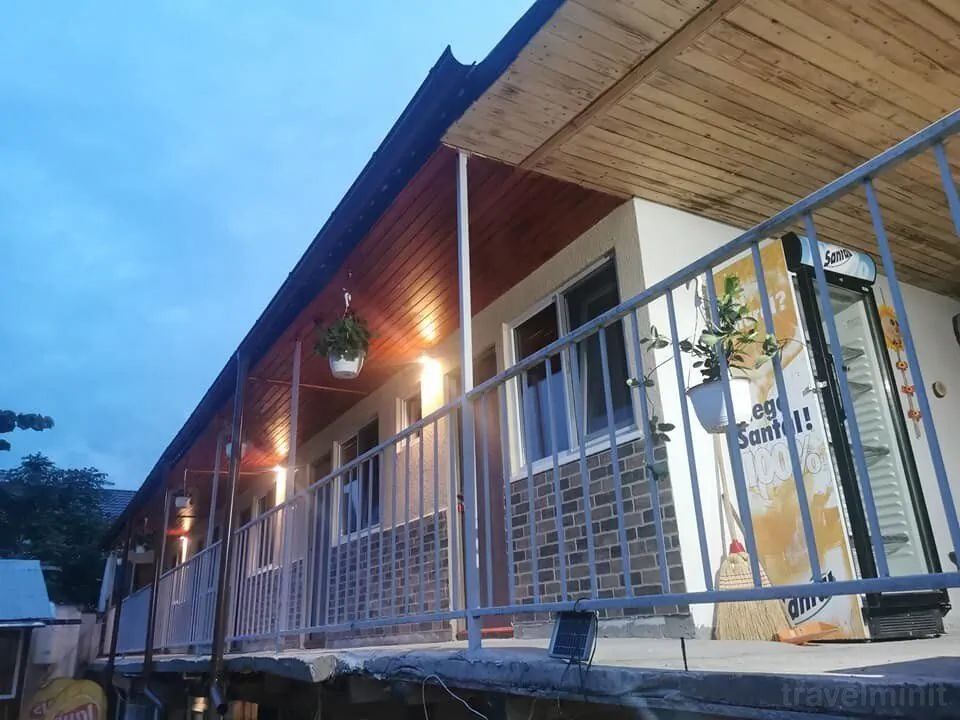
Holiday home · 3 stars

Vama Veche, Constanța County · 0.0 km
Casa La Meduza Vama Veche
Comfort, relaxation and stunning views, all just steps away from the main attractions.
FROM
280 lei per night

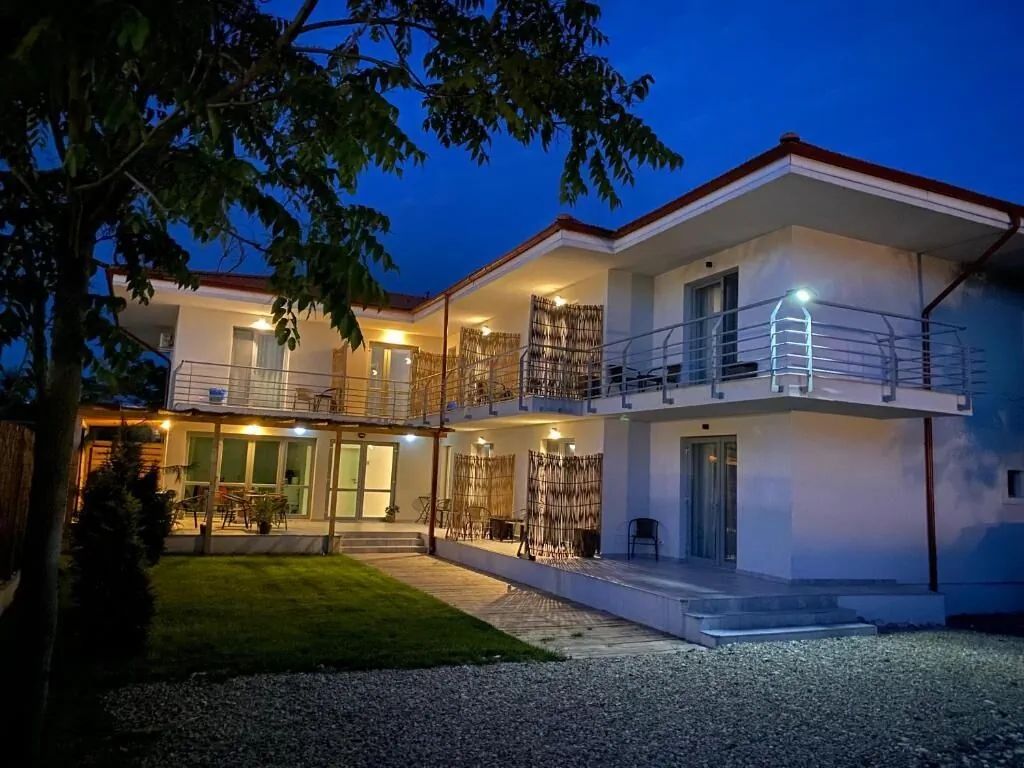
Guesthouse · 3 stars
Vama Veche, Constanța County · 0.1 km
Pensiunea Vama Blue Vama Veche
Comfort, relaxation and stunning views, all just steps away from the main attractions.
FROM
240 lei per night
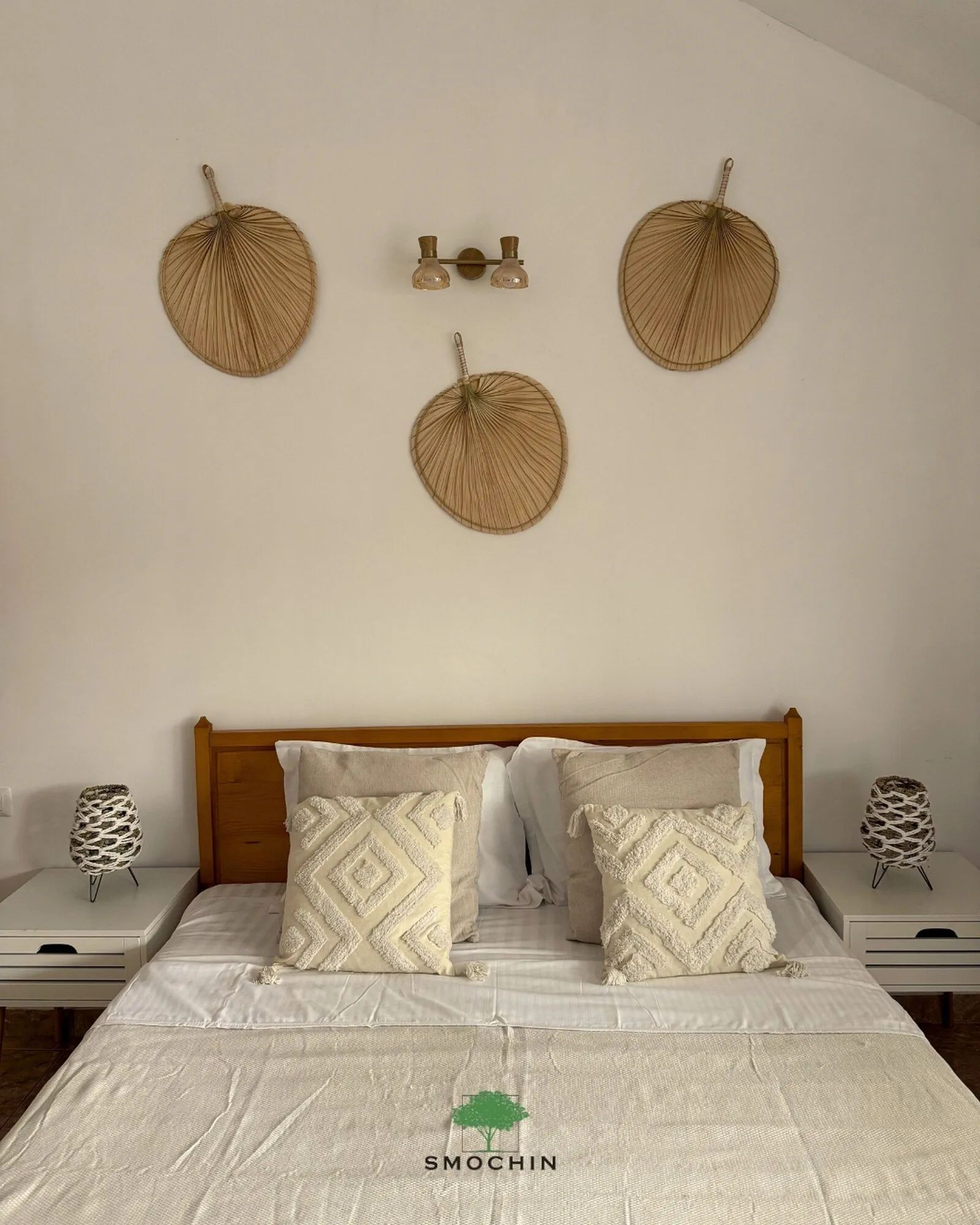
Guesthouse · 3 stars
Vama Veche, Constanța County · 0.1 km
Pensiunea Smochin Vama Veche
Pensiunea Smochin Vama Veche este o pensiune turistică de 3 stele situată în Vama Veche, județul Constanța, pe strada Meduzei numărul 2. Într-o zonă liniștită, aproape de plajă, unitatea oferă vedere spre mare și o atmosferă caldă, primitoare. Unitatea dispune de 10 camere amenajate cu mobilier și dotări care asigură confortul necesar pe toată durata șederii: televizor, frigider, baie proprie, uscător de păr și terasă privată. De asemenea, beneficiați de parcare privată gratuită, astfel încât mașina dumneavoastră rămâne în siguranță pe întreaga perioadă a cazării. În exterior, un foișor răcoros vă invită să serviți preparatele la grătar, iar în timp ce vă răcoriți băuturile în vitrina frigorifică, puteți naviga fără griji pe internet prin conexiunea WiFi disponibilă. Vă rugăm să rețineți că nu acceptăm animale de companie în incintă. În apropiere puteți descoperi Vama Veche, Cetatea Callatis din Mangalia, Stațiunea Mangalia, Saturn și Stațiunea Saturn, fiecare dintre aceste destinații oferind oportunități variate de relaxare și explorare pe litoralul Mării Negre. Seara, după ce vă parcați mașina în parcarea privată gratuită, puteți admira liniștea serii de pe terasa camerei dumneavoastră.
FROM
240 lei per night
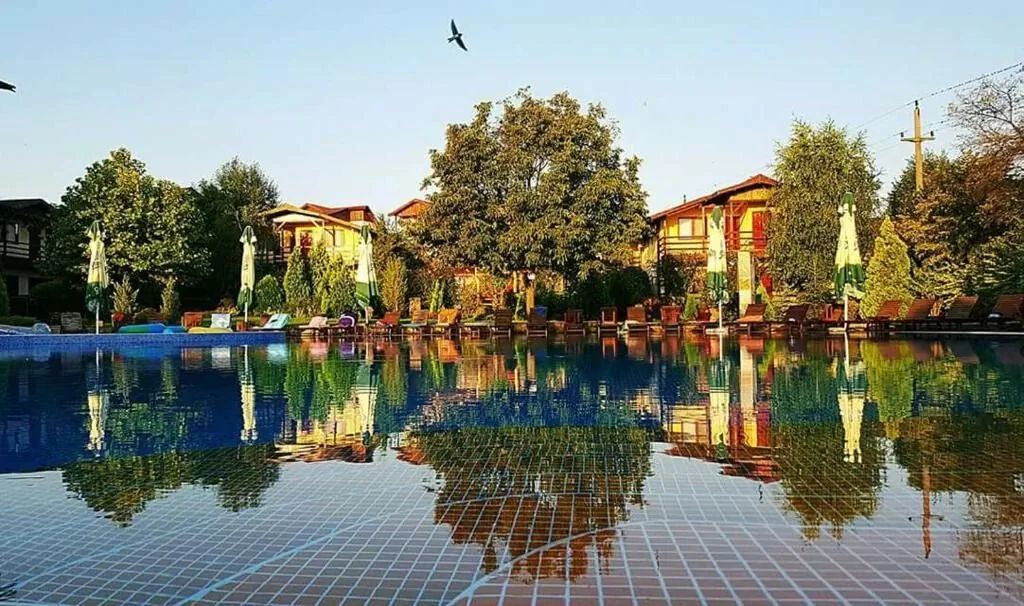
Apartment · 3 stars
Vama Veche, Constanța County · 0.1 km
Camere De Inchiriat Club D Or Vama Veche - Litoral
Familiile cu copii se vor simți bine la Camere De Inchiriat Club D'Or Vama Veche - Litoral, situate în Vama Veche. Complexul este format dintr-o clădire principală și vile dispuse în formă de U, înconjurate de o curte frumos amenajată cu gazon, pomi fructiferi și flori, oferind un cadru liniștit pentru relaxare. Apartamentele sunt moderne și bine dotate cu aer condiționat, televizor LCD, minifrigider și baie proprie cu cosmetice hoteliere. Internetul wireless este disponibil în zonele publice, iar parcarea publică este asigurată în jurul unității. Pentru momente de destindere, aveți la dispoziție un bar în incintă și o cadă cu hidromasaj sau jacuzzi. De asemenea, complexul pune la dispoziție o piscină exterioară pentru adulți și copii, un loc de joacă pentru cei mici și un restaurant cu terasă care servește atât preparate internaționale, cât și tradiționale românești. În apropiere puteți vizita Vama Veche, Cetatea Callatis din Mangalia, Stațiunea Mangalia, Saturn și Stațiunea Saturn. Vă așteptăm la Camere De Inchiriat Club D'Or Vama Veche - Litoral.
FROM
230 lei per night
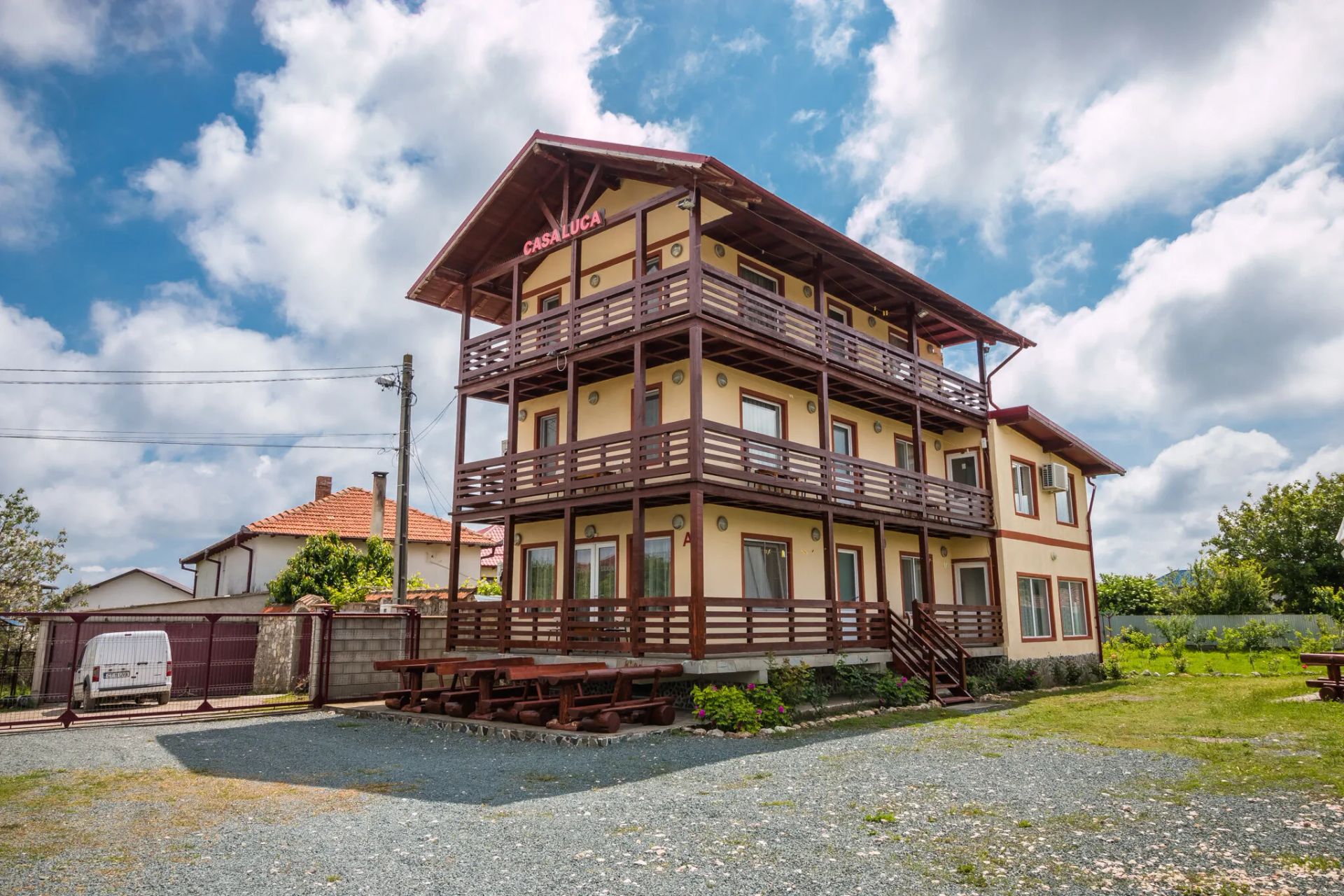
Guesthouse · 2 stars
Vama Veche, Constanța County · 0.1 km
Casa Luca Vama Veche
Familiile cu copii și grupurile de prieteni se vor simți bine la Casa Luca Vama Veche din Vama Veche. Această pensiune turistică de două stele oferă un mediu plăcut pentru un sejur relaxant în această localitate de pe litoralul Mării Negre, într-un cadru liniștit și primitor. Pentru confortul dumneavoastră, unitatea asigură Wi-Fi gratuit în întreaga proprietate și acces la o cafenea în incintă. De asemenea, sunt disponibile parcare privată gratuită, depozit pentru bagaje și fier de călcat, astfel încât să nu aveți griji pe durata șederii. Spațiul exterior este generos: curtea mare și grădina amenajată includ un foișor pentru relaxare, un grătar sau barbeque pentru prepararea mesei în aer liber și un loc de joacă pentru copii la exterior, potrivit pentru momente petrecute împreună în aer liber. În apropiere se află Vama Veche, Cetatea Callatis din Mangalia, Stațiunea Mangalia, Saturn și Stațiunea Saturn, obiective pe care le puteți explora cu ușurință pornind de aici. Vă așteptăm cu drag la Casa Luca Vama Veche.
FROM
190 lei per night
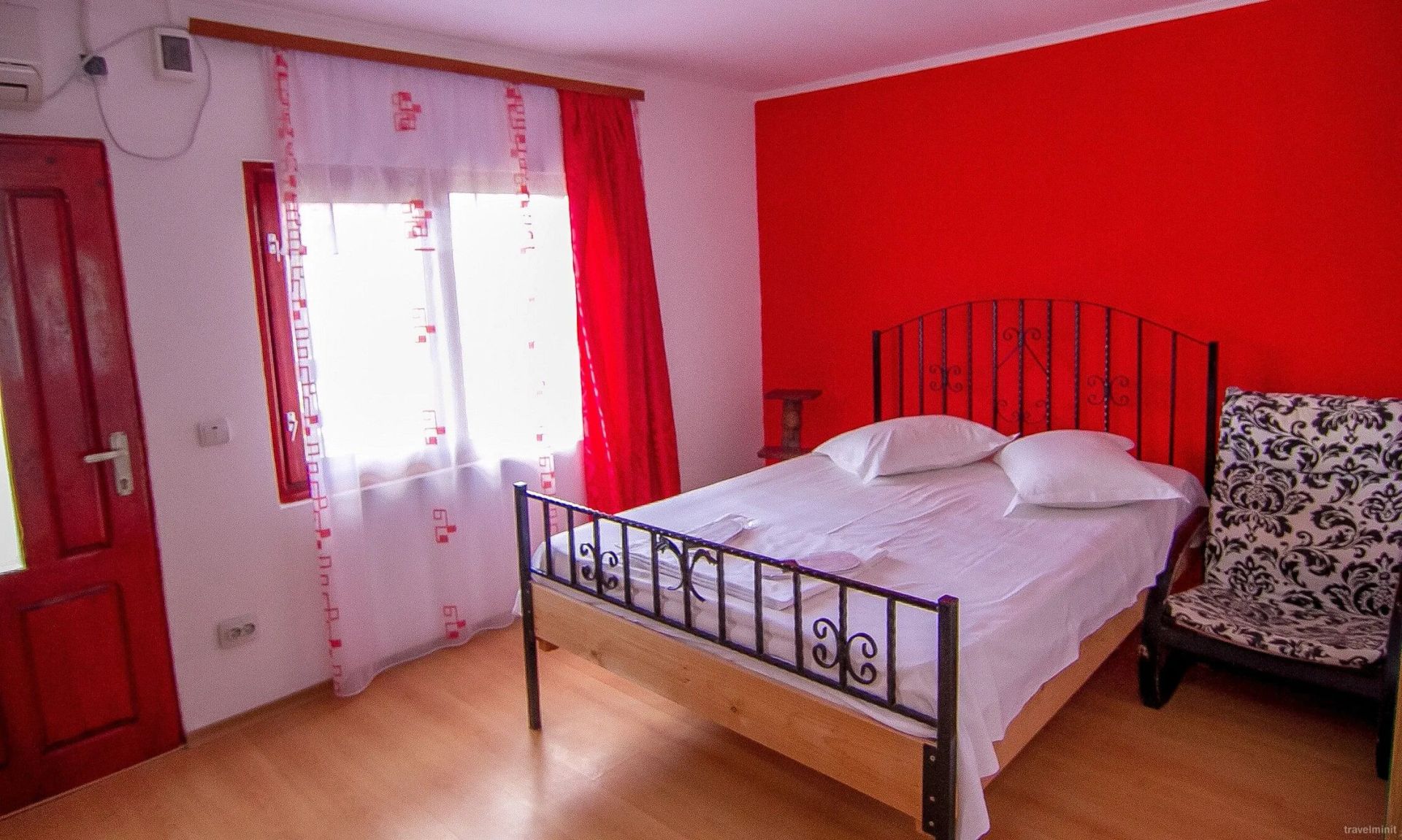
Holiday home · 3 stars
Vama Veche, Constanța County · 0.2 km
Casă de vacanță Doriana Vama Veche
Pe strada Mihail Kogalniceanu din Vama Veche, într-un cadru liniștit și plăcut departe de aglomerația urbană, se află Casă de vacanță Doriana Vama Veche. Această vilă integrală, clasificată cu trei stele, vă oferă zece camere amenajate cu bun gust și confortabile, unele dintre acestea fiind dotate cu aer condiționat pentru a vă asigura un sejur plăcut în orice sezon. Proprietatea beneficiază de o curte mare și o grădină amenajată, un spațiu generos în care vă puteți relaxa și bucura de aer liber împreună cu familia. Vă stau la dispoziție parcare privată gratuită, conexiune Wi-Fi gratuită disponibilă în întreaga unitate și un loc special amenajat pentru grătar sau barbeque, perfect pentru seri relaxante în compania celor dragi. În apropiere puteți vizita Vama Veche, Cetatea Callatis din Mangalia, stațiunea Mangalia, Saturn și stațiunea Saturn. Aceste obiective turistice vă oferă numeroase posibilități de explorare culturală și relaxare pe litoral, fiind ușor accesibile pentru excursii zilnice din unitatea dumneavoastră de cazare. Vă așteptăm cu drag la Casă de vacanță Doriana Vama Veche.
FROM
280 lei per night
BEFORE YOU HIT THE ROAD
Weather conditions in Limanu
Local forecast for Old Customs Point, Limanu, România

Real-time updated weather data
Much more to explore in this area
Nearby tourist attractions

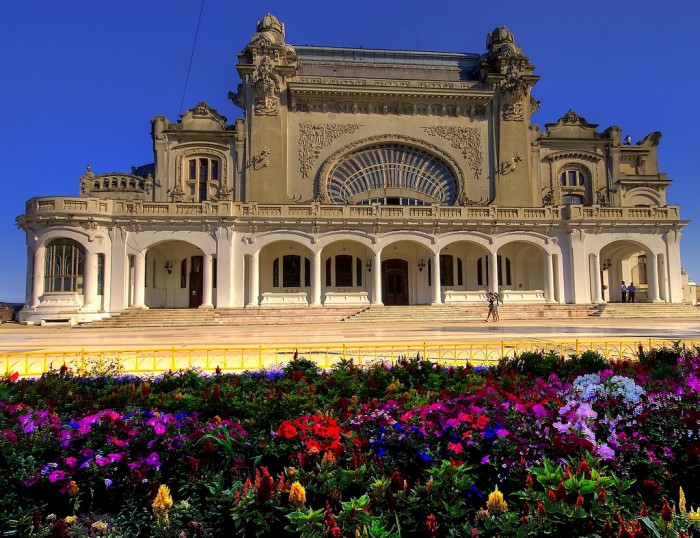

Constanta, Constanța County
The casino in Constanta.
Situat pe bulevardul Elisabeta, nr. 2, municipiul Constanta; in trecut, in aceasi locatie era amplasata o "cazina" (1880 - 1902) - constructie din lemn unde se...
47.1 km
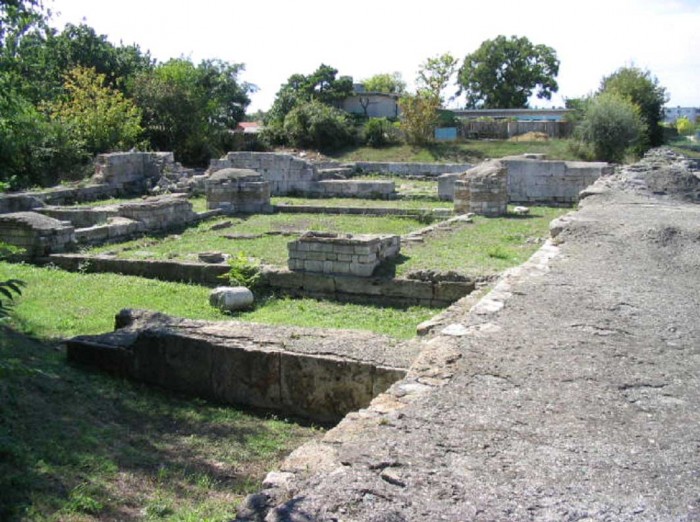
Constanta, Constanța County
Callatis Fortress in Mangalia
Situata pe teritoriul municipiului Mangalia, intre Sanatoriul balnear, Casa de Cultura, strada Constantei, Geamie si intrarea in portul comercial; intemeiata...
6.5 km

Constanta, Constanța County
Costinești Resort
Este situata in prelungirea satului Costinesti, la 31 km sud de municipiul Constanta, invecinandu-se la nord cu comuna Tuzla si la sud cu Statiunea Olimp;...
22.6 km

Mangalia, Transylvania
Neptun Resort
Localitate componentă a municipiului Mangalia, județul Constanța, România
13.0 km

Mangalia, Transylvania
Olimp Resort
Localitate componentă a municipiului Mangalia, județul Constanța, România
14.9 km
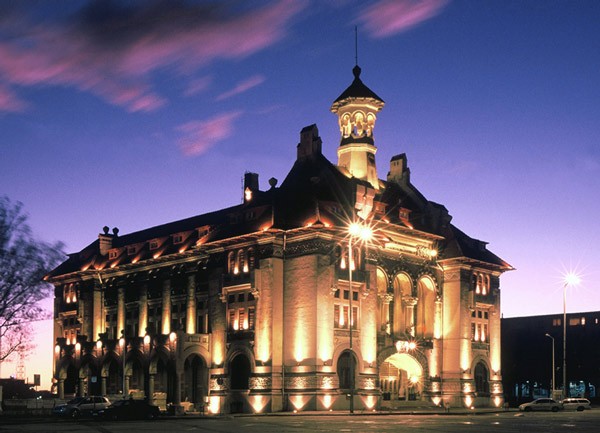
Constanta, Constanța County
National Museum of History and Archaeology in Constanța
Situat in Piata Ovidiu, nr. 12, municipiul Constanta; infiintat in anul 1878, cu ajutorul lui Remus Opreanu; la inceput a functionat in cladirea prefecturii si...
47.4 km
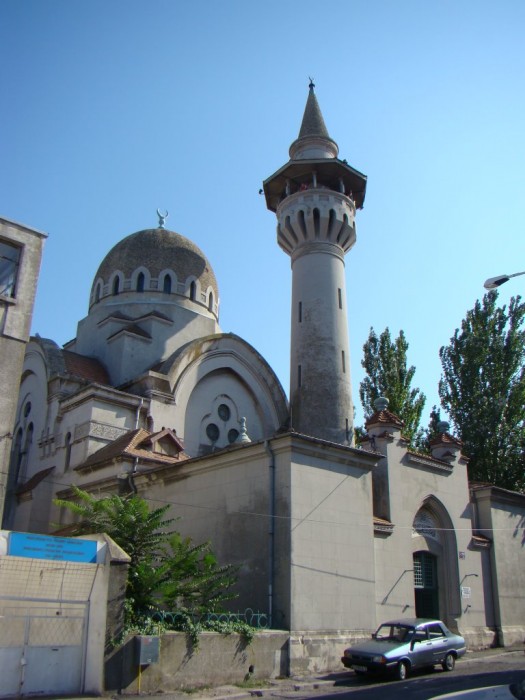
Constanta, Constanța County
Great Mosque of Constanța (Carol I Mosque)
Situata pe strada Arhieoiscopiei nr. 5 din municipiul Constanta; construita intre anii 1910 - 1912, mai poarta denumirea de "Moscheea Carol I"; planurile au...
47.4 km

Eforie, Constanța County
Eforie Nord
Situata in orasul Eforie, la 14 km de municipiul Constanta; amplasata la altitudinea de 6 - 20 m peste nivelul marii; statiune cu caracter permanent, are...
35.0 km

Mangalia, Transylvania
Saturn Resort
Localitate componentă a municipiului Mangalia, județul Constanța, România
8.4 km
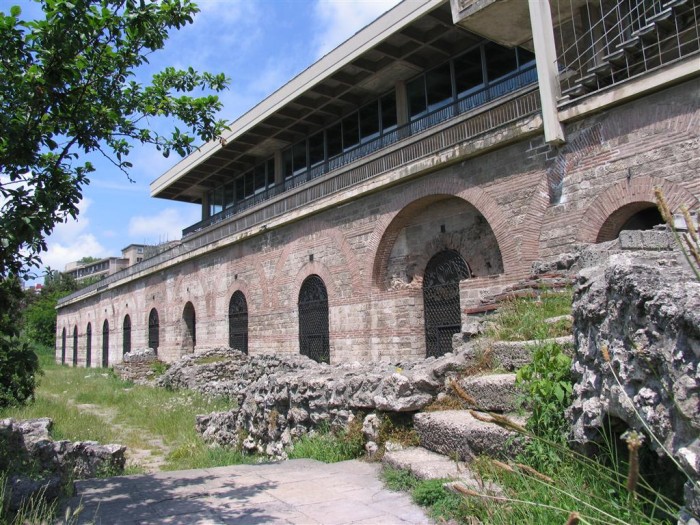
Constanta, Constanța County
Roman Mosaic Edifice Museum
Situat in Piata Ovidiu nr. 12 din municipiul Constanta; cladirea in care isi desfasoara activitatea este unica in Europa de est - are 2.000 mp si este...
47.3 km

Constanta, Constanța County
Mangalia
Situata la limita de sud - est a tarii, la aproximativ 45 km sud de municipiul Constanta si la 11 km nord de punctul de frontiera Vama Veche; situata pe...
7.3 km

Mangalia, Transylvania
Venus Resort
Localitate componentă a municipiului Mangalia, județul Constanța, România
10.5 km
Cultural life and traditions
Events in the Old Customs Point area
Medieval festivals, traditional fairs, concerts and local activities recommended in Transylvania.

Heritage and History

Limanu, County of România
The Festival of Medieval Fortresses and the Open Doors Days
Guided night tours, traditional crafts workshops and historical re-enactments featuring knights and ladies.
WHEN
May 15-17, 2026


Traditions and Cuisine
Limanu, County of România
The Fair of Saxon Traditions and Local Cuisine
Discover local producers, traditional Saxon pastries baked in a wood-fired oven, artisanal syrups, and rhubarb jam.
WHEN
Every weekend (May - October)

Ecotourism and Nature
The hills of Transylvania, County of România
Guided Hikes on the Transylvanian Hills Trail
Take excursions along unmarked trails through ancient meadows, centuries-old oak trees, and villages with fortified churches that are UNESCO World Heritage sites.
WHEN
Friday – Sunday (Season 2026)
On foot, exploration gains depth
Discover the surroundings and local geography
Explore the trails, terrain, and natural landmarks around Old Customs Point.

Guides and practical tips
Useful travel articles
Travel guides, practical recommendations and tourist itineraries for Transylvania.

Tourist guide
Satul Peștera și Șirnea: Primele Sate Turistice din România
Dealuri vălurite, căsuțe răsfirate din lemn și garduri tradiționale de nuiele sub privirea stâncoasă a Pietrei Craiului.

Tourist guide
Top 5 Atracții Turistice și Trasee Montane în Zona Moieciu - Bran
Descoperă cele mai spectaculoase peisaje carstice, chei adânci și cetăți medievale din imediata apropiere a stațiunii Moieciu.

Tourist guide
Ghid de Drumeție: Traseul Moieciu de Sus spre Platoul Bucegi
Un itinerariu montan de o frumusețe rară ce urcă din Valea Băngăleasa spre Poiana Guțanu și crestele maiestuoase ale Bucegilor.
THE JOURNEY STARTS WITH AN IDEA
The next story is on the way.
From the first stop to the last stay, make room for a new Romania.
