


PLACE OF WORSHIP · TRANSYLVANIA
Neolog Synagogue in Cluj (Deportation Memorial Temple)

Apahida, Cluj County
Add location to your trip planner.
Practical access information

VISITING HOURS
Monday: 12:00 PM – 5:00 PM · Tuesday–Sunday: 9:00 AM – 5:00 PM (in summer until 8:00 PM)

TICKET PRICE
Adults: 45 RON · Students: 11 RON · Seniors: 23 RON · Guided tour included

RECOMMENDED VISIT DURATION
2-3.5 hours
Visitor information and guide
 Navigate with Google Maps

ABOUT NEOLOG SYNAGOGUE IN CLUJ (DEPORTATION MEMORIAL TEMPLE)
A citadel of memory: The Neolog Synagogue in Cluj-Napoca
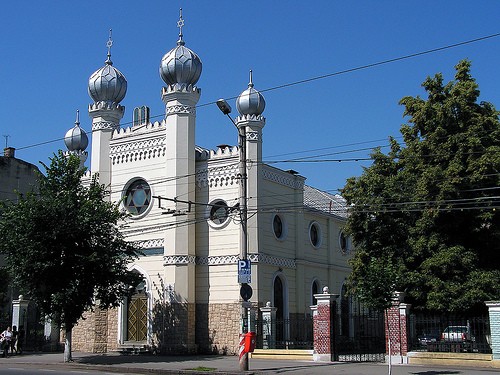
On Horea Street, number 21, in the vibrant heart of Cluj-Napoca, the Neolog Synagogue rises as a silent yet profoundly moving witness to a complex history, marking the subtle intersection between Central European Jewish heritage and the collective memory of Transylvania. Known by its evocative names—the Temple of the Deported or the Jewish Deportation Memorial Temple—this place of worship is not merely an exceptional religious monument but a symbol of spiritual continuity and human resilience during a turbulent period of the 20th century. It engages in a fascinating dialogue with the great Reform synagogues of Budapest, Vienna, and Prague. The building stands as a testament to the aspirations of a cosmopolitan community at a time when Cluj, formerly Kolozsvár, was a premier cultural hub of Central Europe. Its neo-Moorish architecture speaks of deep connections with the continent’s major artistic movements.
Historical roots and connections to Europe’s great empires
The history of Cluj’s Jewish community spans several centuries, rooted in the medieval period. However, its true flourishing coincided with the Habsburg era’s emancipation and Emperor Joseph II’s Edict of Tolerance in 1781, which paved the way for Jewish integration into the urban structures of the Austro-Hungarian Empire. In the 19th century, alongside the city’s economic expansion and modernization as Kolozsvár, the Jewish community experienced unprecedented prosperity. It built schools, theaters, and cultural institutions that rivaled those of Vienna and Budapest. The division within the community—between adherents of Orthodox tradition and followers of the Neolog movement, inspired by the German Reform movement of Moses Mendelssohn and Israel Jacobson—led to the need for a distinct place of worship that reflected the values of modernity and Jewish Enlightenment.
The decision to construct this synagogue in 1927, during the interwar period of Greater Romania, represents a cultural culmination, placing Cluj on the map of the great centers of Jewish Reform in Central Europe. The chosen style, neo-Moorish with Byzantine influences, reflects the era’s fascination with Orientalism and medieval Spanish architectural forms, evoking the grandeur of synagogues from the Moorish era in the Iberian Peninsula before the expulsion of Jews from Spain in 1492. This aesthetic choice establishes a direct link with the Dohány Street Synagogue in Budapest, the masterpiece by Frigyes Feszl inaugurated in 1859, and the Leopoldstadt Temple in Vienna, designed by Theophil von Hansen in the Byzantine style in 1858. It demonstrates Cluj’s belonging to Europe’s elite architectural circuit. During this period, the city was part of the Kingdom of Romania but maintained close ties with its Hungarian cultural heritage and the legacy of the defunct Austro-Hungarian Empire. The Neolog community, through its liturgy in Hungarian and instrumental music during services, reflected this dual Central European identity.
An architectural masterpiece and dialogue with European art
Built according to the plans of architect Kertész, the synagogue illustrates a remarkable synthesis of neo-Moorish style, Byzantine influences, and Art Deco elements, representing the pinnacle of Jewish sacred architecture in interwar Romania. The imposing façade, dominated by horseshoe-shaped windows, rounded arches, and intricate geometric decorations inspired by Islamic art, reflects the community’s aspiration to assert its modern identity within a cosmopolitan urban context. It engages in a continuous dialogue with the Vienna Secession movement and the Art Nouveau of Budapest. The monumental entrance, marked by a richly ornamented portal, reveals a rigorous symmetry reminiscent of classical principles, while the decorative details with floral and star motifs evoke the Oriental tradition, creating an atmosphere of mystery and solemnity.
The interior impresses with its spacious prayer hall, covered by a high vault supported by elegant columns, offering a liturgical setting that blends tradition with innovation. The women’s galleries, positioned above the main entrance, preserve the tradition of gender separation in worship spaces, characteristic of more conservative Reform communities, while the absence of rigid divisions in the main hall suggests openness to modernity. The Aron Kodesh, the holy ark, is placed on the eastern wall and framed by rich decoration, including sculptural elements and Hebrew inscriptions, likely crafted by local artisans influenced by contemporary European art. The tall windows, with their stained glass, filter light in a subtle dance of shadows and colors, creating a meditative ambiance reminiscent of the interiors of Gothic cathedrals in Western Europe, yet with an Oriental touch. The use of exposed brick, decorative plasterwork, and finely crafted metal elements places this structure among the most successful achievements of sacred architecture in Central Europe between the two world wars.
Shadows of history: from occupation to deportation and rebirth
The fate of this sanctuary was profoundly marked by the dramatic events of World War II and the antisemitic policies promoted by Hungary’s Horthy regime, which occupied northern Transylvania following the Second Vienna Award on August 30, 1940. During this dark period, when swastika flags flew over public buildings in Cluj, Hungarian authorities turned the synagogue into a mere military depot, desecrating the sacred space and confiscating ritual objects, manuscripts, and the community’s archives. Between 1940 and 1941, during the terror organized by the Iron Guard, also known as the Legionary Movement, members of this fascist organization vandalized the building, destroying sacred furniture and desecrating religious symbols in an act of barbarism that reflected the violence directed against Jews across Central and Eastern Europe.
The tragic turning point came in the spring of 1944, when, in the context of mass deportations of Jews from northern Transylvania to Nazi death camps in occupied Poland, the synagogue became a gathering point for thousands of families before they were loaded onto cattle cars near Cluj’s central train station. Over 18,000 Jews from the city and surrounding areas passed through this space, some losing their lives in the Holocaust, others surviving and carrying with them the memory of these horrific moments. The building suffered severe damage from Allied bombings near the train station in the summer of 1944, compounded by the destruction caused by the Legionaries’ violent actions in the preceding period. The year 1947 marked the synagogue’s rebirth, reconstructed with the support of the Romanian state in a symbolic gesture of recognition for the losses suffered by the Jewish community and a commitment to democratic European values. This occurred at a time when many other synagogues in Romania were left in ruins or destroyed.
Memory and European heritage today
Today, the building functions as the Deportation Memorial Temple, dedicated to the memory of Holocaust victims from Cluj and the broader region of northern Transylvania. Its walls house commemorative plaques bearing the names of thousands of victims, period photographs, historical documents, and recovered personal items, transforming the space into a living museum of memory. This aligns with European efforts to preserve the history of the Holocaust and combat its denial. This transformation places the synagogue within a European network of memorialization that includes Yad Vashem in Jerusalem, the United States Holocaust Memorial Museum in Washington, and the Holocaust Memorial in Berlin, demonstrating that the memory of these events transcends national borders. The carefully restored architecture preserves the original elements of the Vienna Secession and Moorish influences, offering visitors an authentic perspective on a largely vanished urban Jewish heritage in Central Europe following the Holocaust and subsequent communist regimes. The synagogue remains an active place of worship for the local Jewish community, now reduced in number but deeply attached to tradition. It hosts holiday services and cultural events that keep the connection to the past alive.
Practical guide for visitors and cultural experience
The Neolog Synagogue can be visited at Horea Street, number 21, just a few minutes’ walk from Cluj-Napoca’s historic center and the central train station—a site still laden with history, from which the deportation trains departed in 1944. The visiting schedule is flexible, coordinated by the local Jewish community and the Jewish Cultural Center. For school groups, foreign tourists, or thematic visits, it is recommended to contact them in advance to arrange a specialized guide who can provide the necessary historical context. Visitors are asked to respect the sacred nature of the place by dressing modestly, covering their shoulders, and, for men, wearing a kippah or hat provided at the entrance as a sign of respect for Jewish tradition and the memory of the victims.
Visiting this monument offers a profound opportunity to understand the European dimension of Jewish history in Romania, within an exceptional architectural setting that blends spirituality with human resilience in the face of barbarism. It is recommended to combine the visit with other Jewish heritage sites in the city, such as the Jewish Cemetery on Turzii Road, one of the oldest and best-preserved in the country, or the Holocaust Monument in Lucian Blaga Square. Nearby, visitors can explore Union Square, with its imposing Reformed Calvinist Church and the statue of Matthias Corvinus, offering a fascinating contrast between religious architectures and the histories of the different communities that contributed to Cluj’s cultural identity. For those interested in culinary experiences, the area offers restaurants with Central European Jewish influences, where traditional dishes such as Jewish goulash or Ashkenazi pastries can be enjoyed. A visit to the Neolog Synagogue is, in essence, a journey through time and space, connecting the present with the great currents of European history and offering a profound lesson in tolerance, memory, and hope.
Media gallery
Discover Neolog Synagogue in Cluj (Deportation Memorial Temple) in pictures

2 photos · Architecture, courtyards and captivating details
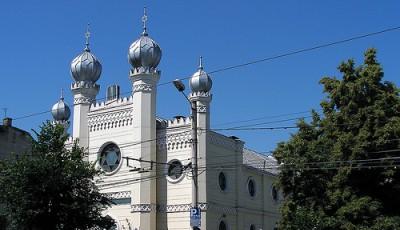

Image source: Wikimedia Commons · Public domain photos · Free license
STAY A FEW DAYS, DISCOVER THE MAGIC
Accommodation in the Neolog Synagogue in Cluj (Deportation Memorial Temple) area

Guesthouse · 3 stars

Cluj-Napoca, Cluj County · 0.2 km
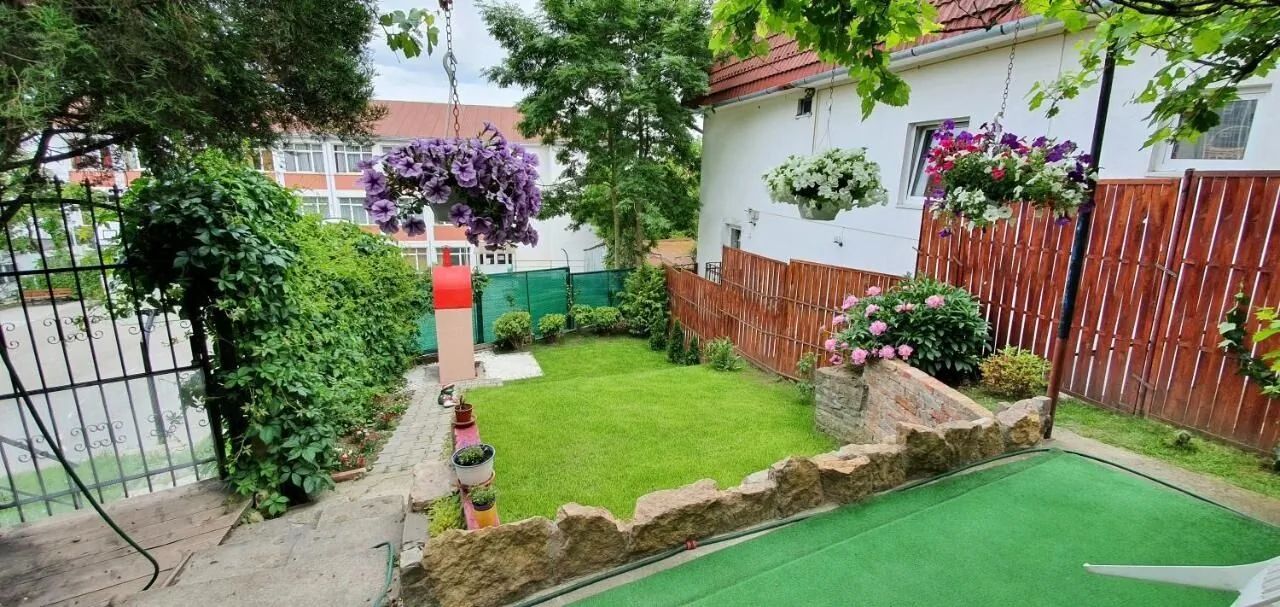
Citadel Rooms Cluj-Napoca
La doar câțiva pași de Biserica Sfântul Mihail din Cluj, Citadel Rooms Cluj-Napoca reprezintă punctul de plecare pentru explorarea orașului. Această pensiune turistică de 3 stele din Cluj-Napoca pune la dispoziția dumneavoastră două camere amenajate cu atenție, fiecare dotată cu baie proprie și acces la internet, oferind un cadru plăcut și liniștit pentru odihnă după o zi plină de descoperiri. Unitatea oferă Wi-Fi gratuit în toate spațiile și un depozit pentru bagaje, astfel încât să vă puteți deplasa liber prin oraș fără să vă faceți griji pentru echipament. La recepție veți fi întâmpinați în limba română, engleză sau maghiară, iar la cerere puteți comanda și micul dejun. Programul de primire începe la ora 14:00, cu posibilitatea de plecare până la ora 11:00. În apropiere puteți descoperi Muzeul Național de Istorie Cluj-Napoca, Muzeul de Artă Cluj Napoca, Cetățuia din Cluj și Mănăstirea Nicula, fiecare dintre aceste obiective oferind o perspectivă unică asupra patrimoniului cultural și istoric al zonei. Vă așteptăm la Citadel Rooms Cluj-Napoca.
FROM
240 lei per night

Hotel · 4 stars
Cluj-Napoca, Cluj County · 0.3 km
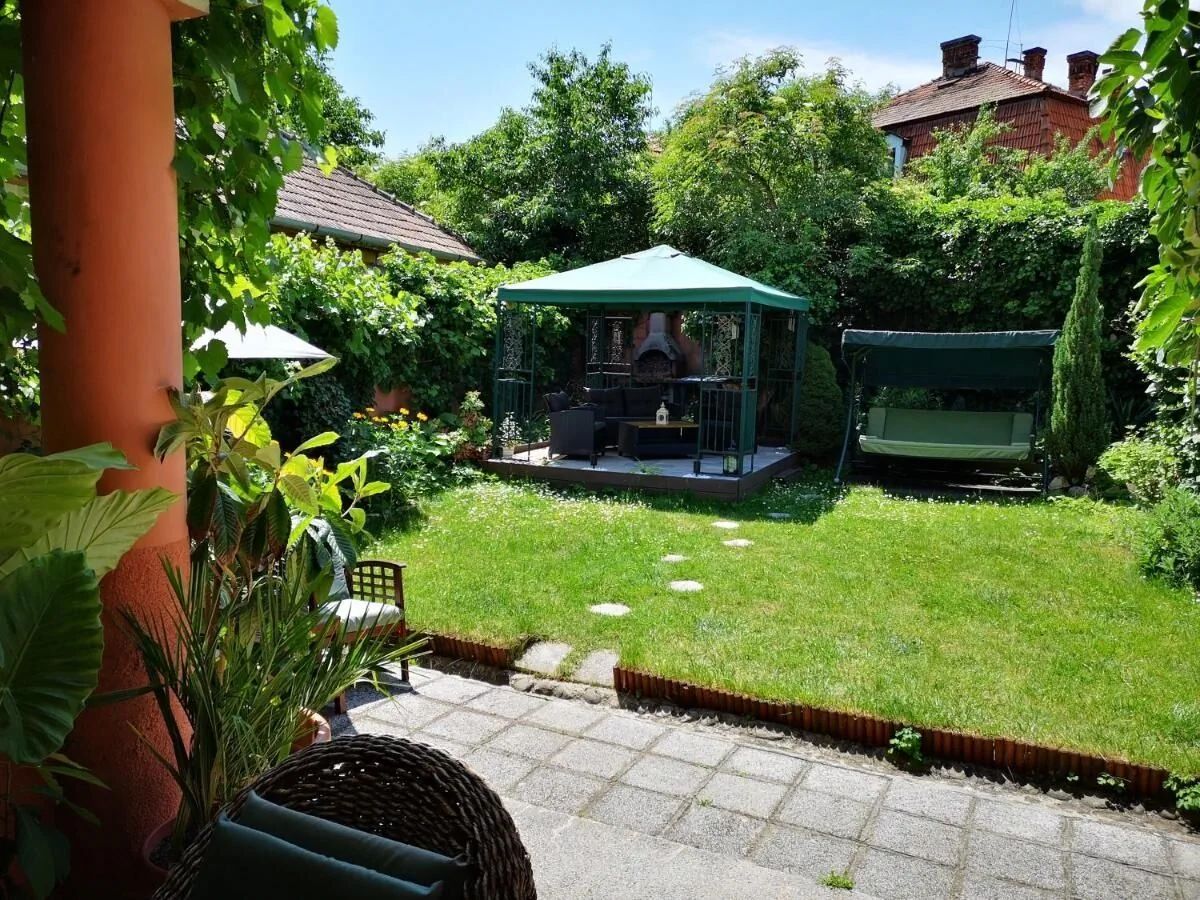
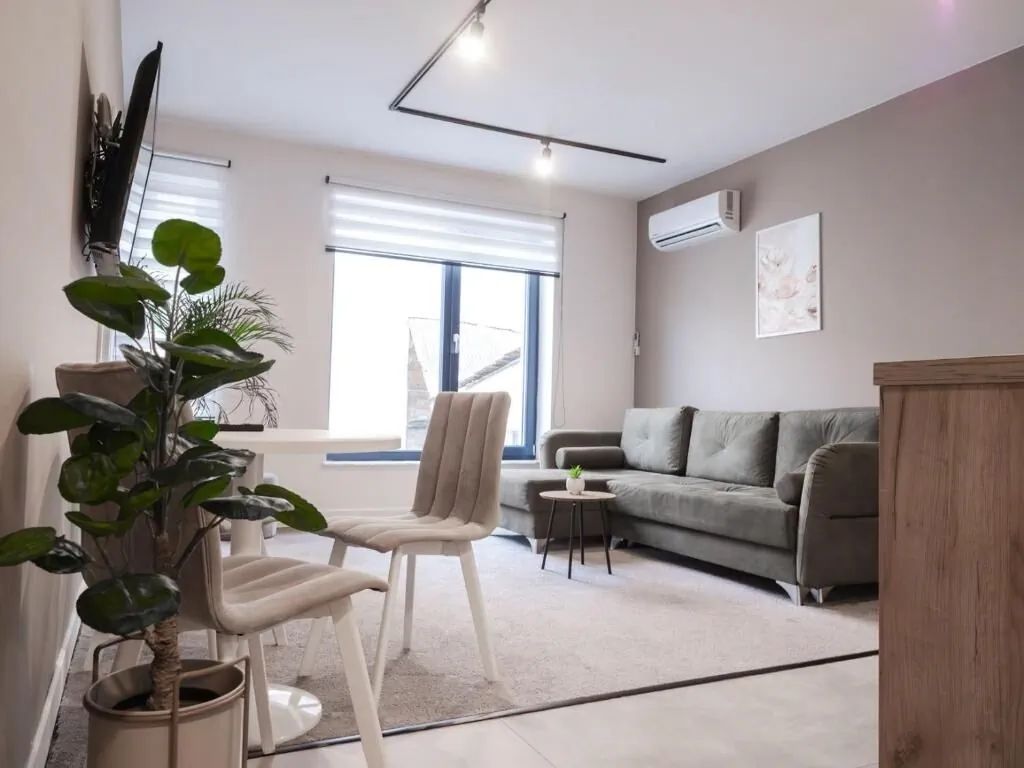
Villa-Hotel Escala Cluj-Napoca
Comfort, relaxation and stunning views, all just steps away from the main attractions.
FROM
420 lei per night
Hotel · 3 stars
Cluj-Napoca, Cluj County · 0.3 km
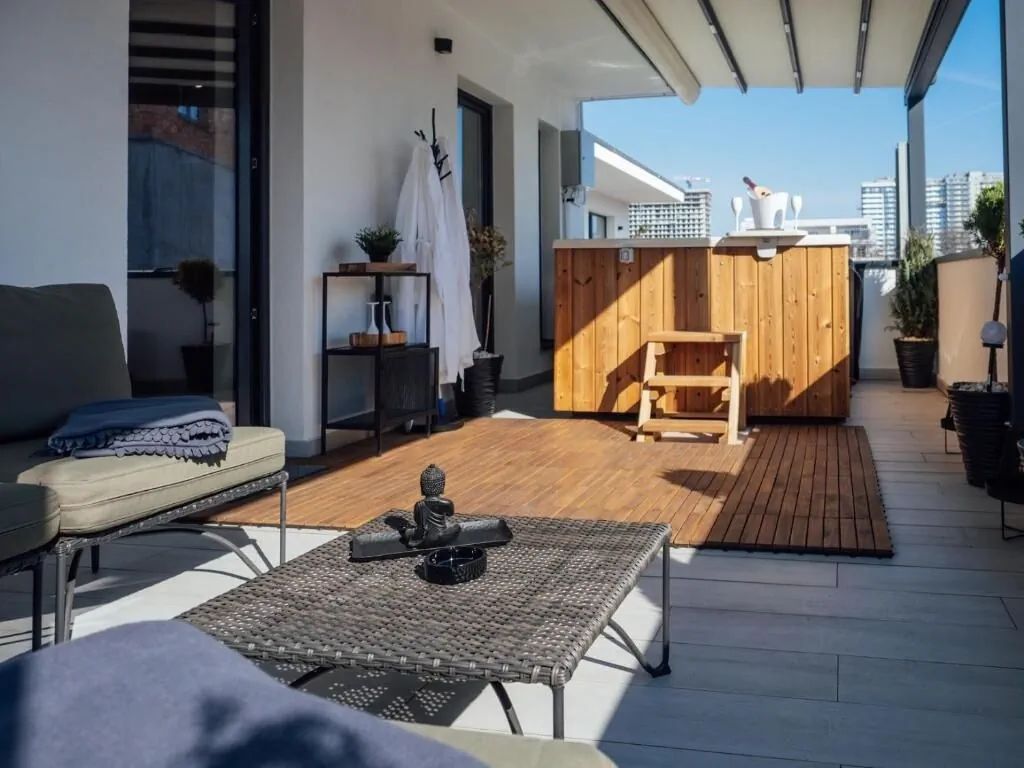
GAVAS Modern Central Apartments Cluj-Napoca
Hotel cu 3 stele situat în Cluj-Napoca, GAVAS Modern Central Apartments vă oferă cazare într-un cadru modern și bine întreținut, pe strada Academician David Prodan 6-8. Apartamentele sunt amenajate cu atenție la detalii, oferind un mediu plăcut, funcțional și primitor pentru șederea dumneavoastră în oraș. Unitatea pune la dispoziție facilități practice pentru confortul dumneavoastră: Wi-Fi gratuit, lift, parcare privată gratuită și parcare pentru biciclete. De asemenea, beneficiați de fier de călcat, depozit pentru bagaje și o cafenea în incintă, unde puteți savura o cafea înainte de a explora împrejurimile sau de a vă întoarce după o zi de vizitat obiectivele din oraș. În apropiere se află obiective turistice importante pe care le puteți vizita cu ușurință: Biserica Sfântul Mihail din Cluj, Muzeul Național de Istorie Cluj-Napoca, Muzeul de Artă Cluj Napoca, Cetățuia din Cluj și Mănăstirea Nicula. Astfel, aveți ocazia să descoperiți atracțiile culturale și istorice ale zonei și să vă bucurați de atmosfera orașului. Vă așteptăm la GAVAS Modern Central Apartments Cluj-Napoca.
FROM
290 lei per night
Apartment · 3 stars
Cluj-Napoca, Cluj County · 0.3 km
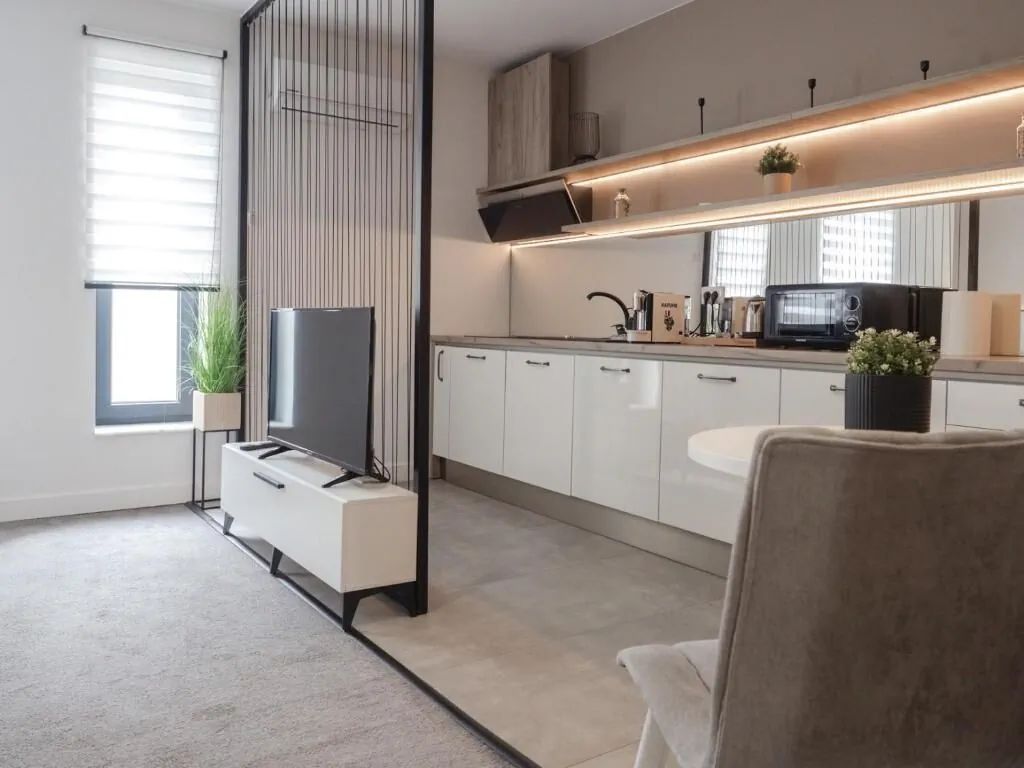
GAVAS Jacuzzi Relax Zen Apartment Cluj-Napoca
Cei care caută un loc de odihnă într-un ambient plăcut vor aprecia GAVAS Jacuzzi Relax Zen Apartment din Cluj-Napoca. Acest apartament clasificat cu trei stele reprezintă o alegere potrivită pentru un sejur relaxant în oraș, oferind condiții moderne și un spațiu bine organizat, potrivit atât pentru călătorii de afaceri, cât și pentru vacanțe. Printre facilități se numără cada cu hidromasaj, ideală pentru a vă destinde după o zi plină de activități. Bucătăria complet utilată vă oferă libertatea de a pregăti preparatele preferate, iar zona de relaxare este potrivită pentru momente de liniște. Dormitorul amenajat cu grijă asigură un somn odihnitor, iar baia completează spațiul cu un aer elegant și funcțional. Situat într-o zonă liniștită, apartamentul vă pune la dispoziție acces rapid către cele mai importante obiective turistice. Puteți vizita Biserica Sfântul Mihail din Cluj, Muzeul Național de Istorie Cluj-Napoca, Muzeul de Artă Cluj Napoca, Cetățuia din Cluj și Mănăstirea Nicula, descoperind astfel istoria și cultura zonei. Vă așteptăm să rezervați un sejur plăcut în acest apartament din Cluj-Napoca.
FROM
230 lei per night
Apartment · 3 stars
Cluj-Napoca, Cluj County · 0.3 km
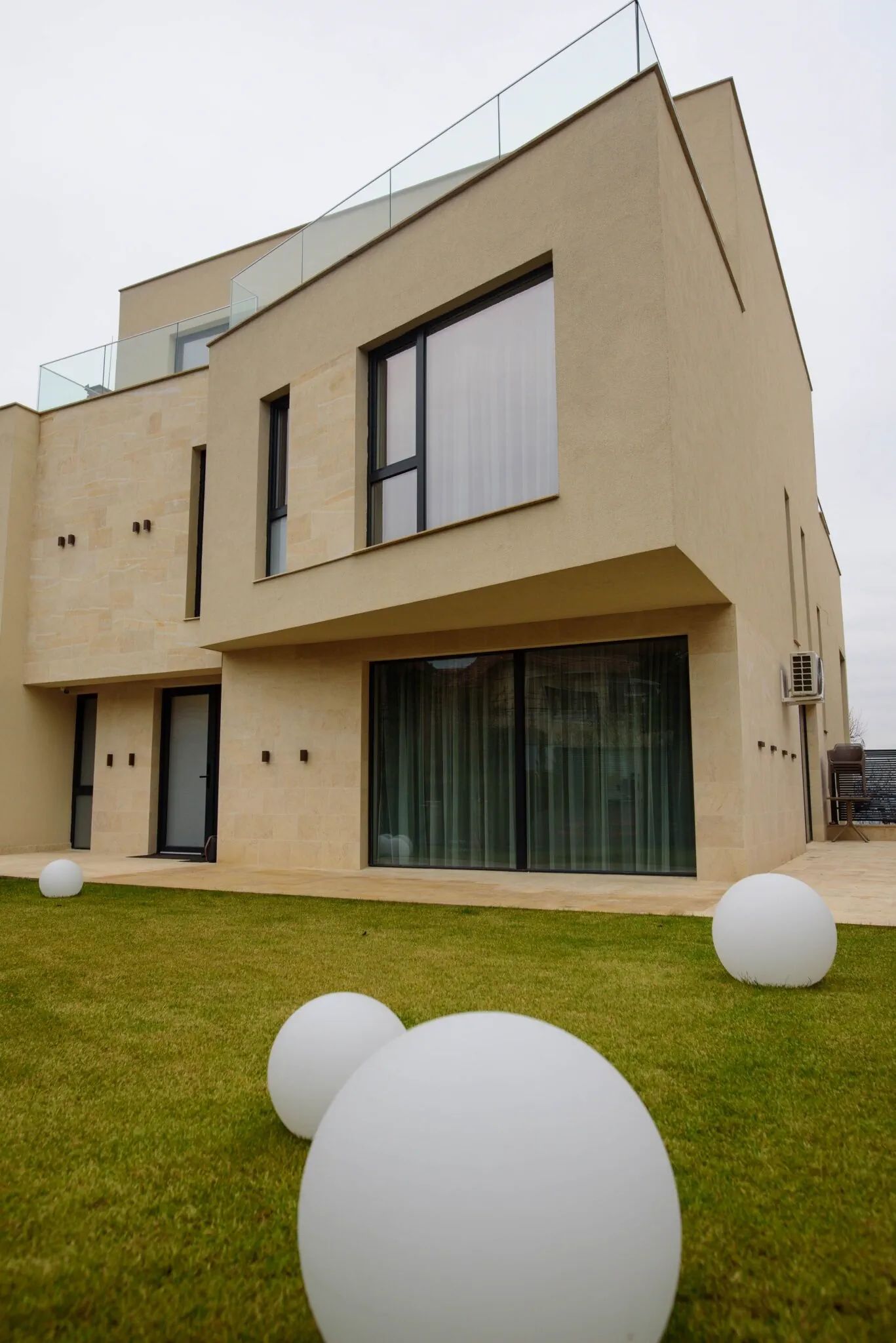
GAVAS Cozy Studios Central David Prodan Cluj-Napoca
O zi petrecută în aceste studiouri începe cu liniștea unei parcări private gratuite și continuă într-o bucătărie complet echipată, într-un spațiu luminos și modern. GAVAS Cozy Studios Central David Prodan, clasificat la trei stele, vă așteaptă în Cluj-Napoca, pe strada Academician David Prodan. Apartamentul oferă un cadru urban vibrant, potrivit atât pentru șederi de scurtă durată, cât și pentru perioade mai lungi. Spațiul de lucru confortabil și decorul elegant completează atmosfera primitoare, iar bucătăria mobilată și utilată le permite dumneavoastră să vă pregătiți mese în liniște, într-un mediu plăcut și bine organizat, care vă face să vă simțiți ca acasă. În apropiere puteți vizita Biserica Sfântul Mihail din Cluj, Muzeul Național de Istorie Cluj-Napoca și Muzeul de Artă Cluj Napoca. Cetățuia din Cluj și Mănăstirea Nicula completează lista obiectivelor turistice accesibile din zonă, oferindu-vă oportunități variate de explorare culturală și momente de relaxare. Seara, după o zi plină de explorare a orașului și a împrejurimilor, vă puteți întoarce la parcare fără grija căutării unui loc de stationare.
FROM
230 lei per night
Apartment · 4 stars
Cluj-Napoca, Cluj County · 0.4 km
BelleView Apartaments Cluj
BelleView Apartaments Cluj este un apartament de închiriat clasificat cu 4 stele, situat în Cluj-Napoca, pe strada Cetății 11. Această unitate reprezintă o opțiune de cazare potrivită pentru cei care doresc să exploreze orașul într-un cadru confortabil și bine amplasat. Facilitățile disponibile includ Wi-Fi gratuit, parcare privată gratuită și acces cu lift pentru un plus de comoditate în fiecare zi. Pentru siguranța bunurilor dumneavoastră, fiecare unitate dispune de seif, iar pentru momentele de relaxare puteți folosi terasa, terasa la soare sau barul din incintă. De asemenea, aveți la dispoziție fier de călcat și depozit pentru bagaje, astfel încât șederea să fie cât mai confortabilă. Spațiile exterioare oferă o curte mare și o grădină amenajată, perfecte pentru a vă bucura de aer liber și de liniște. Puteți organiza mese în aer liber folosind grătarul sau barbeque-ul pus la dispoziție. În vecinătate se găsesc obiective turistice semnificative: Biserica Sfântul Mihail, Muzeul Național de Istorie, Muzeul de Artă, Cetățuia și Mănăstirea Nicula, toate interesante pentru vizitare. Vă așteptăm cu drag la BelleView Apartaments Cluj.
FROM
320 lei per night
BEFORE YOU HIT THE ROAD
Weather conditions in Apahida
Local forecast for Neolog Synagogue in Cluj (Deportation Memorial Temple), Apahida, Cluj

Real-time updated weather data
Much more to explore in this area
Nearby tourist attractions

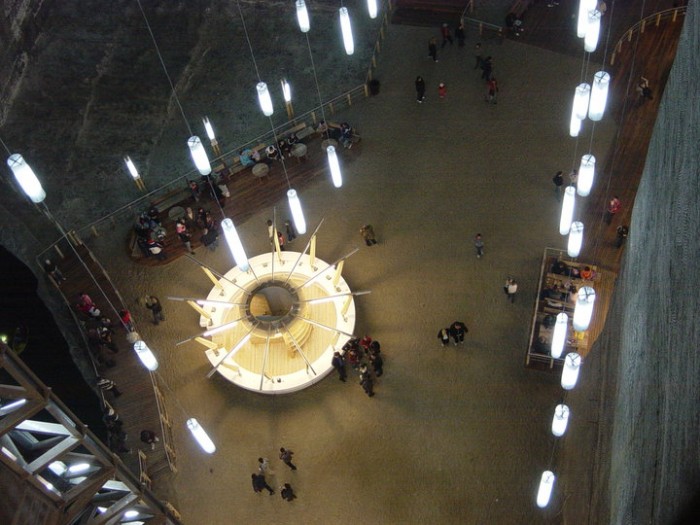

Turda, Cluj County
Turda Salt Mine
Se gaseste in zona Durgau-Valea Sarata din Turda; prima atestare documentara a extragerii sarii in Turda dateaza din anul 1271; cele patru mine din adancurile...
26.0 km
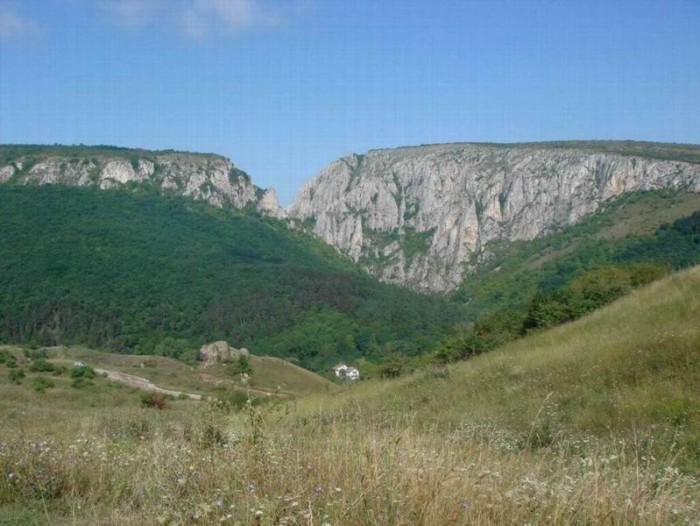
Apahida, Cluj County
Turda Gorge
Situate la o distanta de 6 km vest de Turda, de-a lungul Vaii Hasdate; ocupa o suprafata de 324 ha si s-au format prin erodarea rocii de calcar jurasic;...
24.7 km

Apahida, Cluj County
St. Michael's Church, Cluj-Napoca
Situata in Piata Unirii, Cluj-Napoca; istoria bisericii Sfantul Mihail coincide cu inceputurile Clujului ca si oras; biserica a fost inaltata pe un teren care...
0.8 km
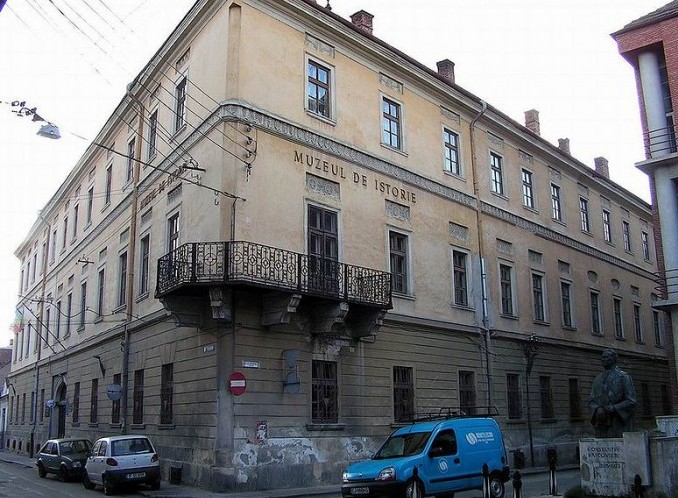
Apahida, Cluj County
National Museum of History of Cluj-Napoca
Situat pe strada Constantin Daicoviciu 2, Cluj-Napoca; cunoscuta si drept Casa Petrechevich-Horvath drept, este continuatorul primei asociatii muzeale din...
0.7 km

Apahida, Cluj County
Art Museum of Cluj-Napoca (Bánffy Palace)
Situat in Piata Unirii 30, Cluj Napoca; infiintat ca institutie in anul 1951, muzeul functioneaza din anul 1956 in Palatul Banffy, o cladire baroca construita...
0.4 km
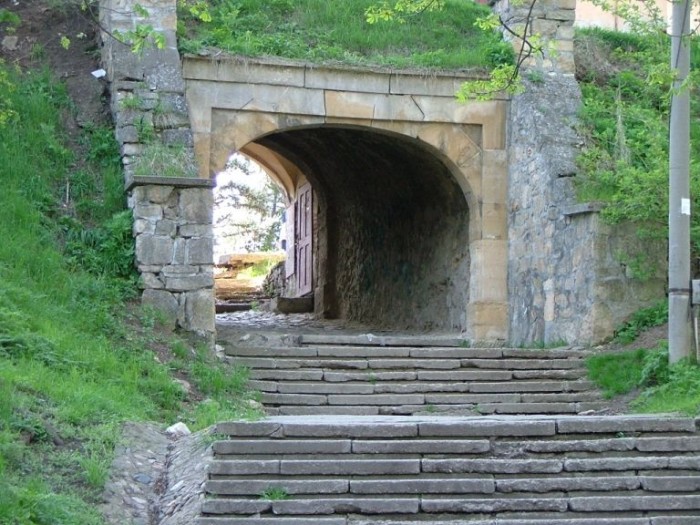
Apahida, Cluj County
Cluj Citadel (Cetățuia)
La fel ca si Cetatea din Alba Iulia, Cetatuia a fost proiectata de arhitectul militar italian Giovanni Morandi Visconti, in timpul guvernarii militare a...
0.4 km
Nicula, Cluj County
Nicula Monastery
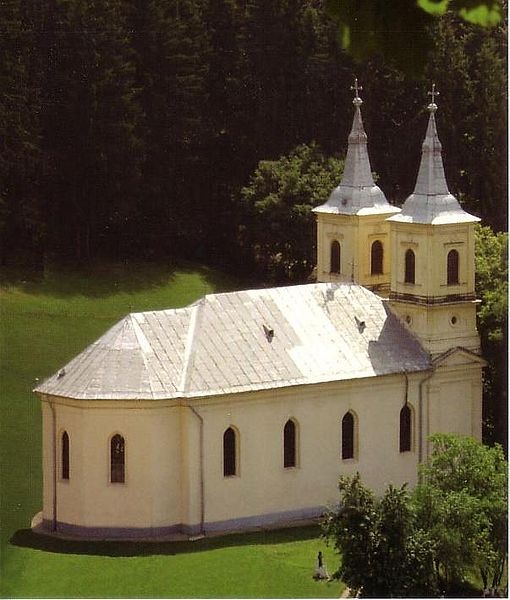
Situata in localitatea Nicula, orasul Gherla; manastire de calugari; poarta urmatoarele hramuri: Adormirea Maicii Domnului, Sfantul Nicolae, Buna Vestire;...
0.8 km
Apahida, Cluj County
Cluj Citadel
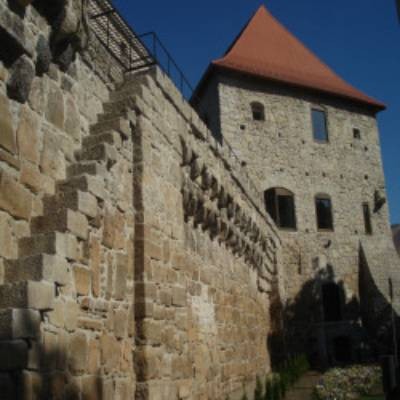
Pentru a construi cetatea romanii au folosit ca si hotare ale cetatii in primul rand Canalul Morilor si Paraul Tiganilor, care trece prin Gradina Botanica si...
1.4 km

Apahida, Cluj County
Transylvania Ethnographic Museum
Situat pe strada Memorandului nr. 21 din Cluj-Napoca; infiintat in 1922, detine colectii cu piese extrem de valoroase, achizitionate pe baza unor cercetari de...
0.8 km

0.9 km

Apahida, Cluj County
Turda Gorge Nature Reserve
Situate de-a lungul Vaii Hasdate; reprezinta una dintre cele mai cunoscute atractii turistice din Romania -privelistea, peretii inalti de stanca, vegetatia si...
24.4 km

37.6 km
Cultural life and traditions
Events in the Neolog Synagogue in Cluj (Deportation Memorial Temple) area
Medieval festivals, traditional fairs, concerts and local activities recommended in Transylvania.

Heritage and History

Apahida, County of Cluj
The Festival of Medieval Fortresses and the Open Doors Days
Guided night tours, traditional crafts workshops and historical re-enactments featuring knights and ladies.
WHEN
May 15-17, 2026


Traditions and Cuisine
Apahida, County of Cluj
The Fair of Saxon Traditions and Local Cuisine
Discover local producers, traditional Saxon pastries baked in a wood-fired oven, artisanal syrups, and rhubarb jam.
WHEN
Every weekend (May - October)

Ecotourism and Nature
The hills of Transylvania, County of Cluj
Guided Hikes on the Transylvanian Hills Trail
Take excursions along unmarked trails through ancient meadows, centuries-old oak trees, and villages with fortified churches that are UNESCO World Heritage sites.
WHEN
Friday – Sunday (Season 2026)
On foot, exploration gains depth
Discover the surroundings and local geography
Explore the trails, terrain, and natural landmarks around Neolog Synagogue in Cluj (Deportation Memorial Temple).

Guides and practical tips
Useful travel articles
Travel guides, practical recommendations and tourist itineraries for Transylvania.

Tourist guide
Top 5 Atracții Turistice și Trasee Montane în Zona Moieciu - Bran
Descoperă cele mai spectaculoase peisaje carstice, chei adânci și cetăți medievale din imediata apropiere a stațiunii Moieciu.

Tourist guide
Ghid de Drumeție: Traseul Moieciu de Sus spre Platoul Bucegi
Un itinerariu montan de o frumusețe rară ce urcă din Valea Băngăleasa spre Poiana Guțanu și crestele maiestuoase ale Bucegilor.

Tourist guide
Castelul Bran: Istorie, Legende și Secrete Medievale
Află adevărata poveste a fortăreței medievale din Pasul Bran, reședința de suflet a Reginei Maria a României.
THE JOURNEY STARTS WITH AN IDEA
The next story is on the way.
From the first stop to the last stay, make room for a new Romania.
