


CASTLE · TRANSYLVANIA
Rupea Fortress

Brasov, Brașov County
Add location to your trip planner.
Practical access information

VISITING HOURS
Check the local visiting schedule

TICKET PRICE
Information available at the cashier's desk

RECOMMENDED VISIT DURATION
1-2 hours
Sources and external references
Wikipedia Encyclopedia (EN)
Visitor information and guide
 Navigate with Google Maps

ABOUT RUPEA FORTRESS
A Spiral of Stone on Europe’s Frontier
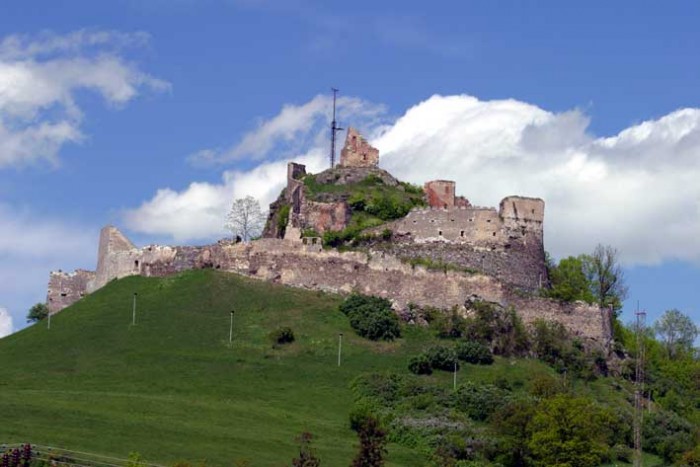
Rising majestically atop Cohalm Hill, approximately fifty kilometers west of Brașov, amidst a landscape of exceptional geological rarity, Rupea Fortress presents itself to travelers as a gigantic spiral of stone and history. It unfolds in three concentric rings that ascend toward the sky like the steps of a civilization that knew how to adapt and endure. This fortification, once known as Cohalm or Reps, stands as one of the most eloquent examples of medieval military architecture in Central and Eastern Europe—a silent witness to the centuries when empires clashed through fire and stone, and communities defended their existence behind impregnable walls. Strategically positioned along the ancient trade route connecting Transylvania to Wallachia and Moldavia, the fortress served for centuries as a vital hub in Europe’s economic exchange network, a commercial crossroads where imperial roads intersected with the aspirations of a community in search of identity. Beyond its defensive role, Rupea embodies the spirit of an era in which military architecture transcended mere protective function, becoming the expression of a civilization capable of blending precise engineering with the art of construction, in continuous dialogue with the great artistic currents of medieval and early modern Europe.
Historical Roots and the European Context of Saxon Colonization
The first documented mention of the fortress dates to 1324, a period when Europe was in the midst of reorganization following the great Mongol invasion of 1241–1242. The Kingdom of Hungary, under the Angevin dynasty, sought to consolidate its eastern borders through the systematic colonization of Transylvanian territories with German populations. This policy of colonization, akin to the Ostsiedlung processes in Poland, Prussia, and the Baltic regions, brought Saxon communities to Transylvania. These settlers built fortresses such as Sibiu, Sighișoara, Mediaș, and Rupea, forming a coherent defensive system against the Ottoman expansion threatening Europe from the southeast. Rupea Fortress traces its origins to an older fortification, possibly of Dacian-Roman or early medieval origin, which was extensively rebuilt and expanded by Saxon colonists who recognized the site’s strategic value for controlling the valleys and Carpathian passes. The historical context of its construction is inseparable from the evolution of Europe’s great empires: as the Byzantine Empire crumbled under the blows of crusaders and Ottomans, and the Holy Roman Empire fragmented into rival principalities, the Saxon communities of Transylvania constructed a network of fortresses reminiscent of the Teutonic Knights’ defensive systems in Prussia or the Hanseatic fortifications of northern Germany. The year 1324 marks not only the first written mention of Rupea but also the moment it became a vital administrative and economic center, hosting twelve craft guilds that transformed it into a true fortress-city. Its economy, based on trade in salt, grain, and manufactured goods, mirrored the development of the Hanseatic League’s burghs or the Italian city-states of the 14th century.
Military Architecture: The Evolution of a Fortress Across Three Eras
The architectural complex of Rupea Fortress unfolds in an impressive ascending spiral, composed of three distinct enclosures, each representing a different stage in the evolution of military techniques and the community’s defensive needs. The Upper Fortress, the oldest part dating from the 10th to 13th centuries, spans 1,500 square meters and reflects the influences of Romanesque and early Gothic architecture, with massive stone walls and defensive towers such as the Gunpowder Tower, the Thick-Topped Tower, and the Bacon Tower. Within this upper enclosure lay essential chambers for survival during sieges: the Judge’s Chamber, symbolizing the legal autonomy of the Saxon community, and the Priest’s Chamber, underscoring the close link between military defense and spiritual life. A remarkable engineering feat is the 59-meter-deep well, carved directly into the rock, which never ran dry over the centuries, ensuring fresh water for inhabitants even during the longest sieges—a technical achievement comparable to the medieval wells of crusader fortresses in the Middle East or Byzantine strongholds in the Balkans.
The Middle Fortress, built in the 15th century and substantially modified in the 17th century under the influence of Renaissance and Baroque military architecture, houses a unique pentagonal tower in Europe, an architectural innovation demonstrating the adaptability of Transylvanian military engineers to new artillery techniques. Adjacent to this exceptional tower are the Grated Tower and a chapel, representing a rare example of late Gothic military architecture with visible influences from the German and Austrian spheres. The Lower Fortress, constructed beginning in the 18th century during the Habsburg domination of Transylvania, completes the defensive system with the fortress keeper’s residence and the military warehouse, reflecting the transition from the autonomous medieval fortress to a fortification integrated into the Austro-Hungarian Empire’s military system. This evolution across three architectural stages places Rupea in a unique category within Europe’s fortification landscape, alongside similar complexes in Sighișoara and fortresses in Saxony, Bavaria, or Austria, where concentric enclosure systems represented the pinnacle of premodern military engineering.
Daily Life and the Spirituality of the Saxon Community
Beyond its defensive walls, Rupea Fortress was the heart of a vibrant community life, where twelve craft guilds—from carpenters and blacksmiths to weavers and tanners—operated within an organized system reminiscent of the corporate structures of northern Italian or Flemish cities. These guilds were not merely economic entities but also military and social organizations, with each member obligated to participate in the fortress’s defense and contribute to the upkeep of its walls. The community’s spiritual life centered around the nearby Evangelical Church of Saint James, founded in the early 14th century and transformed in the 18th century in the Baroque style under the influence of Austrian and Bavarian art. This church preserves original Gothic elements such as sculpted portals and tall windows, alongside a historic organ built by master Johann Thois and a choir stall dating to 1609—testaments to an era when German art and craftsmanship profoundly influenced Transylvanian spirituality. The sacred and military ensemble of Rupea is part of the extensive network of fortified Saxon churches in Transylvania, included in the UNESCO World Heritage list, representing a unique contribution of German communities to Europe’s cultural heritage, akin to the influence of Saxons in the religious architecture of Sibiu, Biertan, or Viscri.
Turning Points and the Fate of a Fortress on the Empire’s Frontier
The history of Rupea Fortress is marked by numerous turning points reflecting the tumult of early modern Europe in the Southeast. Over the centuries, the fortification withstood Ottoman invasions that devastated Hungary and Transylvania, bearing witness to conflicts between the Ottoman Empire and the Habsburg Monarchy, as well as rivalries between Transylvanian princes and the Viennese central power. The year 1790 marks a definitive moment of abandonment, when the fortress was deserted due to extensive damage from recurring military conflicts and the evolution of siege technology, which rendered medieval walls ineffective against modern artillery. This fate mirrors that of many European fortresses that, after centuries of glory, were abandoned in favor of modern bastion-style fortifications, such as those built by the French engineers of Vauban or the Austrian military architects of the 18th century. Rupea thus remains a silent witness to an era when Saxon communities forged their identity through stone and faith, in continuous dialogue with Europe’s great architectural and political currents, from late Gothic to Habsburg Baroque.
Contemporary Guide: A Journey into the Heart of Transylvania
For the contemporary traveler seeking to discover the authentic atmosphere of a medieval Transylvanian fortress, Rupea Fortress offers an unforgettable experience, dominated by the exceptional panorama over the Burzenland region and the unique landscape of the surrounding geological reserve, characterized by mud volcanoes and rare geological formations. Located near the town of Rupea, formerly Cohalm, the fortress is accessible to both Romanian tourists and European visitors interested in the history of German communities in Eastern Europe and Transylvania’s cultural heritage. To fully enjoy the visit, it is recommended to consult the local opening hours and updated admission fees available at the monument’s ticket office, opting for morning or late afternoon hours to capture the golden light bathing the stone walls and avoid crowds. A walk through the three enclosures, followed by a visit to the nearby Evangelical Church, provides a profound immersion into the history of a community that shaped the cultural identity of an entire region for centuries, set within a natural landscape of remarkable beauty, where the medieval past meets the present in remarkable harmony.
Media gallery
Discover Rupea Fortress in pictures

20 photos · Architecture, courtyards and captivating details


Image source: Wikimedia Commons · Public domain photos · Free license
STAY A FEW DAYS, DISCOVER THE MAGIC
Accommodation in the Rupea Fortress area

Hotel · 3 stars

Рупя, Brașov County · 3.4 km
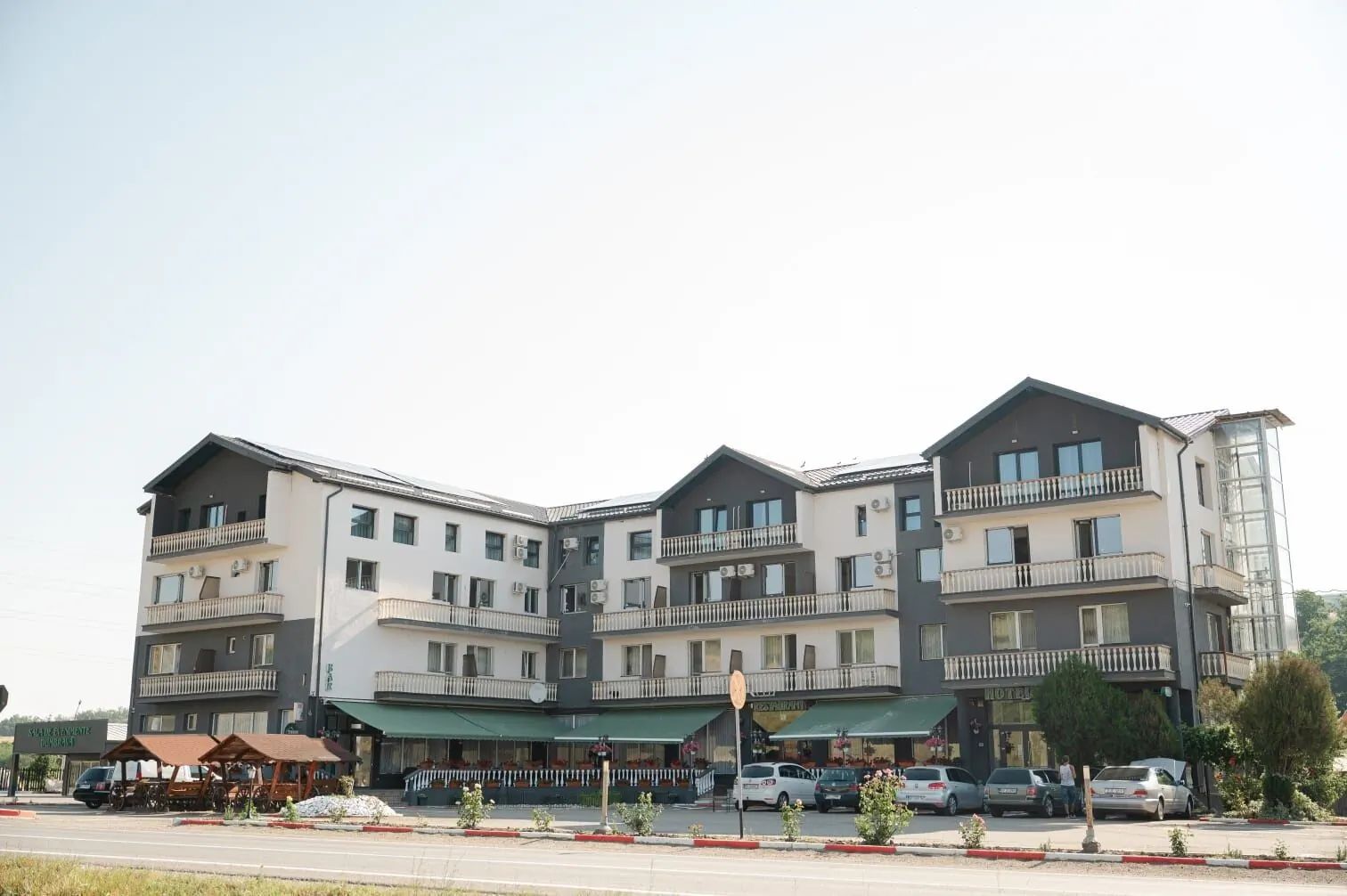
Hotel Dumbrava Rupea
Pe DN13, în localitatea Rupea din județul Brașov, se află Hotel Dumbrava Rupea. Unitatea oferă cazare confortabilă într-un cadru liniștit, cu facilități moderne și servicii complete pentru dumneavoastră, într-un loc accesibil de pe drumul european. Hotelul pune la dispoziție Wi-Fi gratuit în toate spațiile, parcare privată gratuită și acces facilitat pentru persoane cu dizabilități. Aveți la dispoziție lift pentru deplasare între etaje, bar în incintă pentru momente de relaxare, restaurant în incintă cu preparate diverse, room service și depozit pentru bagaje, astfel încât șederea să fie cât mai comodă. În aer liber, vă puteți bucura de o curte mare și o grădină amenajată unde puteți petrece timp plăcut alături de cei dragi. Puteți organiza un grătar sau barbeque, puteți găti preparate la ceaun în aer liber sau puteți practica pescuitul. Există și parcare pentru biciclete dacă doriți să explorați împrejurimile pe două roți. În apropiere puteți vizita Biserica fortificată din Viscri, Cetatea Rupea, Biserica fortificată din Homorod, Biserica fortificată Dârjiu și Ansamblul bisericii evanghelice fortificate, obiective care completează perfect sejurul dumneavoastră în zonă. Vă așteptăm să porniți în explorarea zonei, de exemplu spre Biserica fortificată din Viscri.
FROM
290 lei per night

Holiday home · 3 stars
Viscri, Brașov County · 9.3 km
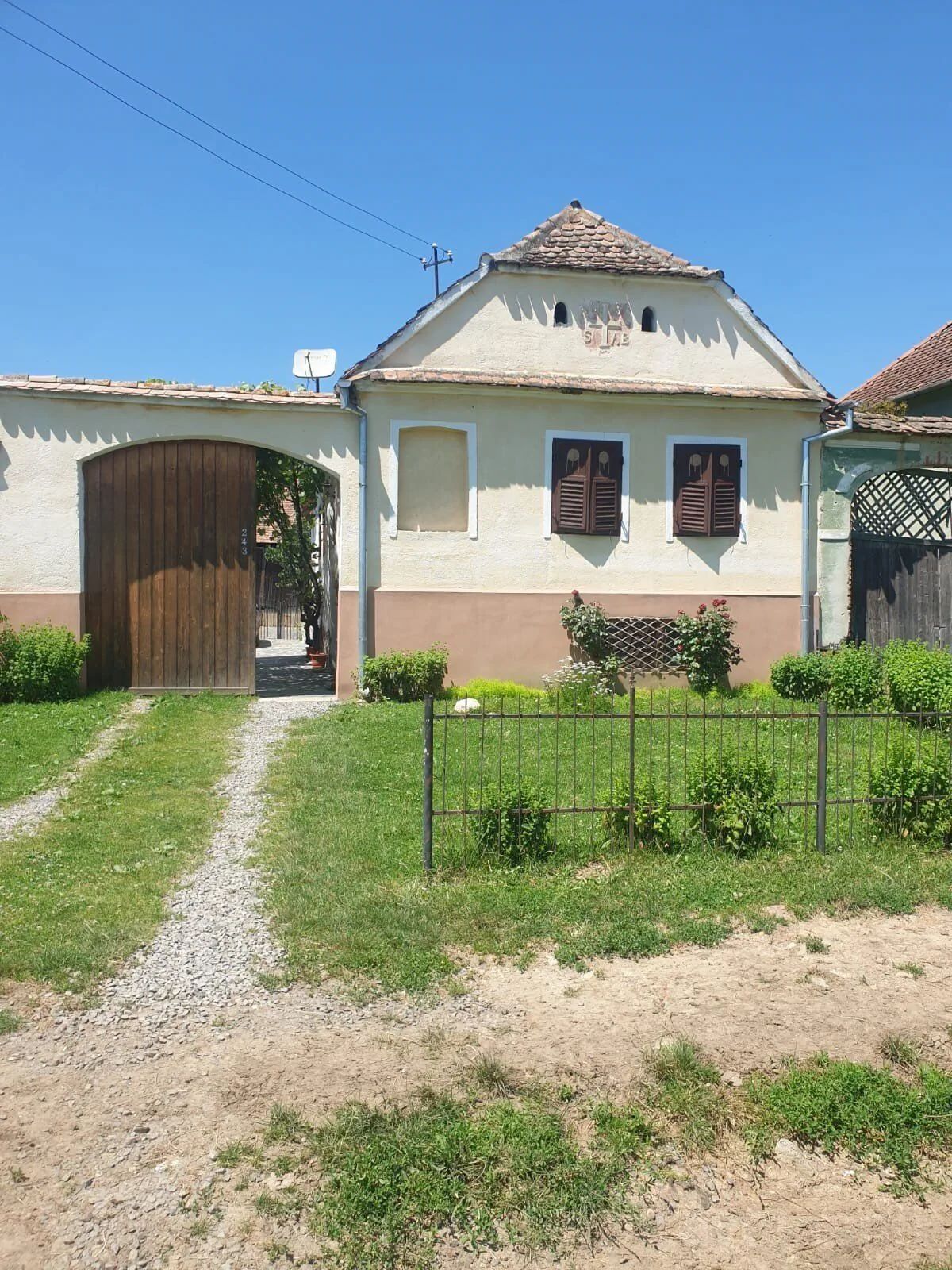
Casa Viscri
Comfort, relaxation and stunning views, all just steps away from the main attractions.
FROM
280 lei per night
Guesthouse · 3 stars
Mercheașa, Brașov County · 9.8 km
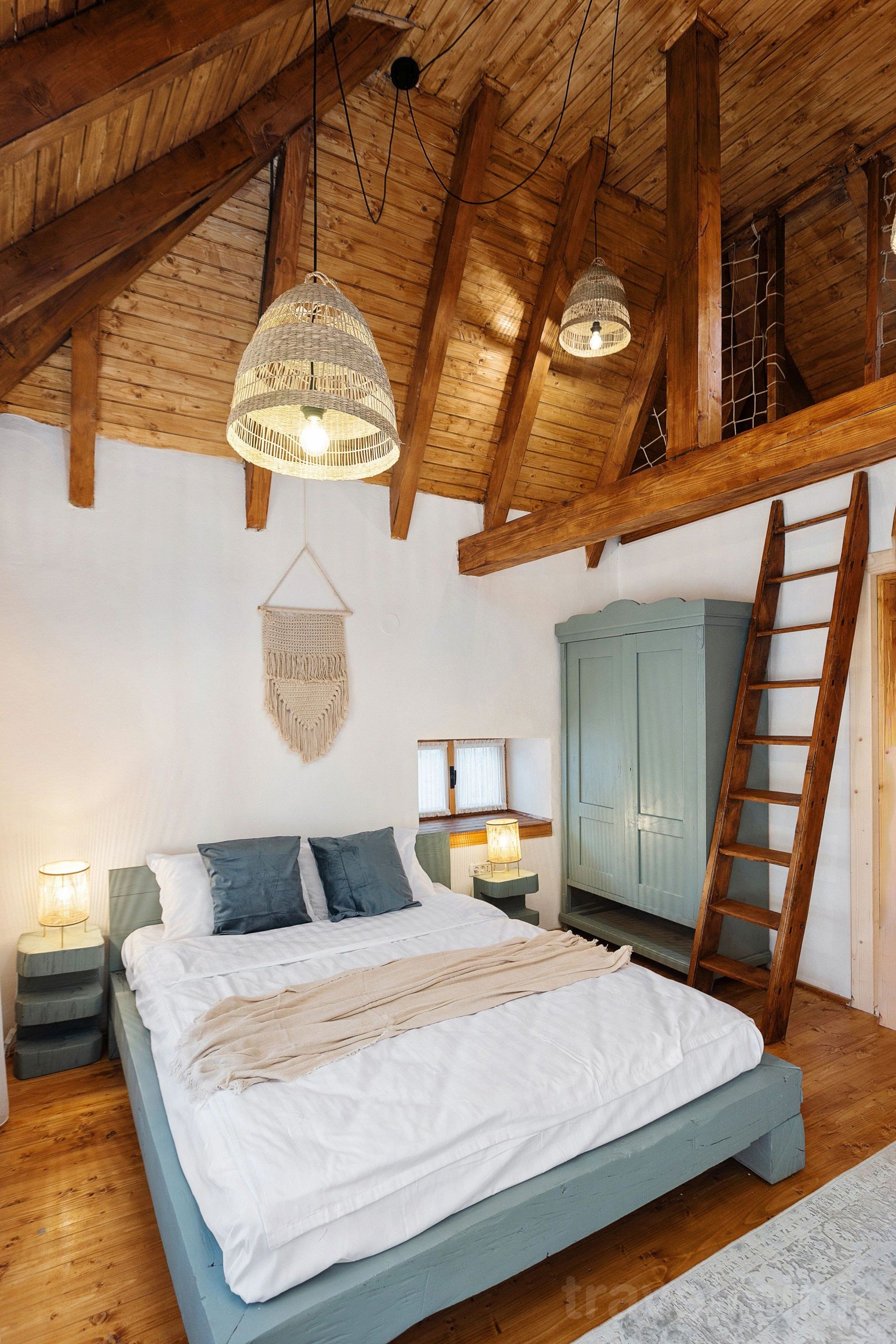
Casa Meburger 279 Mercheașa
Sauna de la Casa Meburger 279 din Mercheașa, județul Brașov, vă oferă momente de relaxare după zile pline de explorare în zonă. Această pensiune turistică de trei stele pune la dispoziția dumneavoastră cinci camere mobilate cu grijă, fiecare dotată cu grup sanitar propriu și acces la internet wireless gratuit în toate spațiile. În curtea mare și grădina amenajată puteți organiza mese la grătar sau barbecue, iar cei mici se pot distra în siguranță pe locul de joacă din exterior. Pentru activități în aer liber, aveți la dispoziție biciclete de închiriat și tenis de masă, toate facilitățile fiind disponibile gratuit pentru oaspeți. Familiile cu copii mici vor aprecia pătuțul pentru bebeluș și scaunul înalt pus la dispoziție. Animalele de companie sunt acceptate contra unei taxe, iar pentru servicii wellness suplimentare vă rugăm să consultați detaliile complete ale unității. În apropiere puteți vizita Biserica fortificată din Homorod, Cetatea Rupea, Biserica fortificată din Viscri, Biserica fortificată Dârjiu și Rezervația Naturală Vulcanii Noroioși de la Băile Homorod, toate fiind destinații accesibile pentru excursii de o zi. Beneficiați de parcare privată gratuită, camera se ocupă de la ora 15:00 și se predă până la ora 12:00, personalul vorbește română, engleză, germană și spaniolă, iar plata se poate efectua în numerar, cu card bancar, prin transfer bancar sau cu card de vacanță.
FROM
240 lei per night
Guesthouse · 3 stars
Buneşti, Brașov County · 13.9 km
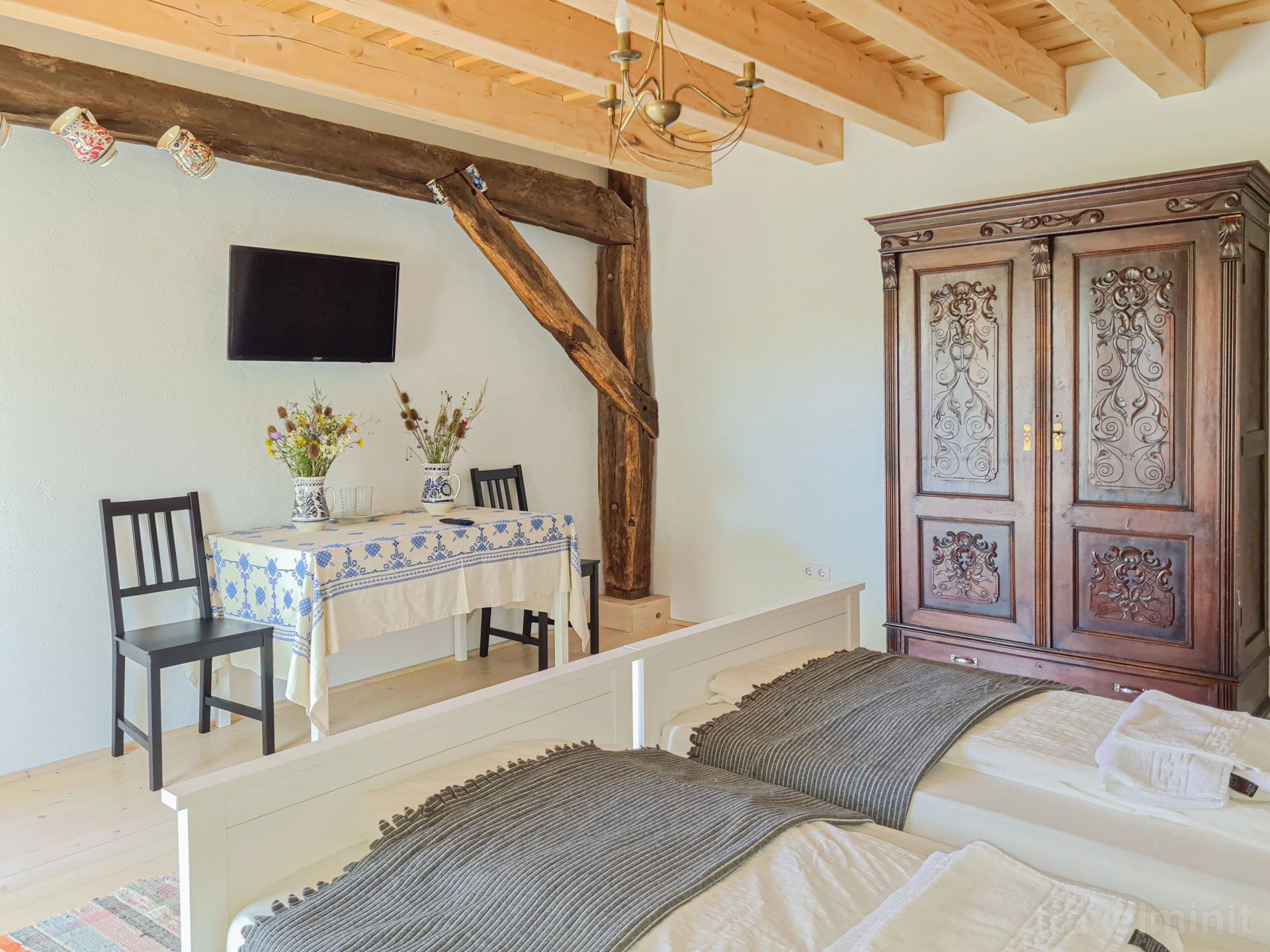
Pensiune Haus Rether Bunești
O zi petrecută la Pensiunea Haus Rether din Bunești începe în curtea mare și grădina amenajată, unde cei mici se pot distra pe locul de joacă exterior, iar seara puteți organiza un grătar la barbeque pentru întreaga familie. Pensiunea pune la dispoziție patru camere confortabile și plăcut amenajate, fiecare dotată cu baie proprie. Pentru cei care călătoresc cu bebeluși este disponibil un pătuț special. Parcare privată gratuită este asigurată în incinta proprietății, astfel încât mașina dumneavoastră să fie în siguranță pe toată durata șederii. La momentul rezervării puteți solicita și mic dejun contra cost, iar personalul vorbește fluent română, engleză și germană, fiind pregătit să vă ajute cu orice informație despre serviciile disponibile în cadrul unității. În imediata apropiere se află Biserica fortificată din Bunești, Biserica fortificată din Viscri, Biserica fortificată Saschiz, Biserica fortificată Dârjiu și Cetatea Medievală Sighișoara, obiective culturale care oferă numeroase posibilități de explorare în fiecare zi. Check-in-ul se efectuează începând cu ora 13:00, iar eliberarea camerei se face până la ora 11:00, vă așteptăm să descoperiți liniștea și frumusețea satului Bunești.
FROM
240 lei per night
Guesthouse · 3 stars
Racoș, Brașov County · 15.1 km
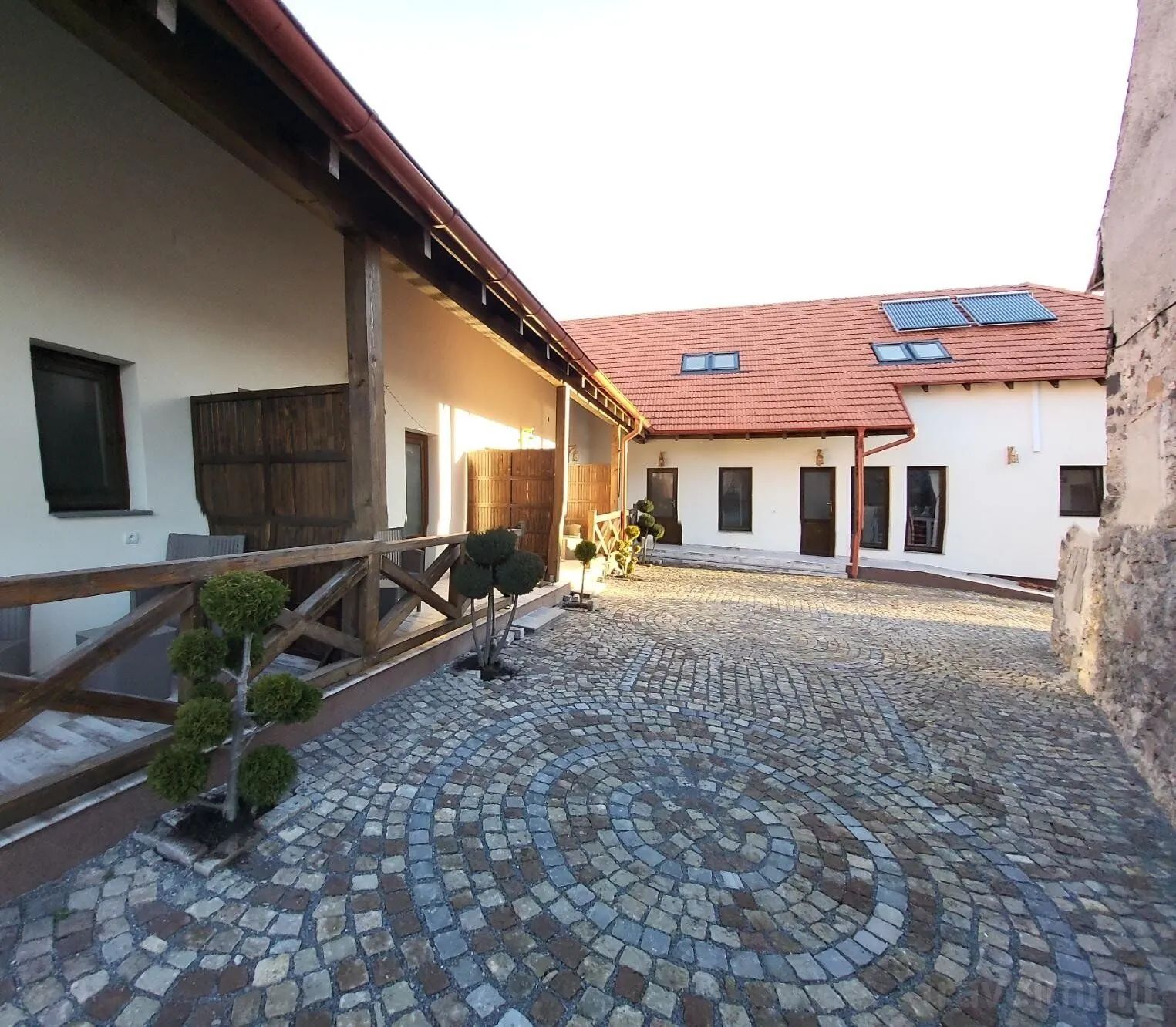
Pensiunea Castelana Racoș
În apropierea localității Racoș puteți vizita Cetatea Rupea, un obiectiv care merită explorat. Pensiunea Castelana Racoș, o unitate de cazare turistică clasificată cu trei stele situată în Racoș, județul Brașov, reprezintă punctul dumneavoastră de plecare pentru descoperirea acestor locuri. Pensiunea dispune de șapte camere mobilate cu gust, într-un ambient primitor. Beneficiați de conexiune Wi-Fi gratuită în întreaga unitate și de parcare privată gratuită pentru autoturismul dumneavoastră. Curtea mare și grădina amenajată oferă un spațiu generos pentru relaxare în aer liber. Pentru momente de liniște și destindere, aveți la dispoziție un jacuzzi sau o cadă cu hidromasaj. De asemenea, puteți organiza mese în aer liber folosind facilitățile de grătar sau barbeque puse la dispoziție. În apropiere se află și alte obiective turistice de neratat: Biserica fortificată din Homorod, Castelul Sukosd Bethlen din Racoș, Biserica fortificată din Maieruș și Biserica fortificată din Viscri. Toate aceste locuri pot fi vizitate cu ușurință pornind de la pensiune. Vă așteptăm la Pensiunea Castelana Racoș.
FROM
240 lei per night
Guesthouse · 3 stars
Criț, Brașov County · 17.2 km
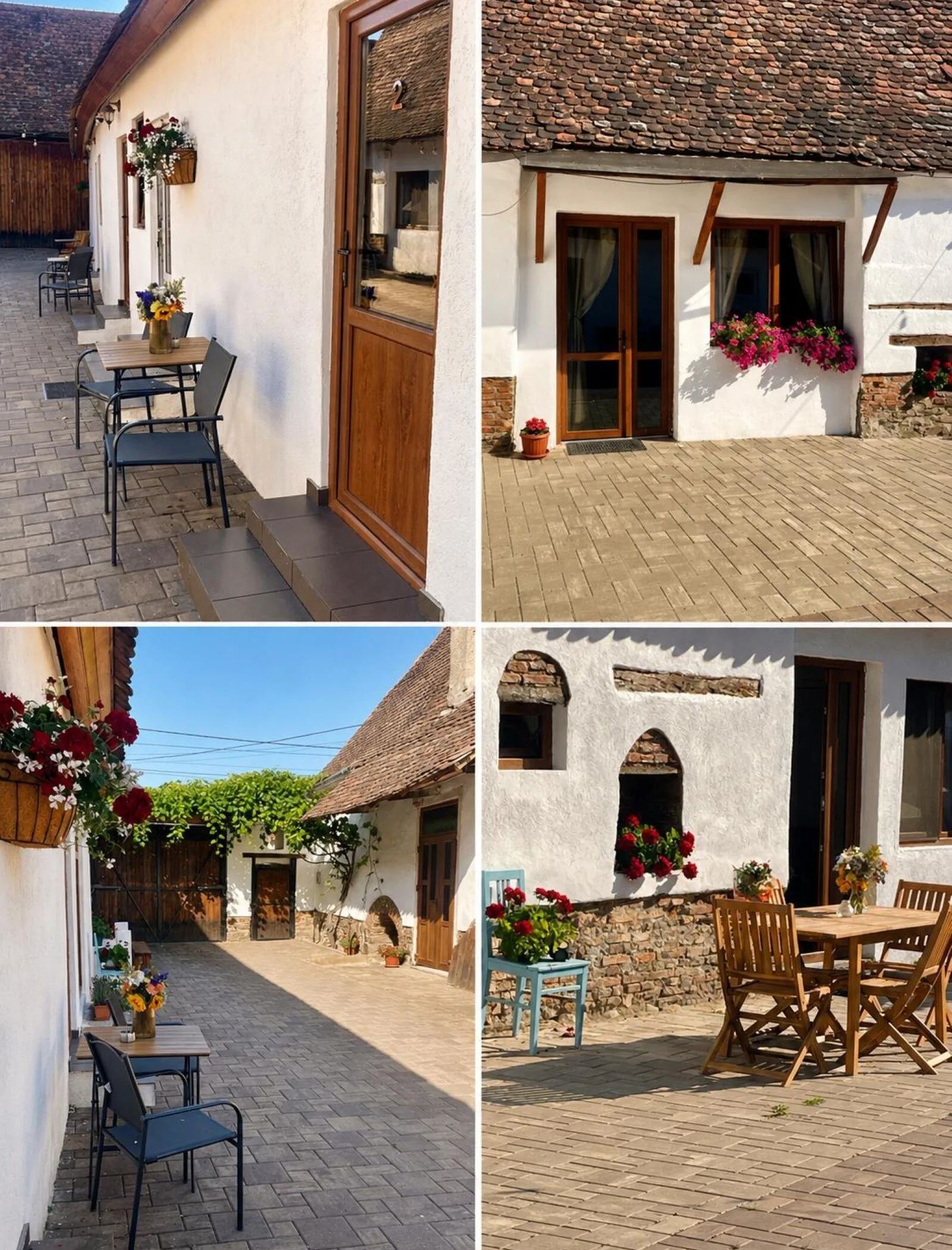
Pensiunea Family & Friends Criț
Comfort, relaxation and stunning views, all just steps away from the main attractions.
FROM
240 lei per night
BEFORE YOU HIT THE ROAD
Weather conditions in Brasov
Local forecast for Rupea Fortress, Brasov, Brașov

Real-time updated weather data
Much more to explore in this area
Nearby tourist attractions


Sighișoara, Mureș County
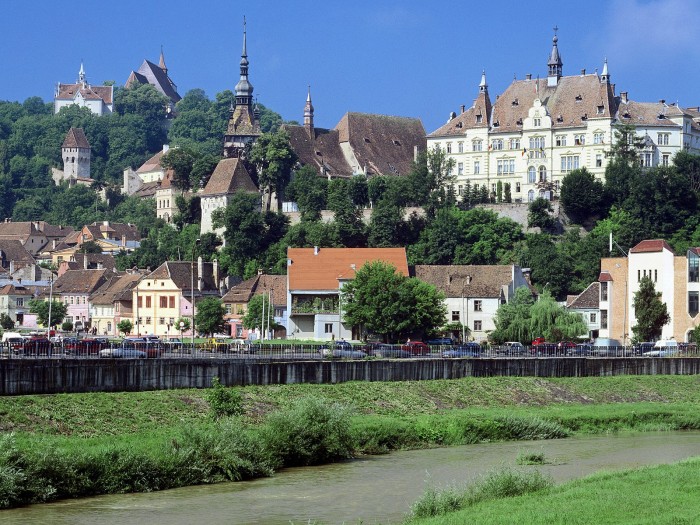
Sighișoara Medieval Citadel
Situata in centrul municipiul Sighisoara; inca din secolul al III-lea i.Hr. a existat pe acest teritoriu o cetate dacica, numita Sandava; romanii au ridicat...
38.2 km
Brasov, Brașov County
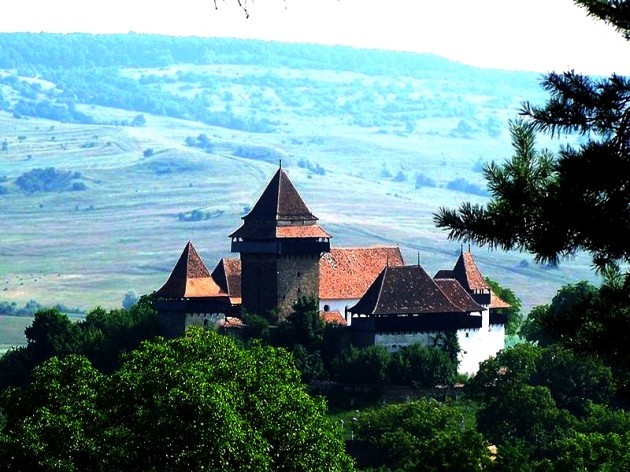
Viscri Fortified Church
Situata in localitate Viscri; construita in secolul al XIII-lea; din punct de vedere arhitectural apartine stilului romanic; are un plan de tip sala romanica;...
9.8 km
Harghita, Harghita County
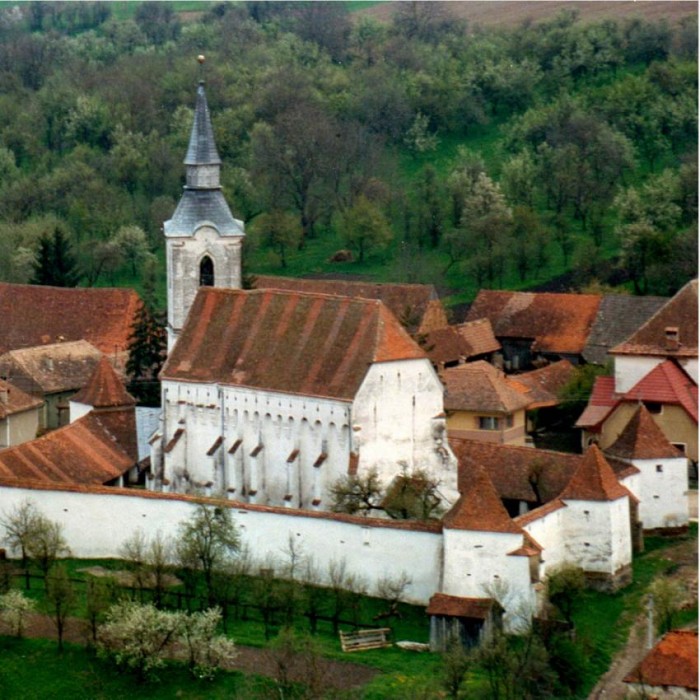
Dârjiu Fortified Church
Situata in localitatea Darjiu; construita intre secolele XIV - XV; initial, a fost ridicata in stil romanic, iar apoi a fost transformata in stil gotic; a...
18.4 km

Brașov, Brașov County
Black Church of Brașov (Evangelical Fortified Church Ensemble)
Heritage site in Braşov County, Romania
23.1 km
Danes, Mureș County
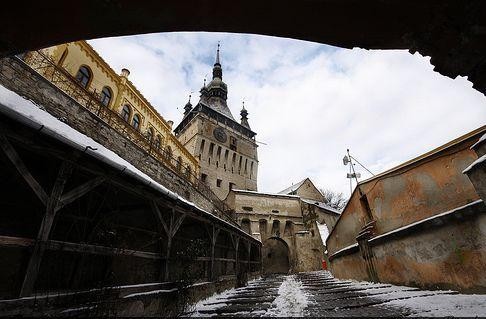
Sighișoara Clock Tower
Situat in partea de est a platoului inferior al Cetatii Sighisoara; construit in preajma secolului al XIV-lea, pentru a proteja poarta principala a orasului si...
38.2 km

26.1 km
Danes, Mureș County
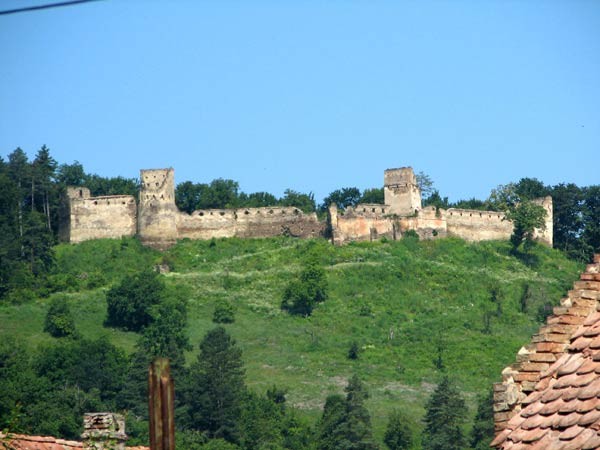
Saschiz Peasant Citadel
Situata pe aria localitatii Saschiz, la 2 km de vatra satului; lucrarile au inceput in 1347, fiind construita de comunitatea germana din zona; fortificatia a...
26.8 km
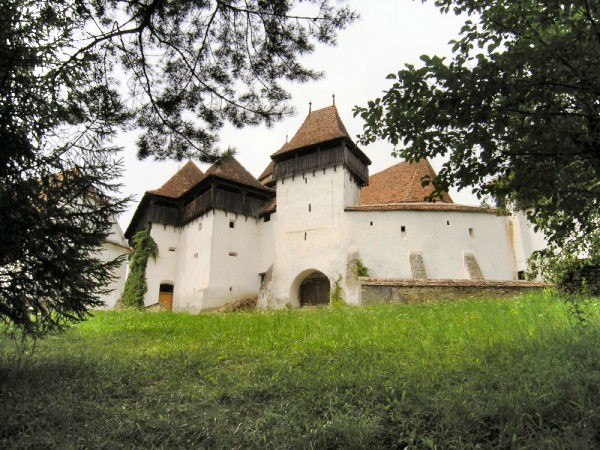
Brasov, Brașov County
Fortified Church of Homorod
Situata in localitatea Homorod, judetul Brasov; ridicata in secolul al XIII - lea; este printre rarele biserici ce au planul in forma de sala romanica; sala...
5.3 km
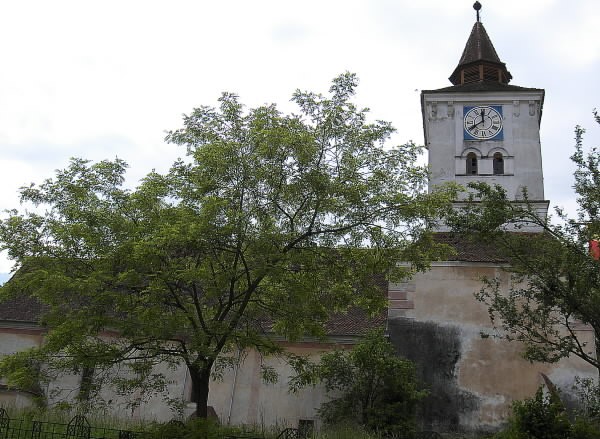
Brasov, Brașov County
Fortified Church of Maieruș
Situata pe strada Morii, localitatea Maierus, judetul Brasov; construita intre secolele XIV - XV; a fost modificata si marita in secolele XVII - XVIII; din...
29.4 km
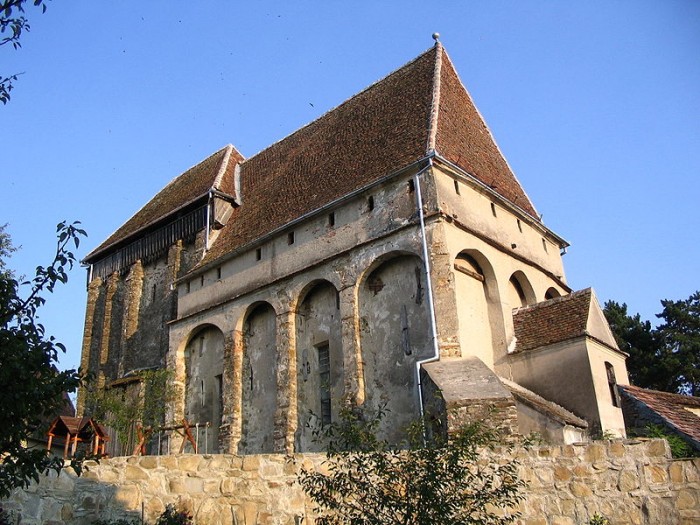
Selistat, Brașov County
Fortified Church of Seliștat
Situata in satul Selistat, comuna Soars, la 80 km de municipiul Brasov, judetul Brasov; prima atestare documentara a satului, dateaza din anul 1206; purta...
27.6 km

38.6 km
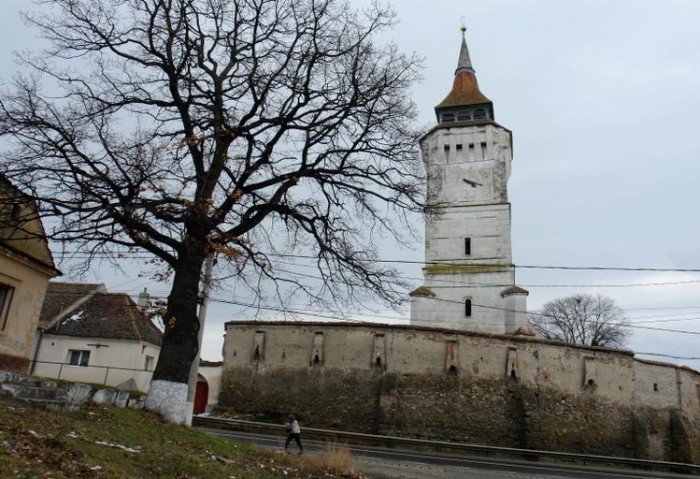
Brasov, Brașov County
Rotbav Fortified Church
Situata in localitatea Rotbav, la 20 km de municipiul Brasov, judetul Brasov; construita incepand cu anul 1250; la inceput a avut forma de basilica romanica,...
34.6 km
Cultural life and traditions
Events in the Rupea Fortress area
Medieval festivals, traditional fairs, concerts and local activities recommended in Transylvania.

Heritage and History

Brasov, County of Brașov
The Festival of Medieval Fortresses and the Open Doors Days
Guided night tours, traditional crafts workshops and historical re-enactments featuring knights and ladies.
WHEN
May 15-17, 2026


Traditions and Cuisine
Brasov, County of Brașov
The Fair of Saxon Traditions and Local Cuisine
Discover local producers, traditional Saxon pastries baked in a wood-fired oven, artisanal syrups, and rhubarb jam.
WHEN
Every weekend (May - October)

Ecotourism and Nature
The hills of Transylvania, County of Brașov
Guided Hikes on the Transylvanian Hills Trail
Take excursions along unmarked trails through ancient meadows, centuries-old oak trees, and villages with fortified churches that are UNESCO World Heritage sites.
WHEN
Friday – Sunday (Season 2026)
On foot, exploration gains depth
Discover the surroundings and local geography
Explore the trails, terrain, and natural landmarks around Rupea Fortress.

Guides and practical tips
Useful travel articles
Travel guides, practical recommendations and tourist itineraries for Transylvania.

Tourist guide
Top 5 Atracții Turistice și Trasee Montane în Zona Moieciu - Bran
Descoperă cele mai spectaculoase peisaje carstice, chei adânci și cetăți medievale din imediata apropiere a stațiunii Moieciu.

Tourist guide
Ghid de Drumeție: Traseul Moieciu de Sus spre Platoul Bucegi
Un itinerariu montan de o frumusețe rară ce urcă din Valea Băngăleasa spre Poiana Guțanu și crestele maiestuoase ale Bucegilor.

Tourist guide
Castelul Bran: Istorie, Legende și Secrete Medievale
Află adevărata poveste a fortăreței medievale din Pasul Bran, reședința de suflet a Reginei Maria a României.
THE JOURNEY STARTS WITH AN IDEA
The next story is on the way.
From the first stop to the last stay, make room for a new Romania.
