


NATURE AND WILDLIFE · DOBRUJA
Trajan's Wall Nature Reserve

Constanta, Constanța County
Add location to your trip planner.

Practical access information

VISITING HOURS
Monday: 12:00 PM – 5:00 PM · Tuesday–Sunday: 9:00 AM – 5:00 PM (in summer until 8:00 PM)

TICKET PRICE
Adults: 45 RON · Students: 11 RON · Seniors: 23 RON · Guided tour included

RECOMMENDED VISIT DURATION
2-3.5 hours
Visitor information and guide
 Navigate with Google Maps

ABOUT TRAJAN'S WALL NATURE RESERVE
Where Empire Meets the Steppe: A Gateway to Antiquity
In the undulating landscape of historical Dobruja, where the azure sky of the Black Sea merges with the endless Pontic-Caspian steppe, a quiet earthen ridge has stood guard for two millennia. The Trajan's Wall Nature Reserve is not merely a protected area of five hectares located north of the eponymous commune; it is a place where Europe’s memory comes to life in a tangible and deeply moving way. Here, the imprint of Roman civilization blends with the untamed natural beauty of one of the continent’s oldest steppes, creating a dual landscape of rare beauty, where history and ecology converse in a universal language. This site offers a window into understanding how the Roman Empire shaped not only the political map but also the physical landscape of Southeastern Europe, leaving behind a monument that continues to fascinate archaeologists, botanists, tourists, and seekers of the profound meanings of the past.
Imperial Roots: From the Conquest of Dacia to the Black Sea Frontier
To grasp the true grandeur of Trajan’s Wall, we must return to the year 106 AD, when Emperor Trajan, after two bloody wars against King Decebalus, proclaimed Dacia a Roman province. This expansion of the empire to the northeast necessitated the rigorous organization of a new province, Moesia Inferior, and later, under Emperor Diocletian, its division into Moesia Secunda and Scythia Minor. The region between the Danube and the Black Sea, known in antiquity as Scythia Minor, represented a vital strategic corridor, a bridge between the Mediterranean world and the Eurasian steppes. Here, not only the administrative border but the entire Latin civilization had to be defended against the pressures exerted by migratory peoples from the depths of Asia. Trajan’s Wall, traditionally attributed to the construction period of 98-117 AD, was part of a vast defensive system stretching from the Black Sea to northern Europe, conceptually and functionally related to other great Roman engineering achievements, such as Hadrian’s Wall in Britain or the Germanic Limes along the Rhine. This frontier was not merely a military barrier but an instrument of civilization, a demarcation line between Roman order and the barbarian world, between Mediterranean agriculture and the nomadism of the steppes.
Trajan’s Wall in the European Context: A Component of World Heritage
When we view Trajan’s Wall beyond national borders, we discover that it represents an essential link in a chain of fortifications defining Europe’s history. Together with the Antonine Wall and Hadrian’s Wall in Scotland and northern England, the Germanic Limes in Germany and the Netherlands, the Danubian fortifications in Austria, Hungary, Serbia, and Romania, as well as the defense systems in the Middle East, this Dobrujan wall is part of what UNESCO has recognized as the "Frontiers of the Roman Empire"—a World Heritage site spanning over 5,000 kilometers. While Hadrian’s Wall, built between 122 and 128 AD, marked the northern boundary of the empire in Britain, and the Germanic Limes defended against Germanic tribes along the Rhine, Trajan’s Wall represented the eastern barrier, facing the unique challenges of the Pontic steppes. This diversity of geographical and cultural contexts led to specific architectural adaptations, yet the fundamental principle—fixing the boundaries of Roman civilization through massive earth and stone constructions—remains common to the entire system. Thus, the visitor who walks the paths of the reserve finds themselves in the company of a shared European history, akin to similar experiences at the empire’s frontiers from Portugal to Syria.
Millennia-Old Architecture: Engineering, Stone, and Time
From an architectural and construction standpoint, Trajan’s Wall is a masterpiece of Roman military engineering applied in an extremely hostile environment. The original structure consisted of an agger—a massive earthen rampart, with a height that could exceed four meters and a base width of over ten meters—accompanied in front by a fossa, a deep and wide ditch designed to impede enemy approach. Archaeologists have identified traces of this classic Roman defense system on the terrain, as well as later modifications made during the Byzantine and early medieval periods. Unlike the massive stone walls built by Hadrian in northern Britain, Trajan’s Wall in Dobruja was constructed predominantly from compacted earth and local gravel, an engineering solution adapted to the area’s limited resources and the need for rapid construction. In certain sectors, archaeological research has revealed stone foundations or traces of watchtowers, suggesting an evolution of the defensive system from a simple earthen barrier to a more complex fortification capable of withstanding prolonged sieges. This architectural adaptability reflects the practical genius of the Romans, who could tailor their military techniques to the specifics of each terrain, whether the damp hills of Britain, the banks of the Rhine, or the arid plains of Dobruja.
A Botanical Sanctuary on Ancient Ruins: The Biodiversity of the Steppe
Beyond its historical significance, the Trajan’s Wall Nature Reserve hosts an ecosystem of exceptional scientific value, representing one of the last refuges of authentic Pontic-Caspian steppe in Romania. This xerophilous vegetation, adapted to extreme aridity and pronounced thermal variations, has developed in a fascinatingly differentiated manner depending on the orientation of the slopes created by the ancient structure. On the southern slope of the wall, directly exposed to solar radiation and the hot winds from the Black Sea, the terrain remains almost devoid of woody vegetation, offering an open, almost lunar landscape dominated by perennial grasses such as fescue and feather grass. Here, in May and June, the flora bursts into a vibrant chromatic display, with shades of silvery green, golden yellow, and violet from species like dwarf iris and steppe sage. In contrast, the northern slope, more shaded and protected, has allowed the development of a denser vegetative cover, with resilient shrubs such as hawthorn and blackthorn, providing shelter for a diverse fauna of birds and insects. On the crest of the wall itself, where the soil is poor and drainage is excellent, endemic and rare species have found a unique refuge, forming a plant association reminiscent of the steppes of Central Asia, creating an ecological bridge between Southeastern Europe and the vast Eurasian expanses.
Tales of Blood and Stone: Turning Points and Personalities
The history of Trajan’s Wall is marked by dramatic moments that shook the foundations of the empire and tested the resilience of this frontier. In the 3rd century, the empire’s crisis and the massive invasions of the Goths, Carpi, and Bastarnae severely challenged the defensive system, necessitating urgent repairs and structural modifications. Emperor Aurelian, in 271 AD, was forced to withdraw the Roman legions and administration from Dacia, reorganizing the frontier much further south along the Danube, which transformed Trajan’s Wall into a secondary line of defense, though no less important for the security of the capital at Tomis. Later, during the Byzantine period, Emperor Theodosius I and his successors continued to fortify this area, integrating it into a broader defense system that included fortresses such as Sacidava or Noviodunum. In the Middle Ages, after the definitive withdrawal of Byzantine authority, the region came under the influence of the Ottoman Empire, and the wall remained a silent witness to the passage of civilizations. In the 19th century, with the renaissance of interest in antiquity and the development of archaeology as a science, researchers such as Grigore Tocilescu began to systematically document this monument, revealing its importance to the European world. Each layer of earth conceals the stories of people—Roman legionaries, Byzantine builders, Ottoman travelers, and modern researchers—who have left their mark on this unique place.
A Journey Through Time: A Practical Guide for Today’s Explorers
For the contemporary traveler seeking to experience this unique fusion of history and nature, the Trajan’s Wall Nature Reserve offers an accessible and profoundly moving experience. Located just a few kilometers north of the commune of Valu lui Traian, approximately 20 kilometers from Constanța, the reserve is easily reachable by following National Road DN 3, which connects the coast to the country’s interior on the route from Constanța to Cernavodă. Those traveling north toward Tulcea or the Danube Delta can make a well-deserved stop to explore this site. The optimal period for visiting is late spring, between mid-May and early June, when the steppe blooms into a living carpet of colors, and temperatures are pleasant for hiking. Additionally, late autumn offers a melancholic and photogenic landscape, with dried grasses shimmering in the golden light of sunset. Visitors are kindly asked to strictly respect the protected area status: do not pick rare plants, do not damage archaeological structures, and follow only the existing paths, thereby contributing to the preservation of this shared treasure. Nearby are other sites of inestimable value: the fortress of Histria, the first Greek colony on the Black Sea coast; the triumphal monument Tropaeum Traiani at Adamclisi, commemorating Trajan’s victory over the Dacians; and the rock-hewn complex at Murfatlar, offering the possibility of a complete foray into the ancient and medieval history of Dobruja. A visit to Trajan’s Wall is not merely a walk through nature but a journey through time, an encounter with the roots of European civilization in a setting of austere and profound natural beauty.
Media gallery
Discover Trajan's Wall Nature Reserve in pictures

2 photos · Architecture, courtyards and captivating details


Image source: Wikimedia Commons · Public domain photos · Free license
STAY A FEW DAYS, DISCOVER THE MAGIC
Accommodation in the Trajan's Wall Nature Reserve area

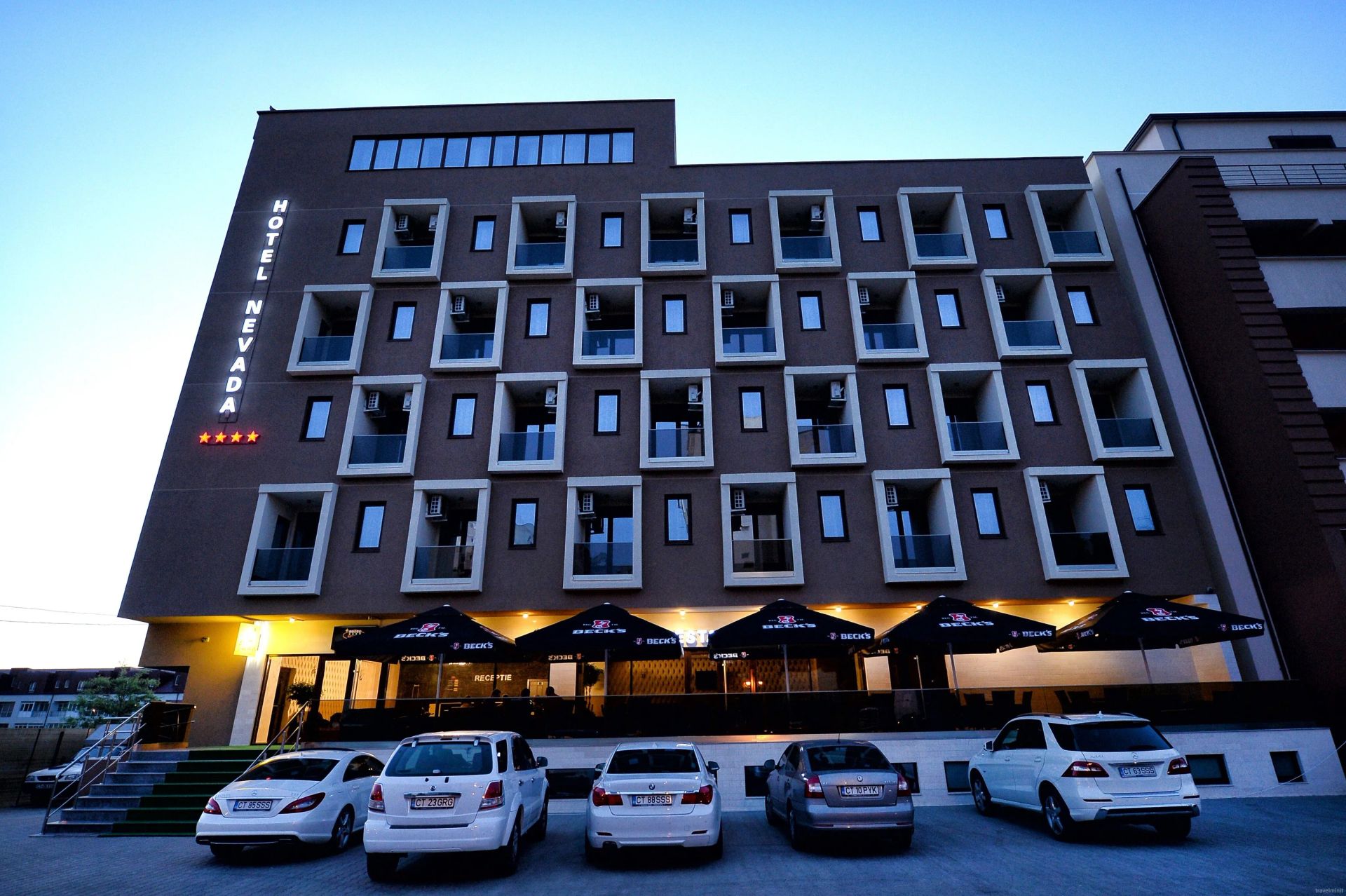
Hotel · 4 stars

Constanța, Constanța County · 7.0 km
Hotel Nevada Constanța
În partea de nord a orașului Constanța se află o clădire modernă care oferă o perspectivă deschisă asupra împrejurimilor urbane. Hotel Nevada Constanța, cu patru stele de clasificare, vă așteaptă pe bulevardul Aurel Vlaicu pentru un sejur relaxant și confortabil. Toate spațiile sunt dotate cu aer condiționat, iar liftul facilitează deplasarea rapidă între etaje. Vă punem la dispoziție Wi-Fi gratuit în întreaga proprietate, seif în fiecare cameră, fier de călcat, depozit pentru bagaje și parcare privată gratuită. În incintă funcționează un bar și o cafenea unde vă puteți bucura de băuturi și gustări într-o atmosferă plăcută. Camerele sunt echipate cu televizoare cu canale prin cablu și minibar, iar majoritatea oferă balcon cu vedere spre oraș. La recepție aveți posibilitatea să optați pentru servirea micului dejun. În apropiere se găsesc Stațiunea Mamaia, Complexul muzeal de științe ale naturii din Constanța, Cazinoul din Constanța și Delfinariul din Constanța, oferind numeroase posibilități de explorare și relaxare. Această unitate se adresează călătorilor care doresc să descopere atracțiile culturale și plajele din Constanța într-un cadru modern, bine situat și primitor.
FROM
420 lei per night

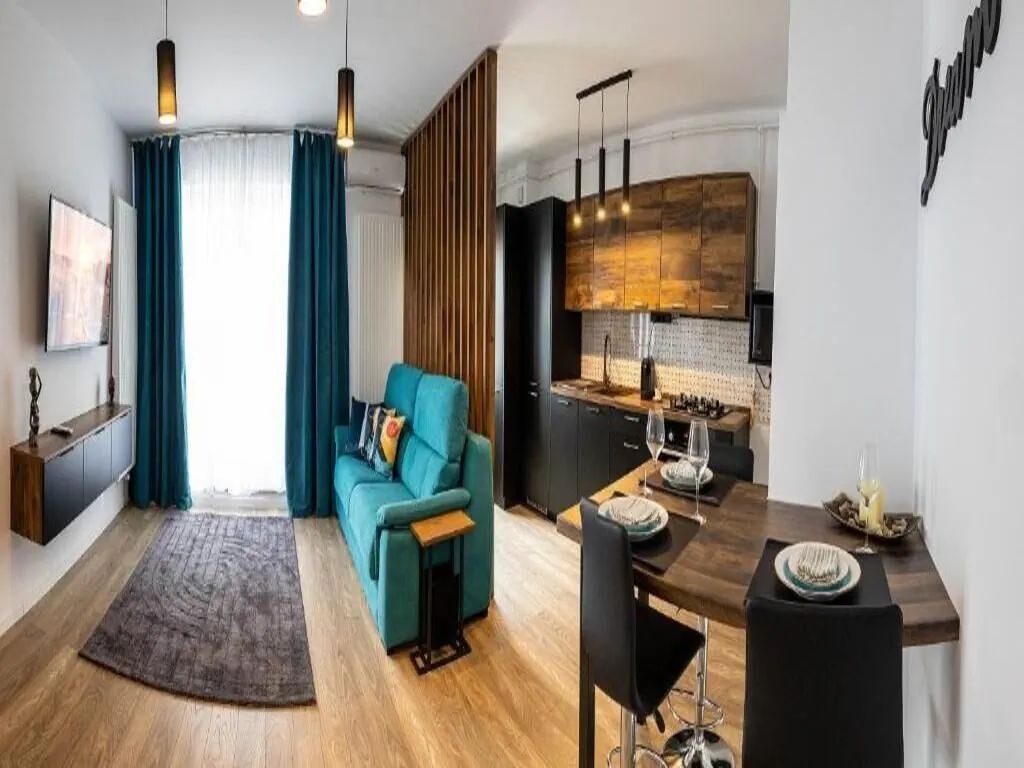
Apartment · 3 stars
Constanța, Constanța County · 7.7 km
Apartment Maurer Constanța
Comfort, relaxation and stunning views, all just steps away from the main attractions.
FROM
230 lei per night
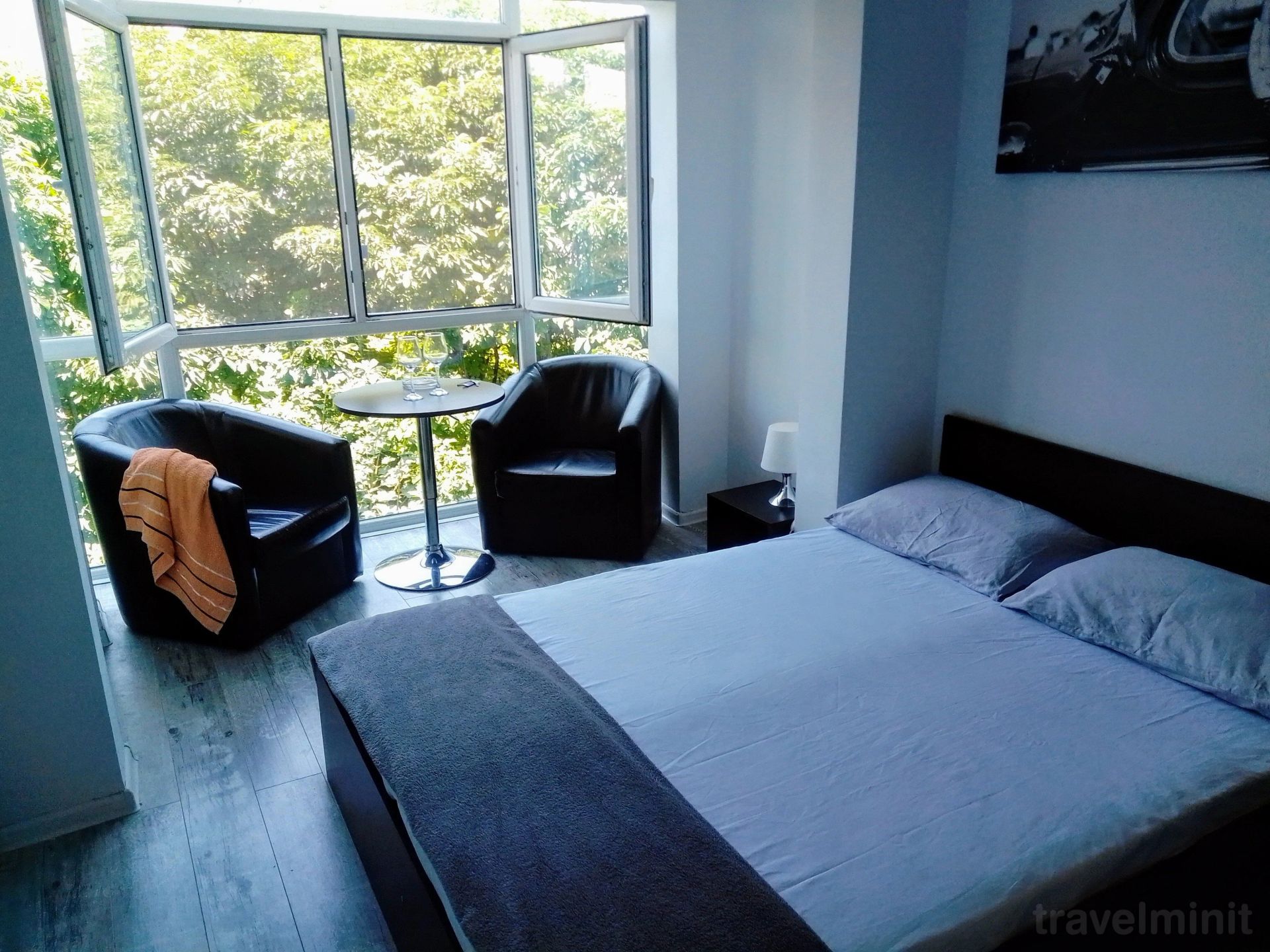
Hostel · 2 stars
Constanța, Constanța County · 7.9 km
Hostel Florentin Constanța
Grupurile de prieteni și călătorii care vizitează Constanța se vor simți bine la Hostel Florentin, o unitate clasificată cu două stele. Aceasta pune la dispoziție cinci camere amenajate cu atenție, într-un spațiu funcțional și primitor. Oaspeții beneficiază de parcare privată gratuită, astfel încât mașina dumneavoastră rămâne în siguranță pe toată durata șederii, și de acces la internet wireless gratuit în toate încăperile. La recepție veți comunica în limba română sau în limba engleză, iar plata se poate efectua atât în numerar, cât și cu card bancar, după preferința dumneavoastră. În apropiere se află Stațiunea Mamaia, Cazinoul din Constanța, Complexul muzeal de științe ale naturii din Constanța, Muzeul de Istorie Națională și Arheologie din Constanța și Marea Moschee din Constanța. Toate aceste obiective pot fi explorate pornind din această locație, oferind numeroase perspective asupra orașului. Intrarea în cameră se face începând cu ora 11:00, iar ieșirea până la ora 10:00. Vă rugăm să rețineți că tarifele nu includ niciun fel de servicii de masă, astfel încât puteți organiza mese în funcție de programul dumneavoastră zilnic. Vă așteptăm la Hostel Florentin din Constanța.
FROM
170 lei per night
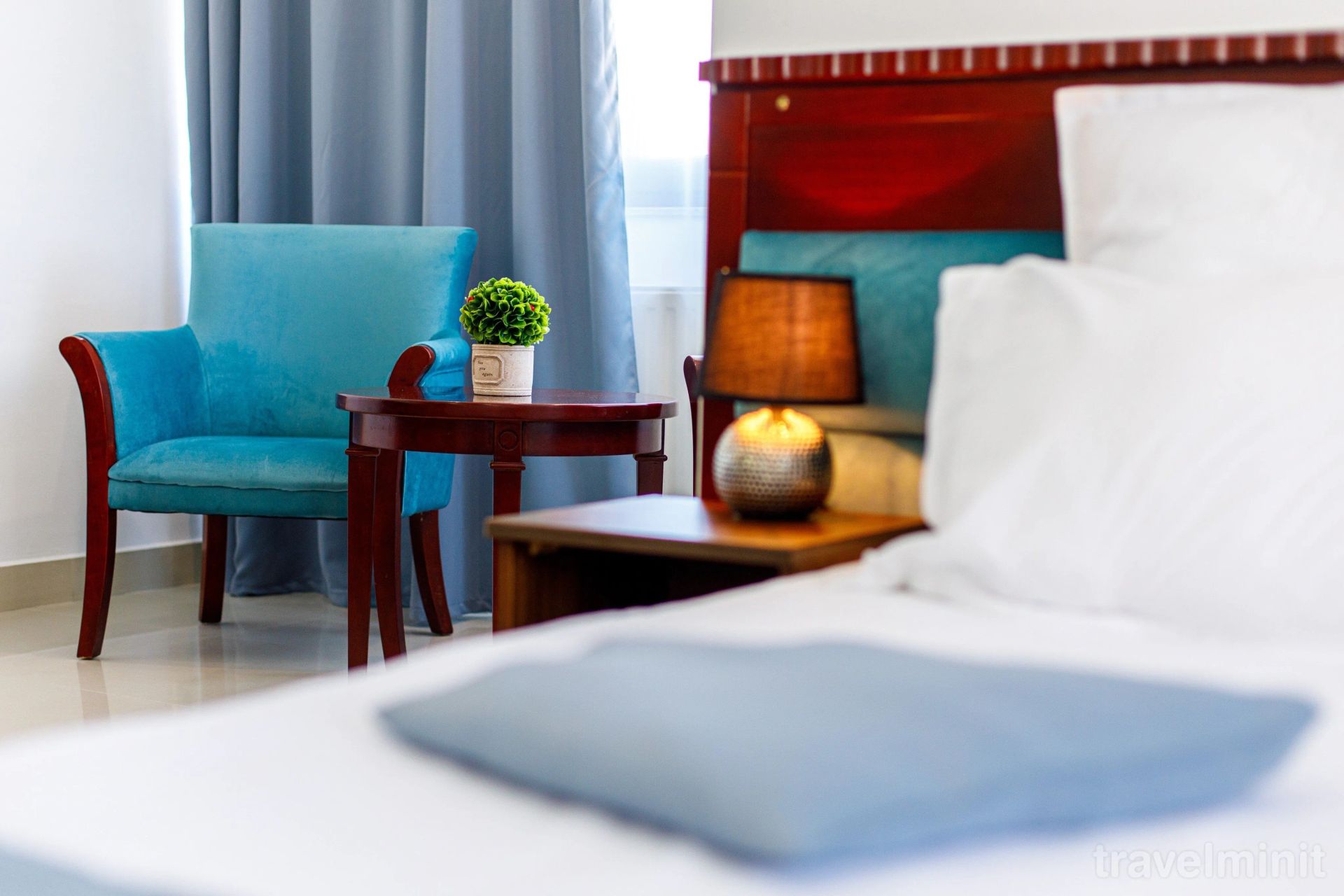
Hotel · 3 stars
Constanța, Constanța County · 7.9 km
Hotel Lira Pacific Constanța
Hotel Lira Pacific este un hotel de trei stele situat în Constanța, pe strada Dezrobirii 82E. Unitatea pune la dispoziția dumneavoastră Wi-Fi gratuit în toate spațiile, parcare privată gratuită și acces facilitat pentru persoane cu dizabilități. De asemenea, aveți la dispoziție depozit pentru bagaje, pătuț pentru bebeluș și serviciu de room service disponibil la cerere, pentru un sejur cât mai confortabil. Hotelul oferă garsoniere și apartamente spațioase, fiecare dotat cu balcon propriu. Accesul în camere se realizează prin card electronic pentru siguranță sporită, iar bucătăriile sunt complet utilate pentru confortul dumneavoastră. De asemenea, dispuneți de un restaurant cu preparate cu specific tradițional și internațional, precum și de o sală de conferințe dotată corespunzător pentru organizarea de evenimente. În apropiere puteți vizita Stațiunea Mamaia, Cazinoul din Constanța, Complexul muzeal de științe ale naturii din Constanța, Muzeul de Istorie Națională și Arheologie din Constanța și Marea Moschee din Constanța. Este alegerea potrivită pentru călători care doresc să descopere atât patrimoniul cultural al orașului Constanța, cât și plajele din Stațiunea Mamaia, beneficiind în același timp de facilități moderne și servicii complete pentru întreaga familie.
FROM
290 lei per night
Hotel · 3 stars
Constanța, Constanța County · 8.7 km
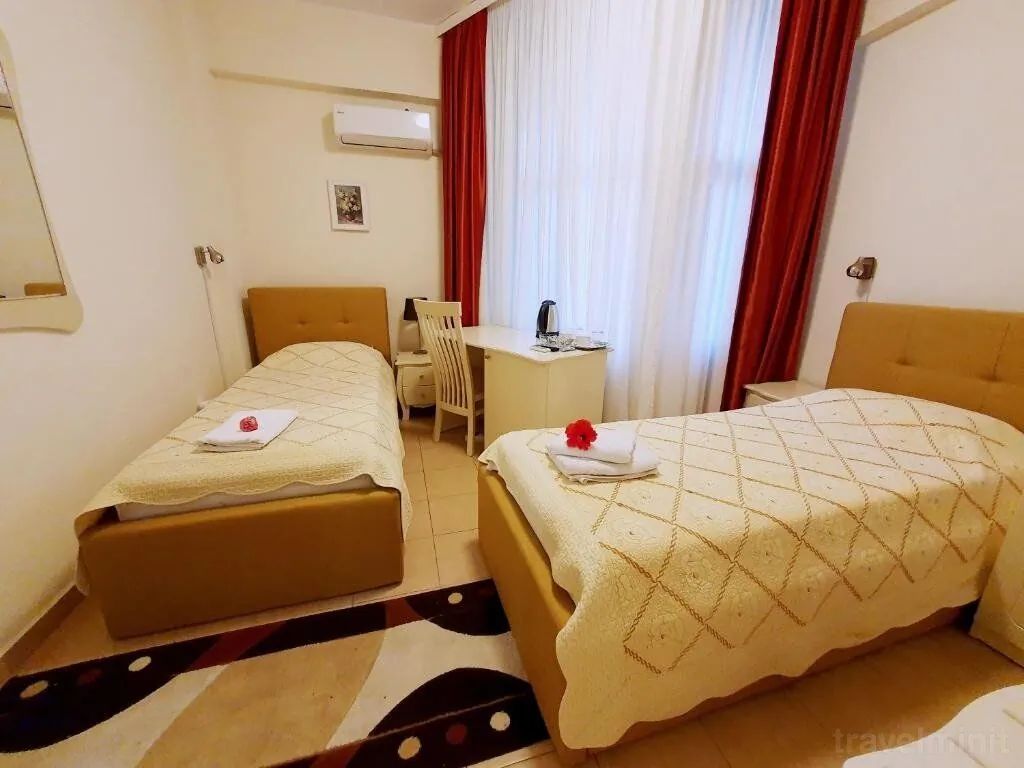
Hotel Florentina Constanța
Hotel cu trei stele situat în Constanța, Hotel Florentina se află pe strada I.C. Bratianu 24 și pune la dispoziție 21 de camere confortabile și plăcut amenajate, potrivite pentru oaspeți care doresc o ședere liniștită în acest oraș. Unele dintre camere sunt dotate cu aer condiționat pentru perioadele mai călduroase ale anului. Accesul la internet wireless este disponibil gratuit în întreaga unitate de cazare. Serviciul de cazare include micul dejun, iar personalul de la recepție vorbește atât limba română, cât și limba engleză. Check-in-ul se poate face începând cu ora 16:00, iar check-out-ul până la ora 12:00. Hotelul se află într-o zonă cu acces facil către mai multe obiective turistice din Constanța. Printre acestea se numără Cazinoul din Constanța, Stațiunea Mamaia, Complexul muzeal de științe ale naturii din Constanța, Muzeul de Istorie Națională și Arheologie din Constanța și Marea Moschee din Constanța, toate fiind puncte de interes pe care le puteți vizita cu ușurință pornind de la hotel. Vă așteptăm să vă bucurați de șederea dumneavoastră la Hotel Florentina și să porniți apoi în explorarea Cazinoului din Constanța.
FROM
290 lei per night
Guesthouse · 3 stars
Constanța, Constanța County · 8.7 km
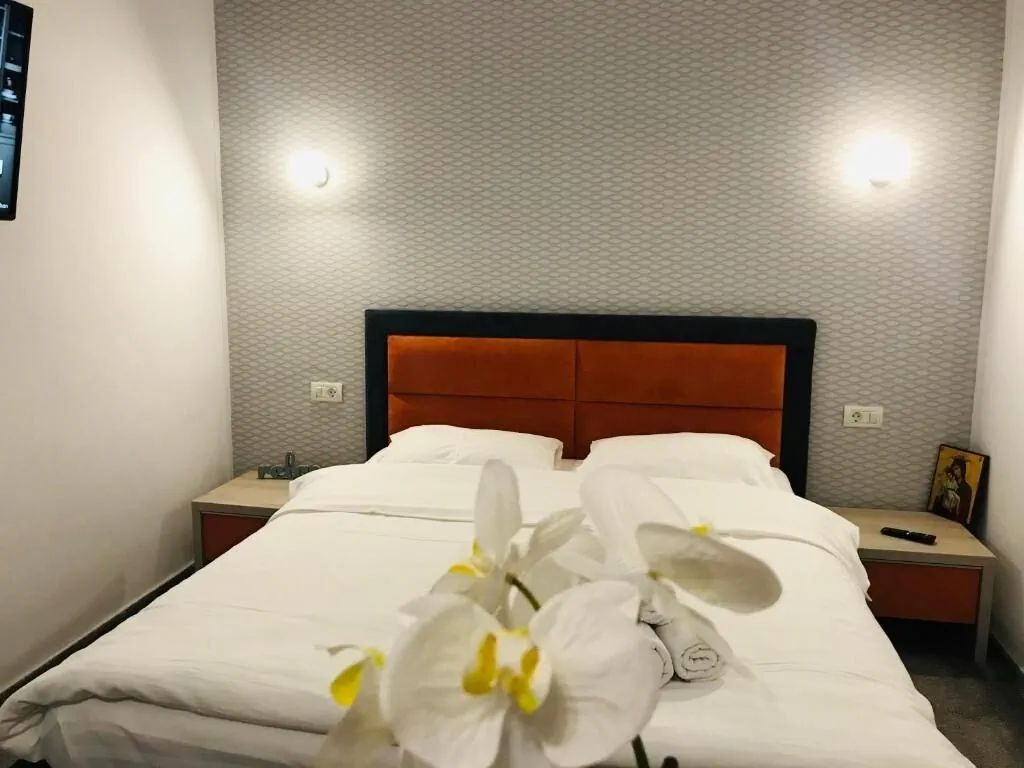
Orange House Constanța
Orange House este o pensiune turistică clasificată cu 3 stele, situată în Constanța, pe strada Rasuri 57. Aceasta reprezintă o opțiune de cazare potrivită pentru cei care doresc să exploreze orașul într-un mediu confortabil și accesibil, departe de zgomotul intens al centrului. Camerele sunt dotate cu aer condiționat, iar oaspeții beneficiază de Wi-Fi gratuit și de parcare privată gratuită. De asemenea, unitatea pune la dispoziție un fier de călcat și un spațiu pentru depozitarea bagajelor, facilități care asigură un sejur comod și fără griji. În exterior, proprietatea se remarcă printr-o curte mare și o grădină amenajată cu atenție. Aceste spații verzi oferă un cadru plăcut pentru relaxare în aer liber, ideale pentru a vă bucura de momente de liniște după o zi plină de activități. În apropiere puteți vizita Stațiunea Mamaia, Cazinoul din Constanța, Complexul muzeal de științe ale naturii din Constanța, Muzeul de Istorie Națională și Arheologie din Constanța și Marea Moschee din Constanța. Aceste obiective turistice vă permit să descoperi istoria, cultura și atmosfera specifică zonei. Vă așteptăm la Orange House pentru un sejur plăcut în Constanța.
FROM
240 lei per night
BEFORE YOU HIT THE ROAD
Weather conditions in Constanta
Local forecast for Trajan's Wall Nature Reserve, Constanta, Constanța

Real-time updated weather data
Much more to explore in this area
Nearby tourist attractions


Constanta, Constanța County
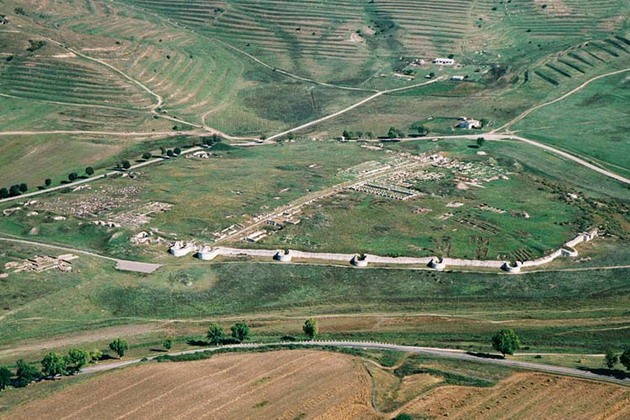
Tropaeum Traiani, Adamclisi
Situata la 400 m nord de satul Adamclisi, pe Valea Urluia; dateaza din secolele II - VII, epoca romana si romano - bizantina; a fost cercetata de Grigore...
46.8 km
Constanta, Constanța County
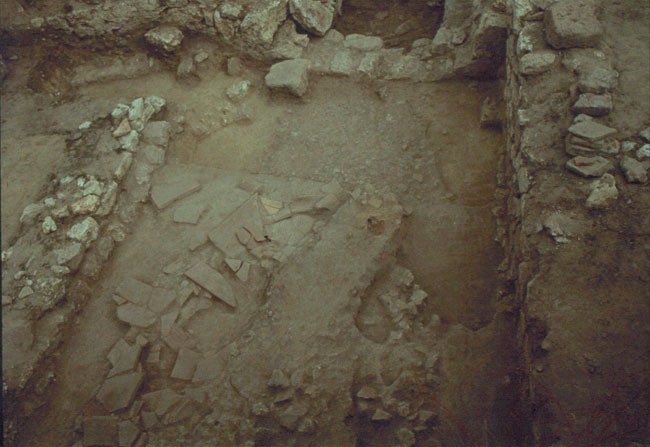
Adamclisi Monument (Tropaeum Traiani)
Situat pe teritoriul Cetatii Adamclisi, in apropierea satului Adamclisi, pe Valea Urluia; primele sapaturi si cercetari au fost efectuate in anul 1882, de...
46.8 km

Constanta, Constanța County
Mamaia resort.
Situata la nord de municipiul Constanta, intre Marea Neagra si Lacul Siutghiol; cartier al municipiului Constanta, are foarte putini locuitori, dar este...
10.8 km

Constanta, Constanța County
Histria Fortress
Situata pe teritoriul satului Istria, malul lacului Sinoe, teritoriul administrativ al comunei Istria; construita in anul 657 i.Hr., este cea mai veche dintre...
46.3 km
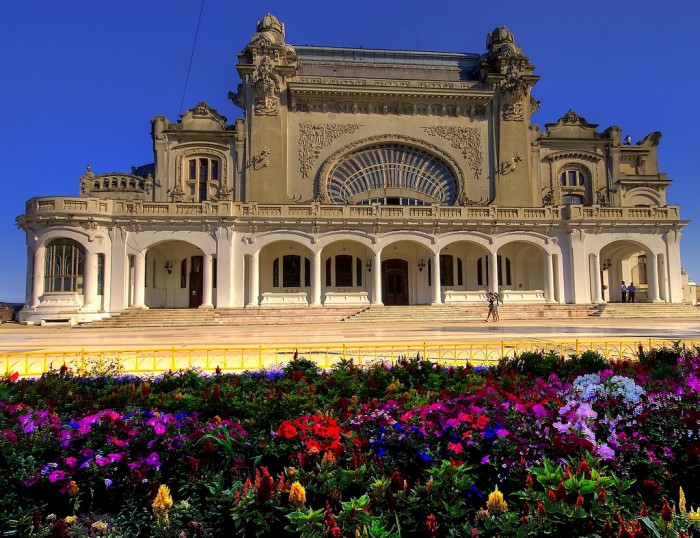
Constanta, Constanța County
The casino in Constanta.
Situat pe bulevardul Elisabeta, nr. 2, municipiul Constanta; in trecut, in aceasi locatie era amplasata o "cazina" (1880 - 1902) - constructie din lemn unde se...
11.4 km
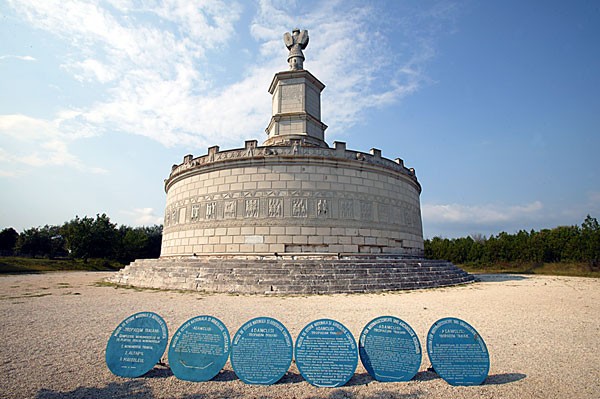
Constanta, Constanța County
Tropaeum Traiani Monument at Adamclisi
Situat langa localitate Adamclisi, la 60 km de municipiul Constanta; ridicat din ordinul imparatului Traian intre anii 106 - 109 d. Hr. pentru a comemora o...
45.7 km
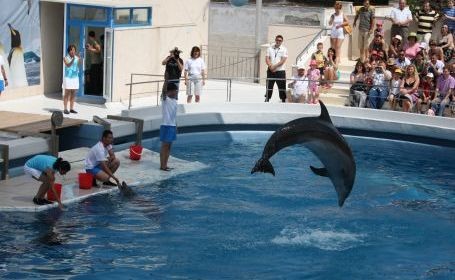
Constanta, Constanța County
Natural Sciences Museum Complex in Constanța
Situat pe bulevardul Mamaia, nr.255, municipiul Constanta; la inceputul existentei a fost format din sectii individuale, unite sub denumirea "Complexul muzeal...
10.5 km

Constanța, Constanța County
Mamaia
Localitate componentă a municipiului Constanța, județul Constanța, România
11.6 km
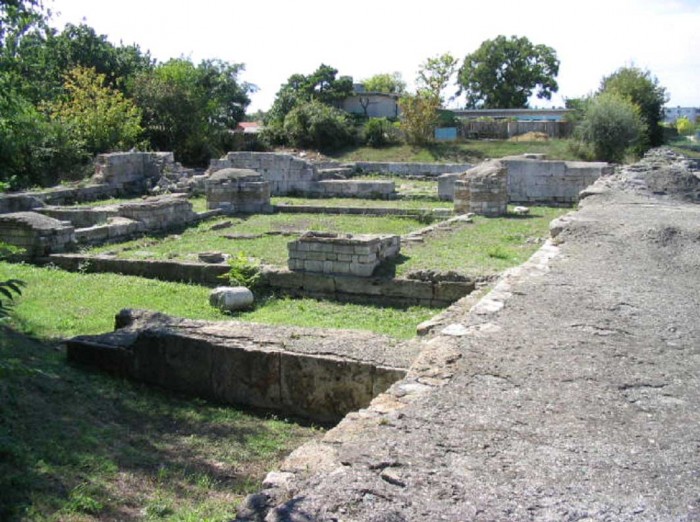
Constanta, Constanța County
Callatis Fortress in Mangalia
Situata pe teritoriul municipiului Mangalia, intre Sanatoriul balnear, Casa de Cultura, strada Constantei, Geamie si intrarea in portul comercial; intemeiata...
40.6 km
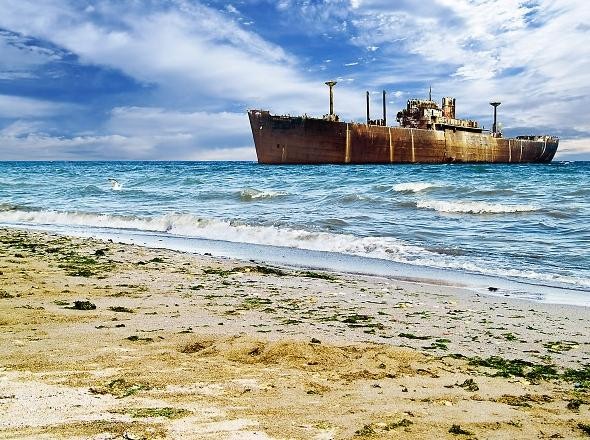
Constanta, Constanța County
Costinești Resort
Este situata in prelungirea satului Costinesti, la 31 km sud de municipiul Constanta, invecinandu-se la nord cu comuna Tuzla si la sud cu Statiunea Olimp;...
26.4 km
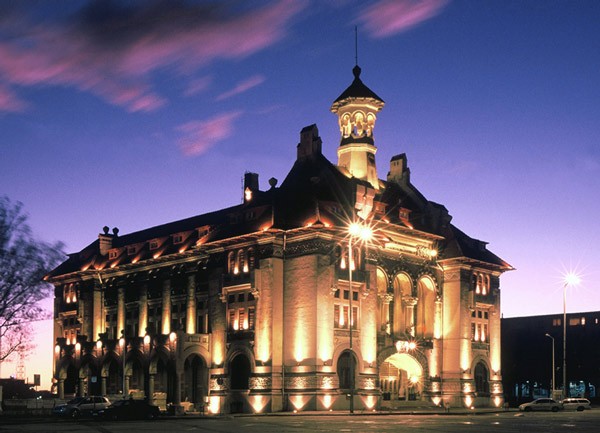
Constanta, Constanța County
National Museum of History and Archaeology in Constanța
Situat in Piata Ovidiu, nr. 12, municipiul Constanta; infiintat in anul 1878, cu ajutorul lui Remus Opreanu; la inceput a functionat in cladirea prefecturii si...
11.0 km
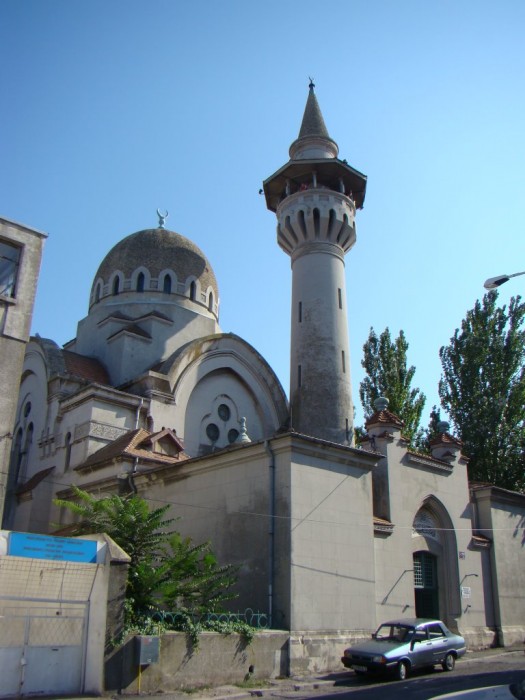
Constanta, Constanța County
Great Mosque of Constanța (Carol I Mosque)
Situata pe strada Arhieoiscopiei nr. 5 din municipiul Constanta; construita intre anii 1910 - 1912, mai poarta denumirea de "Moscheea Carol I"; planurile au...
11.1 km
Cultural life and traditions
Events in the Trajan's Wall Nature Reserve area
Medieval festivals, traditional fairs, concerts and local activities recommended in Dobruja.

Traditions and Crafts

Constanta, County of Constanța
Days of Local Culture and Traditional Tourism
Open workshops featuring pottery, wood carving, and authentic folklore demonstrations by local artisans.
WHEN
May 15-17, 2026


Traditional Cuisine
Constanta, County of Constanța
The Fair of Traditional Products and Local Cuisine
Traditional products, aged cheeses, mountain honey and local delicacies prepared according to ancient recipes.
WHEN
Every weekend

Culture and Photography
Constanta, County of Constanța
Themed and Photographic Guided Tour of Cultural Heritage
A guided tour designed for history buffs, nature lovers, and photography enthusiasts, showcasing the most spectacular views in the area.
WHEN
Daily schedule available upon request
On foot, exploration gains depth
Discover the surroundings and local geography
Explore the trails, terrain, and natural landmarks around Trajan's Wall Nature Reserve.

Guides and practical tips
Useful travel articles
Travel guides, practical recommendations and tourist itineraries for Dobruja.

Tourist guide
Top 5 Atracții Turistice și Trasee Montane în Zona Moieciu - Bran
Descoperă cele mai spectaculoase peisaje carstice, chei adânci și cetăți medievale din imediata apropiere a stațiunii Moieciu.

Tourist guide
Ghid de Drumeție: Traseul Moieciu de Sus spre Platoul Bucegi
Un itinerariu montan de o frumusețe rară ce urcă din Valea Băngăleasa spre Poiana Guțanu și crestele maiestuoase ale Bucegilor.

Tourist guide
Castelul Bran: Istorie, Legende și Secrete Medievale
Află adevărata poveste a fortăreței medievale din Pasul Bran, reședința de suflet a Reginei Maria a României.
THE JOURNEY STARTS WITH AN IDEA
The next story is on the way.
From the first stop to the last stay, make room for a new Romania.
