


PLACE OF WORSHIP · TRANSYLVANIA
Franciscan Church in Sibiu

Sibiu, Sibiu County
Add location to your trip planner.
Practical access information

VISITING HOURS
Monday: 12:00 PM – 5:00 PM · Tuesday–Sunday: 9:00 AM – 5:00 PM (in summer until 8:00 PM)

TICKET PRICE
Adults: 45 RON · Students: 11 RON · Seniors: 23 RON · Guided tour included

RECOMMENDED VISIT DURATION
2-3.5 hours
Visitor information and guide
 Navigate with Google Maps

ABOUT FRANCISCAN CHURCH IN SIBIU
A Gothic Spiritual Oasis in the Heart of Sibiu
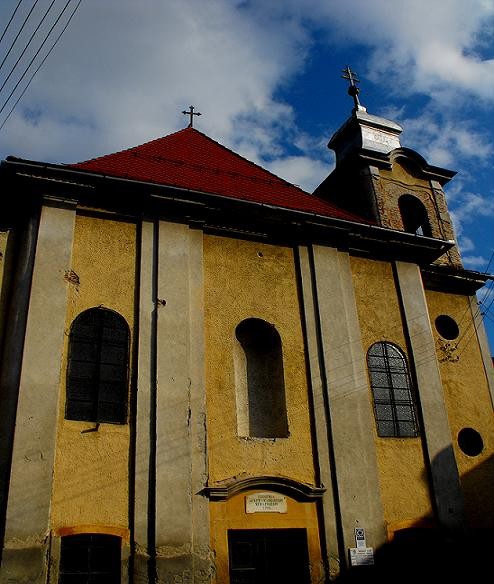
Located at 14 Selarilor Street in the historic center of Sibiu—a city inscribed on the UNESCO World Heritage List in 2007 and designated a European Capital of Culture the same year—the Franciscan Church, also known as the Church of the Minorites, stands as one of Transylvania’s most valuable yet underappreciated sacred monuments. Built in the 15th century during a flourishing era of craftsmanship and trade in the Saxon town, this late-Gothic edifice preserves the profound medieval atmosphere of the city, offering visitors an authentic experience of Central European spirituality and a window into Western monastic tradition. Amidst an urban landscape where the monumental Gothic style of the Evangelical Cathedral meets the exuberant Baroque of the Roman Catholic Cathedral, the Franciscan Church distinguishes itself through its contemplative simplicity, human-scale dimensions, and intimate connection with the urban community. It serves as a remarkable example of mendicant architecture that shaped medieval cities across Central Europe.
Its heritage significance far exceeds its intrinsic artistic value, as it stands as a silent witness to the profound religious transformations that have marked Transylvania over the centuries. From its origins as a convent of the Poor Clares—the female branch of the Franciscan Order founded by Saint Clare of Assisi—to its takeover by the Franciscans in 1716 under the auspices of the Habsburg Monarchy, this place of worship illustrates the complex dynamics between Western Catholic tradition, the consolidation of Austrian imperial power, and the multicultural identity of the province. Within the European context, the church is part of the vast network of mendicant foundations that populated imperial cities from Prague to Vienna, from Nuremberg to Kraków, embodying the spirit of monastic reform and the mendicants’ closeness to the faithful, characteristic of the 13th to 15th centuries.
From the Poor Clares to the Franciscans: Seven Centuries of Sacred History and Habsburg Connections
The origins of this place of worship are shrouded in the mists of the 15th century, when the building belonged to the Order of the Poor Clares, the female branch founded by Saint Clare, the spiritual companion of Saint Francis of Assisi. This foundation was part of the broader movement of female religious orders that played a crucial role in the spiritual and cultural life of medieval cities across Central Europe, from Benedictine abbeys in Bavaria to Poor Clare convents in Italy and Hungary. The presence of the Poor Clares in Sibiu reflects the city’s status as a prosperous commercial center of the Transylvanian Saxons, a community that, under the protection of the Hungarian crown, developed a sophisticated religious infrastructure, including parish churches, monasteries, and schools.
The pivotal moment of 1716, when ownership passed to the Franciscans—the mendicant male order—marks a profound transition not only in the history of the church but also in the geopolitical context of Transylvania. This transfer occurred following the consolidation of Habsburg power in the province, after the defeat of the Ottoman Empire in the Battle of Petrovaradin (1716) and within the framework of the re-Catholicization policy promoted by the Vienna Court. Unlike the Poor Clares, who lived a strictly cloistered life, the Franciscans, with their charisma as preachers and caregivers to the poor, played an active role in the life of the urban community, transforming the church into a center of education and social assistance. This evolution mirrors similar trends across Central Europe, where, under the influence of the Counter-Reformation, mendicant orders were granted privileges and properties to counteract Protestant influence and strengthen the Catholic presence in contested territories.
The late-Gothic architecture, characteristic of mendicant churches in Central Europe, has been essentially preserved, later enriched with discreet Baroque elements in a stylistic dialogue typical of imperial cities in the Carpathian Basin. This stylistic layering recalls similar transformations at St. Michael’s Church in Cluj or the cathedrals of Prague and Vienna, where medieval Gothic was adapted to the Baroque sensibilities of the 18th century without diminishing its spiritual value. The Franciscan Church in Sibiu is distinguished by its hall-church (Hallenkirche) plan, typical of mendicant architecture, featuring a single spacious nave designed for congregational gatherings, without a transept. This layout facilitates a direct and unmediated connection between the priest and the community, in accordance with Franciscan principles of simplicity and closeness.
Artistic Treasures and European Funerary Memories
The church’s interior houses exceptional artistic treasures that illustrate Sibiu’s deep connections with major cultural currents on the continent, particularly with artistic workshops in southern Germany and the Flemish region. The centerpiece is the polychrome Gothic wood sculpture "Madonna and Child," a work of rare artistic sensitivity that evokes the tradition of religious sculpture from Flanders and southern Germany during the late Gothic period, when Transylvanian workshops collaborated closely with those in Nuremberg and Vienna. This representation of the Virgin Mary, with delicate features and a tender maternal expression, is akin to the famous "Beautiful Madonnas" (Schöne Madonnen) from the cathedrals of Regensburg, Munich, or the Low Countries, exemplifying the diffusion of the International Gothic style in the Danube Basin. The original polychromy, masterfully restored, reveals layers of gold and vibrant colors that once adorned the interior, creating an atmosphere of visual sacredness comparable to that of Bavarian or Austrian churches.
Alongside this, the stone funerary monument of General Count Damian Hugo von Virmond, a military commander of Transylvania in the service of the House of Habsburg, and the cenotaph dedicated to Baroness Adriana Andlern, née Engelshoffer, recall the cosmopolitan aristocracy that shaped the province’s destiny in the 17th and 18th centuries. Von Virmond represents the archetype of the Habsburg career officer, part of a multinational military elite that ensured the defense of the empire’s military frontier against Ottoman expansion, while the Andlern-Engelshoffer family illustrates the complex network of matrimonial alliances between the local Saxon nobility and the Hungarian or Austrian aristocracy. These funerary monuments are part of the European tradition of commemorative monuments in churches, comparable to those in the imperial cathedrals of Vienna or the princely churches of Germany, reflecting Sibiu’s status as a border city and Habsburg administrative center.
In the church’s crypt, inaccessible to the general public but essential for understanding the city’s social history, funerary stones adorned with the combined coats of arms of illustrious personalities are preserved, including that of Johann Haller, Governor of Transylvania and member of a dynasty that provided Sibiu with several mayors, and his wife, Sophia Daniela von Vargyas. The Haller family, originating from Hall in Tirol, was one of the most influential dynasties of Habsburg Transylvania, with close ties to the Vienna Court and the nobility of Hungary. The heraldic coats of arms in the crypt are precious testimonies to the dynastic matrimonial alliances and the social structure of the Transylvanian elite in the early modern period, reflecting the noble network that linked Transylvania to the great European courts, such as those in Vienna, Pressburg (Bratislava), or Buda. These funerary elements transform the church into a veritable pantheon of the province’s ruling class, a space where political and spiritual history meet in a silent dialogue of stone and sculpture.
Restorations, Cultural Continuity, and Turning Points
The last major restoration took place in 1972, during a period when Romania’s communist regime, though atheist in principle, promoted a selective policy of preserving historical monuments with tourist and national value. Specialists of the time brought the monument’s historical layers to light, removing inappropriate additions and conserving the architectural authenticity and heritage value of the ensemble. This intervention was crucial for the church’s survival, ensuring the stability of the Gothic structure and highlighting the sculptural and pictorial details hidden over the centuries. The 1972 restoration is part of the broader context of efforts to preserve Transylvania’s heritage during the socialist period, when numerous churches and fortresses were saved from decay through public investment, even if the motivation was largely tied to the development of international tourism.
Today, the church remains an active place of worship, belonging to the Roman Catholic Archdiocese of Alba Iulia, and regularly hosts sacred music concerts, connecting the present to the Central European Baroque musical tradition. These concerts, performed by choirs and soloists from Romania and abroad, resonate with the remarkable acoustics of the Gothic nave, offering an auditory experience comparable to that of historic concert halls in Europe, such as those in Salzburg or Prague. The church’s role as a cultural center reflects the Franciscan tradition of promoting the arts, inherited from the Middle Ages when Franciscan monasteries were centers of learning and artistic creation.
A notable moment in its recent history was its reopening to the public after restorations, integrating it into the tourist circuit of Sibiu as the 2007 European Capital of Culture. At that time, the church was presented as part of an itinerary that included the city’s most important monuments, highlighting the Catholic community’s contribution to the universal heritage. Its proximity to the Small Square and the Council Tower makes it an essential stop for any visitor seeking to understand the multiple layers of Sibiu’s history.
Practical Visitor’s Guide and the Contemporary Tourist Experience
Visiting this monument, located near the Small Square and the Council Tower on Selarilor Street, offers a unique perspective on Sibiu’s multicultural heritage. For the cultivated European traveler, walking along Selarilor Street, with its medieval cobblestones and towered houses, is itself a journey through time, preparing the soul for an encounter with the sacred space. Entry to the church is through a modest portal, contrasting with the grandeur of major cathedrals’ gates, inviting humility and contemplation in the Franciscan spirit.
The interior gradually reveals its beauty: light filtering through the Gothic tracery windows creates plays of shadow and light on the ribbed vaults, while the eye is drawn to the sculpture of the Madonna and Child, preserved in a side chapel. The attentive visitor will notice the funerary details on the walls, the heraldic coats of arms carved in stone, each telling a story of dynastic alliances and Sibiu’s role in the political network of Habsburg Europe. For those interested in military history, Von Virmond’s monument offers insights into the imperial army’s presence in Transylvania, while the crypt, though closed to the general public, can be visited under special conditions or admired through grilles, revealing the funerary stones of the Haller family.
The experience is complemented by the atmosphere of Selarilor Street, one of Sibiu’s most picturesque, with its Gothic and Baroque architecture, cafés, and artisan workshops. After visiting the church, a stroll through the Small Square, a climb up the Council Tower for a panoramic view of the city, and a visit to the nearby Brukenthal Museum are recommended. For music lovers, attending a sacred music concert inside the church is a special moment, offering the opportunity to hear Baroque or Renaissance repertoire in an authentic setting steeped in history.
The Franciscan Church thus remains a place where Transylvanian Gothic meets Franciscan spirituality within an exceptionally preserved medieval urban setting, a witness to European continuity in the heart of Romania. It invites reflection on the role of religious orders in shaping European urban identity, on how sacred architecture molds civic space, and on how the past, through art and history, continues to speak to the present in a universal language of beauty and faith.
Media gallery
Discover Franciscan Church in Sibiu in pictures

2 photos · Architecture, courtyards and captivating details
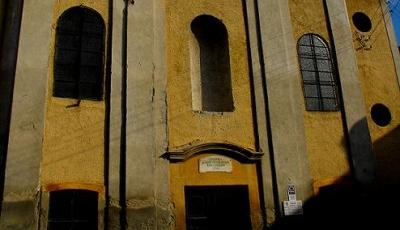

Image source: Wikimedia Commons · Public domain photos · Free license
STAY A FEW DAYS, DISCOVER THE MAGIC
Accommodation in the Franciscan Church in Sibiu area

Holiday home · 3 stars

Sibiu, Sibiu County · 0.0 km
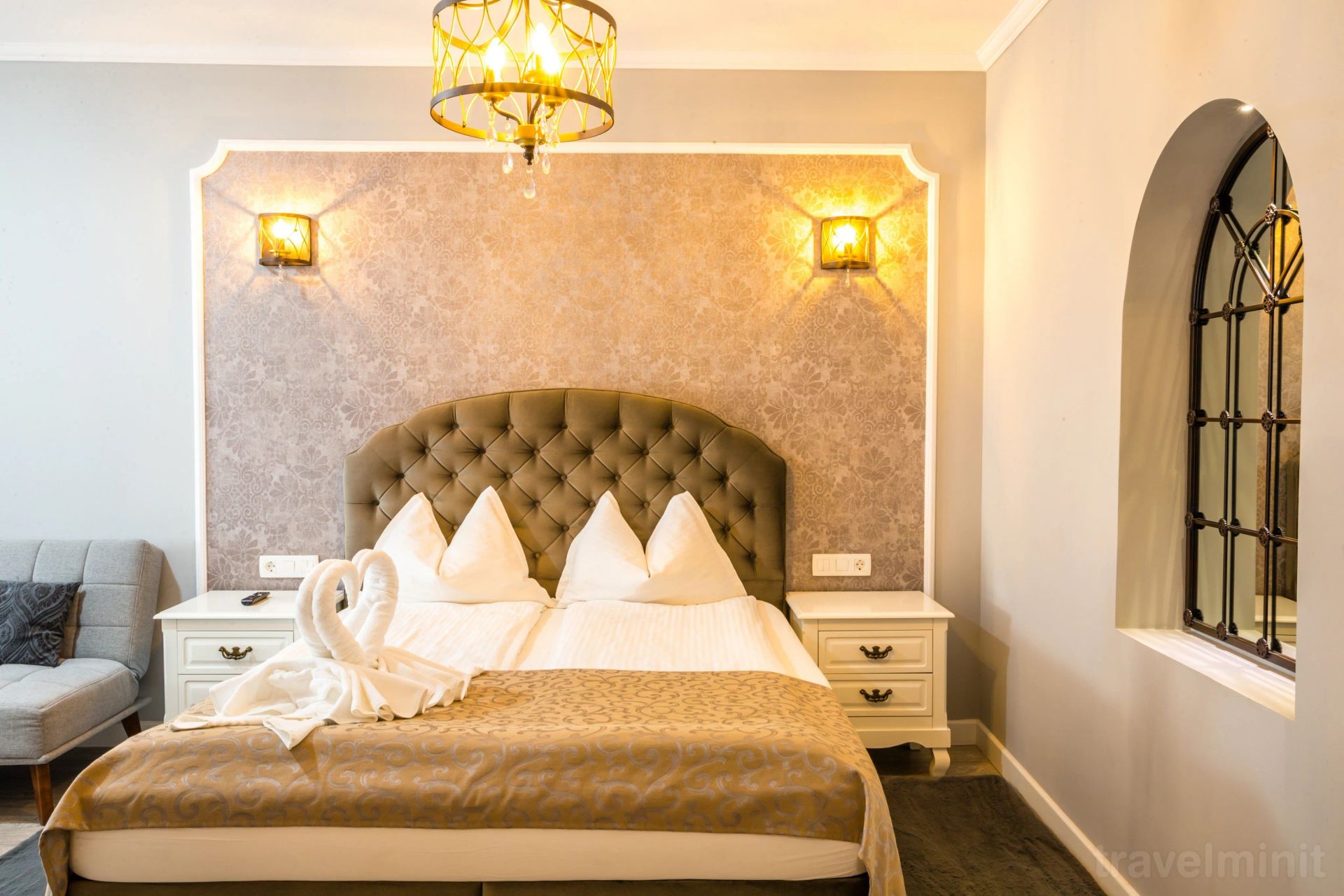
Casa Brainer Sibiu
Pe strada Selarilor din Sibiu, Casa Brainer vă întâmpină cu o curte mare și o grădină amenajată, un spațiu liniștit unde puteți savura cafeaua de dimineață într-un cadru plăcut. Această casă de închiriat integrală, clasificată cu trei stele, oferă intimitatea unei vile private chiar în apropierea centrului istoric. Unitatea pune la dispoziție Wi-Fi gratuit în toate încăperile, televizor smart și o bucătărioară echipată, iar fiecare cameră beneficiază de baie privată și pat matrimonial. Pentru confortul dumneavoastră, aveți la dispoziție fier de călcat, depozit pentru bagaje și acces facilitat pentru persoanele cu dizabilități. Familiile cu copii mici vor aprecia pătuțul pentru bebeluș pus la dispoziție, iar cei care călătoresc cu bicicleta se pot bucura de parcarea special amenajată. Parcarea publică din zonă este disponibilă fără costuri suplimentare pentru dumneavoastră. În apropiere puteți vizita Muzeul Civilizației Populare Tradiționale ASTRA, Biserica Parohială Evanghelică Sfânta Maria, Muzeul Brukenthal, Turnul Sfatului și Podul Minciunilor, descoperind astfel cele mai importante obiective ale orașului. Casa Brainer Sibiu este potrivită pentru familii, grupuri de prieteni sau călători care doresc să exploreze centrul istoric al Sibiului dintr-o locație liniștită și bine echipată.
FROM
280 lei per night


Apartment · 3 stars
Sibiu, Sibiu County · 0.0 km
Apartments in Historic Center Sibiu
Apartament de închiriat cu 3 stele în Sibiu, amplasat într-o clădire istorică din centrul vechi, pe o stradă liniștită. Spațiile sunt amenajate pentru a oferi confort atât familiilor cu copii, cât și călătorilor care doresc să exploreze orașul pornind de la o bază liniștită. Printre facilități se numără Wi-Fi gratuit, seif, fier de călcat, pătuț pentru bebeluș, scaun înalt pentru copii și parcare pentru biciclete. Fiecare unitate dispune de bucătărie complet echipată, colț de cafea bine aprovizionat și lenjerie spălată profesional. Locuințele oferă aer condiționat, televizoare Smart cu Netflix, internet de mare viteză și birou cu scaun confortabil pentru lucru. Accesul se realizează prin self check-in cu cutie securizată, iar pe stradă există locuri de parcare gratuite în limita disponibilității. În apropiere se află Muzeul Civilizației Populare Tradiționale ASTRA, Biserica Parohială Evanghelică Sfânta Maria din Sibiu, Muzeul Brukenthal, Turnul Sfatului și Podul Minciunilor. Vă așteptăm să vă bucurați de șederea dumneavoastră în Sibiu.
FROM
230 lei per night
Holiday villa · 3 stars
Sibiu, Sibiu County · 0.1 km
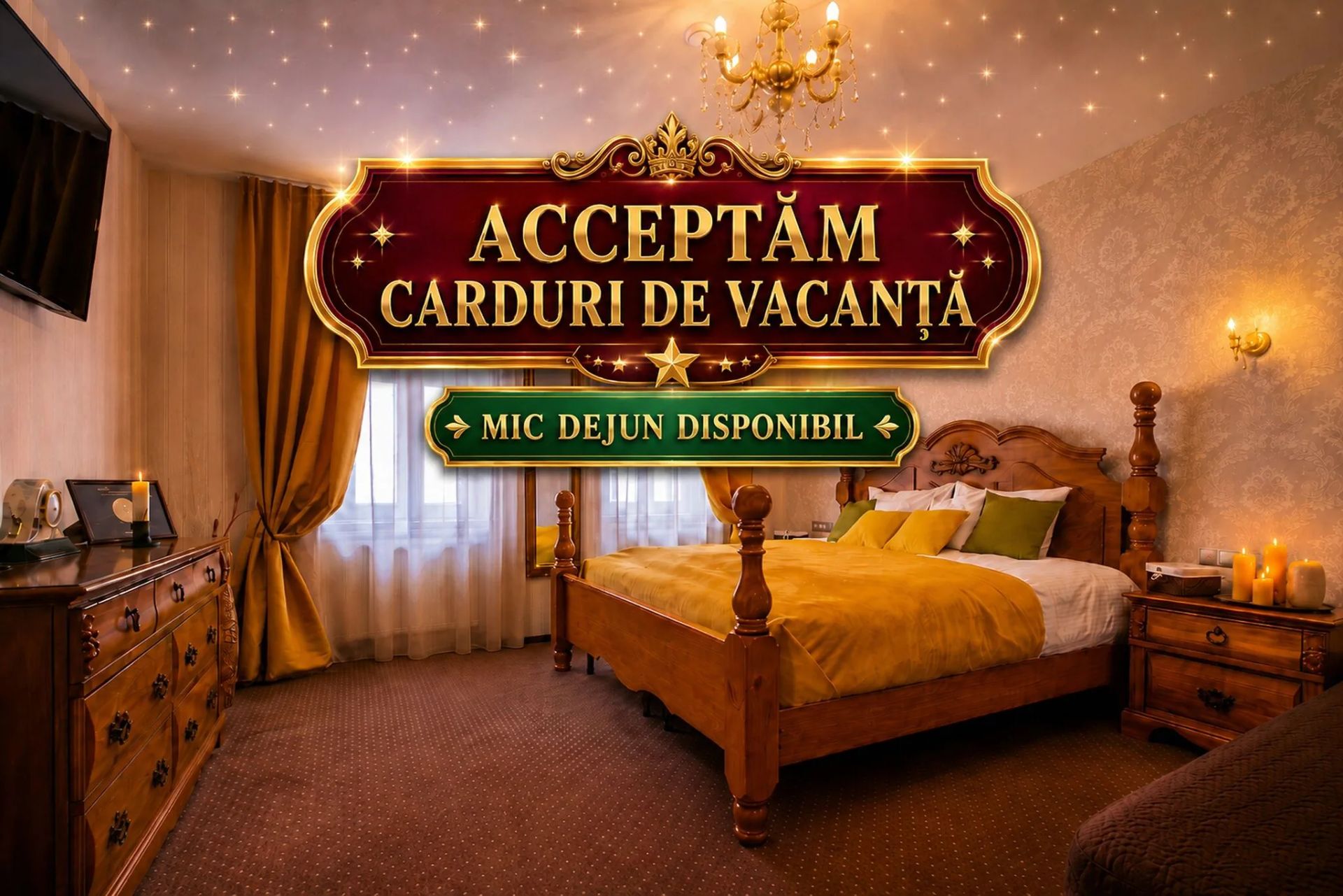
Vila Hermannstadt House 1 Sibiu
Vilă turistică de 3 stele în Sibiu, Vila Hermannstadt House 1 se află pe strada Filarmonicii nr. 8 și vă oferă un cadru potrivit pentru relaxare și explorarea orașului. Clădirea dispune de facilități gândite pentru confortul dumneavoastră pe toată durata șederii, într-o atmosferă liniștită și primitoare. Restaurantul din incintă servește preparate pentru diverse nevoi, inclusiv meniuri pentru copii și opțiuni pentru diete speciale. Aveți la dispoziție Wi-Fi gratuit în întreaga proprietate, parcare privată gratuită și parcare pentru biciclete. De asemenea, unitatea pune la dispoziție seif pentru obiecte de valoare, depozit pentru bagaje, o curte mare cu grădină amenajată și fier de călcat. Accesul este asigurat și pentru persoanele cu dizabilități, iar toate spațiile sunt adaptate pentru nevoile dumneavoastră. În apropiere puteți vizita Muzeul Civilizației Populare Tradiționale ASTRA, Biserica Parohială Evanghelică Sfânta Maria din Sibiu, Muzeul Brukenthal, Turnul Sfatului și Podul Minciunilor. Vă așteptăm la Vila Hermannstadt House 1 pentru a vă bucura de șederea dumneavoastră în Sibiu.
FROM
280 lei per night
Holiday villa · 3 stars
Sibiu, Sibiu County · 0.1 km
Villa Levoslav House Sibiu
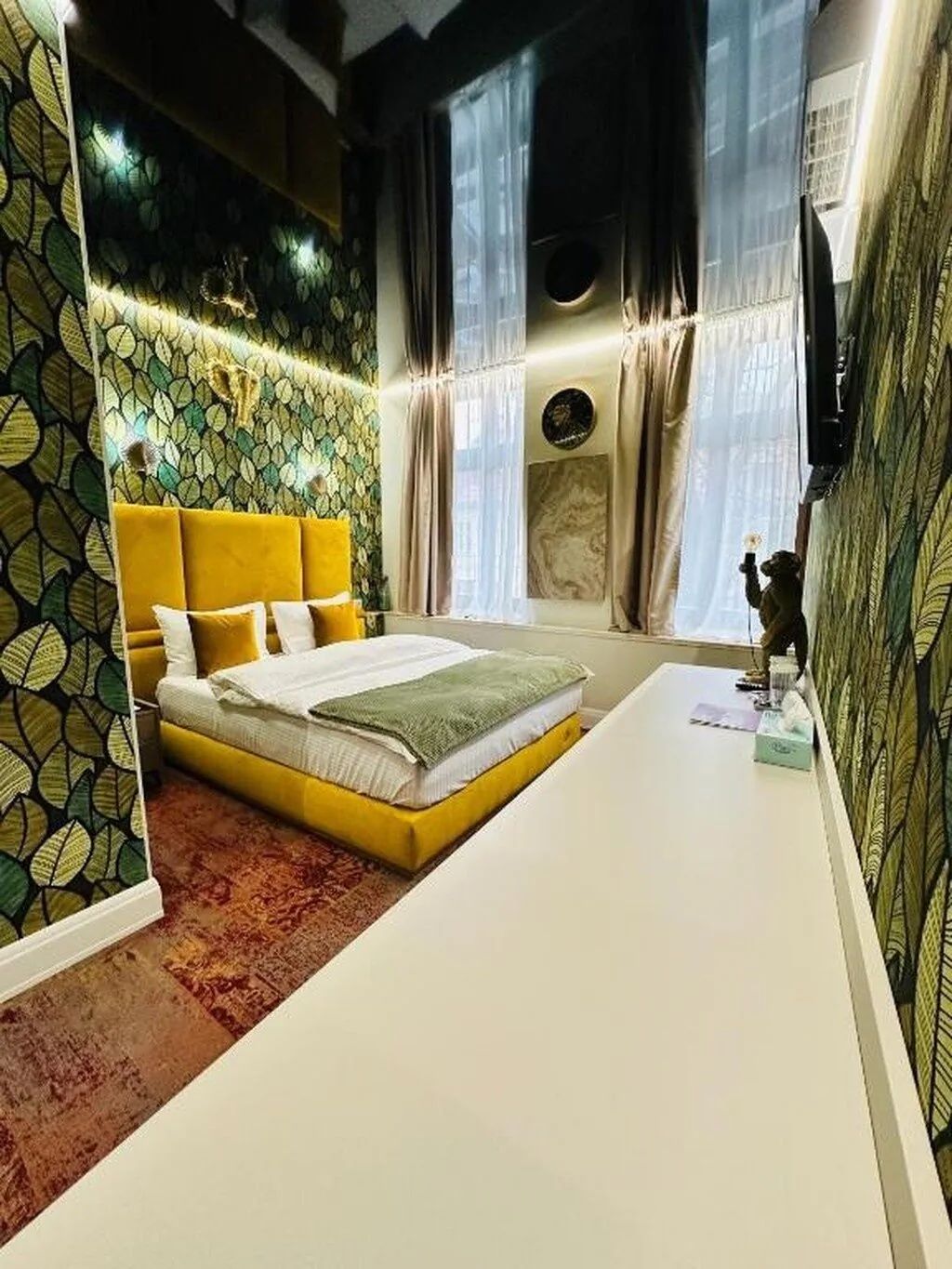
Villa Levoslav House este o vilă turistică clasificată cu 3 stele, situată în municipiul Sibiu, pe strada General Magheru numărul 12. Această unitate de cazare oferă un ambient liniștit și confortabil pentru toți oaspeții care doresc să exploreze orașul și împrejurimile sale culturale. Camerele sunt dotate cu aer condiționat și oferă acces la Wi-Fi gratuit. Pentru siguranța dumneavoastră, fiecare cameră dispune de seif, iar la recepție aveți la dispoziție un depozit pentru bagaje. De asemenea, unitatea oferă parcare privată gratuită și, la cerere, un pătuț pentru bebeluș, astfel încât șederea să fie confortabilă pentru întreaga familie. Primirea camerei se face începând cu ora 15:00, iar eliberarea camerei până la ora 11:30. La recepție se vorbesc limbile engleză, germană, rusă și română. În apropiere puteți vizita Muzeul Civilizației Populare Tradiționale ASTRA, Biserica Parohială Evanghelică Sfânta Maria din Sibiu, Muzeul Brukenthal, Turnul Sfatului și Podul Minciunilor. Aceste obiective turistice se află în zonă și vă oferă ocazia de a descoperiți patrimoniul cultural, istoric și arhitectural al orașului. Vă așteptăm la Villa Levoslav House Sibiu.
FROM
280 lei per night
Holiday home · 3 stars
Sibiu, Sibiu County · 0.1 km
Maison Elysée Sibiu
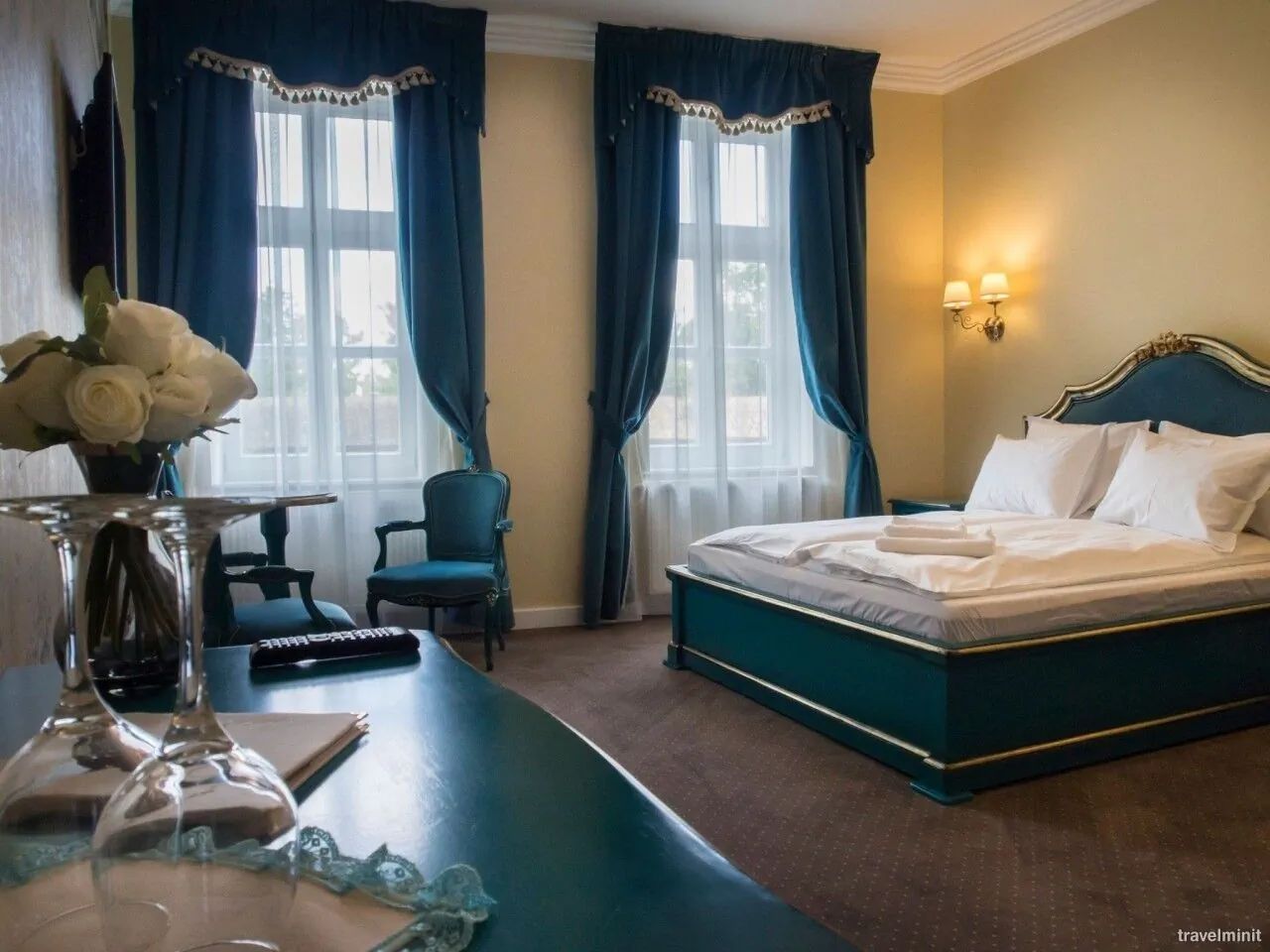
De la Podul Minciunilor puteți porni într-o plimbare prin centrul istoric al Sibiului, iar Maison Elysée, o casă de închiriat integrală situată în acest oraș, vă oferă un punct de plecare confortabil pentru a explora toate atracțiile din zonă în ritmul dumneavoastră. Proprietatea pune la dispoziția dumneavoastră opt camere amenajate cu atenție, iar cele echipate cu aer condiționat vă asigură temperatura potrivită în orice sezon. Conexiunea Wi-Fi gratuită este disponibilă în întreaga vilă, iar pătuțul pentru bebeluș face călătoria mai ușoară pentru familiile cu copii mici. În exterior, curtea mare și grădina amenajată oferă un spațiu liniștit unde vă puteți relaxa după o zi plină de descoperiri. În apropiere se află Muzeul Civilizației Populare Tradiționale ASTRA, Biserica Parohială Evanghelică Sfânta Maria din Sibiu, Muzeul Brukenthal și Turnul Sfatului, obiective culturale pe care le puteți vizita cu ușurință pornind de la adresa de pe strada Barbierilor. Vă așteptăm cu drag la Maison Elysée Sibiu.
FROM
280 lei per night

Apartment · 3 stars
Sibiu, Sibiu County · 0.2 km
Apartament Lovely Balcony Central Sibiu
Comfort, relaxation and stunning views, all just steps away from the main attractions.
FROM
230 lei per night
BEFORE YOU HIT THE ROAD
Weather conditions in Sibiu
Local forecast for Franciscan Church in Sibiu, Sibiu, Sibiu

Real-time updated weather data
Much more to explore in this area
Nearby tourist attractions


Cârțișoara, Sibiu County
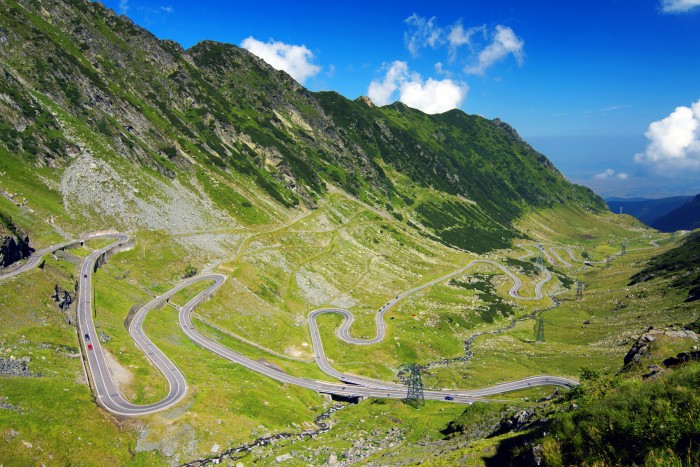
Transfăgărășan Highway and Bâlea Lake
Incepe in comuna Bascov din judetul Arges de langa orasul Pitesti, in directia orasului Curtea de Arges si se termina la intersectia cu drumul DN1 intre Sibiu...
33.3 km
Sibiu, Sibiu County
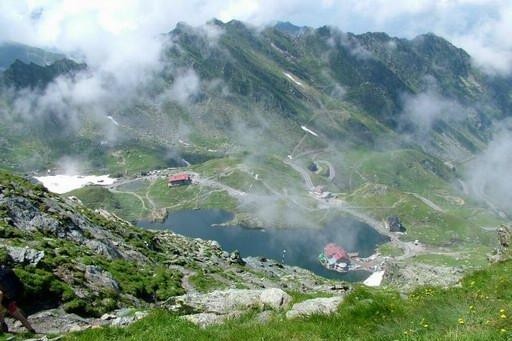
Bâlea Lake
Situat in Muntii Fagaras, la Obarsia Cartisoarei, care se afla la o altitudine de 2.034 metri, langa soseaua Transfagarasan din judetul Sibiu; in perioada...
41.8 km

40.3 km
Sibiu, Sibiu County
ASTRA Museum of Traditional Folk Civilization
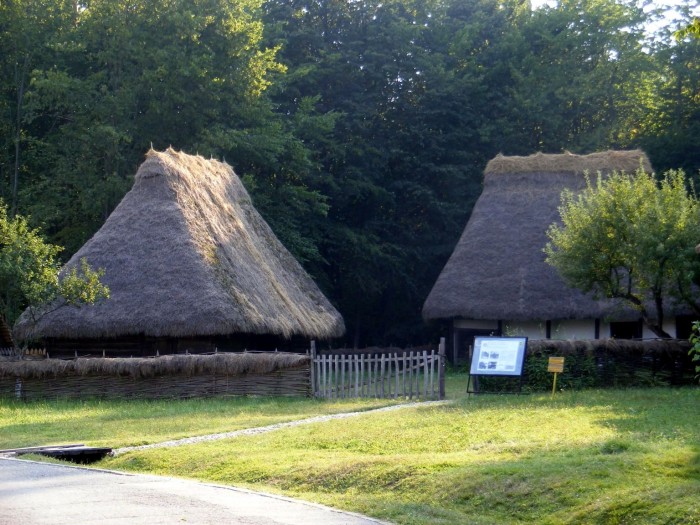
Situat pe Calea Rasinari din localitatea Sibiu; este un muzeu in aer liber; a fost organizat cu incepere din anul 1963, sub denumirea de Muzeul Tehnicii...
5.6 km
Sibiu, Sibiu County
Bâlea Lake Resort
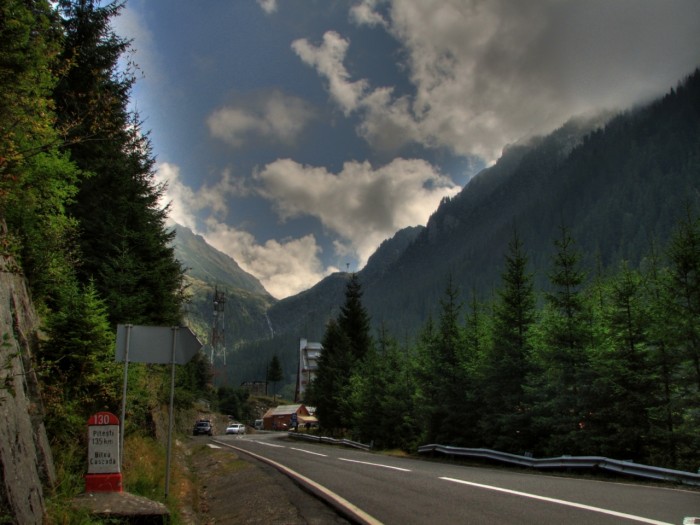
Situata in aria comunei Cartisoara din masivul Fagaras; se intinde pana la altitudinea de 2.500 m; include relieful alpin, lacul, flora si fauna din circul...
33.4 km

47.0 km
Sibiu, Sibiu County
St. Mary's Evangelical Church
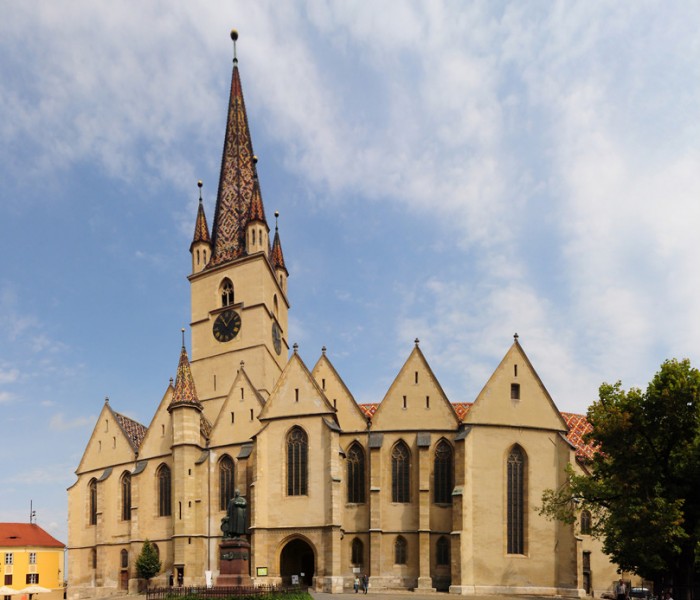
Situata in Piata Huet, localitatea Sibiu; a fost ridicata in secolul al-XIV-lea, pe locul unde exista o veche biserica inca din secolul al-XII-lea; cladirea...
0.4 km

Sibiu, Sibiu County
Brukenthal National Museum
Situat in Piata Mare nr.4-5; colectiile baronului von Brukenthal au luat nastere in principal intre anii 1759-1774, perioada pe care acesta a petrecut-o la...
0.4 km
Sibiu, Sibiu County
Valea Viilor Fortified Church
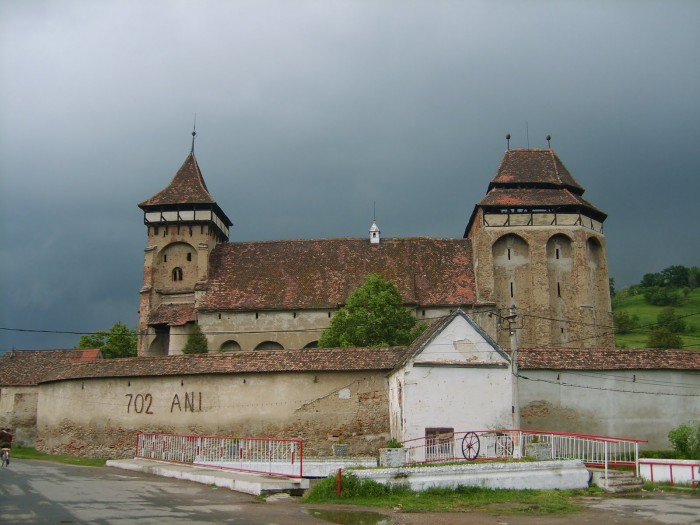
Situata in localitatea Valea Viilor; a fost construita in secolul al XII-lea, urmand sa fie fortificata in secolul al XV-lea si al XVI-lea; inconjurata de o...
33.3 km

37.6 km
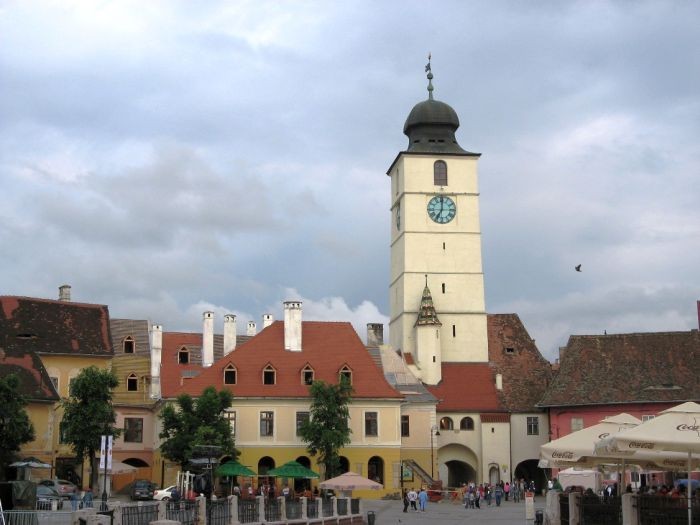
Sibiu, Sibiu County
The Council Tower
Situat in Piata Mica nr.1, localitatea Sibiu; construit deodata cu cea de-a doua incinta fortificata, intre anii 1224 si 1241; este considerat simbol al...
0.3 km
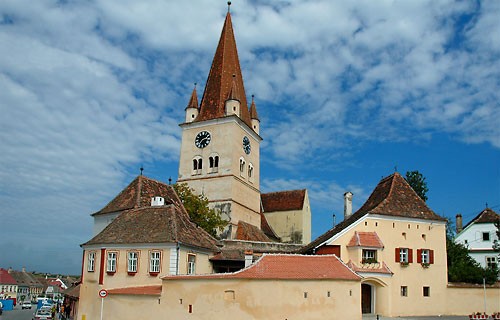
Sibiu, Sibiu County
The Fortified Evangelical Church of Cisnădie.
Situata pe strada Cetatii nr.1-3, localitatea Cisnadie; construita in secolul al XIII-lea; fortificata dupa atacul turcesc din 1493: turnul central a fost...
9.4 km
Cultural life and traditions
Events in the Franciscan Church in Sibiu area
Medieval festivals, traditional fairs, concerts and local activities recommended in Transylvania.

Heritage and History

Sibiu, County of Sibiu
The Festival of Medieval Fortresses and the Open Doors Days
Guided night tours, traditional crafts workshops and historical re-enactments featuring knights and ladies.
WHEN
May 15-17, 2026


Traditions and Cuisine
Sibiu, County of Sibiu
The Fair of Saxon Traditions and Local Cuisine
Discover local producers, traditional Saxon pastries baked in a wood-fired oven, artisanal syrups, and rhubarb jam.
WHEN
Every weekend (May - October)

Ecotourism and Nature
The hills of Transylvania, County of Sibiu
Guided Hikes on the Transylvanian Hills Trail
Take excursions along unmarked trails through ancient meadows, centuries-old oak trees, and villages with fortified churches that are UNESCO World Heritage sites.
WHEN
Friday – Sunday (Season 2026)
On foot, exploration gains depth
Discover the surroundings and local geography
Explore the trails, terrain, and natural landmarks around Franciscan Church in Sibiu.

Guides and practical tips
Useful travel articles
Travel guides, practical recommendations and tourist itineraries for Transylvania.

Tourist guide
Top 5 Atracții Turistice și Trasee Montane în Zona Moieciu - Bran
Descoperă cele mai spectaculoase peisaje carstice, chei adânci și cetăți medievale din imediata apropiere a stațiunii Moieciu.

Tourist guide
Ghid de Drumeție: Traseul Moieciu de Sus spre Platoul Bucegi
Un itinerariu montan de o frumusețe rară ce urcă din Valea Băngăleasa spre Poiana Guțanu și crestele maiestuoase ale Bucegilor.

Tourist guide
Castelul Bran: Istorie, Legende și Secrete Medievale
Află adevărata poveste a fortăreței medievale din Pasul Bran, reședința de suflet a Reginei Maria a României.
THE JOURNEY STARTS WITH AN IDEA
The next story is on the way.
From the first stop to the last stay, make room for a new Romania.
