


MUSEUM · DOBRUJA
Natural Sciences Museum Complex in Constanța

Constanta, Constanța County
Add location to your trip planner.
Practical access information

VISITING HOURS
Monday: 12:00 PM – 5:00 PM · Tuesday–Sunday: 9:00 AM – 5:00 PM (in summer until 8:00 PM)

TICKET PRICE
Adults: 45 RON · Students: 11 RON · Seniors: 23 RON · Guided tour included

RECOMMENDED VISIT DURATION
2-3.5 hours
Visitor information and guide
 Navigate with Google Maps

ABOUT NATURAL SCIENCES MUSEUM COMPLEX IN CONSTANȚA
On the shores of the Black Sea, in the heart of Constanța, unfolds one of Southeast Europe’s most captivating cultural and scientific experiences. Here, the millennia-old history of Dobrogea intersects with contemporary fascination for the natural universe. The Natural Sciences Museum Complex, located at 255 Mamaia Boulevard, is a true center of knowledge that merges marine heritage with cosmic exploration, offering visitors a multidimensional journey through biodiversity and astronomy. This institution is not merely a museum in the traditional sense but a living organism, a laboratory of ideas where rigorous science intertwines with contemplative wonder, placing Constanța on the map of Europe’s great cultural centers along the Black Sea coast.
A Captivating Introduction and Heritage Significance
The museum complex unfolds like a symphony of primordial elements, where water, earth, and sky engage in dialogue within an architectural space designed to awaken the curiosity of modern humanity. Built during a period of cultural effervescence in the 1970s, the complex embodies an ambitious vision: the democratization of science and the bridging of the gap between the general public and the mysteries of nature through interactive and experiential methods. At a time when Western Europe was developing major modern science centers and the Eastern Bloc was consolidating its network of educational institutions, Constanța was constructing its own temple of knowledge—a place where biologists, astronomers, and conservationists work together to preserve and transmit the natural heritage of a region unique in the European landscape.
The heritage significance of this complex extends far beyond national borders, as it represents a meeting point between the ancient tradition of Pontic navigation and contemporary aspirations for sustainability and biodiversity protection. In a city that has always been a bridge between East and West, between Mediterranean and Slavic civilizations, the museum complex becomes an ambassador of the universal values of science, demonstrating that Dobrogea, with its history of Greek colonies, Roman fortresses, Byzantine citadels, and Ottoman ports, remains a living territory where past and future coexist in harmony.
Historical Roots and Major European Connections
To fully grasp the importance of the Natural Sciences Museum Complex, one must travel back two and a half millennia to the founding of the Greek colony of Tomis by settlers from Miletus in the 6th century BCE. This city, which would become modern-day Constanța, has always been a vital node in the Black Sea’s commercial network—a place where Phoenician, Greek, Roman, and Byzantine ships transported goods and ideas between the Mediterranean and Eastern Europe. During the Roman period, Tomis was part of the province of Moesia, and later of the Byzantine theme of Dobrogea, serving as a strategic outpost against northern invasions. This millennia-old maritime civilization laid the cultural foundation upon which, in the 19th century, the royal seaside resort emerged when King Carol I of Romania transformed Constanța into a luxury destination comparable to Biarritz, Baden-Baden, or Monte Carlo, attracting European aristocracy and developing an unparalleled cosmopolitan infrastructure in the region.
In the 20th century, with the establishment of the communist regime, Romania, like other Eastern Bloc countries such as Poland, Czechoslovakia, and Hungary, developed an extensive network of natural science museums, drawing inspiration from Soviet models as well as Western institutions like the Natural History Museum in London, the Jardin des Plantes in Paris, and the aquariums of Monaco and Naples. The year 1972, when various individual sections were united under the name Natural Sciences Museum Complex, marked a turning point in the city’s cultural history, reflecting the era’s ambition to create institutions capable of educating the general public through modern methods, aligning with European trends in science popularization. This fusion was not merely administrative but represented an integrative vision of nature as a complex system, anticipating ecological concerns that would become central in Western Europe only in the following decades.
The Black Sea, with its unique and fragile ecosystem, has always been a subject of interest for European scientists, from 18th-century French and German explorers to contemporary researchers involved in international biodiversity monitoring projects. The Constanța complex is part of this tradition of Pontic marine research, collaborating with prestigious institutions such as the Oceanographic Institute of Monaco, the Zoological Station of Naples, and the Marine Research Center in Plymouth, thus placing Dobrogea within the European network of excellence in marine biology.
Architectural Masterpiece and Construction Details
The architecture of the Natural Sciences Museum Complex reflects the modernist aesthetic of the 1970s, a period when Eastern Europe was constructing functional buildings for cultural and scientific institutions with particular attention to integration into the marine landscape. The main building at 255 Mamaia Boulevard presents a composition of clean geometric volumes, with generous glazed surfaces that allow natural light to flood the exhibition spaces, creating an atmosphere of openness and transparency. The horizontal lines of the structure evoke the waves of the sea, while the materials used—concrete and glass—suggest scientific transparency and the desire to bring nature into the built environment.
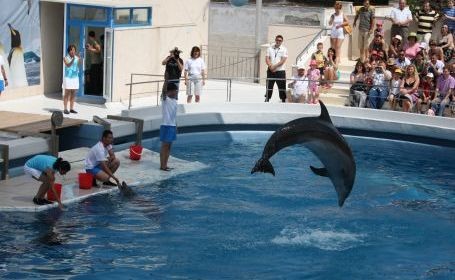
The Dolphinarium, the emotional heart of the complex, is housed in a circular structure reminiscent of ancient amphitheaters, a tribute to the Mediterranean tradition of open-air spectacle. The main basin, with its scientifically calculated depth and dimensions, is designed not only for performances but also for behavioral research and breeding programs, making it one of the few centers in Southeast Europe with such facilities. The Aquarium, located separately at 1 Elisabeta Boulevard in a historically resonant building, presents an interesting architectural contrast. This structure, situated near the historic center of the city and the Casino, bears the imprint of Constanța’s Belle Époque period of glory, when the city was a cosmopolitan destination frequented by European aristocracy. The building’s façade, with decorative elements characteristic of late 19th- and early 20th-century architecture, provides an elegant setting for the display of aquatic biodiversity, creating a fascinating dialogue between the city’s seaside past and contemporary environmental concerns.
The Planetarium and Astronomical Observatory complete this architectural landscape, with the observatory’s dome dominating the complex’s silhouette as a symbol of humanity’s aspiration to explore the infinite. The interior spaces are designed with careful attention to visitor flow, guiding them on a narrative journey from the ocean depths to the edges of the known universe.
The Marine Universe: The Dolphinarium and Aquarium
The Dolphinarium represents the emotional heart of the complex, being one of the few centers of its kind in Romania and the entire Black Sea region dedicated to marine mammals. Here, bottlenose dolphins of the Tursiops truncatus species, specifically the ponticus subspecies emblematic of the Black Sea fauna, participate in educational programs and shows that raise public awareness about marine environment conservation. These dolphins, also known as common bottlenose dolphins, have long been associated with navigation in the Black Sea, mentioned since antiquity by Greek and Roman writers. The care and breeding program conducted in Constanța contributes to European efforts to protect aquatic biodiversity, placing the institution on the map of marine research centers in the Pontic basin, alongside similar facilities in Turkey, Ukraine, and Georgia.
The Aquarium at 1 Elisabeta Boulevard houses an impressive collection of aquatic organisms, showcasing the unique biodiversity of the Black Sea, a fragile and nearly enclosed ecosystem with low salinity and distinct chemical stratification. Visitors can admire endemic species of the Pontic basin, such as various fish, crustaceans, and mollusks, as well as aquatic ecosystems from around the world, from tropical coral reefs to temperate waters. This biological diversity offers a profound perspective on the fragile ecological balance of the waters, highlighting the challenges currently facing the Black Sea, from pollution to climate change. The building itself, with its historic architecture, evokes the period when Constanța was a cosmopolitan luxury destination, and the aquarium thus becomes a dialogue between the city’s seaside past—when European tourists came to enjoy the sea air and mud treatments—and contemporary concerns for sustainability and environmental protection.
The Sky and Cosmos: The Planetarium and Astronomical Observatory
The Planetarium and Astronomical Observatory sections open cosmic horizons to visitors, offering digital projections of the night sky and direct astronomical observations through state-of-the-art telescopes. These facilities place the Constanța institution within the European network of astronomical education centers, contributing to the popularization of space sciences in an era of interplanetary exploration and international space missions. The Planetarium, equipped with projection technology similar to that used in major European capitals such as Paris, London, or Vienna, allows visitors to virtually travel among galaxies, explore the solar system, and understand complex cosmic phenomena in an accessible and captivating way.
The Astronomical Observatory, with its rotating dome and high-performance optical instruments, enables the study of celestial phenomena, connecting the historic tradition of maritime navigation in the port of Constanța—where ship captains have guided themselves by the stars since antiquity—with modern technology for exploring the universe. This continuity between traditional Pontic navigation, practiced by Greeks, Romans, and Genoese in the port of Tomis, and contemporary astronomy illustrates how Constanța remains a center of excellence in the exact sciences, inheriting a tradition of knowledge that spans millennia.
Stories, Personalities, and Turning Points
The history of the Natural Sciences Museum Complex is marked by pioneering moments and dedicated personalities who contributed to transforming a vision into reality. The year 1972, when individual sections were united, was defined by the efforts of passionate biologists, geographers, and educators who understood that only through interdisciplinary collaboration could the public be offered a complete picture of nature. Among them were researchers trained in the tradition of the Romanian school of marine biology, who made significant contributions to the understanding of Pontic fauna, inheriting the expertise of scholars such as Grigore Antipa and Emil Racoviță, founders of modern biology in Romania.
A pivotal moment was the inauguration of the Dolphinarium, which represented a premiere for Romania and the entire Black Sea region. The construction of special basins and the housing of dolphins required international collaborations and exceptional technical expertise, paving the way for research and conservation programs that placed Constanța on the map of European centers for marine mammal protection. Successes in captive dolphin breeding were celebrated in the international scientific community, demonstrating the institution’s capacity to contribute to global biodiversity preservation efforts.
Over the decades, the complex has undergone significant transformations, adapting to international standards of conservation and museum education. After 1989, the institution experienced a period of accelerated modernization, benefiting from partnerships with museums and aquariums in Western Europe, from the Oceanário de Lisboa to the aquariums of Genoa and Barcelona, thus integrating into the European and international cultural circuit.
Scientific Heritage and Educational Mission
The museum’s heritage comprises approximately 30,000 exhibits, an impressive collection that includes fish, aquatic mammals, birds, crustaceans, mollusks, and planetarium pieces. These collections represent a particularly valuable scientific treasure, documenting the biodiversity of the Dobrogea region and the Pontic basin, providing essential resources for environmental education and scientific research. The microreserve with its exhibition of exotic birds and decorative elements completes this heritage, offering a perspective on global avian diversity and conservation efforts for endangered species.
The complex embraces its mission to educate generations aware of the importance of nature conservation, collaborating with European institutions on research and ecological awareness projects. Educational programs for schoolchildren and the general public are designed according to modern European models, emphasizing experiential learning and fostering a responsible attitude toward the environment. In a world facing climate crisis and biodiversity loss, the role of this complex as a center for sustainable development education becomes increasingly important, offering visitors not only information but also inspiration for action.
Practical Visitor’s Guide and Today’s Tourist Experience
Visiting the Natural Sciences Museum Complex is an invitation to discover an essential dimension of Constanța’s identity, where the sea, earth, and sky meet in a continuous dialogue between science and wonder. The main building at 255 Mamaia Boulevard is easily accessible by public transport or car, with parking available for visitors. The visiting schedule is flexible, allowing exploration of the Dolphinarium, Planetarium, and Microreserve in a single day, though nature enthusiasts may spend hours admiring the details of the exhibitions.
The Aquarium at 1 Elisabeta Boulevard, located in the historic center of the city, can be visited separately or as a complement to the main building, just a few minutes’ walk from the Constanța Casino and the city’s seaside promenade. This location allows visitors to combine cultural enjoyment with seaside walks, admire the historic architecture of the old center, and soak in the atmosphere of a European port city.
For a complete experience, visitors are encouraged to attend one of the dolphin shows, scheduled several times a day, or participate in astronomical observation sessions available on clear evenings. International visitors will appreciate the English-language guides and informational materials available in several European languages, as well as the museum café, which offers a splendid panorama of the Black Sea. The complex is ideal for families with children as well as adult tourists passionate about science, offering a perfect balance between education and entertainment, tradition and innovation.
In conclusion, the Natural Sciences Museum Complex in Constanța represents one of Romania’s most valuable cultural attractions, a place where the natural heritage of Dobrogea and the Black Sea is preserved, studied, and celebrated in an authentically European spirit. Visiting this complex offers a unique perspective on how a region with a millennia-old history can become a model for sustainable development and education for the future, demonstrating that science and natural beauty can coexist in perfect harmony.
Media gallery
Discover Natural Sciences Museum Complex in Constanța in pictures

7 photos · Architecture, courtyards and captivating details
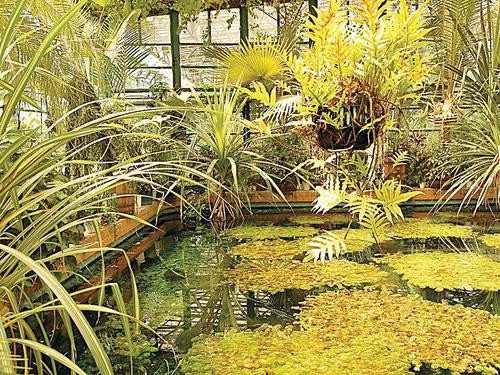
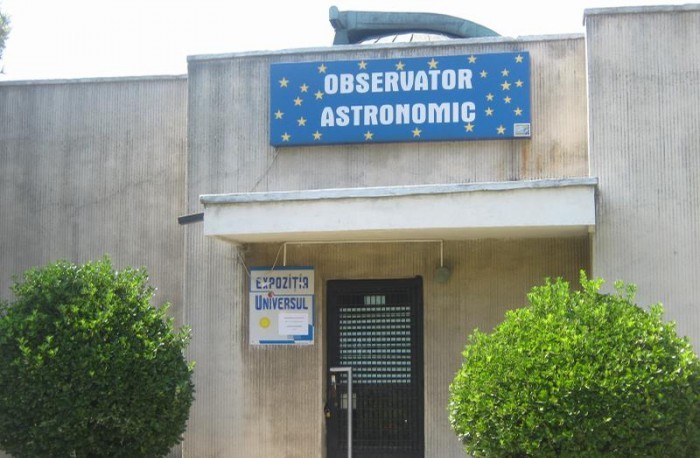


Image source: Wikimedia Commons · Public domain photos · Free license
STAY A FEW DAYS, DISCOVER THE MAGIC
Accommodation in the Natural Sciences Museum Complex in Constanța area

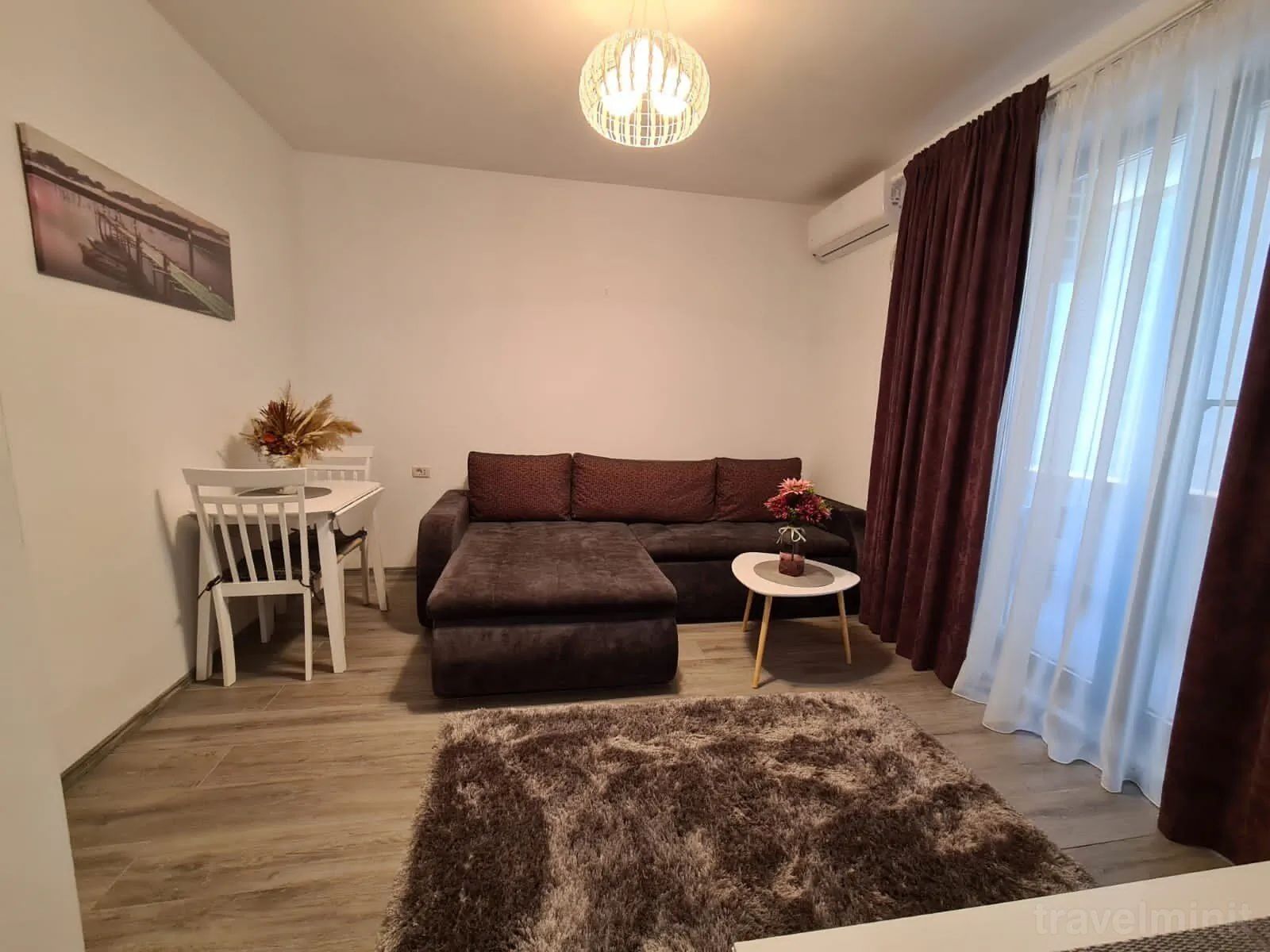
Apartment · 3 stars

Mamaia, Constanța County · 0.2 km
Apartament LMN 33 Mamaia
Comfort, relaxation and stunning views, all just steps away from the main attractions.
FROM
230 lei per night

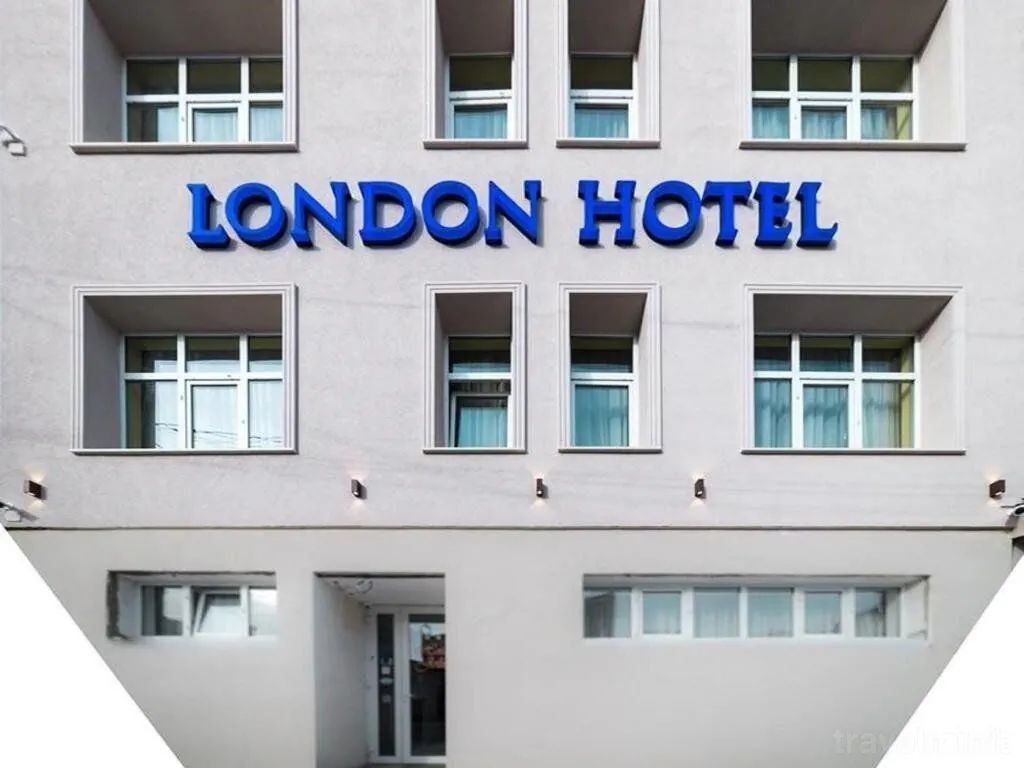
Hotel · 3 stars
Constanța, Constanța County · 0.6 km
Hotel London Constanța
Cazinoul din Constanța reprezintă un punct de plecare excelent pentru explorarea orașului, iar Hotel London vă oferă cazare confortabilă chiar în apropiere. Ca hotel de trei stele situat în Constanța, unitatea pune la dispoziția dumneavoastră 16 camere amenajate cu grijă și confort, dintre care unele sunt dotate cu aer condiționat pentru zilele călduroase de vară. În exterior, o curte mare și o grădină amenajată vă invită să vă relaxați după o zi plină de explorare. Accesul la internet Wi-Fi este disponibil gratuit în întreaga unitate, astfel încât să rămâneți conectați pe toată durata sejurului dumneavoastră. La recepție, personalul vorbește atât română, cât și engleză, fiind pregătit să vă ofere informații utile despre zonă. Check-in-ul se face începând cu ora 16:00, iar check-out-ul până la ora 12:00. Dacă doriți să începeți ziua cu energie, puteți comanda micul dejun contra cost la momentul efectuării rezervării. Plata se poate realiza prin numerar, card bancar, transfer bancar sau cu card de vacanță. În apropiere puteți vizita Stațiunea Mamaia, Complexul muzeal de științe ale naturii din Constanța, Delfinariul sau Muzeul de Istorie Națională și Arheologie din Constanța, toate fiind la îndemână pentru o zi plină de descoperiri culturale și relaxare. Vă așteptăm la Hotel London Constanța pentru a porni împreună spre Delfinariul din Constanța și celelalte minunății ale zonei.
FROM
290 lei per night
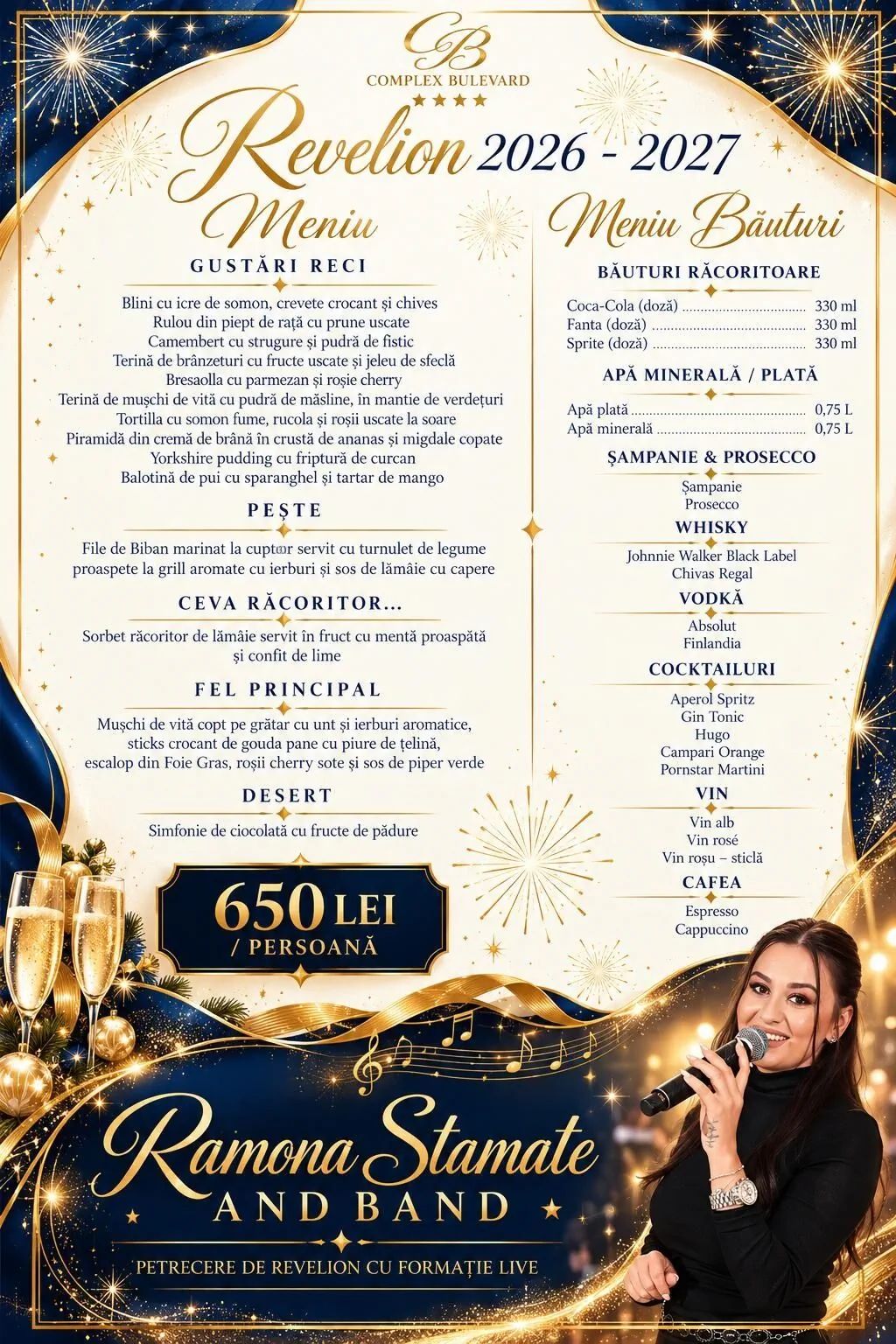
Hotel · 4 stars
Constanța, Constanța County · 0.6 km
Hotel Bulevard Constanța
O zi petrecută aici începe cu cafeaua de dimineață savurată pe terasă, în timp ce răsfoiți știrile pe Wi-Fi gratuit, la Hotel Bulevard Constanța din Constanța. Restaurantul din incintă prepară bucate care satisfac diverse preferințe culinare, iar depozitul pentru bagaje vă permite să vă deplasați fără griji prin oraș și împrejurimi. De asemenea, hotelul oferă acces persoanelor cu dizabilități, asigurând astfel confort pentru toți oaspeții. În apropiere se află Stațiunea Mamaia, Complexul muzeal de științe ale naturii din Constanța, Delfinariul din Constanța și Cazinoul din Constanța, obiective interesante pe care le puteți vizita cu ușurință pornind direct de la hotel. Fie că alegeți să vă relaxați pe terasă sau să luați masa în restaurantul din incintă, fiecare moment petrecut în această unitate contribuie la o experiență plăcută și relaxantă. Vă așteptăm să vă bucurați de șederea dumneavoastră în Constanța. Pentru comoditatea dumneavoastră, aveți la dispoziție depozit pentru bagaje și acces facilitat pentru persoane cu dizabilități pe întreaga perioadă a cazării.
FROM
420 lei per night
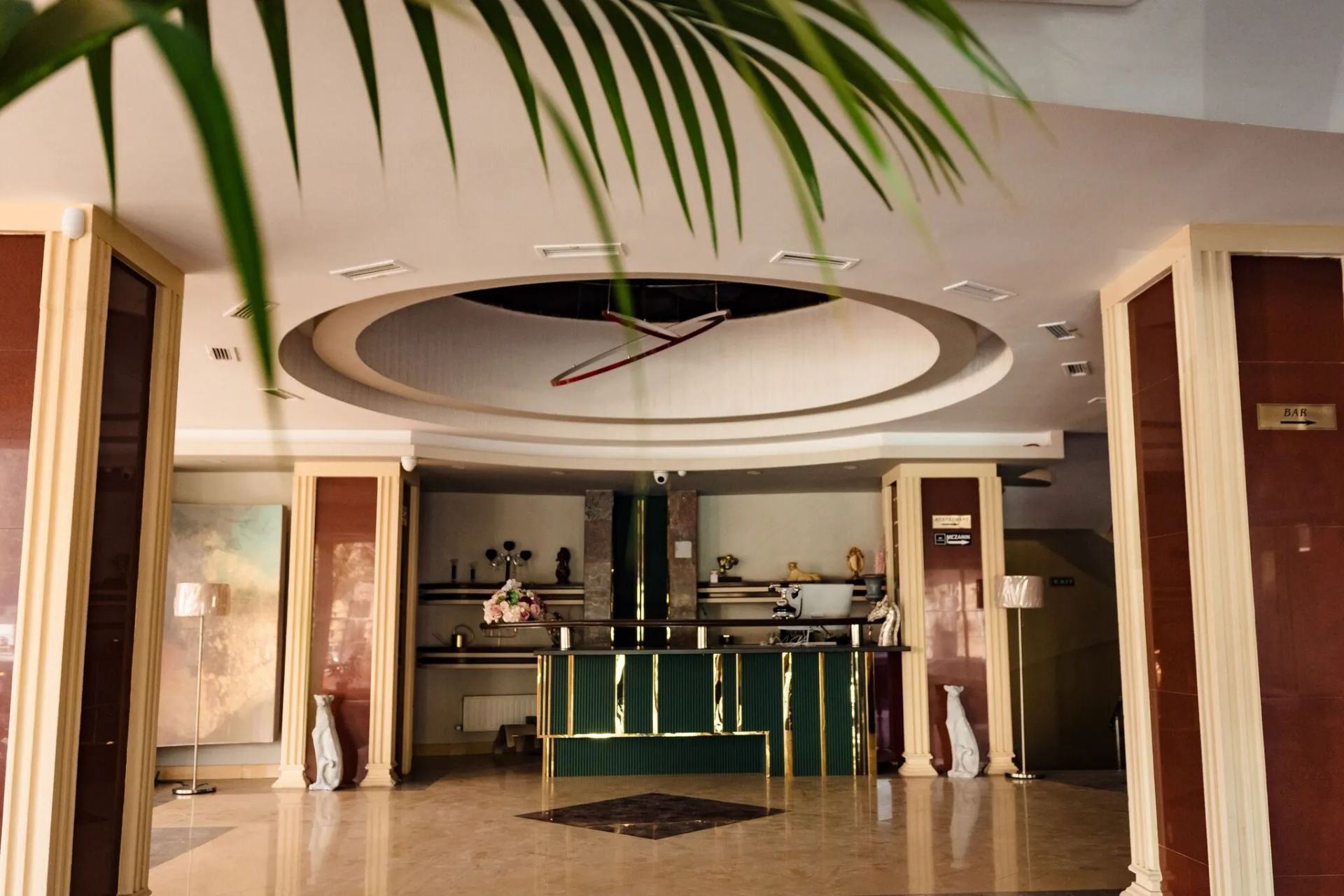
Hotel · 3 stars
Constanța, Constanța County · 0.9 km
Hotel Royal by Euxin Constanta
La Cazinoul din Constanța puteți descoperi una dintre cele mai reprezentative clădiri ale orașului, iar Hotel Royal by Euxin Constanța, un hotel de 3 stele din Constanța, vă oferă un punct de plecare comod pentru a explora toate atracțiile din zonă. Hotelul vă pune la dispoziție Wi-Fi gratuit, ascensor, seif în fiecare cameră și un bar în incintă, facilități care contribuie la un sejur relaxant și fără griji. Camerele sunt moderne și bine amenajate, oferind aer condiționat, televizor cu ecran plat și minibar pentru confortul dumneavoastră. În apropiere puteți vizita Stațiunea Mamaia, Complexul muzeal de științe ale naturii din Constanța, Delfinariul din Constanța și Muzeul de Istorie Națională și Arheologie din Constanța. De asemenea, aveți la dispoziție transportul public și puteți beneficia de serviciile unei săli de conferințe și a unui business corner pentru întâlniri de afaceri. Dimineața puteți servi micul dejun într-o atmosferă plăcută, iar personalul de la recepție vă stă la dispoziție cu informații despre oraș și organizarea de excursii. Zona de lounge este potrivită pentru relaxare după o zi activă, iar începând cu 1 iunie 2025 aveți acces gratuit la plaja privată de la Marea Neagră, unde vă așteaptă șezlonguri. Vă așteptăm la Hotel Royal by Euxin Constanța.
FROM
290 lei per night
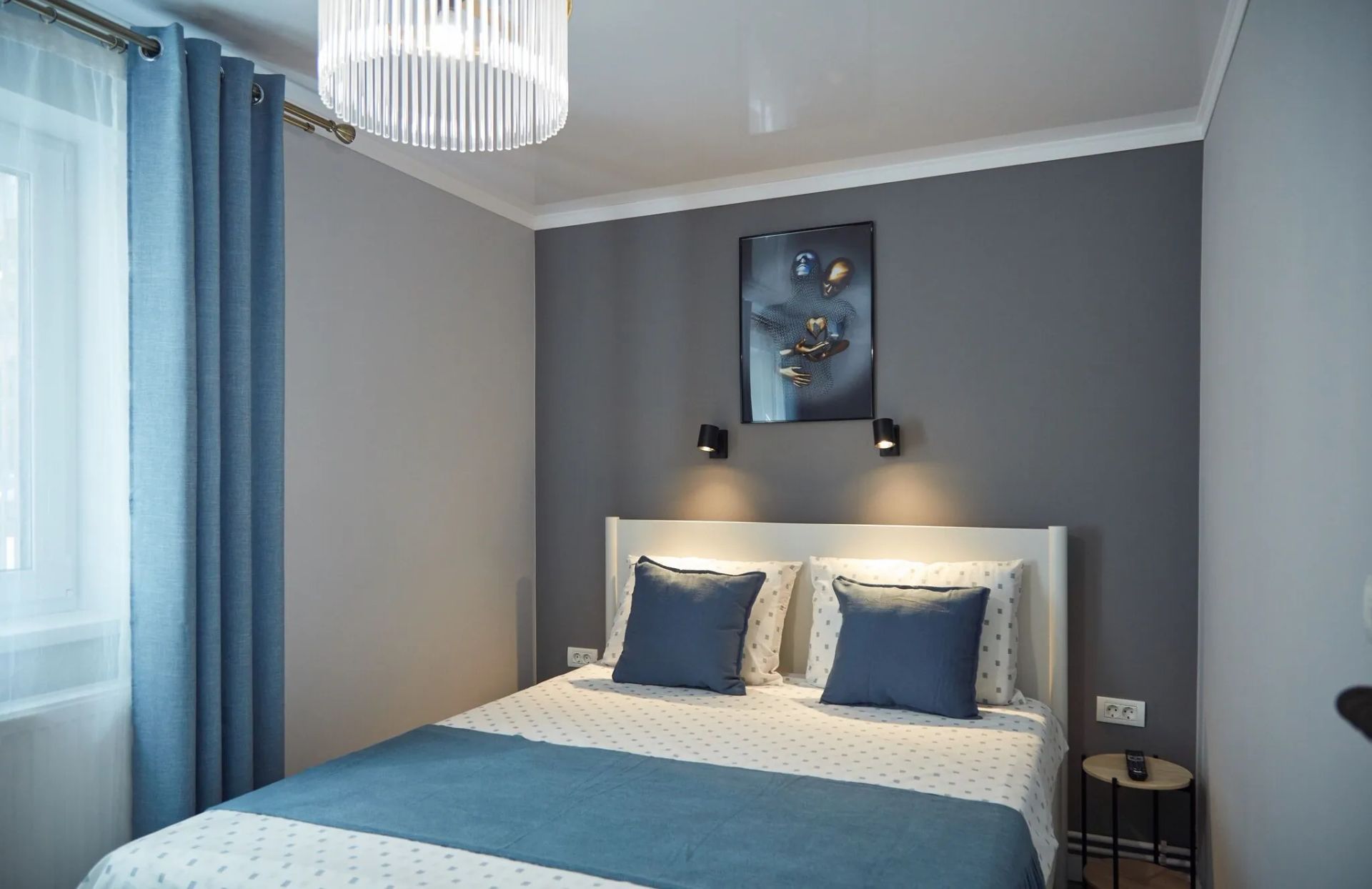
Apartment · 3 stars
Constanța, Constanța County · 0.9 km
Antonia Apartament City Park Mall Constanța
Comfort, relaxation and stunning views, all just steps away from the main attractions.
FROM
230 lei per night
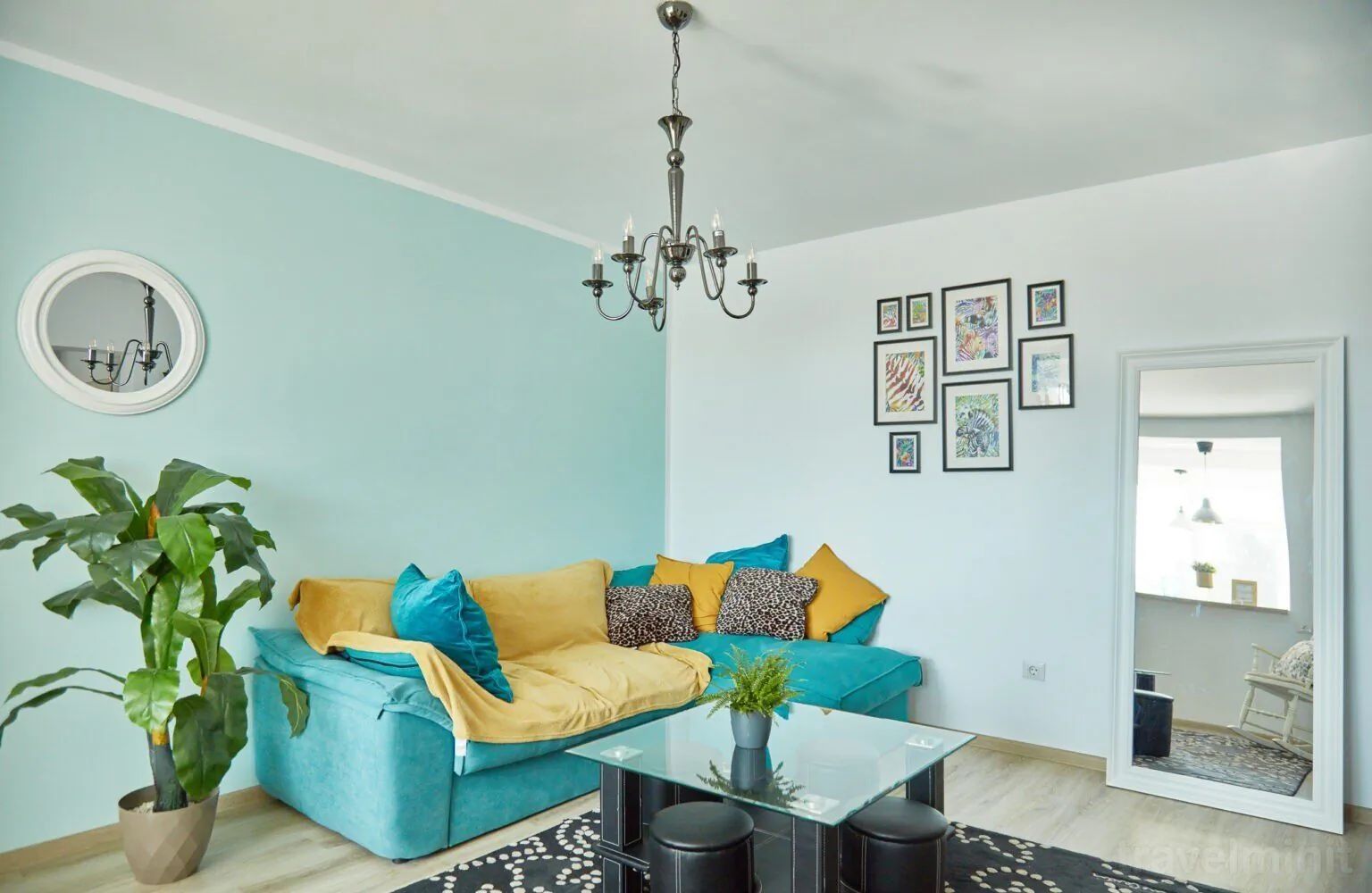
Apartment · 3 stars
Constanța, Constanța County · 1.0 km
Apartament City Park Mall Constanța
Comfort, relaxation and stunning views, all just steps away from the main attractions.
FROM
230 lei per night
BEFORE YOU HIT THE ROAD
Weather conditions in Constanta
Local forecast for Natural Sciences Museum Complex in Constanța, Constanta, Constanța

Real-time updated weather data
Much more to explore in this area
Nearby tourist attractions


Constanta, Constanța County
Mamaia resort.
Situata la nord de municipiul Constanta, intre Marea Neagra si Lacul Siutghiol; cartier al municipiului Constanta, are foarte putini locuitori, dar este...
0.6 km

Constanta, Constanța County
Histria Fortress
Situata pe teritoriul satului Istria, malul lacului Sinoe, teritoriul administrativ al comunei Istria; construita in anul 657 i.Hr., este cea mai veche dintre...
39.3 km
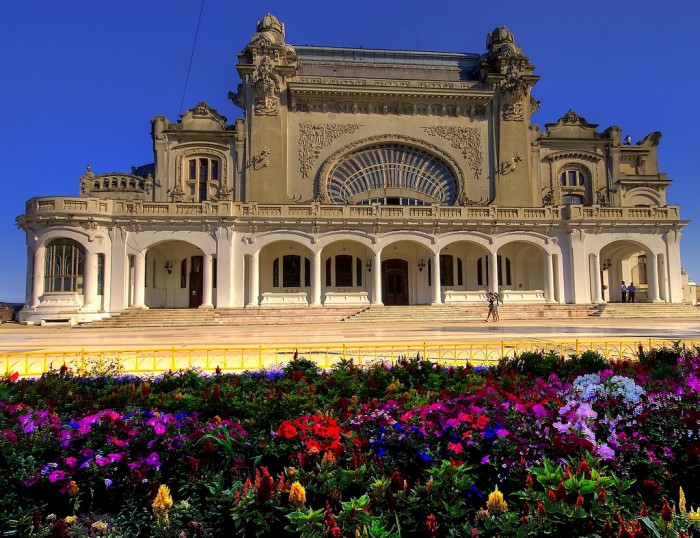
Constanta, Constanța County
The casino in Constanta.
Situat pe bulevardul Elisabeta, nr. 2, municipiul Constanta; in trecut, in aceasi locatie era amplasata o "cazina" (1880 - 1902) - constructie din lemn unde se...
4.4 km

Constanța, Constanța County
Mamaia
Localitate componentă a municipiului Constanța, județul Constanța, România
4.7 km
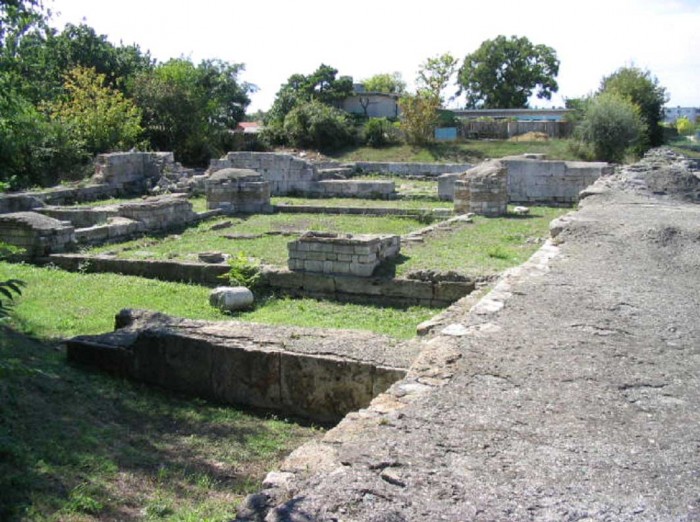
Constanta, Constanța County
Callatis Fortress in Mangalia
Situata pe teritoriul municipiului Mangalia, intre Sanatoriul balnear, Casa de Cultura, strada Constantei, Geamie si intrarea in portul comercial; intemeiata...
44.3 km
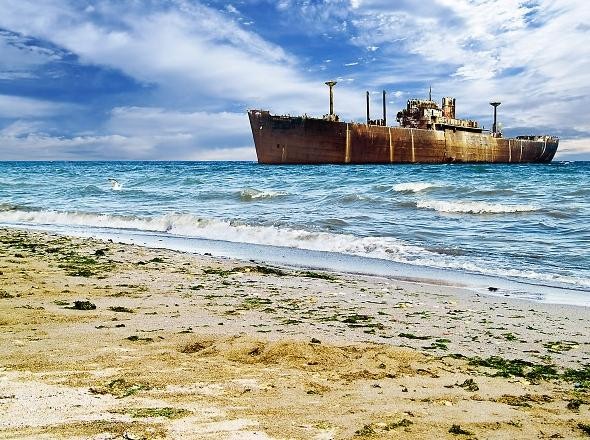
Constanta, Constanța County
Costinești Resort
Este situata in prelungirea satului Costinesti, la 31 km sud de municipiul Constanta, invecinandu-se la nord cu comuna Tuzla si la sud cu Statiunea Olimp;...
28.6 km
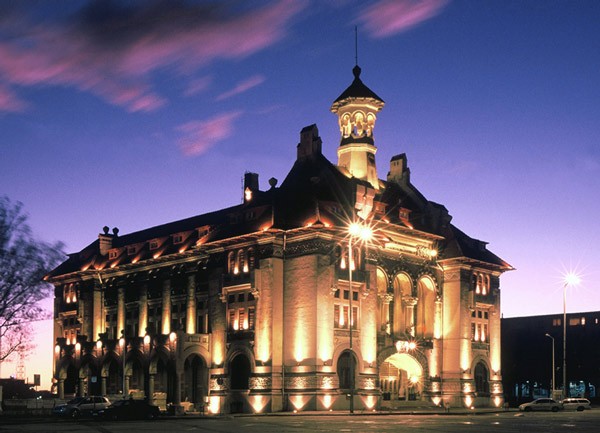
Constanta, Constanța County
National Museum of History and Archaeology in Constanța
Situat in Piata Ovidiu, nr. 12, municipiul Constanta; infiintat in anul 1878, cu ajutorul lui Remus Opreanu; la inceput a functionat in cladirea prefecturii si...
3.9 km
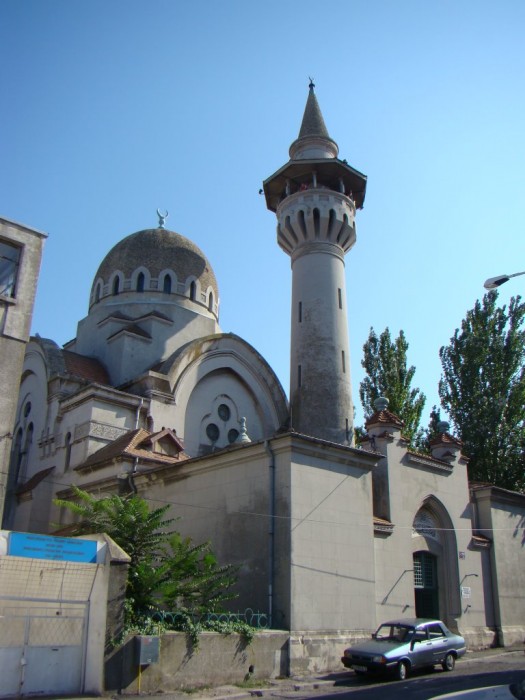
Constanta, Constanța County
Great Mosque of Constanța (Carol I Mosque)
Situata pe strada Arhieoiscopiei nr. 5 din municipiul Constanta; construita intre anii 1910 - 1912, mai poarta denumirea de "Moscheea Carol I"; planurile au...
4.0 km

Mangalia, Transylvania
Olimp Resort
Localitate componentă a municipiului Mangalia, județul Constanța, România
36.0 km

Mangalia, Transylvania
Neptun Resort
Localitate componentă a municipiului Mangalia, județul Constanța, România
38.0 km

Eforie, Constanța County
Eforie Nord
Situata in orasul Eforie, la 14 km de municipiul Constanta; amplasata la altitudinea de 6 - 20 m peste nivelul marii; statiune cu caracter permanent, are...
15.9 km
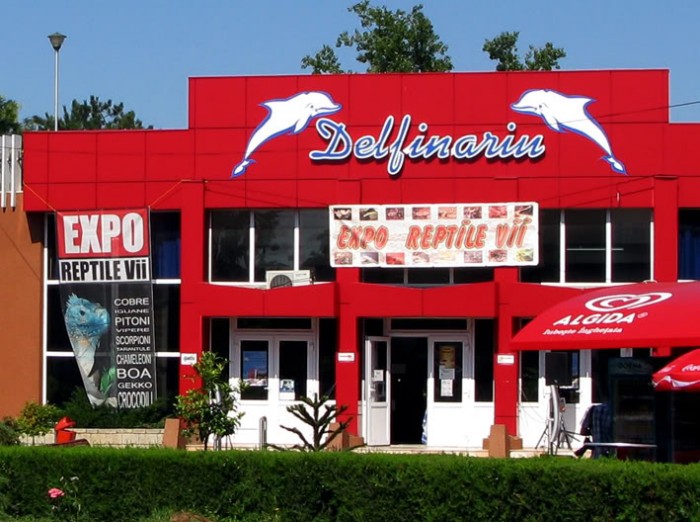
Constanta, Constanța County
Constanța Dolphinarium
Situat pe bulevardul Mamaia, nr. 255, municipiul Constanta; infiintat la 1 iulie 1972, este primul delfinariu public din tara noastra; primul exemplar...
0.1 km
Cultural life and traditions
Events in the Natural Sciences Museum Complex in Constanța area
Medieval festivals, traditional fairs, concerts and local activities recommended in Dobruja.

Traditions and Crafts

Constanta, County of Constanța
Days of Local Culture and Traditional Tourism
Open workshops featuring pottery, wood carving, and authentic folklore demonstrations by local artisans.
WHEN
May 15-17, 2026


Traditional Cuisine
Constanta, County of Constanța
The Fair of Traditional Products and Local Cuisine
Traditional products, aged cheeses, mountain honey and local delicacies prepared according to ancient recipes.
WHEN
Every weekend

Culture and Photography
Constanta, County of Constanța
Themed and Photographic Guided Tour of Cultural Heritage
A guided tour designed for history buffs, nature lovers, and photography enthusiasts, showcasing the most spectacular views in the area.
WHEN
Daily schedule available upon request
On foot, exploration gains depth
Discover the surroundings and local geography
Explore the trails, terrain, and natural landmarks around Natural Sciences Museum Complex in Constanța.

Guides and practical tips
Useful travel articles
Travel guides, practical recommendations and tourist itineraries for Dobruja.

Tourist guide
Top 5 Atracții Turistice și Trasee Montane în Zona Moieciu - Bran
Descoperă cele mai spectaculoase peisaje carstice, chei adânci și cetăți medievale din imediata apropiere a stațiunii Moieciu.

Tourist guide
Ghid de Drumeție: Traseul Moieciu de Sus spre Platoul Bucegi
Un itinerariu montan de o frumusețe rară ce urcă din Valea Băngăleasa spre Poiana Guțanu și crestele maiestuoase ale Bucegilor.

Tourist guide
Castelul Bran: Istorie, Legende și Secrete Medievale
Află adevărata poveste a fortăreței medievale din Pasul Bran, reședința de suflet a Reginei Maria a României.
THE JOURNEY STARTS WITH AN IDEA
The next story is on the way.
From the first stop to the last stay, make room for a new Romania.
