


TOURIST RESORT · TRANSYLVANIA
Neptun Resort

Mangalia, Transylvania
Add location to your trip planner.

Practical access information

VISITING HOURS
Monday: 12:00 PM – 5:00 PM · Tuesday–Sunday: 9:00 AM – 5:00 PM (in summer until 8:00 PM)

TICKET PRICE
Adults: 45 RON · Students: 11 RON · Seniors: 23 RON · Guided tour included

RECOMMENDED VISIT DURATION
30-60 minutes
Sources and external references
Wikipedia Encyclopedia (EN)
Visitor information and guide
 Navigate with Google Maps

ABOUT NEPTUN RESORT
A Jewel of Socialist Modernity on the Black Sea Coast
Neptun, a balneal resort and component locality of the municipality of Mangalia in Constanța County, represents a distinct and fascinating chapter in the history of Romanian urbanism along the Black Sea coastline. Situated in the heart of Dobruja, a historic region that has hosted empires and civilizations across millennia—from Greeks and Romans to Byzantines and Ottomans—Neptun lies just a few kilometers north of Mangalia, the oldest continuously inhabited urban settlement in Romania, founded as the Greek colony Callatis in the 6th century BCE. This proximity between antiquity and modernity creates a unique and captivating dialogue between the ancient Pontus Euxinus, as the Greeks called it, and the revolutionary architectural ambitions of the 20th century. The resort's development began in the 1960s, during the peak of socialist mass tourism, when the authorities of the Socialist Republic of Romania decided to transform the entire Black Sea coast into a vast balneal complex for the broad masses of the population. Designed as part of an extensive coastal systematization plan, inspired by the principles of international modernist urbanism and the Athens Charter, Neptun was officially inaugurated in the summer of 1967, quickly becoming a symbol of organized vacations for workers, intellectuals, and families from across the country. The specific architecture reflects the modernist aesthetics of the era: buildings with clear and balanced geometric forms, hotels with generously glazed facades offering panoramic views, and public spaces designed for collective socialization, all arranged within a meticulously landscaped coastal setting, framed by exceptional natural beauty between the sea and vegetation.
Deep Historical Roots and Major European Connections
To fully understand the cultural and historical significance of Neptun, one must look beyond the concrete of the 1960s and explore the millennia-old layers of Dobruja, a region that has always served as a bridge between East and West. In the immediate vicinity lie the ruins of the Callatis fortress, founded by Greek colonists from Heraclea Pontica around 657 BCE, an important commercial and cultural center that played a crucial role in the trade of cereals, olive oil, and fish from the Pontus Euxinus basin. Here, the Romans, under Emperor Trajan, later built an impressive theater with 2,000 seats and left behind a unique tomb, the papyrus tomb discovered in 1959, containing the text of a philosophical work attributed to Callimachus, a precious witness to Hellenistic culture. The Byzantine period brought new fortifications and commercial dynamics, while later, the Ottomans transformed the area into a strategic outpost of the Ottoman Empire, with Mangalia becoming known as Pangalia, an important commercial port.
However, Neptun as a balneal resort represents a radical break with this millennia-old history, embodying a broader European trend—yet fundamentally different—of democratizing access to the coastline. While resorts on the French Riviera—such as Biarritz, Deauville, Cannes, or Nice—or those on the Italian Riviera—such as Sanremo, Portofino, or Santa Margherita Ligure—developed organically from the 19th century as exclusive destinations for the aristocracy, bourgeoisie, and financial elites, frequented by the British royal family, Empress Eugénie of France, or major European bankers, and later for wealthy tourists of the Victorian and Belle Époque eras, Neptun belongs to a different generation of seaside resorts. These are the resorts of Eastern Europe and the Socialist Bloc, such as those in Bulgaria (Sonnenstrand, inaugurated in 1958, now Sunny Beach), Yugoslavia (Budva, Opatija in the socialist period, Split), Poland (Sopot, Gdynia), Czechoslovakia (Tatranská Lomnica, Karlovy Vary for workers), or the Soviet Union (Sochi on the Caucasus coast, Yalta in Crimea). Built in the spirit of socialist ideology, which promoted workers' rest as a fundamental constitutional right, guaranteed by the constitutions of socialist states, these resorts were part of a broader system of organized tourism through trade unions and sports federations, financed by the state and offering subsidized or free tickets. Neptun thus fits into a specific European context, distinct from Western liberal capitalism, yet equally ambitious in radically transforming the coastal landscape and providing facilities for the masses. Moreover, its privileged location, between the Black Sea and Lake Techirghiol—famous since antiquity for its therapeutic mud used extensively by Greeks and Romans—connects it to millennia-old balneal traditions that spanned the Roman, Byzantine, and Ottoman Empires, offering a rare therapeutic continuity in the contemporary European landscape.
An Architectural Masterpiece: Socialist Modernism and Functionalist Aesthetics
The urban landscape of Neptun Resort still preserves the authentic spirit of the 1960s and 1970s, representing a unique and precious architectural document of an era when the state assumed the historic mission of providing rest, health, and culture for all citizens, regardless of social class. The architecture of Neptun reflects the strong influences of international modernism, particularly the principles of CIAM (International Congresses of Modern Architecture) and the great architect Le Corbusier, adapted to the specific context and resources of real socialism. Unlike the anonymous, massive, and impersonal blocks of large socialist cities, Neptun was meticulously designed as a true garden city, with wide, tree-lined avenues shaded by ornamental trees, hotels with evocative and poetic names such as "Neptun," "Olimp," "Amfiteatru," "Panoramic," "Majestic," or "Dunărea," and a sumptuous promenade stretching parallel to the beach for several kilometers, offering open views toward the infinite sea.
The hotels were designed by Romanian architects trained in the interwar modernist tradition, with generously glazed facades, wide balconies, and clear geometric forms, inspired by contemporary Mediterranean architecture and resorts on the Albanian or Yugoslav coasts, but reinterpreted through the lens of socialist functionalism and the need to accommodate hundreds of tourists simultaneously. Public spaces—wide terraces, self-service restaurants, open-air performance venues, summer cinemas, and conference halls—were designed for collective socialization and cultural education, reflecting the communist ideal of community life and equal access to culture. This architectural style can be compared to the Yugoslav modernism of the Montenegrin coast, which blended Mediterranean influences with modernist sophistication, or to the Soviet resorts on the Black Sea coast of Crimea, though Neptun retains a certain elegance, openness to the landscape, and integration with nature specific to post-war Romanian architecture. Neptun’s beach, with its fine golden sand and shallow waters ideal for children, was meticulously arranged, with sun loungers organized in rows, while the promenade, paved with concrete slabs and adorned with seasonal flowers, served as the meeting place for the entire resort, a democratic public space where musical evenings and performances for tourists took place.
Stories, Personalities, and Turning Points
The history of Neptun is populated by millions of anonymous yet essential figures for understanding the social and cultural phenomenon it represented: workers from the steel mills of Hunedoara, textile factories of Bucharest, miners from the Jiu Valley, university professors, doctors, and engineers who received subsidized or free tickets through professional unions to rest by the sea. For many of them, especially those from rural areas or industrial cities without access to the sea, Neptun represented their first encounter with the Black Sea, a luxury completely inaccessible during the interwar period or immediately after World War II. Throughout the 1970s and 1980s, the resort hosted numerous cultural figures—writers such as Marin Preda or Nichita Stănescu, poets, actors from the National Theater, musicians, and visual artists—who came either for creative retreats or to participate in literary festivals, creative camps organized in the resort’s hotels, or performances on the open-air stage. Unlike Mamaia, the luxury resort for the communist elite, foreign diplomats, and tourists from capitalist countries, frequented by the party nomenclature, Neptun was truly the "people’s resort," where people from all social classes and regions of the country met in a spirit of enforced equality and working-class solidarity.
A historic turning point was the official inauguration in July 1967, when the first group of tourists—workers brought by bus from all corners of the country—was welcomed with pomp, fanfare, and the promise of a new era of democratic rest and health for all. Another crucial moment was the 1980s, when construction intensified, and the resort took on its current form, expanding northward. After the December 1989 Revolution and the fall of the communist regime, Neptun went through a difficult period of economic decline and degradation, with many hotels closed, vandalized, or left to decay. However, beginning in the 2000s, through privatization and renovation, the resort experienced a renaissance, with many hotels modernized and brought back into the international tourism circuit, some carefully preserving the original modernist architecture, others transformed into modern complexes. Today, Neptun is undergoing an extensive process of cultural and heritage reevaluation, being recognized nationally and internationally as part of Romania’s and Eastern Europe’s modernist architectural heritage, a physical witness to an urban utopia that attempted to provide happiness, health, and rest through rational planning and equal access for all citizens to the beauty of nature and the benefits of the sea.
Therapeutic Legacy: Lake Techirghiol and the European Balneal Tradition
An essential and defining element of the Neptun experience is its immediate proximity to Lake Techirghiol, located just a few kilometers to the north, a saltwater lake with dark sapropelic mud internationally recognized for its anti-inflammatory and regenerative properties. This balneal tradition has extremely deep roots: the ancient Greeks and Romans already used the mud from Techirghiol for medical treatments, and in the 19th century, under the reign of Carol I, the Techirghiol resort became a renowned European balneal center, frequented by Romanian aristocracy, European royal families, and foreign tourists seeking health, comparable to luxury resorts such as Vichy in France, Karlovy Vary in Bohemia, or Baden-Baden in Germany. During the socialist period, mud treatments, therapeutic baths, and aerosol therapy were offered free or at symbolic prices in the hotels of Neptun, Mangalia, and Techirghiol, considered an integral part of the state-guaranteed "balneal prophylaxis and treatment" system. Today, modern treatment and wellness centers in the area continue this centuries-old tradition, offering sophisticated procedures based on therapeutic mud rich in minerals, chlorinated and sodium mineral waters, as well as marine aerosols, placing Neptun and its surroundings in an elite European balneal circuit that includes destinations such as Piešťany in Slovakia, Hévíz in Hungary, or Marienbad in the Czech Republic, but with the unique and unmistakable character of the Black Sea and its sapropelic mud.
Practical Guide for the Contemporary Visitor and Today’s Experience
Neptun Resort is easily accessible by road via National Road DN39, located approximately 5 kilometers north of the historic center of Mangalia and about 40 kilometers south of Constanța, the largest port city on the Black Sea and the economic capital of Dobruja. Travel by train is possible to Mangalia station, from where one can reach Neptun by taxi, local bus, or even on foot via a pleasant walk along the cliff. The optimal period for visiting is between May and September, when the balneal season is in full swing, air and sea temperatures are ideal for swimming, and the beach is populated by tourists from across Europe. However, Neptun also offers a quiet and contemplative setting in the off-season, in April-May or September-October, for those interested in long walks on the deserted beach, detailed exploration of the archaeological sites in Mangalia—the restored Roman theater, the impressive ruins of the Callatis fortress, the unique papyrus tomb, the tumular necropolis, and the history museum—or relaxing balneal treatments at Techirghiol, when crowds are smaller.
Accommodation is available in hotels of various categories, from two to four stars, many of which have been renovated and modernized in recent years while carefully preserving the architectural character and atmosphere of the construction period—from luxury hotels with modern facilities, pools, and spa centers to more modest but nostalgic and authentic options. Visiting Neptun offers a complex, layered, and deeply moving experience that combines physical relaxation by the sea with the discovery of a profound and fascinating history, from Greek and Roman antiquity, through the Byzantine and Ottoman periods, to socialist modernity and today’s integrated Europe, all within an exceptional natural setting on the Black Sea coast. For the cultivated contemporary European traveler, Neptun represents a unique and indispensable destination, where one can experience not just a classic beach holiday but also a captivating journey through time via modernist architecture, the balneal history of Eastern Europe, and landscapes that have fascinated and inspired travelers, poets, and artists for centuries.
Media gallery
Discover Neptun Resort in pictures

3 photos · Architecture, courtyards and captivating details
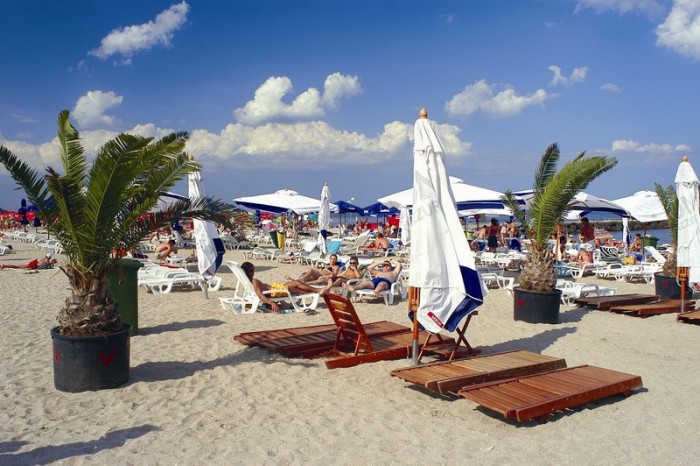

Image source: Wikimedia Commons · Public domain photos · Free license
STAY A FEW DAYS, DISCOVER THE MAGIC
Accommodation in the Neptun Resort area

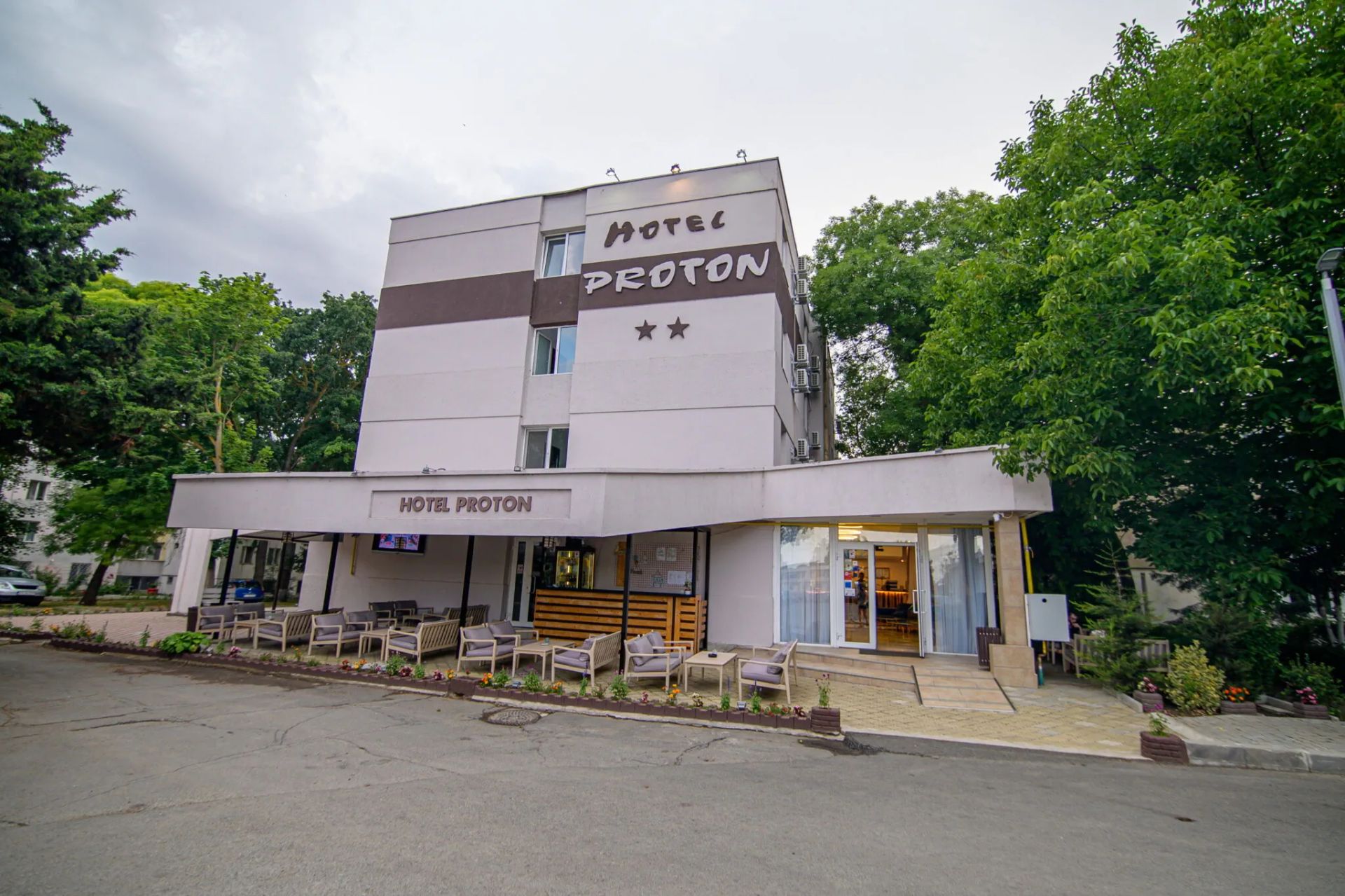
Hotel · 2 stars

Neptun, Constanța County · 0.5 km
Hotel Proton Neptun
Familiile și turiștii care caută o vacanță liniștită la plajă se vor simți bine la Hotel Proton din Neptun, o unitate de cazare de două stele situată în stațiunea Neptun. Hotelul oferă un ambient plăcut pentru un sejur relaxant în apropierea plajei. Unitatea pune la dispoziția dumneavoastră Wi-Fi gratuit în întregul hotel, bar și cafenea în incintă, precum și serviciu de room service pentru confortul dumneavoastră zilnic. De asemenea, aveți la dispoziție seif pentru păstrarea obiectelor de valoare în siguranță și depozit pentru bagaje, astfel încât să vă bucurați de vacanță fără griji. Camerele sunt echipate cu TV cu ecran plat și frigider mic, iar băile private sunt dotate cu duș și articole de toaletă gratuite. Chiar în fața hotelului funcționează un restaurant, iar în apropiere găsiți numeroase oportunități de cumpărături pentru nevoile dumneavoastră zilnice. În apropiere puteți explora Neptun și Stațiunea Neptun, puteți vizita Olimp și Stațiunea Olimp, precum și Venus, descoperind obiectivele turistice din aceste stațiuni. Vă așteptăm la Hotel Proton Neptun.
FROM
210 lei per night

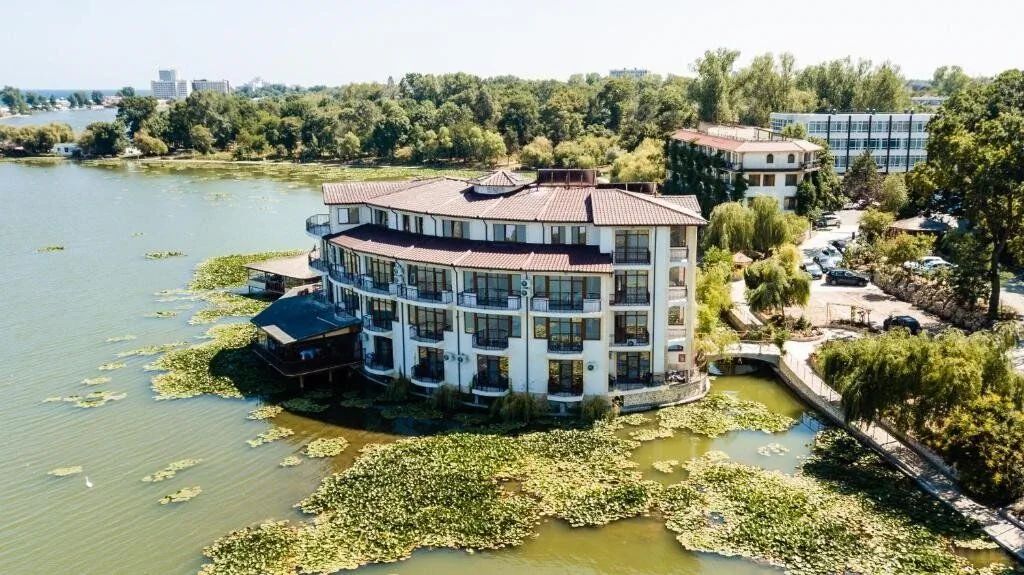
Hotel · 4 stars
Neptun, Constanța County · 0.5 km
Hotel Insula Neptun
Hotelul Insula Neptun este o unitate de cazare clasificată cu 4 stele, situată în localitatea Neptun din județul Constanța, pe strada Delta 1. Vă așteptăm într-un cadru plăcut, adaptat nevoilor dumneavoastră de odihnă și relaxare. Beneficiați de acces gratuit la internet wireless în întreaga unitate și de parcare privată gratuită pentru autoturismul dumneavoastră. Aerul condiționat din camere asigură confortul necesar pe tot parcursul zilei, iar curtea mare și grădina amenajată oferă spații generoase pentru plimbări liniștite. Pentru momentele de activitate, aveți la dispoziție o sală de fitness, posibilitatea de a practica pescuitul în zonă și o masă de tenis de masă pentru competiții amicale. Aceste facilități completează șederea dumneavoastră cu opțiuni variate de petrecere a timpului liber. În apropiere se află stațiunile Neptun, Olimp și Venus, fiecare cu specificul său, oferind oportunități diverse de explorare. Puteți vizita aceste destinații pentru a descoperi atracțiile zonei. Vă invităm să porniți în explorarea stațiunii Olimp.
FROM
420 lei per night
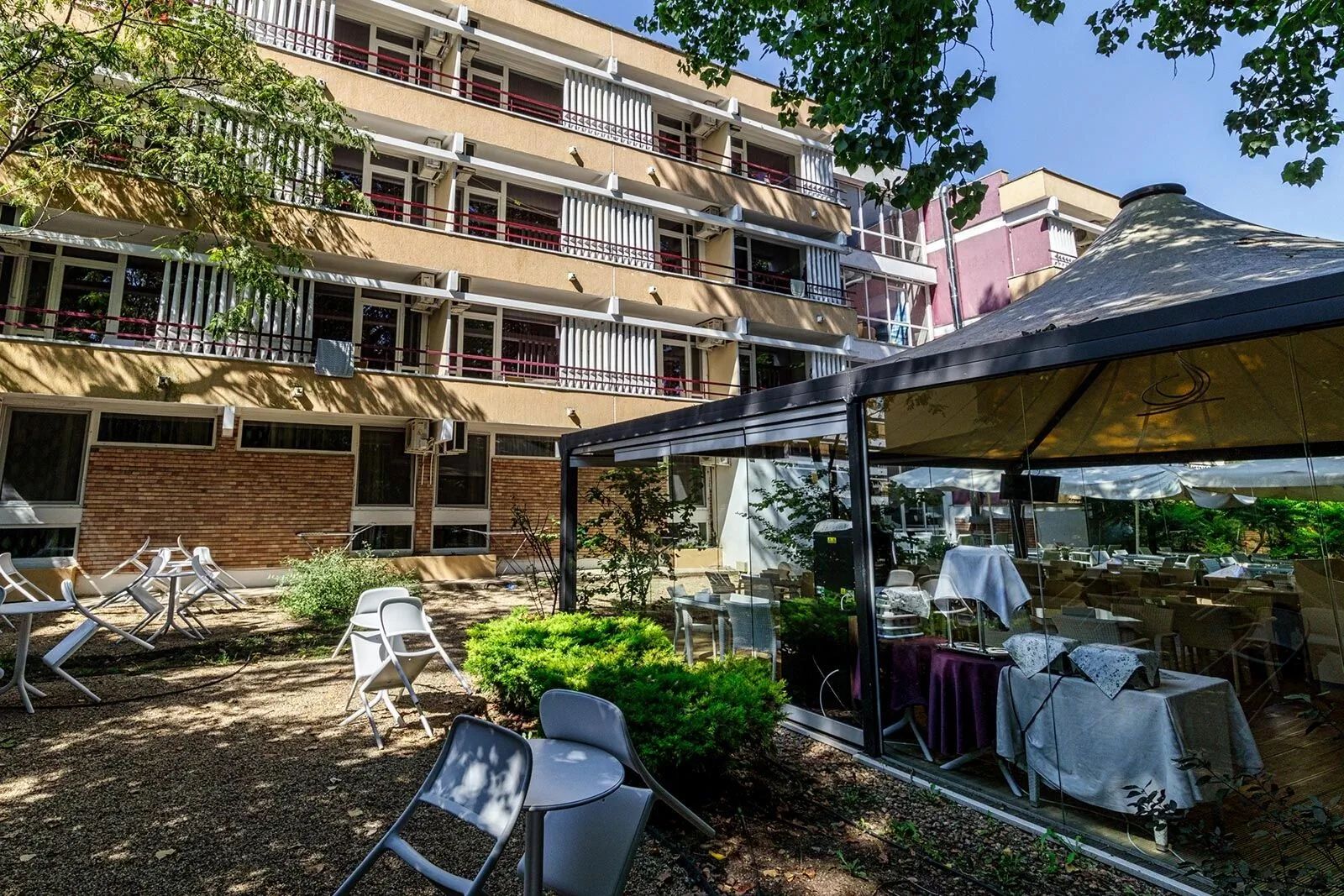
Hotel · 3 stars
Neptun, Constanța County · 0.6 km
Hotel Sara Neptun - Litoral
Pe Strada Trandafirilor din Neptun, într-un cadru liniștit situat la câteva minute de agitația centrului stațiunii, se află Hotel Sara Neptun - Litoral, o unitate de cazare cu trei stele care oferă o experiență plăcută pentru toți turiștii care aleg această destinație. Hotelul pune la dispoziția dumneavoastră un bar în incintă, un loc potrivit pentru momente de relaxare după o zi petrecută în stațiune, alături de o grădină frumos amenajată. Proprietatea se întinde pe o suprafață generoasă de spațiu verde cu ieșire directă spre Lacul Neptun. De asemenea, aveți la dispoziție plajă privată unde primiți gratuit două șezlonguri, precum și parcare gratuită în limita disponibilității. Camerele duble, cele două junior suite și senior suite sunt dotate cu baie proprie, aer condiționat, televizor LCD, seif, răcitor și balcon, oferind toate facilitățile necesare unui sejur confortabil și liniștit. Internetul wireless este disponibil în întreaga unitate pentru a vă asigura conexiunea necesară pe toată durata șederii. În apropiere puteți explora Stațiunea Neptun, Olimp, Venus sau Cetatea Callatis din Mangalia, fiecare dintre acestea oferind experiențe turistice diferite și interesante. Vă așteptăm să vă bucurați de șederea dumneavoastră în acest hotel și să porniți apoi într-o excursie interesantă spre Cetatea Callatis din Mangalia.
FROM
290 lei per night
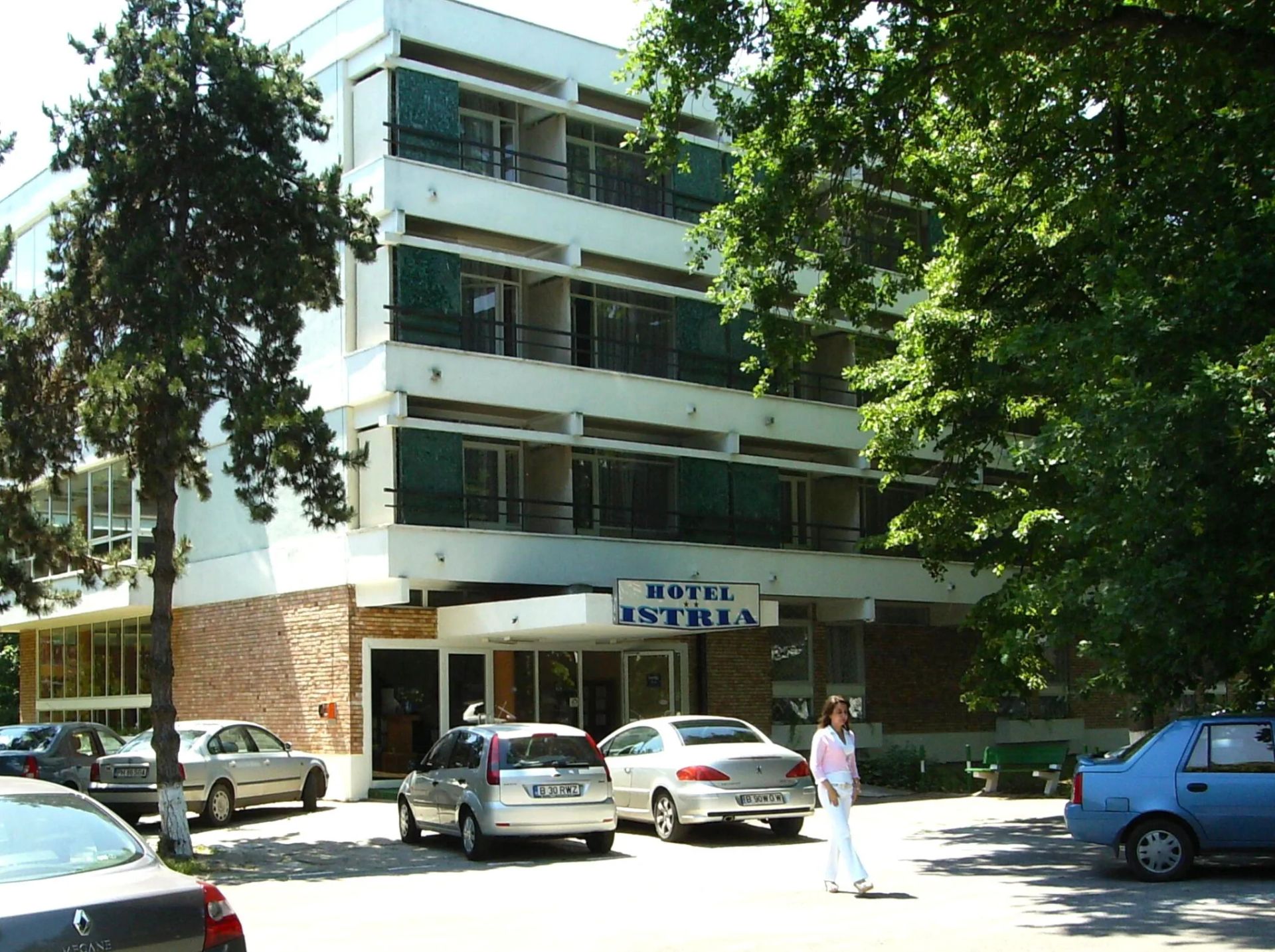
Hotel · 2 stars
Neptun, Constanța County · 0.6 km
Hotel Istria Neptun
De la Stațiunea Neptun puteți porni într-o serie de excursii spre Olimp, Venus sau spre Cetatea Callatis din Mangalia, descoperind astfel diversitatea și istoria litoralului românesc. Hotelul Istria din Neptun, județul Constanța, vă oferă un punct de plecare comod și accesibil pentru a explora aceste destinații. Pentru un sejur plăcut, unitatea pune la dispoziție facilități practice și binevenite. Aveți acces la Wi-Fi gratuit în toate zonele și intrare facilitată pentru persoanele cu dizabilități. Curtea mare și grădina amenajată constituie un spațiu primitor pentru relaxare în aer liber, iar restaurantul din incintă vă permite să serviți masa fără să plecați de la hotel. De asemenea, beneficiați de un depozit pentru bagaje. Camerele sunt echipate cu televizoare, frigidere și băi cu duș, asigurând confortul necesar după o zi petrecută la malul mării sau vizitând obiectivele din apropiere. Parcare gratuită este disponibilă în limita locurilor existente, iar personalul vorbește atât româna, cât și engleza pentru a răspunde solicitărilor dumneavoastră. Vă așteptăm la Hotel Istria Neptun.
FROM
210 lei per night
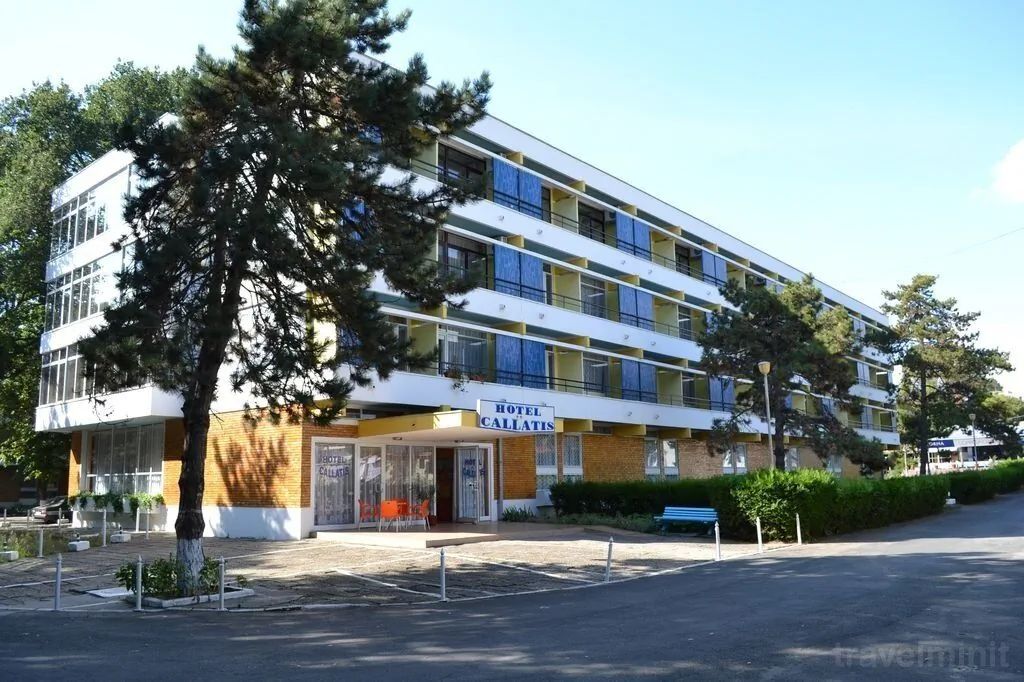
Hotel · 2 stars
Neptun, Constanța County · 0.6 km
Hotel Callatis Neptun
Pătuțul pentru bebeluș pus la dispoziție de Hotel Callatis Neptun din Neptun asigură un sejur confortabil familiilor cu copii mici. Unitatea oferă cinci camere amenajate cu grijă pentru odihna dumneavoastră. Pentru deplasări fără griji, beneficiați de parcare privată gratuită și de acces Wi-Fi gratuit în întreaga proprietate, astfel încât să rămâneți conectați pe toată durata vacanței. De asemenea, aveți la dispoziție un depozit pentru bagaje, util atunci când doriți să explorați împrejurimile fără să cărați tot echipamentul după dumneavoastră. În apropiere puteți vizita Stațiunea Neptun, Olimp și Venus, iar pentru o incursiune în istorie puteți ajunge la Cetatea Callatis din Mangalia. Neptun oferă numeroase oportunități de relaxare și plimbări în zonă. Check-in-ul se realizează începând cu ora 18:00, iar check-out-ul până la ora 12:00. Personalul vorbește limba română și vă stă la dispoziție cu informațiile necesare pe toată durata șederii dumneavoastră. Această unitate este potrivită pentru familiile cu bebeluși care caută cazare practică în stațiunea Neptun.
FROM
210 lei per night
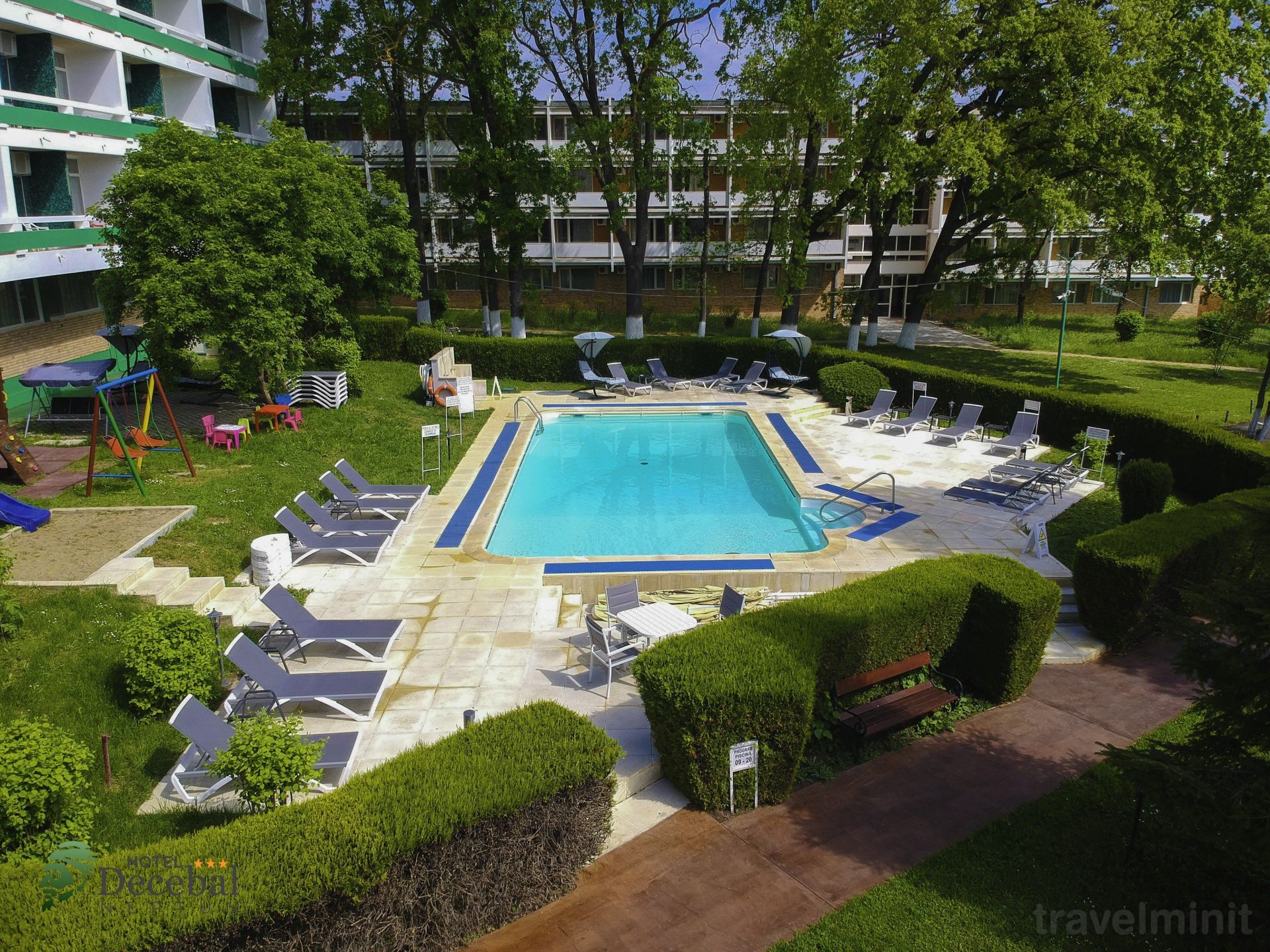
Hotel · 3 stars
Neptun, Constanța County · 0.6 km
Hotel Decebal Neptun
Hotel Decebal este un hotel de trei stele situat în stațiunea Neptun din județul Constanța, pe strada Trandafirilor 14. Unitatea oferă camere dotate cu atenție la detalii, iar anumite camere beneficiază de aer condiționat. Serviciile de wellness contribuie la relaxarea dumneavoastră. Vă punem la dispoziție Wi-Fi gratuit în toate spațiile, o curte mare și o grădină amenajată, precum și un loc de joacă pentru copii la exterior. Pentru familiile cu bebeluși este disponibil un pătuț, iar bagajele pot fi păstrate în siguranță în depozit. Cazarea include micul dejun, iar plata se poate efectua prin mai multe modalități, inclusiv card bancar, transfer bancar sau numerar. Primirea camerei se face începând cu ora 17:00, iar eliberarea se face până la ora 12:00. Din această locație puteți vizita cu ușurință Neptun, stațiunea Neptun, Olimp, Venus și stațiunea Olimp. Pentru deplasarea cu mașina personală, parcare privată gratuită este disponibilă direct la hotel, iar recepția vă poate oferi informații în limba română sau în limba engleză.
FROM
290 lei per night
BEFORE YOU HIT THE ROAD
Weather conditions in Mangalia
Local forecast for Neptun Resort, Mangalia, România

Real-time updated weather data
Much more to explore in this area
Nearby tourist attractions


Constanta, Constanța County
Mamaia resort.
Situata la nord de municipiul Constanta, intre Marea Neagra si Lacul Siutghiol; cartier al municipiului Constanta, are foarte putini locuitori, dar este...
38.6 km
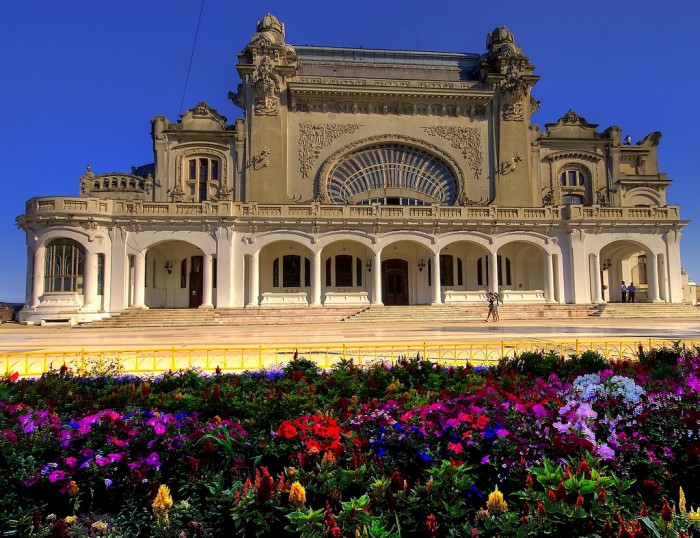
Constanta, Constanța County
The casino in Constanta.
Situat pe bulevardul Elisabeta, nr. 2, municipiul Constanta; in trecut, in aceasi locatie era amplasata o "cazina" (1880 - 1902) - constructie din lemn unde se...
34.2 km
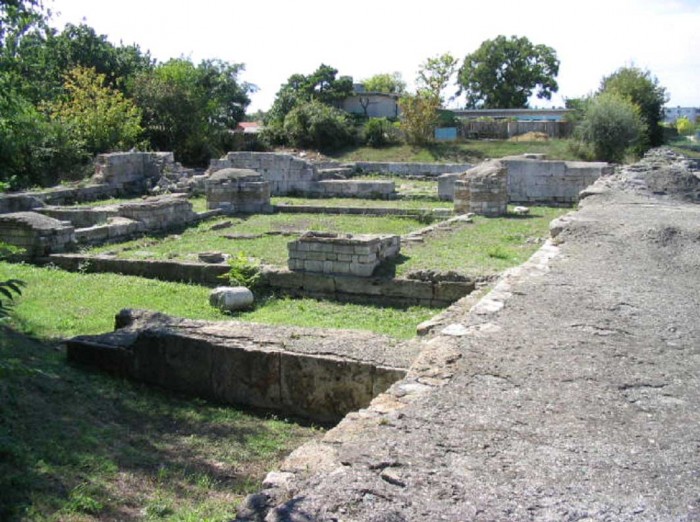
Constanta, Constanța County
Callatis Fortress in Mangalia
Situata pe teritoriul municipiului Mangalia, intre Sanatoriul balnear, Casa de Cultura, strada Constantei, Geamie si intrarea in portul comercial; intemeiata...
6.4 km
Constanta, Constanța County
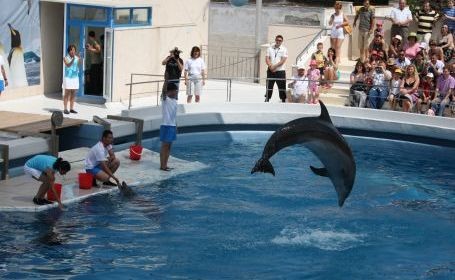
Natural Sciences Museum Complex in Constanța
Situat pe bulevardul Mamaia, nr.255, municipiul Constanta; la inceputul existentei a fost format din sectii individuale, unite sub denumirea "Complexul muzeal...
38.0 km

Constanța, Constanța County
Mamaia
Localitate componentă a municipiului Constanța, județul Constanța, România
42.3 km
Constanta, Constanța County
Costinești Resort
Este situata in prelungirea satului Costinesti, la 31 km sud de municipiul Constanta, invecinandu-se la nord cu comuna Tuzla si la sud cu Statiunea Olimp;...
9.6 km

Mangalia, Transylvania
Olimp Resort
Localitate componentă a municipiului Mangalia, județul Constanța, România
2.0 km

13.0 km
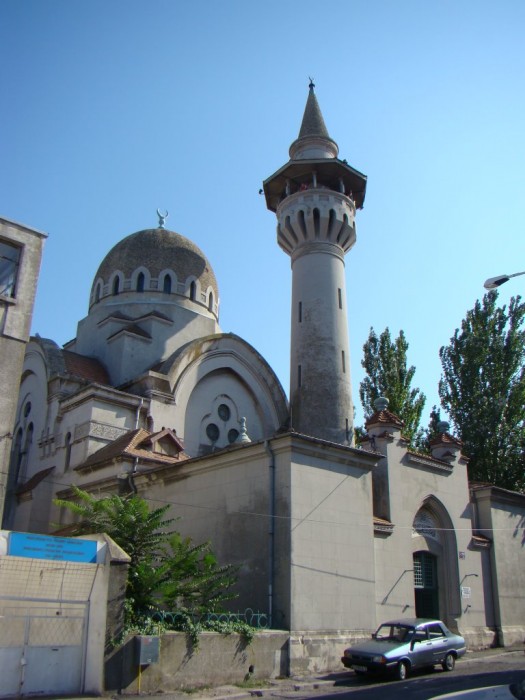
Constanta, Constanța County
Great Mosque of Constanța (Carol I Mosque)
Situata pe strada Arhieoiscopiei nr. 5 din municipiul Constanta; construita intre anii 1910 - 1912, mai poarta denumirea de "Moscheea Carol I"; planurile au...
34.4 km
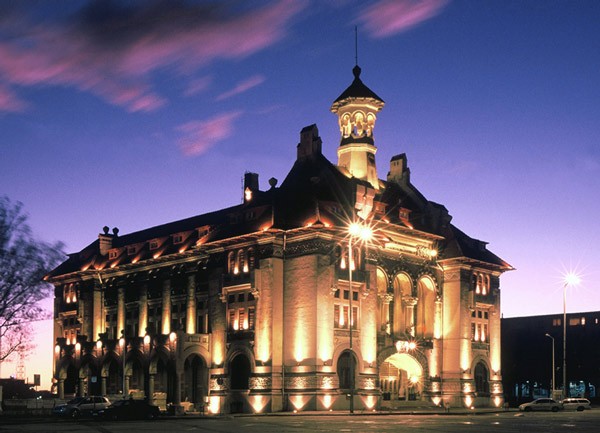
Constanta, Constanța County
National Museum of History and Archaeology in Constanța
Situat in Piata Ovidiu, nr. 12, municipiul Constanta; infiintat in anul 1878, cu ajutorul lui Remus Opreanu; la inceput a functionat in cladirea prefecturii si...
34.5 km

Eforie, Constanța County
Eforie Nord
Situata in orasul Eforie, la 14 km de municipiul Constanta; amplasata la altitudinea de 6 - 20 m peste nivelul marii; statiune cu caracter permanent, are...
22.1 km

Mangalia, Transylvania
Saturn Resort
Localitate componentă a municipiului Mangalia, județul Constanța, România
4.6 km
Cultural life and traditions
Events in the Neptun Resort area
Medieval festivals, traditional fairs, concerts and local activities recommended in Transylvania.

Heritage and History

Mangalia, County of România
The Festival of Medieval Fortresses and the Open Doors Days
Guided night tours, traditional crafts workshops and historical re-enactments featuring knights and ladies.
WHEN
May 15-17, 2026


Traditions and Cuisine
Mangalia, County of România
The Fair of Saxon Traditions and Local Cuisine
Discover local producers, traditional Saxon pastries baked in a wood-fired oven, artisanal syrups, and rhubarb jam.
WHEN
Every weekend (May - October)

Ecotourism and Nature
The hills of Transylvania, County of România
Guided Hikes on the Transylvanian Hills Trail
Take excursions along unmarked trails through ancient meadows, centuries-old oak trees, and villages with fortified churches that are UNESCO World Heritage sites.
WHEN
Friday – Sunday (Season 2026)
On foot, exploration gains depth
Discover the surroundings and local geography
Explore the trails, terrain, and natural landmarks around Neptun Resort.

Guides and practical tips
Useful travel articles
Travel guides, practical recommendations and tourist itineraries for Transylvania.

Tourist guide
Satul Peștera și Șirnea: Primele Sate Turistice din România
Dealuri vălurite, căsuțe răsfirate din lemn și garduri tradiționale de nuiele sub privirea stâncoasă a Pietrei Craiului.

Tourist guide
Top 5 Atracții Turistice și Trasee Montane în Zona Moieciu - Bran
Descoperă cele mai spectaculoase peisaje carstice, chei adânci și cetăți medievale din imediata apropiere a stațiunii Moieciu.

Tourist guide
Ghid de Drumeție: Traseul Moieciu de Sus spre Platoul Bucegi
Un itinerariu montan de o frumusețe rară ce urcă din Valea Băngăleasa spre Poiana Guțanu și crestele maiestuoase ale Bucegilor.
THE JOURNEY STARTS WITH AN IDEA
The next story is on the way.
From the first stop to the last stay, make room for a new Romania.
