


PLACE OF WORSHIP · TRANSYLVANIA
Nicula Monastery

Nicula, Cluj County
Add location to your trip planner.
Practical access information

VISITING HOURS
Monday: 12:00 PM – 5:00 PM · Tuesday–Sunday: 9:00 AM – 5:00 PM (in summer until 8:00 PM)

TICKET PRICE
Adults: 45 RON · Students: 11 RON · Seniors: 23 RON · Guided tour included

RECOMMENDED VISIT DURATION
2-3.5 hours
Visitor information and guide
 Navigate with Google Maps

ABOUT NICULA MONASTERY
The Spiritual Discovery of Transylvania
Tucked within the gentle folds of the hills surrounding the Someșul Mic Valley, just a few kilometers from the town of Gherla, Nicula Monastery rises as a quiet sanctuary in a landscape of almost Mediterranean tranquility. Here, oak and beech forests stretch toward the horizon like an endless green sea. Founded around an ancient tradition linked to a hermit named Nicolae, this monastery has watched over Romanian Orthodox faith for over four centuries in a region with a complex cultural heritage, situated at the crossroads of Eastern Orthodox spirituality and the Central European influences of the Habsburg Empire. Strategically positioned in northwestern Romania, in a historic area where Romanian, Hungarian, Saxon, and Armenian communities have intersected over time, Nicula serves as an essential landmark for understanding the spiritual resilience of the Romanian people in Transylvania. It is a place where prayer has endured the trials of history, transforming into a symbol of faith’s continuity within a European context marked by religious conflicts and profound political transformations.
Historical Roots and Major European Connections
The first documented mention of a hermitage with a wooden church dates back to 1552, a turbulent period in Transylvania’s history when the autonomous principality, under Ottoman suzerainty, experienced deep confessional upheavals due to the spread of the Protestant Reformation. In this context, the existence of an Orthodox monastic community represented an act of spiritual and identity resistance, akin to how monasteries in mainland Greece or the Balkans preserved their Byzantine tradition under Ottoman rule. The tradition surrounding the hermit Nicolae, who is said to have lived in these lands before the organized founding of the monastery, places Nicula in the lineage of the great monastic centers of the Christian East, influenced by Athonite spirituality and the hesychast practice that traversed Eastern Europe in the 16th and 17th centuries.
The following centuries brought numerous transformations driven by historical vicissitudes. During the Habsburg administration, which took control of Transylvania beginning in 1691, the monastery witnessed growing tensions between Orthodoxy and the Union with Rome, a phenomenon similar to those in Poland or other regions of Central Europe at the border of empires. Nevertheless, spiritual continuity remained unbroken, and in the 19th century, with the awakening of Romanian national consciousness, the monastic complex experienced an unprecedented flourishing. After World War II and the establishment of the communist regime, much like the situation of monasteries in Soviet Russia or other Eastern Bloc states, Nicula survived through discretion and the deep attachment of local communities, keeping the flame of faith alive in an era of ideological restrictions.
Architectural Metamorphoses: From Wood to Sacred Stone
The architectural history of Nicula presents a fascinating palimpsest, where each construction layer reflects a distinct era and artistic sensibility. The wooden church documented in 1552 belonged to the tradition of Transylvanian vernacular architecture, similar to those in Maramureș, with its tall bell tower and steeply pitched roof, elements that combined functionality with the aesthetics specific to sacred wood. However, the fate of this sanctuary was sealed in 1974, when a devastating fire completely destroyed the old place of worship, leaving behind only ruins and the memory of an era. During a period of temporary reconstruction, the community brought a wooden church from the village of Top, built in 1770, a piece of rural Baroque architecture that, though provisional, hosted the prayers of monks and worshippers for over a century.
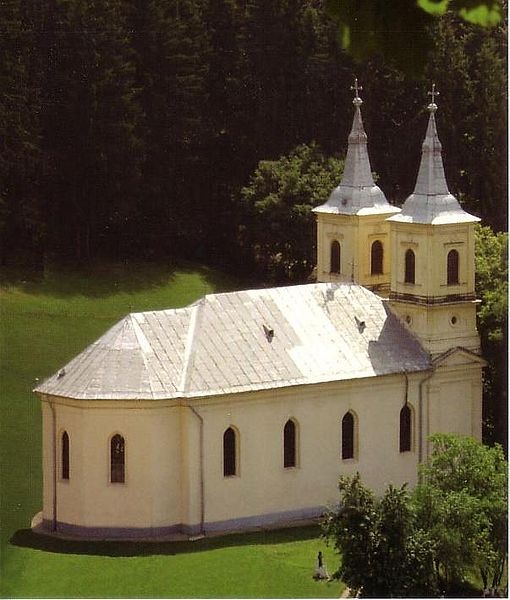
A major architectural renaissance occurred between 1875 and 1879, when an imposing stone church was built, dedicated to the Nativity of Saint John the Baptist. This edifice represents a masterpiece of the eclectic style characteristic of the period of Romanian national identity affirmation, blending Neo-Romanian elements with Byzantine and Baroque influences. The main façade, with its monumental portal and arched windows, recalls the ecclesiastical architecture of the Romanian Principalities, while the interior, with its vaults and mural paintings, evokes the Byzantine tradition of sacred space. The bell tower, with its bulb-shaped roof, adds a distinctive note, similar to those found in religious architecture in the Balkans or Tsarist Russia, creating a visual dialogue between East and West. In recent years, the monastic community completed the construction of a third church, dedicated to the Dormition of the Mother of God, thus completing an exceptional sacred ensemble that reflects the evolution of Romanian religious architecture from vernacular tradition to contemporary monumentality, a process akin to that undergone by the great Orthodox cathedrals of the Balkans or Eastern Europe in the 20th century.
The Miracle-Working Icon: Baroque Art and the Miracle of 1699
The spiritual heart of the monastery is the renowned icon painted in 1681 by the master Luca of Iclod, a work of religious art in the Baroque style that reflects the Western artistic influences present in 17th-century Transylvania, a period of intense cultural exchange with Central Europe and the artistic currents of the Catholic Counter-Reformation. Painted at a time when religious art in the region was influenced by the Italian style and the Viennese school, the icon depicts the Mother of God in a Hodegetria representation, with delicate features and an expression of profound humility. The technique and aesthetics are similar to those found in icon workshops in Kraków, Vienna, or northern Italy. According to a report drawn up by Austrian officers, between February 15 and March 12, 1699, the icon is said to have wept, a miraculous event that occurred during the Habsburg administration and definitively transformed the destiny of this sacred place. This phenomenon, studied and documented rigorously by the imperial Austrian authorities at a time when the Enlightenment began to demand rational explanations for religious phenomena, established Nicula as a pilgrimage center of European importance, attracting worshippers from across the Carpathian region, Hungary, Poland, and beyond the historical borders of the principality. The event recalls other similar miracles reported in Catholic Europe, such as the weeping icon of Częstochowa in Poland or the apparitions at Lourdes in France, but within a specifically Orthodox context, transforming Nicula into the "Lourdes of the East."
The Dormition Pilgrimage: The Largest Orthodox Gathering in Southeastern Europe
Today, Nicula Monastery is the largest Orthodox pilgrimage site within the Romanian Patriarchate and one of the most visited sanctuaries in Southeastern Europe, a spiritual destination comparable in scale to major Catholic pilgrimage centers such as Fátima in Portugal, Lourdes in France, or Częstochowa in Poland. Each year, on August 15, the feast of the Dormition of the Mother of God, over 300,000 pilgrims from across the country and the diaspora converge on this sanctuary, creating a unique spiritual event that transcends national borders and transforms the valley into an ephemeral city of prayer. This massive gathering, lasting several days, evokes the great medieval pilgrimages to Santiago de Compostela or Rome, yet retains the profound specificity of Orthodox tradition, with night vigils, processions carrying the miracle-working icon, and Byzantine chants that resound until dawn.
The monastery celebrates three main feast days: the Dormition of the Mother of God, Saint Nicholas, and the Annunciation, each marking essential moments in the Orthodox liturgical calendar and offering opportunities for deep spiritual reflection. The pilgrimage to Nicula has a special dimension due to the presence of the Romanian diaspora, with thousands of Romanians coming from Italy, Spain, Germany, the United Kingdom, or the United States to pray in their mother tongue and strengthen their ties with their spiritual homeland, creating a bridge between tradition and modernity, between the Transylvanian village and Europe’s great metropolises. The atmosphere during these days is one of profound communion, where the boundaries between pilgrims dissolve in the face of shared faith, set against a natural landscape that invites meditation and the rediscovery of spiritual roots within a broader European context.
A Cultured Traveler’s Guide: The Experience of Visiting Nicula
Located in the village of Nicula, part of the town of Gherla in Cluj County, within the historic region of Transylvania, the monastery is accessible year-round and serves as an essential stop for travelers interested in Transylvania’s religious heritage. The town of Gherla, also known by its Hungarian name Szamosújvár, adds a multicultural dimension to the visit, as it was once a center of the Armenian community in Transylvania, boasting unique Baroque architecture in Romania. Thus, a visit to Nicula can be harmoniously complemented by exploring this town with its multiple historical layers. Travelers coming from Cluj-Napoca, approximately 50 kilometers away, will traverse a landscape of rolling hills, passing through villages with ancient agricultural traditions, until the road narrows among trees leading to the entrance of Nicula village.
Visitors can admire the collection of old icons, the diverse architecture of the three churches illustrating different stylistic eras—from the simplicity of carved wood to the grandeur of stone—and the atmosphere of contemplation specific to monastic life, all set within a remarkable natural framework that invites meditation. It is recommended to visit the monastery outside the period around August 15, when crowds can be overwhelming, to fully appreciate the architectural details and experience the true tranquility of the place. For those interested in history, the visit can be extended to other nearby attractions, such as the Turda Salt Mine, the city of Dej with its imposing Orthodox cathedral, or the medieval fortresses of the region, offering a comprehensive view of the cultural richness of northwestern Transylvania. Respect for monastic rules, modest attire, and quiet within the monastery grounds are essential to preserving the sanctity of this place, allowing every visitor to leave with a spirit enriched and a deeper understanding of the spiritual resilience that has characterized this corner of Europe over the centuries.
Media gallery
Discover Nicula Monastery in pictures

2 photos · Architecture, courtyards and captivating details
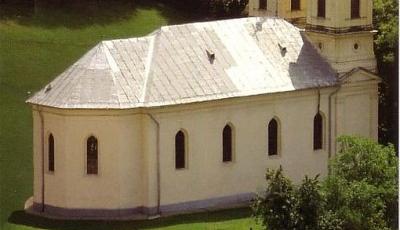

Image source: Wikimedia Commons · Public domain photos · Free license
STAY A FEW DAYS, DISCOVER THE MAGIC
Accommodation in the Nicula Monastery area

Hotel · 4 stars

Cluj-Napoca, Cluj County · 0.4 km
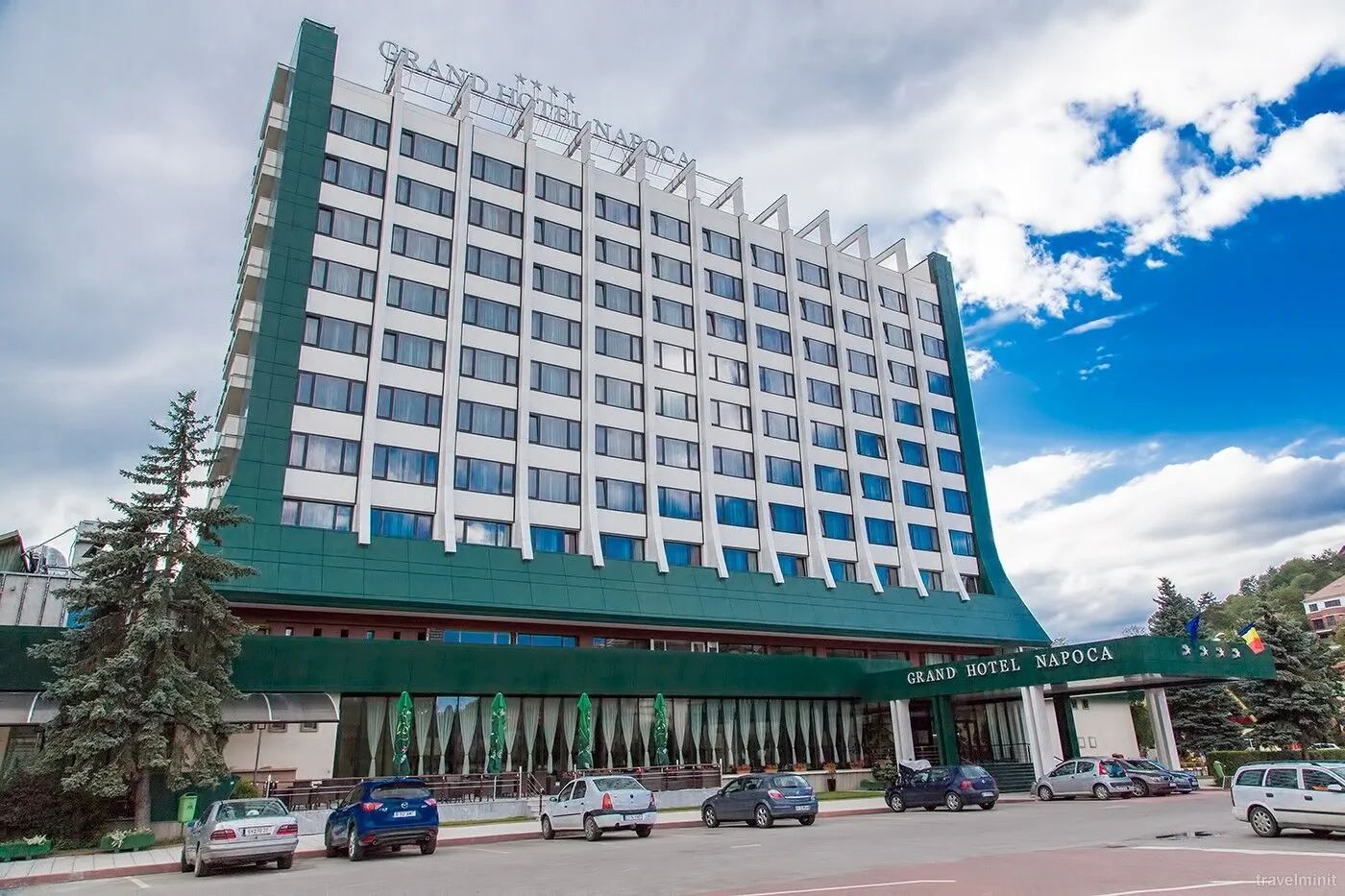
Grand Hotel Napoca Cluj-Napoca
În Cluj-Napoca, pe strada Octavian Goga numărul 1, se află Grand Hotel Napoca, un hotel clasificat la patru stele care oferă o experiență de cazare modernă și confortabilă într-unul dintre cele mai dinamice orașe din România. Poziționarea pe această arteră centrală vă permite să vă bucurați de atmosfera orașului și de serviciile oferite. Camerele beneficiază de aer condiționat, iar dumneavoastră aveți acces la Wi-Fi gratuit în întregul hotel. Pentru confortul dumneavoastră, hotelul oferă room service, parcare privată gratuită, depozit pentru bagaje și fier de călcat. De asemenea, sunt disponibile facilități precum sala de fitness, barul din incintă, liftul, accesul pentru persoane cu dizabilități, stația de încărcare pentru vehicule electrice și pătuț pentru bebeluș. În apropiere se pot vizita Biserica Sfântul Mihail din Cluj, Muzeul Național de Istorie Cluj-Napoca, Mănăstirea Nicula, Cetățuia din Cluj și Muzeul de Artă Cluj Napoca, obiective care îmbogățesc șederea dumneavoastră. Aceste locuri oferă ocazia de a descoperi patrimoniul cultural și istoric al zonei. Vă așteptăm la Grand Hotel Napoca.
FROM
420 lei per night

Holiday home · 3 stars
Cluj-Napoca, Cluj County · 0.5 km
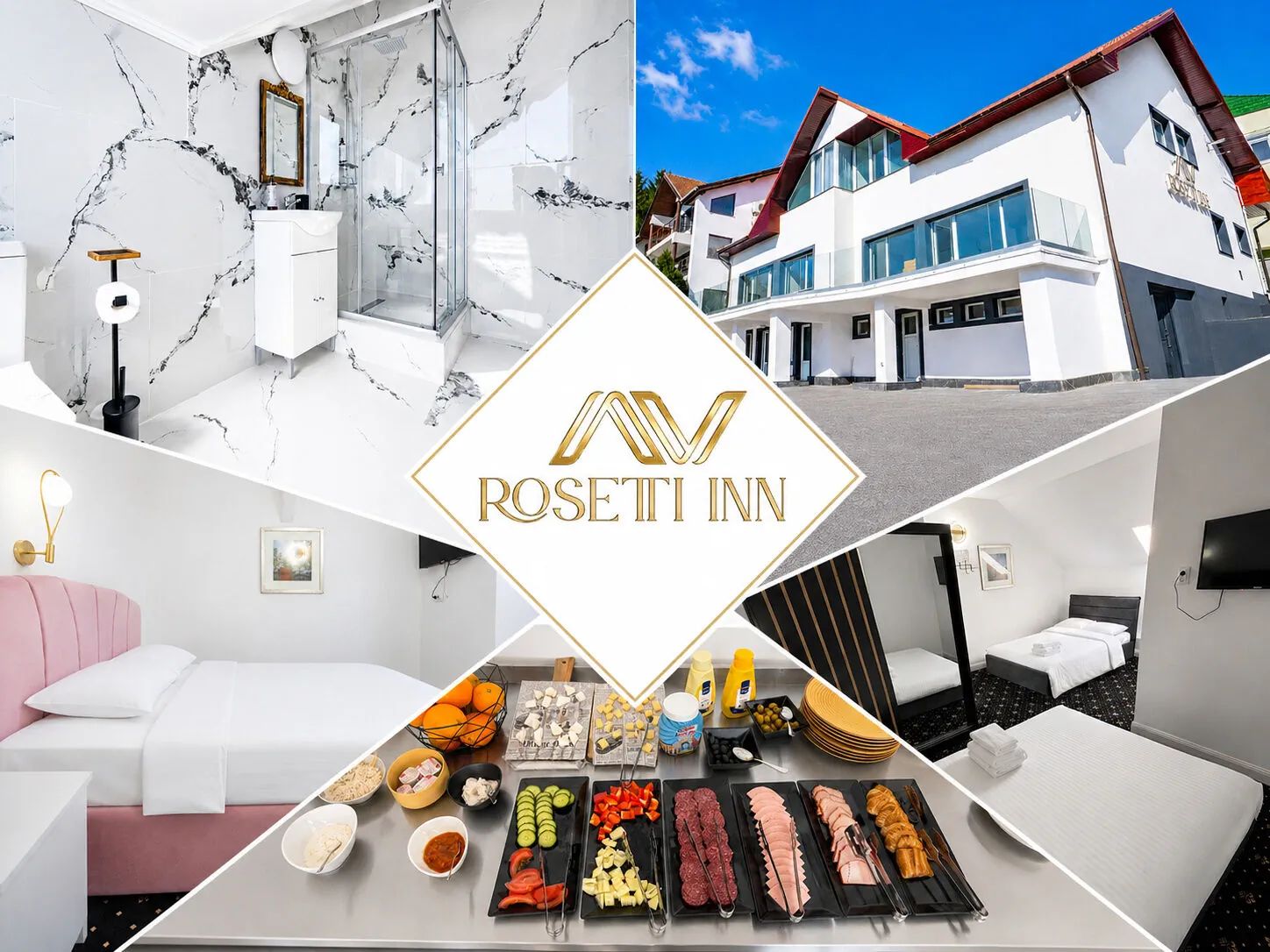
Casa Rosetti Inn Cluj-Napoca
În Cluj-Napoca, Casa Rosetti Inn vă oferă o vilă integrală înconjurată de o curte mare și o grădină amenajată, un spațiu generos unde vă puteți bucura de liniște și intimitate departe de aglomerația urbană. Această proprietate de trei stele reprezintă o alegere excelentă pentru cei care preferă să închirieze întreaga casă și să se simtă ca acasă. Pentru confortul dumneavoastră, unitatea pune la dispoziție parcare privată gratuită și conexiune Wi-Fi gratuită în toate zonele. Grădina amenajată și curtea spațioasă sunt ideale pentru momente de relaxare în aer liber, fie că serviți cafeaua dimineața, fie că luați cina sub cerul deschis împreună cu cei dragi. Din punct de vedere turistic, zona oferă acces facil către numeroase obiective interesante. Puteți vizita Biserica Sfântul Mihail din Cluj, Muzeul Național de Istorie Cluj-Napoca, Mănăstirea Nicula, Cetățuia din Cluj și Muzeul de Artă Cluj Napoca, fiecare dintre acestea aducând o perspectivă unică asupra istoriei și culturii vibrante a orașului. Casa Rosetti Inn este potrivită pentru familiile cu copii, grupurile de prieteni sau cuplurile care doresc să exploreze Cluj-Napoca într-un mediu privat și confortabil, având la dispoziție întreaga proprietate doar pentru dumneavoastră.
FROM
280 lei per night
Apartment · 4 stars
Cluj-Napoca, Cluj County · 0.5 km
BelleView Apartaments Cluj
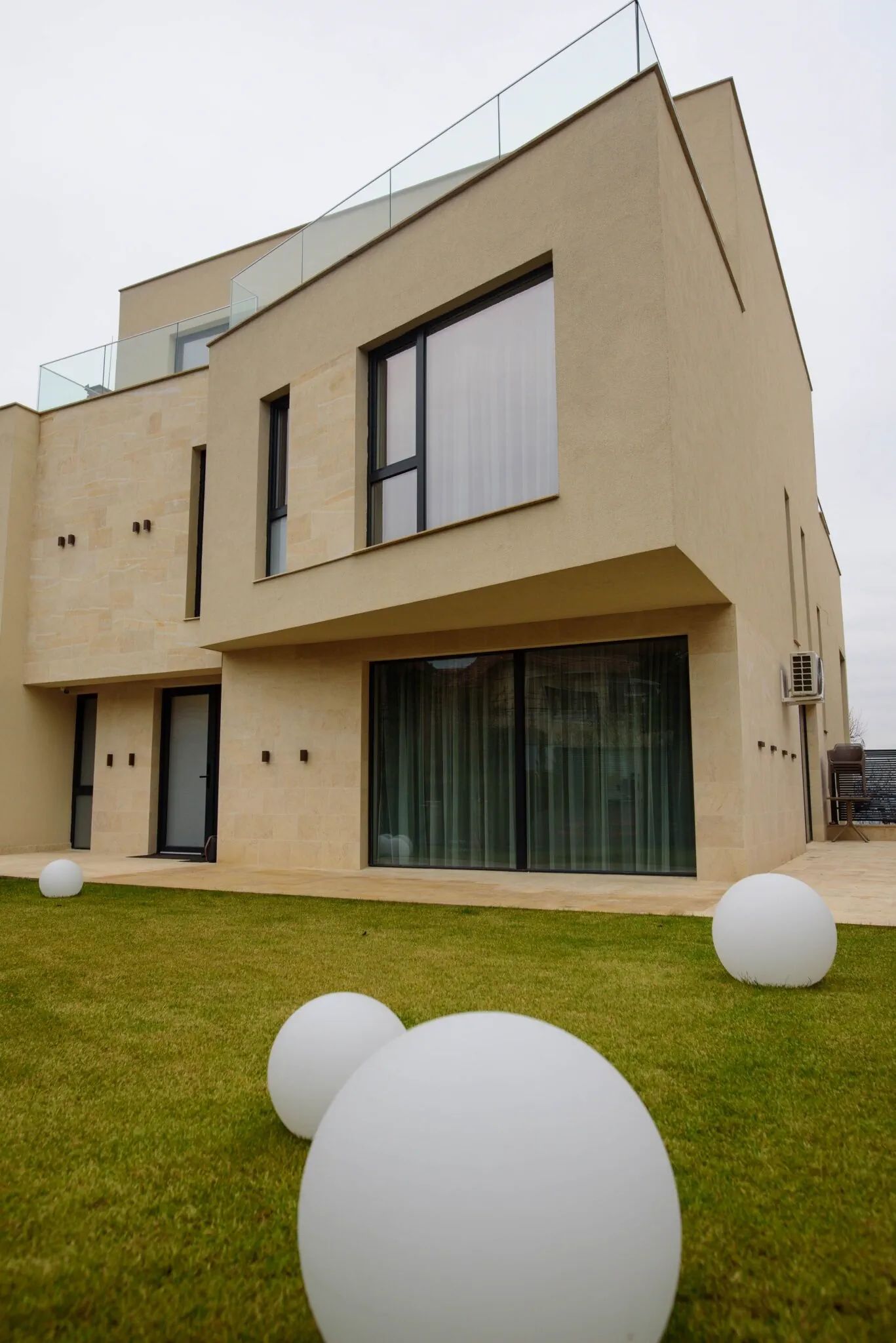
BelleView Apartaments Cluj este un apartament de închiriat clasificat cu 4 stele, situat în Cluj-Napoca, pe strada Cetății 11. Această unitate reprezintă o opțiune de cazare potrivită pentru cei care doresc să exploreze orașul într-un cadru confortabil și bine amplasat. Facilitățile disponibile includ Wi-Fi gratuit, parcare privată gratuită și acces cu lift pentru un plus de comoditate în fiecare zi. Pentru siguranța bunurilor dumneavoastră, fiecare unitate dispune de seif, iar pentru momentele de relaxare puteți folosi terasa, terasa la soare sau barul din incintă. De asemenea, aveți la dispoziție fier de călcat și depozit pentru bagaje, astfel încât șederea să fie cât mai confortabilă. Spațiile exterioare oferă o curte mare și o grădină amenajată, perfecte pentru a vă bucura de aer liber și de liniște. Puteți organiza mese în aer liber folosind grătarul sau barbeque-ul pus la dispoziție. În vecinătate se găsesc obiective turistice semnificative: Biserica Sfântul Mihail, Muzeul Național de Istorie, Muzeul de Artă, Cetățuia și Mănăstirea Nicula, toate interesante pentru vizitare. Vă așteptăm cu drag la BelleView Apartaments Cluj.
FROM
320 lei per night
Guesthouse · 3 stars
Cluj-Napoca, Cluj County · 0.6 km
Citadel Rooms Cluj-Napoca
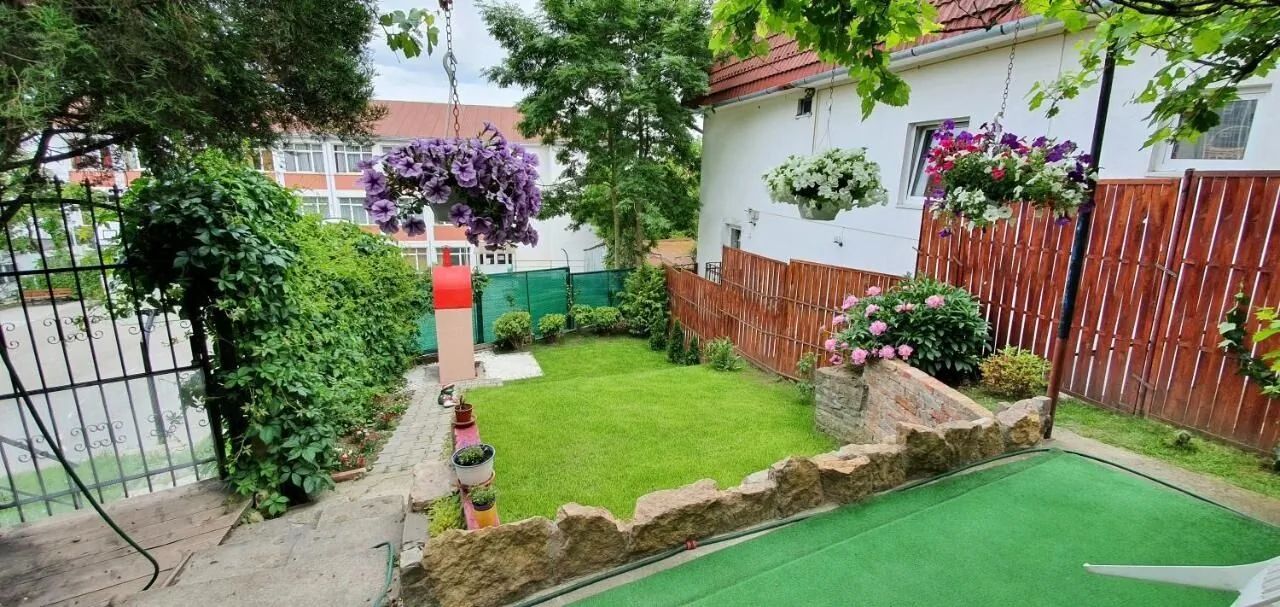
La doar câțiva pași de Biserica Sfântul Mihail din Cluj, Citadel Rooms Cluj-Napoca reprezintă punctul de plecare pentru explorarea orașului. Această pensiune turistică de 3 stele din Cluj-Napoca pune la dispoziția dumneavoastră două camere amenajate cu atenție, fiecare dotată cu baie proprie și acces la internet, oferind un cadru plăcut și liniștit pentru odihnă după o zi plină de descoperiri. Unitatea oferă Wi-Fi gratuit în toate spațiile și un depozit pentru bagaje, astfel încât să vă puteți deplasa liber prin oraș fără să vă faceți griji pentru echipament. La recepție veți fi întâmpinați în limba română, engleză sau maghiară, iar la cerere puteți comanda și micul dejun. Programul de primire începe la ora 14:00, cu posibilitatea de plecare până la ora 11:00. În apropiere puteți descoperi Muzeul Național de Istorie Cluj-Napoca, Muzeul de Artă Cluj Napoca, Cetățuia din Cluj și Mănăstirea Nicula, fiecare dintre aceste obiective oferind o perspectivă unică asupra patrimoniului cultural și istoric al zonei. Vă așteptăm la Citadel Rooms Cluj-Napoca.
FROM
240 lei per night
Apartment · 3 stars
Cluj-Napoca, Cluj County · 0.6 km
Apartament Central Cozy Cluj-Napoca
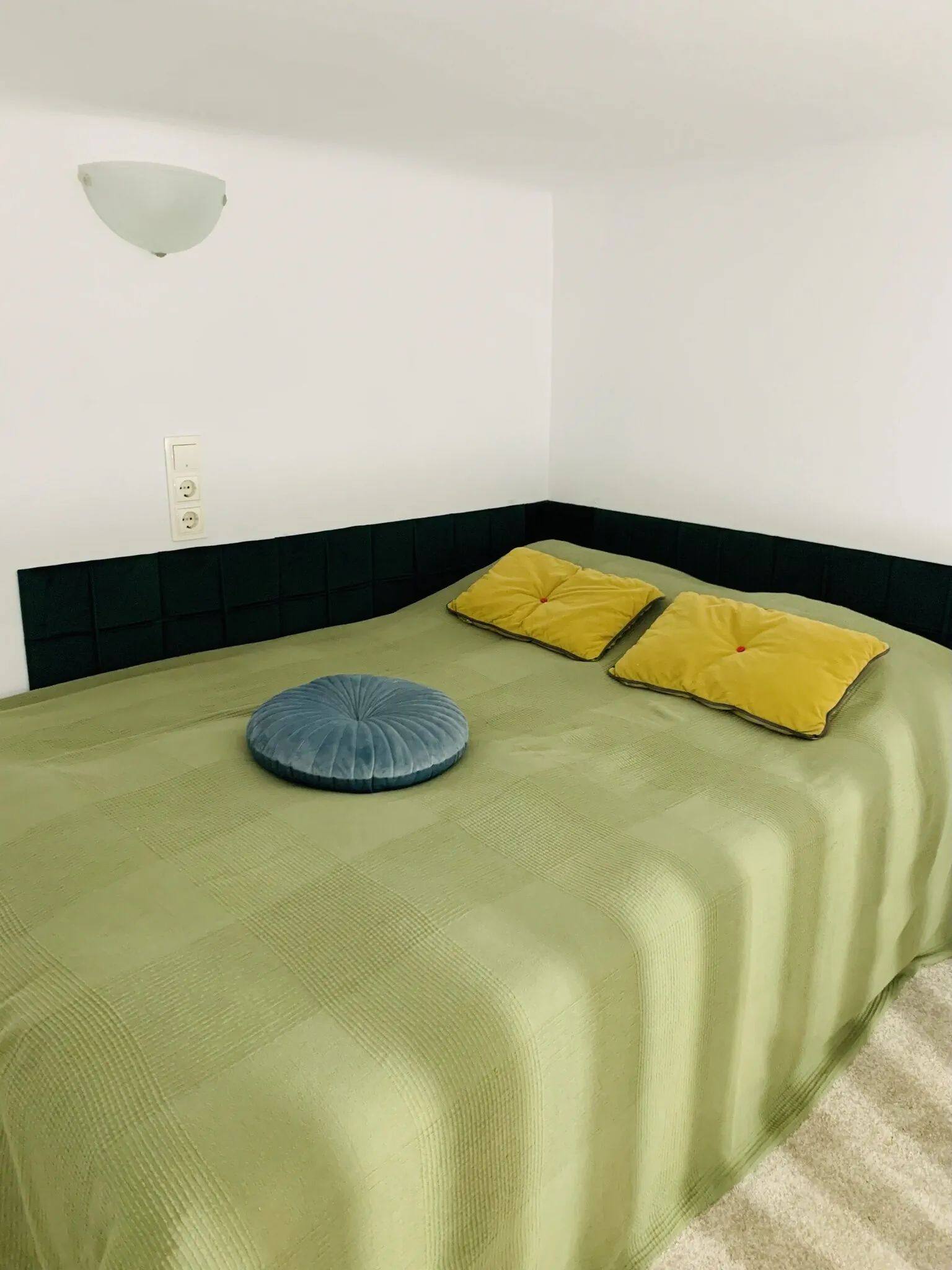
Comfort, relaxation and stunning views, all just steps away from the main attractions.
FROM
230 lei per night
Guesthouse · 3 stars
Cluj-Napoca, Cluj County · 0.7 km
Vila Parc Cluj-Napoca
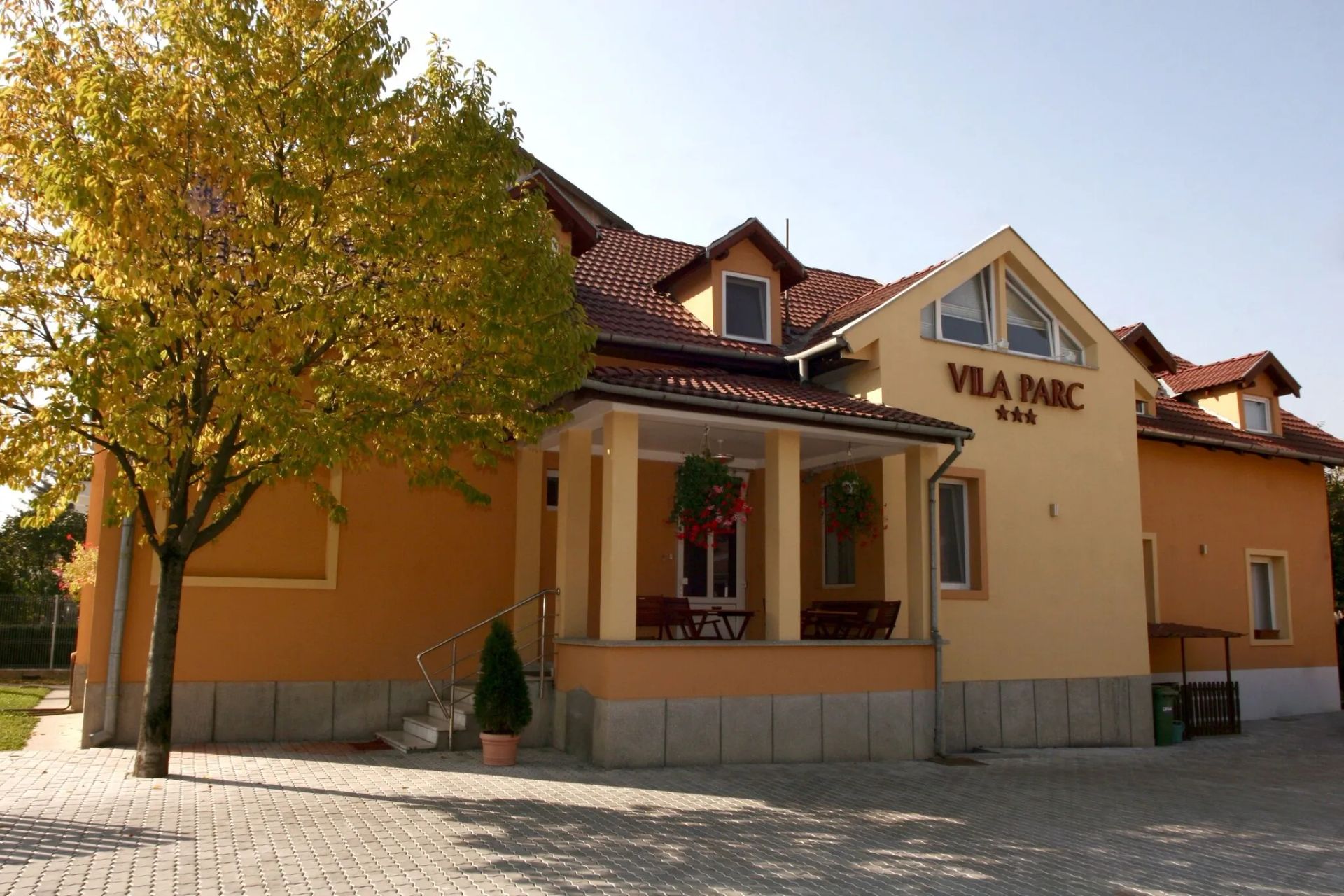
O zi petrecută la Vila Parc din Cluj-Napoca începe cu acces liber la Wi-Fi gratuit în toate camerele și cu liniștea unei parcări private gratuite, unde mașina dumneavoastră rămâne în siguranță pe toată durata șederii, fără grija locurilor de parcare publice. Pensiunea de trei stele oferă zece camere amenajate cu aer condiționat, baie proprie cu duș, televizor, uscător de păr și frigider, iar pentru familiile cu bebeluși punem la dispoziție pătuț pentru bebeluș și fier de călcat. Bucătăria comună cu aparat de cafea și ceai, împreună cu parcarea pentru biciclete, completează facilitățile, astfel încât fiecare oaspete se simte confortabil și binevenit. În apropiere puteți vizita Biserica Sfântul Mihail din Cluj, Muzeul Național de Istorie Cluj-Napoca, Mănăstirea Nicula, Cetățuia din Cluj și Muzeul de Artă Cluj Napoca, explorând astfel cele mai importante obiective culturale și istorice ale orașului. Vila Parc este potrivită pentru turiști care caută cazare practică în Cluj-Napoca, pentru familii cu copii mici care apreciază facilitățile dedicate bebelușilor, sau pentru cei care doresc să descopere atracțiile zonei într-un cadru liniștit, cu acces facil la centrul orașului.
FROM
240 lei per night
BEFORE YOU HIT THE ROAD
Weather conditions in Nicula
Local forecast for Nicula Monastery, Nicula, Cluj

Real-time updated weather data
Much more to explore in this area
Nearby tourist attractions


Turda, Cluj County
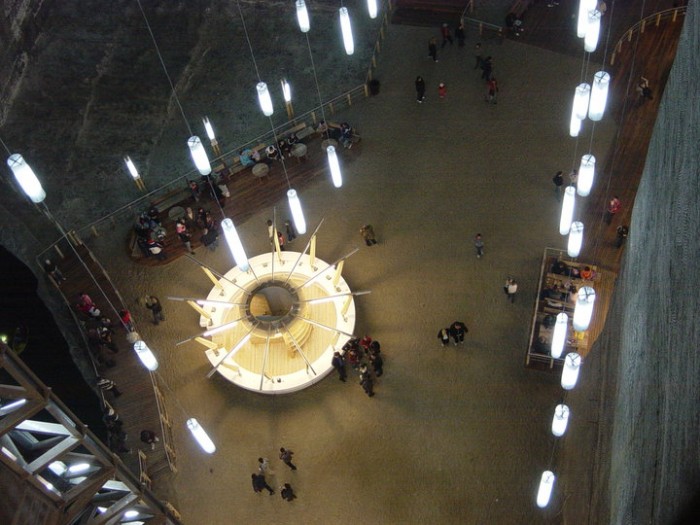
Turda Salt Mine
Se gaseste in zona Durgau-Valea Sarata din Turda; prima atestare documentara a extragerii sarii in Turda dateaza din anul 1271; cele patru mine din adancurile...
26.2 km
Apahida, Cluj County
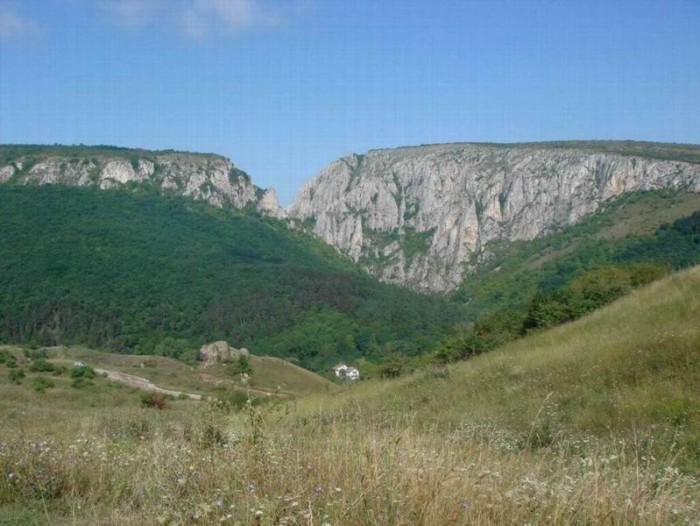
Turda Gorge
Situate la o distanta de 6 km vest de Turda, de-a lungul Vaii Hasdate; ocupa o suprafata de 324 ha si s-au format prin erodarea rocii de calcar jurasic;...
24.6 km

Apahida, Cluj County
St. Michael's Church, Cluj-Napoca
Situata in Piata Unirii, Cluj-Napoca; istoria bisericii Sfantul Mihail coincide cu inceputurile Clujului ca si oras; biserica a fost inaltata pe un teren care...
1.0 km
Apahida, Cluj County
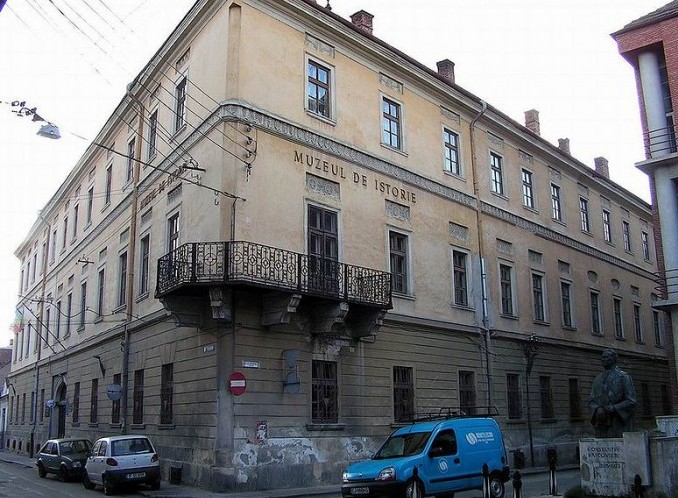
National Museum of History of Cluj-Napoca
Situat pe strada Constantin Daicoviciu 2, Cluj-Napoca; cunoscuta si drept Casa Petrechevich-Horvath drept, este continuatorul primei asociatii muzeale din...
0.7 km

Apahida, Cluj County
Art Museum of Cluj-Napoca (Bánffy Palace)
Situat in Piata Unirii 30, Cluj Napoca; infiintat ca institutie in anul 1951, muzeul functioneaza din anul 1956 in Palatul Banffy, o cladire baroca construita...
1.2 km
Apahida, Cluj County
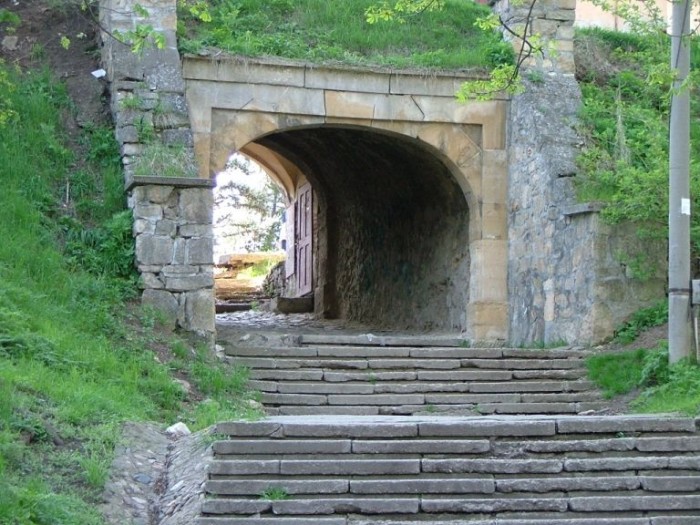
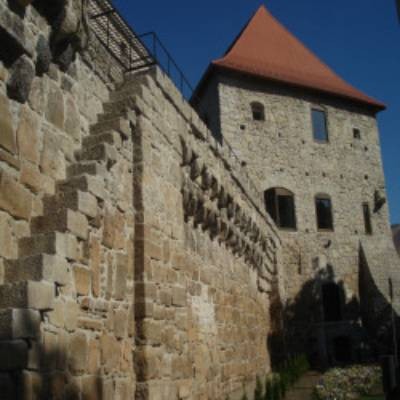
Cluj Citadel (Cetățuia)
La fel ca si Cetatea din Alba Iulia, Cetatuia a fost proiectata de arhitectul militar italian Giovanni Morandi Visconti, in timpul guvernarii militare a...
0.4 km
Apahida, Cluj County
Cluj Citadel
Pentru a construi cetatea romanii au folosit ca si hotare ale cetatii in primul rand Canalul Morilor si Paraul Tiganilor, care trece prin Gradina Botanica si...
1.8 km

Apahida, Cluj County
Transylvania Ethnographic Museum
Situat pe strada Memorandului nr. 21 din Cluj-Napoca; infiintat in 1922, detine colectii cu piese extrem de valoroase, achizitionate pe baza unor cercetari de...
0.9 km

1.4 km

Apahida, Cluj County
Turda Gorge Nature Reserve
Situate de-a lungul Vaii Hasdate; reprezinta una dintre cele mai cunoscute atractii turistice din Romania -privelistea, peretii inalti de stanca, vegetatia si...
24.4 km

38.3 km
Valeni, Cluj County
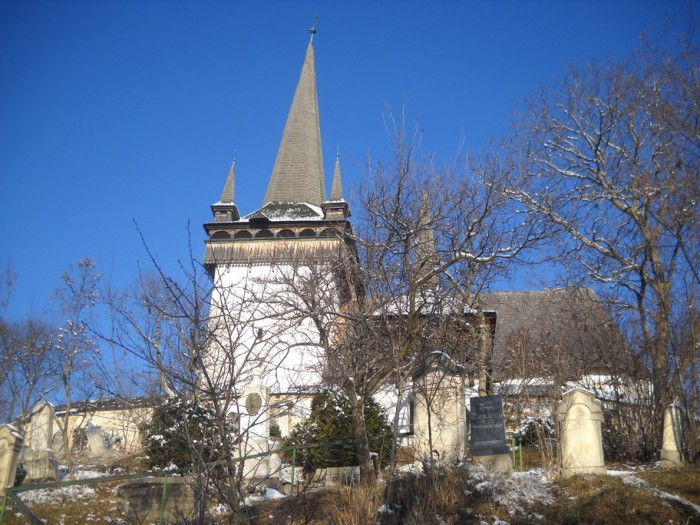
Fortified Church of Văleni
Situata in satul Valeni, judetul Cluj; a fost ridicata in secolul al XIII-lea de calugarii franciscani; este una dintre cele mai frumoase biserici din judetul...
41.3 km
Cultural life and traditions
Events in the Nicula Monastery area
Medieval festivals, traditional fairs, concerts and local activities recommended in Transylvania.

Heritage and History

Nicula, County of Cluj
The Festival of Medieval Fortresses and the Open Doors Days
Guided night tours, traditional crafts workshops and historical re-enactments featuring knights and ladies.
WHEN
May 15-17, 2026


Traditions and Cuisine
Nicula, County of Cluj
The Fair of Saxon Traditions and Local Cuisine
Discover local producers, traditional Saxon pastries baked in a wood-fired oven, artisanal syrups, and rhubarb jam.
WHEN
Every weekend (May - October)

Ecotourism and Nature
The hills of Transylvania, County of Cluj
Guided Hikes on the Transylvanian Hills Trail
Take excursions along unmarked trails through ancient meadows, centuries-old oak trees, and villages with fortified churches that are UNESCO World Heritage sites.
WHEN
Friday – Sunday (Season 2026)
On foot, exploration gains depth
Discover the surroundings and local geography
Explore the trails, terrain, and natural landmarks around Nicula Monastery.

Guides and practical tips
Useful travel articles
Travel guides, practical recommendations and tourist itineraries for Transylvania.

Tourist guide
Top 5 Atracții Turistice și Trasee Montane în Zona Moieciu - Bran
Descoperă cele mai spectaculoase peisaje carstice, chei adânci și cetăți medievale din imediata apropiere a stațiunii Moieciu.

Tourist guide
Ghid de Drumeție: Traseul Moieciu de Sus spre Platoul Bucegi
Un itinerariu montan de o frumusețe rară ce urcă din Valea Băngăleasa spre Poiana Guțanu și crestele maiestuoase ale Bucegilor.

Tourist guide
Castelul Bran: Istorie, Legende și Secrete Medievale
Află adevărata poveste a fortăreței medievale din Pasul Bran, reședința de suflet a Reginei Maria a României.
THE JOURNEY STARTS WITH AN IDEA
The next story is on the way.
From the first stop to the last stay, make room for a new Romania.
