


MONUMENT · DOBRUJA
Olimp Resort

Constanta, Constanța County
Add location to your trip planner.
Practical access information

VISITING HOURS
Monday: 12:00 PM – 5:00 PM · Tuesday–Sunday: 9:00 AM – 5:00 PM (in summer until 8:00 PM)

TICKET PRICE
Adults: 45 RON · Students: 11 RON · Seniors: 23 RON · Guided tour included

RECOMMENDED VISIT DURATION
2-3.5 hours
Visitor information and guide
 Navigate with Google Maps

ABOUT OLIMP RESORT
Captivating Introduction and Heritage Significance
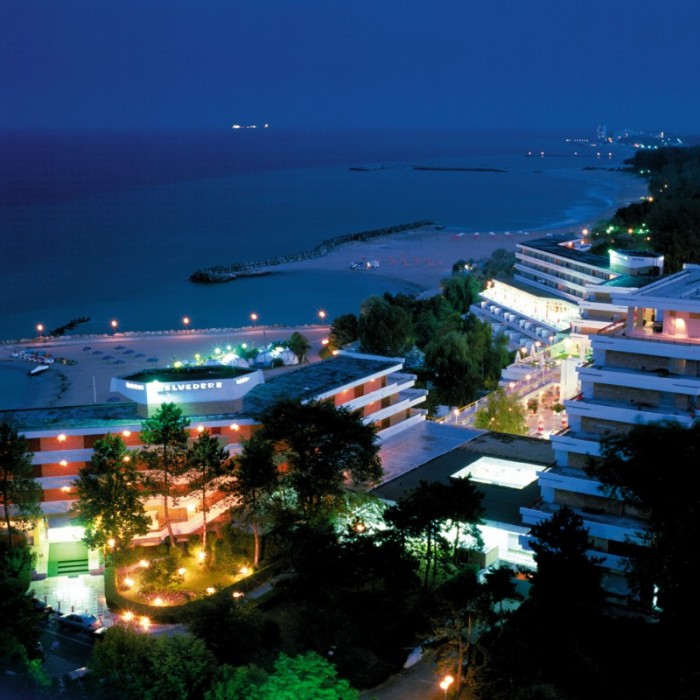
Rising above the Black Sea on a sandy promontory just six kilometers north of the city of Mangalia, Olimp Resort stands today as a sanctuary of tranquility and discreet elegance, a distinct chapter in the history of European coastal tourism. Officially established in 1972, during a period of expansive coastal infrastructure development in socialist Romania, Olimp is far more than a mere seaside destination: it is an architectural and cultural statement, an ambition to create a Romanian Riviera capable of rivaling the renowned resorts of the French Côte d'Azur or the Italian Riviera. Its name, borrowed from the sacred mountain of the gods in Greek mythology, is not just a tourist label but an aesthetic and ideological program, reflecting the designers' desire to anchor this destination in the grand classical European tradition. This was a time when Romania sought to affirm its place within Western civilization.
Strategically situated between the Comorova Forest nature reserve and the waters of the Pontus Euxinus, the resort is part of a unique urban ensemble in the European landscape of its era: the celebrated constellation of resorts themed around mythology, alongside Jupiter, Neptune, Saturn, Venus, and Mars. This concept, unprecedented in socialist urban planning, transformed the Dobrogea coastline into an open-air museum of Mediterranean antiquity, with each resort bearing the name of a deity or sacred place from Greco-Roman mythology. Within this context, Olimp becomes a monument to late Eastern European modernism, a living document of 1970s tourism development strategies, and a witness to the partial opening toward the West during that tumultuous period. For the contemporary European traveler, the resort offers not just an escape to the sea but also a lesson in recent history, illustrating how the Black Sea was perceived as a gateway to Europe. Its architecture, with clean lines and expansive glass surfaces, was meant to demonstrate Romania’s belonging to the free world.
Historical Roots and Major European Connections
To understand the deep historical significance of the place we now call Olimp, we must journey back to the 6th century BCE, when Greek colonists from Miletus founded the city of Tomis on these shores. This connection to ancient Hellas is not merely geographical but spiritual: Mount Olympus, the mountain of the gods, was revered throughout the Greek world, and the choice of this name for the resort in the 1970s established a symbolic bridge across millennia, linking the Ionian colonies on the shores of the Pontus Euxinus with the modernist ambitions of the 20th century. The legend of the Argonauts, who are said to have passed through these waters in search of the Golden Fleece, places the region within a broader European mythological circuit. Meanwhile, the Latin poet Ovid, exiled to Tomis between 8 and 17 CE, left melancholic descriptions of this coastline in his Tristia and Epistulae ex Ponto, where the sea met the forest, just as it does today at Olimp.
Beyond classical antiquity, Dobrogea has witnessed the succession of the great empires that shaped Europe: the Roman Empire included these territories in the province of Moesia Inferior, later Scythia Minor, leaving behind the Tropaeum Traiani at Adamclisi as a testament to conflicts with the Dacians. The Byzantine Empire brought Christianity and fortified cities, while the Republic of Genoa established commercial outposts here during the medieval period. Under Ottoman rule, Mangalia (known as Pangalos) became an important trading port, and in the 19th century, under the reign of King Carol I, the Romanian coastline experienced development akin to that of other European courts. Just as the Habsburg family developed the resort of Opatija (Abbazia) on the Austro-Hungarian coast, and the British monarchy transformed Brighton and Bournemouth into royal destinations, Carol I and Queen Elisabeth (Carmen Sylva) laid the foundations for luxury tourism on the Black Sea. This paved the way for the "Golden Age" of the interwar period, when Queen Marie hosted international guests at Balchik and Mamaia.
The year 1972, however, marked a distinct turning point, specific to the socialist context. While Yugoslavia was developing modern resorts like Opatija or Dubrovnik, and Bulgaria was constructing the monumental complex at Sunny Beach (Slanchev Bryag), Nicolae Ceaușescu’s Romania pursued a unique strategy within the Eastern Bloc: attracting Western tourists to generate hard currency. Olimp Resort represented the pinnacle of this ambition, designed by architects trained in the tradition of international modernism, influenced by the Bauhaus school and contemporary Mediterranean architecture, as well as the prefabricated construction techniques typical of socialist industrialization. The system of mythological names, unique in Europe, reflected both the desire to evoke Western classicism and the need to create a distinct identity within the landscape of socialist resorts. This was comparable to Spain’s Costa Brava or France’s Côte d'Azur, but filtered through the prism of the era’s ideology.
Architectural Masterpiece, Style, and Constructive Details
The architecture of Olimp Resort is a remarkable example of functionalist modernism adapted to the specifics of the Pontic coastline, representing a fusion between the international aesthetic of the 1970s and Mediterranean influences. The hotels, with their clean geometric lines, generous balconies, and expansive glass surfaces, rise above the promontory like cruise ships anchored on land, offering uninterrupted panoramic views of the Black Sea. This style, which blends the principles of the modernist school with visible influences from the architecture of resorts on the Côte d'Azur or contemporary Spanish coastal developments, illustrates the authorities' efforts to demonstrate, through concrete and glass, Romania’s belonging to the Western world. The main buildings, constructed from reinforced concrete prefabricates—a technique specific to socialist industrialization—were finished with noble materials such as local stone and smoked glass, creating an elegant contrast between the massiveness of the structure and visual fluidity.
The urban landscape is defined by a fascinating duality between the two sectors of the beach. In the south, a narrow strip of fine sand is bordered by a high, steep cliff, a natural wall of loess that provides intimacy and protection against strong winds. In the north, the beach widens considerably, fragmented by an ingenious series of artificial coves created through the construction of underwater breakwaters and stone groynes, a coastal engineering solution inspired by Mediterranean practices for erosion protection. The cliff, developed as a promenade suspended on concrete cantilevers, serves as a privileged space for contemplation, a "via" in the Italian sense of the word, connecting the hotels and offering spectacular perspectives on the marine horizon and the coastline stretching toward Mangalia.
Stylistically, the Olimp ensemble can be compared to architectural achievements in Yugoslavia from the same period, such as the Haludovo Palace Hotel on Krk, designed by Boris Magaš, or the Bulgarian tourist complexes at Nessebar and Sunny Beach. All represent attempts by Eastern European modernist architecture to compete with Western standards. However, Olimp stands out through the organic integration of the Comorova Forest into its urban concept: unlike resorts with high-rise, densely packed blocks, here the hotels are dispersed within a dendrological park, preserving a certain "breathability" of space, a principle inherited from the tradition of English gardens and Mediterranean villas. Windows oriented toward the east and southeast capture the sunrise over the sea, while terraces with pergolas and Mediterranean vegetation (palm trees, oleanders, agaves) create pleasant microclimates, evoking the atmosphere of Greek islands like Corfu or Crete.
Stories, Legends, Personalities, and Turning Points
The history of Olimp Resort is dotted with stories and personalities that lend it a unique aura, distancing it from the stereotypical image of socialist resorts. The legend of the Argonauts, who according to Greek mythology sailed through these waters toward Colchis in search of the Golden Fleece, places Olimp within a territory steeped in ancient mystery. Closer to our time, Ovid’s exile to nearby Tomis left a melancholic imprint on the literary perception of this coastline, where the "black sea" met the wild forest. During the interwar period, Queen Marie of Romania, a great lover of the sea, spent many summers in Dobrogea, contributing to the creation of the myth of the "Romanian Riviera." The royal villas at Balchik and Eforie paved the way for a select form of tourism, similar to that practiced by European aristocracy on the Italian Riviera or the Dalmatian coast.
The 1970s, however, brought a distinct political turn. Olimp Resort was built during a period when Nicolae Ceaușescu, unlike other communist leaders, encouraged the development of tourism for foreigners as a source of hard currency, allowing a certain opening toward the West. Here, in the newly constructed hotel complexes, Western tourists (Germans, Scandinavians, French) mingled with the elite of the Romanian nomenklatura, creating a social mix unprecedented in the Soviet bloc. It is said that Ceaușescu himself had a villa in the nearby resort of Neptun, just a few kilometers away, personally overseeing the development of the "jewels" of the coastline. This duality—between socialist propaganda and the luxury reserved for elites and foreigners—created a unique atmosphere, charged with secrets and contrasts.
After the fall of the communist regime in 1989, Olimp experienced a difficult transition, shifting from a destination for unionized workers (through subsidized union vouchers) to a private resort. However, unlike other resorts that were overrun by chaotic construction, Olimp retained a certain architectural coherence, transforming into a refuge for travelers seeking authenticity. Among its guests have been Romanian writers, artists, and intellectuals who appreciate its tranquility and nature, as well as foreign tourists discovering a "well-kept secret" of the Black Sea. The Comorova Forest, with its ancient oak and linden trees, silent witnesses to these transformations, still bears traces of literary gatherings and summer evenings spent in its shade, reminiscent of times when poets like Nichita Stănescu or Marin Sorescu found inspiration in the sea breeze.
Practical Visitor’s Guide and the Traveler’s Experience Today
For the European traveler eager to discover Olimp Resort, the experience begins even before arriving at the destination. Located on National Road DN39, just six kilometers north of Mangalia and approximately 45 kilometers south of Constanța, the resort occupies a strategic position at the border between the urban agglomeration of the coastline and the tranquility of nature. Access is possible either by personal vehicle (recommended for flexibility) or by public transport from Constanța or Mangalia. However, for a complete experience, renting a car allows for the exploration of the surrounding areas.
Accommodation in Olimp offers a diverse range, from the historic hotels of the 1970s, carefully renovated to preserve the spirit of the era (Hotel Olimp remains an architectural landmark), to private villas and family-run guesthouses nestled in lush vegetation. Unlike large, crowded tourist complexes, here small-scale units predominate, with intimate terraces and gardens, catering to a discerning clientele that values quality over quantity. The beach is divided into two distinct zones: the southern beach, wilder and more intimate, bordered by a high cliff, ideal for those seeking tranquility and contemplation, and the northern beach, wider and equipped with facilities, suitable for families with children. The cliffside promenade, a pedestrian path suspended above the sea, offers some of the most spectacular sunsets on the Romanian coastline, with views toward Mangalia and the open sea.
An essential component of the experience is exploring the Comorova Forest Nature Reserve, a unique Mediterranean forest ecosystem with oaks and maples, providing shade and coolness on hot summer days. Hiking trails through the forest allow for the observation of diverse wildlife, including rare birds, and lead to lesser-known beaches. The local gastronomy reflects the Dobrogean character: on seaside terraces, the sea breeze mingles with the aromas of traditional dishes such as Dobrogean fish soup, pickled mackerel, or polenta with fried fish, accompanied by white wines from the nearby Murfatlar vineyard. In the evening, the atmosphere comes alive in local restaurants and bars, offering entertainment in a more intimate and sophisticated setting than in the more popular resorts.
Nearby, travelers can visit Mangalia, the city with the oldest documented history in Romania (Callatis, founded by Greeks in the 6th century BCE), featuring the ruins of the ancient citadel, the Esmahan Sultan Mosque, and the 6th-century paleo-Christian basilica. The neighboring resorts of Saturn, Neptune, and Venus offer the opportunity to compare different architectural approaches from the socialist era, while the Hagieni Forest to the north presents another unique ecosystem. For history enthusiasts, the proximity to the Bulgarian border allows for a visit to Balchik, the former summer residence of Queen Marie, with its castle and botanical gardens. Thus, Olimp remains not just a vacation destination but a starting point for exploring a region rich in history, where antiquity, the medieval period, and modernity meet on the shores of the Black Sea, within a framework of rare tranquility in contemporary Europe.
Media gallery
Discover Olimp Resort in pictures

2 photos · Architecture, courtyards and captivating details

Image source: Wikimedia Commons · Public domain photos · Free license
STAY A FEW DAYS, DISCOVER THE MAGIC
Accommodation in the Olimp Resort area

Hotel · 3 stars

Olimp, Constanța County · 0.2 km
Sea View Apartments - Avenue Hotels Olimp
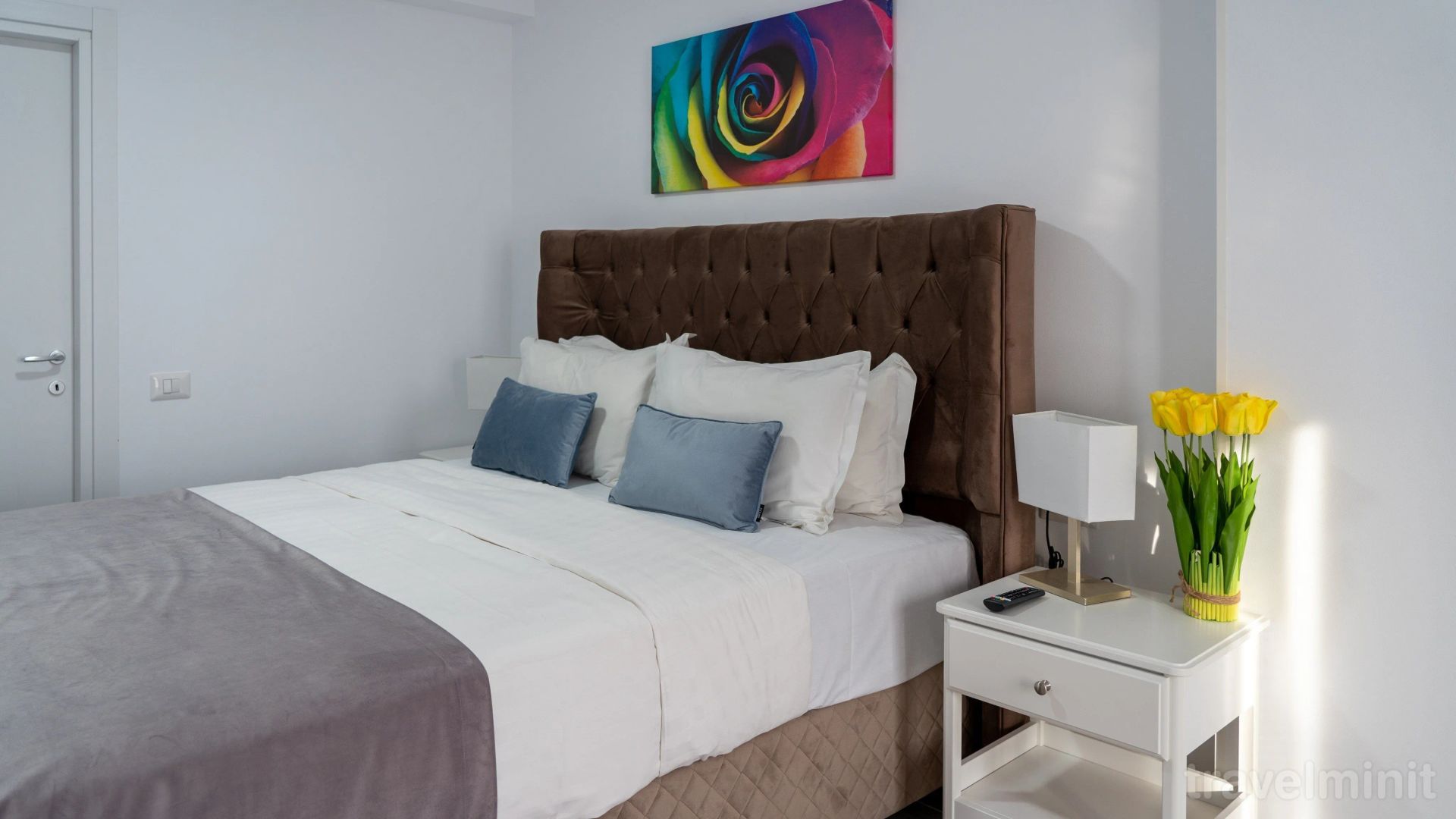
Sea View Apartments - Avenue Hotels Olimp este un hotel de 3 stele situat în localitatea Olimp din județul Constanța, pe strada Olimp numărul 4. Unitatea pune la dispoziția dumneavoastră facilități moderne care contribuie la confortul dumneavoastră: conexiune Wi-Fi gratuită disponibilă în întreaga incintă și parcare privată gratuită pentru vehiculul dumneavoastră. Vă puteți relaxa în aer liber într-o curte mare și într-o grădină amenajată cu grijă, într-un ambient potrivit pentru odihnă și liniște. Barul din incintă este disponibil pentru dumneavoastră în orice moment al zilei, iar la recepție personalul vorbește limbile română, engleză și spaniolă pentru a vă oferi toate informațiile necesare pe parcursul șederii. În apropiere aveți posibilitatea de a vizita Olimp, Neptun, Stațiunea Olimp, Stațiunea Neptun și Venus. Hotelul dispune de cinci camere mobilate cu gust, iar unele dintre acestea sunt prevăzute cu aer condiționat pentru un plus de confort. Unitatea oferă și servicii wellness pentru relaxarea dumneavoastră completă. Preluarea camerelor se poate face începând cu ora 00:00, iar ieșirea se efectuează până la ora 12:00. Vă așteptăm cu drag să vă petreceți vacanța în această locație.
FROM
290 lei per night

Apartment · 3 stars
Neptun, Constanța County · 0.2 km
Sea View Apartments Neptun - Litoral
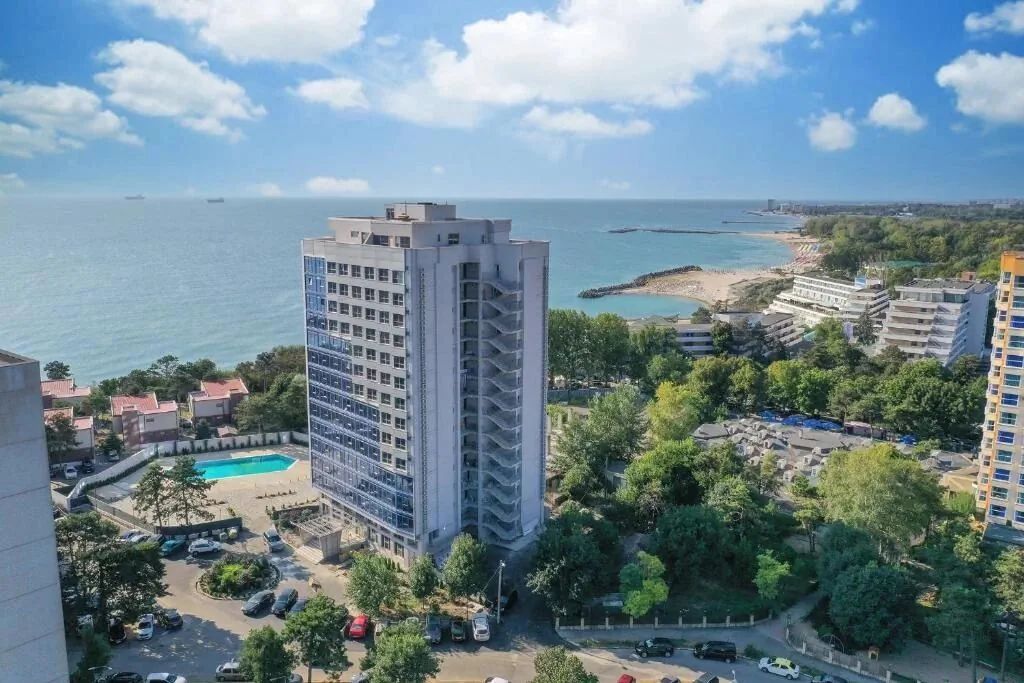
O zi petrecută la Sea View Apartments Neptun - Litoral începe cu accesul comod prin liftul modern și se prelungește cu momente de relaxare la piscină, într-un apartament situat în stațiunea Neptun din județul Constanța. Unitatea oferă apartamente recent renovate, dotate cu aer condiționat, televizor LCD și conexiune WiFi pentru confortul dumneavoastră. Bucătăria este complet echipată cu plită, hotă, frigider și fierbător electric, iar zona de luat masa completează funcționalitatea spațiului. Baia dispune de uscător de păr și cosmetice premium, în timp ce dormitorul cu pat matrimonial și canapeaua extensibilă din living asigură odihnă plăcută. Parcare privată gratuită este disponibilă în limita locurilor existente, iar accesul se face prin self check-in cu cod. În apropiere se află stațiunea Olimp, stațiunea Neptun, Olimp, Neptun și Venus, oferindu-vă posibilitatea de a explora cu ușurință aceste destinații de pe litoralul Mării Negre și de a vă bucura de atmosfera specifică fiecărei zone. Sea View Apartments Neptun - Litoral reprezintă alegerea potrivită pentru turiștii care doresc să descopere frumusețea stațiunilor de pe malul Mării Negre într-un mediu confortabil, bine poziționat și adaptat nevoilor dumneavoastră de vacanță.
FROM
230 lei per night
Holiday resort · 3 stars
Neptun, Constanța County · 0.3 km
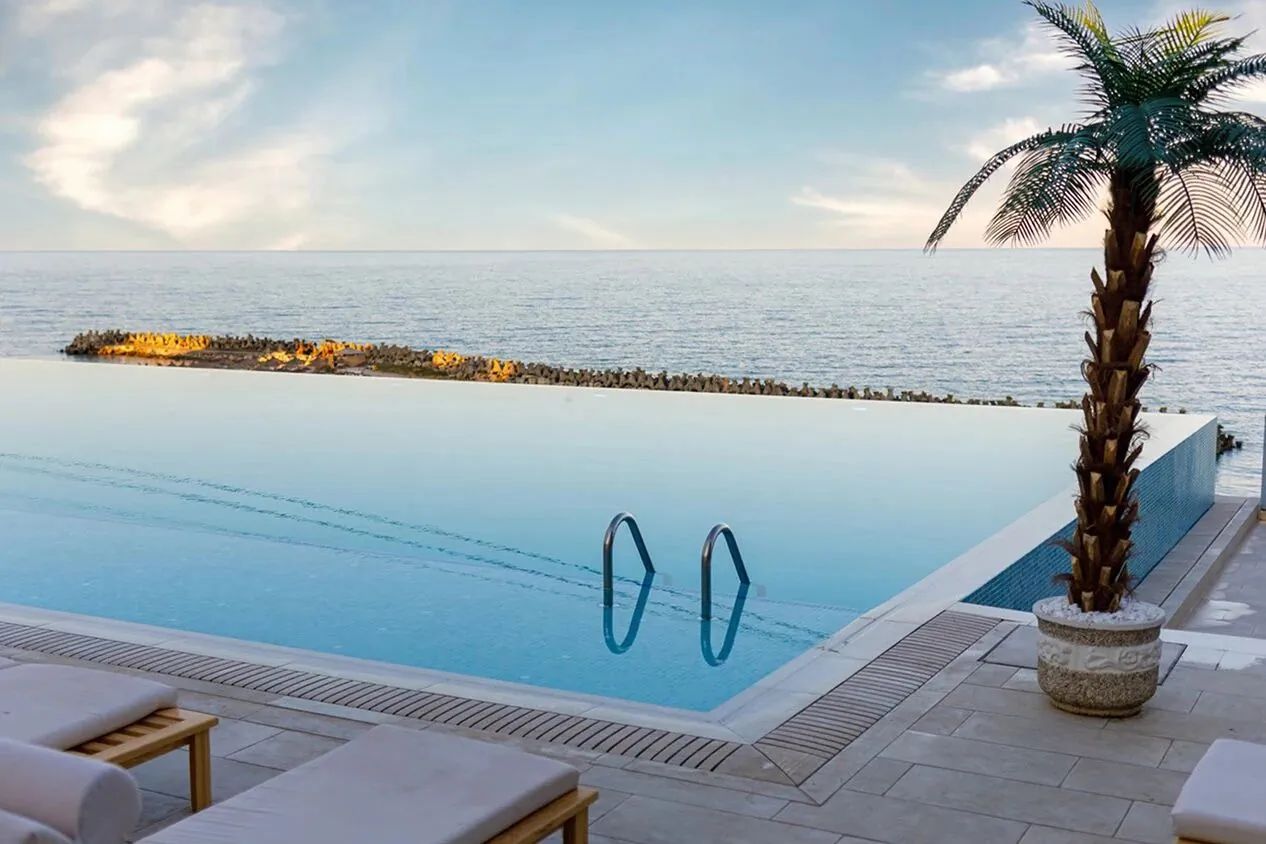
Hotel Muntenia - Steaua De Mare Olimp Resort Neptun - Litoral
Pe faleza din Neptun Olimp, în zona Complex Muntenia I3, se află Hotel Muntenia - Steaua De Mare Olimp Resort Neptun - Litoral, un complex turistic de trei stele din județul Constanța. Unitatea pune la dispoziție 210 camere modernizate, dotate cu televizor, minibar, Wi-Fi și aer condiționat. Baia include articole de toaleta și uscător de păr. Clădirea are 13 etaje deservite de lift, iar accesul este facilitat pentru persoanele cu dizabilități. Din camere se deschide o panoramă spre mare. În incintă funcționează un bar, iar minibarul din cameră este alimentat zilnic. Mesele se servesc la restaurantul hotelului Oltenia, în regim All Inclusive cu bufet suedez. Complexul dispune de o piscină infinity pentru adulți și de o piscină pentru copii cu ansamblu de topogane. De asemenea, există locuri de joacă interioare și exterioare pentru cei mici, cu programe de animație și diverse activități. Plaja privată se află în fața resortului, iar oaspeții beneficiază de șezlonguri și umbrele gratuite. În apropiere se pot vizita Olimp, Neptun, Stațiunea Olimp, Stațiunea Neptun și Venus. De asemenea, terenul de tenis este disponibil, iar parcarea este gratuită în limita disponibilităților. Vă așteptăm la Hotel Muntenia - Steaua De Mare Olimp Resort Neptun - Litoral.
FROM
360 lei per night
Holiday resort · 4 stars
Neptun, Constanța County · 0.4 km
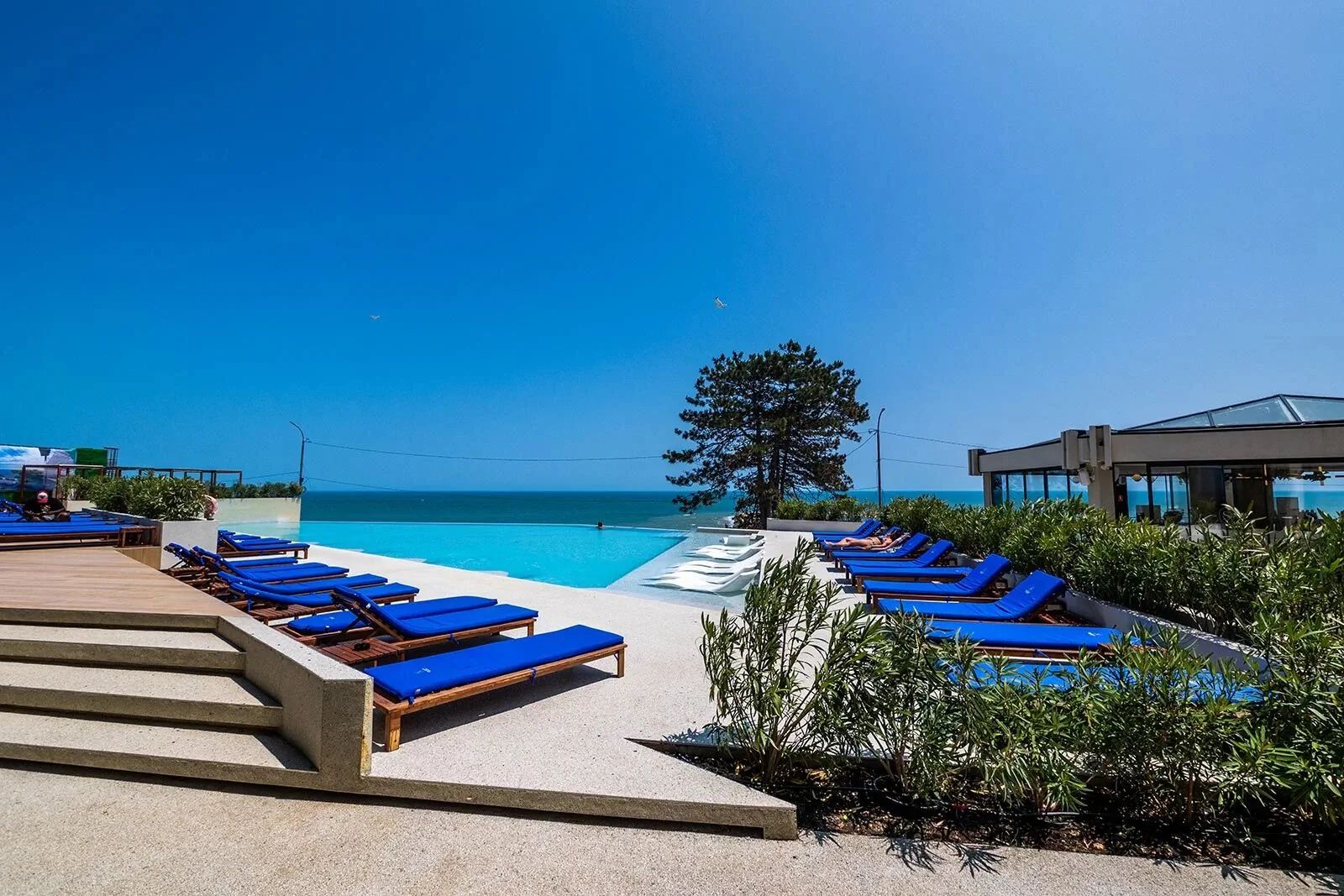
Hotel Oltenia - Steaua De Mare Olimp Resort Neptun - Litoral
Turnul înalt de pe faleza Olimpului, cu scările de acces spre plaja centrală chiar în fața intrării, găzduiește Hotel Oltenia - Steaua de Mare Olimp Resort din Neptun, județul Constanța. Clădirea se ridică pe faleza înaltă a stațiunii Olimp, la doar câțiva pași de plajă. Peste 200 de camere, suite și apartamente modernizate în stil contemporan vă așteaptă cu sisteme de răcire și încălzire, televizoare smart, espressoare de cafea și minibar. Restaurantul amplasat deasupra falezei oferă priveliști panoramice asupra mării, iar lobby barul servește băuturi zilnic. Terasele și amplele spații deschise completează atmosfera relaxată a resortului. Pentru relaxare, aveți la dispoziție o piscină exterioară încălzită de tip infinity și o plajă privată amenajată chiar în fața hotelului. Copiii se pot distra la locul de joacă interior sau exterior, iar recepția funcționează non-stop, oferind WiFi gratuit și ascensor pentru deplasare confortabilă între etaje. În împrejurimi puteți explora stațiunea Olimp, stațiunea Neptun, puteți vizita Olimp, Neptun sau Venus. Parcarea privată se oferă gratuit, în limita disponibilităților, la adresa Strada Olimp nr. 8, Neptun.
FROM
490 lei per night
Hotel · 3 stars
Olimp, Constanța County · 0.6 km
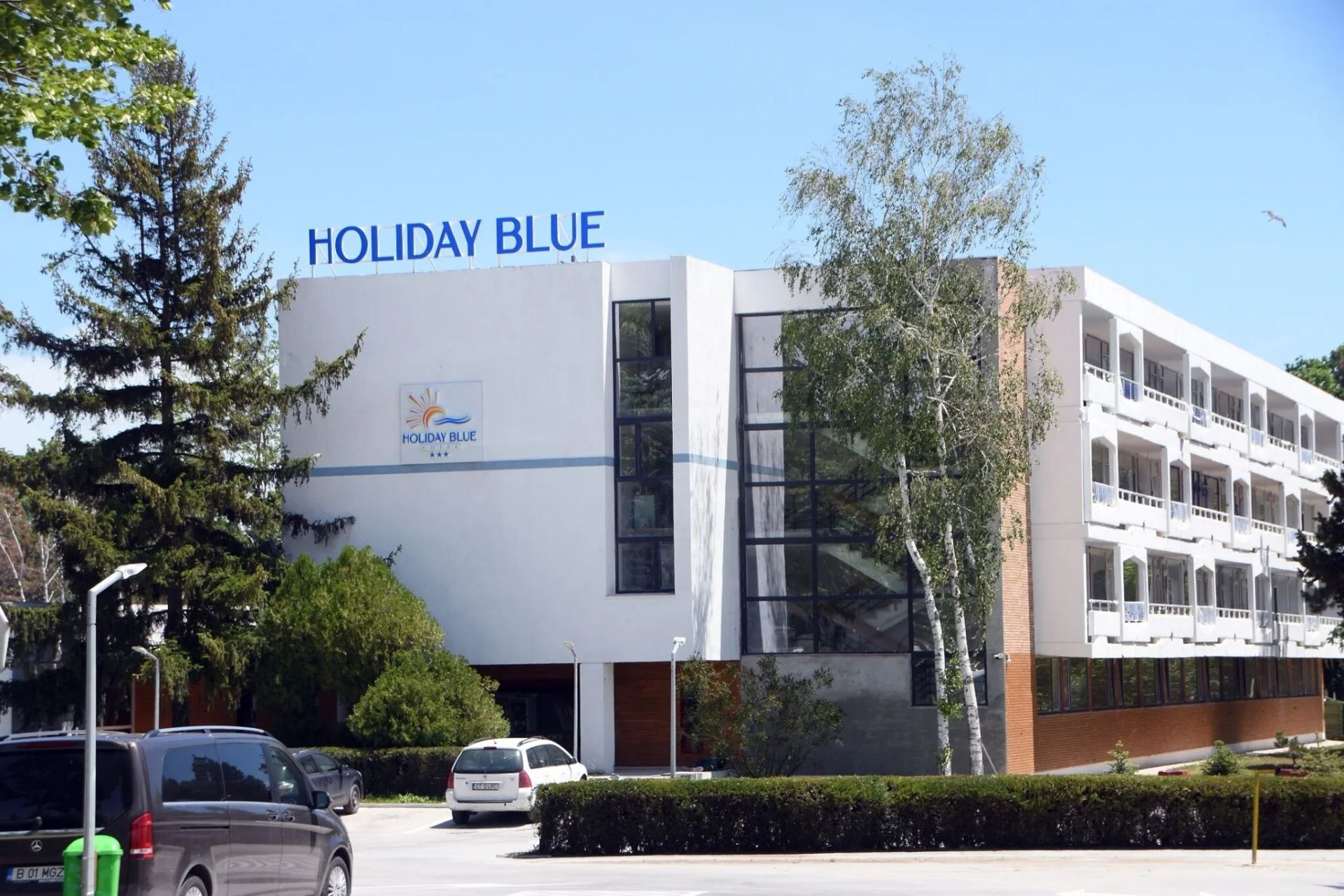
Hotel Holiday Blue Neptun Olimp
Pe strada Trandafirilor din stațiunea Olimp, într-o zonă liniștită a localității, se află Hotel Holiday Blue Neptun Olimp. Acest hotel de trei stele vă oferă condiții moderne de cazare și un ambient plăcut pentru vacanța dumneavoastră la malul Mării Negre, într-un cadru primitor. În incintă găsiți restaurant, bar și cafenea, iar serviciile de masaj vă ajută să vă relaxați după o zi petrecută în aer liber. Meniurile pentru diete speciale și cele pentru copii asigură opțiuni potrivite pentru toate gusturile și nevoile dumneavoastră. Beneficiați de Wi-Fi gratuit în întreaga unitate, parcare privată gratuită și puteți lăsa bagajele în siguranță la recepție. Familiile cu copii se vor bucura de locul de joacă amenajat în aer liber, de scaunele înalte disponibile la masă și de pătuțurile pentru bebeluși. Curtea mare și grădina îngrijită reprezintă un spațiu generos unde puteți savura momente de liniște și relaxare împreună cu cei dragi. În apropiere puteți explora stațiunea Olimp, stațiunea Neptun, Venus, precum și localitățile Olimp și Neptun, oferindu-vă numeroase posibilități de a descoperi atracțiile zonei. Vă așteptăm cu drag la Hotel Holiday Blue Neptun Olimp pentru un sejur plăcut.
FROM
290 lei per night
Hotel · 3 stars
Neptun, Constanța County · 1.5 km
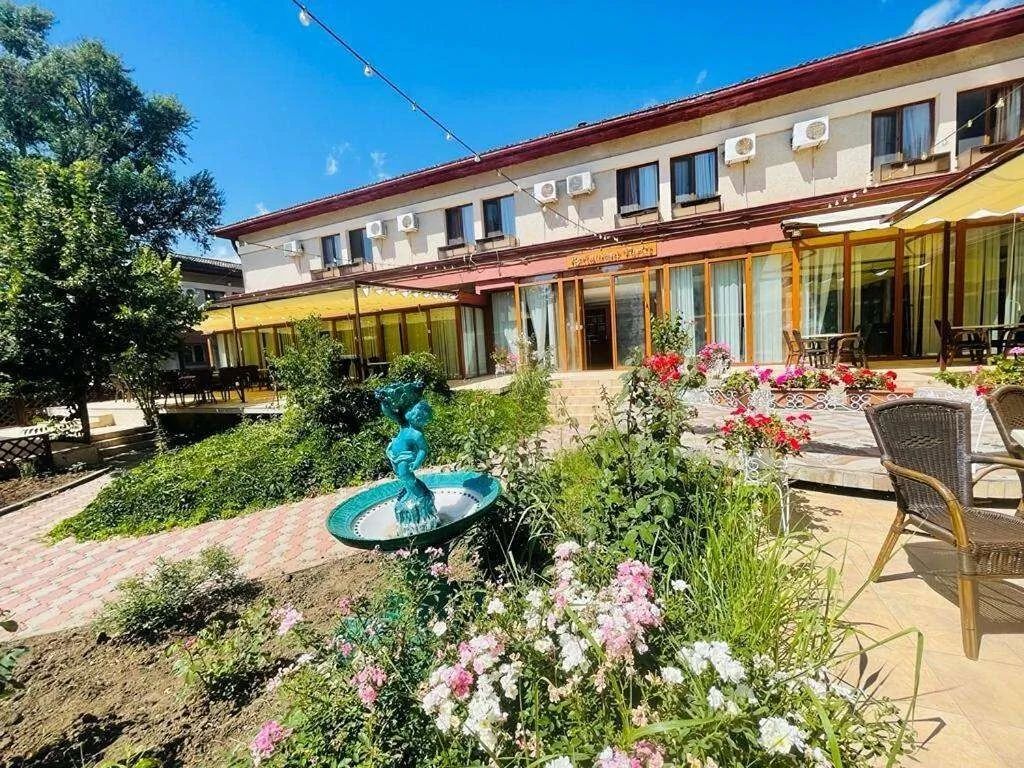
Hotel Turist Neptun
Comfort, relaxation and stunning views, all just steps away from the main attractions.
FROM
290 lei per night
BEFORE YOU HIT THE ROAD
Weather conditions in Constanta
Local forecast for Olimp Resort, Constanta, Constanța

Real-time updated weather data
Much more to explore in this area
Nearby tourist attractions


Constanta, Constanța County
Mamaia resort.
Situata la nord de municipiul Constanta, intre Marea Neagra si Lacul Siutghiol; cartier al municipiului Constanta, are foarte putini locuitori, dar este...
36.6 km
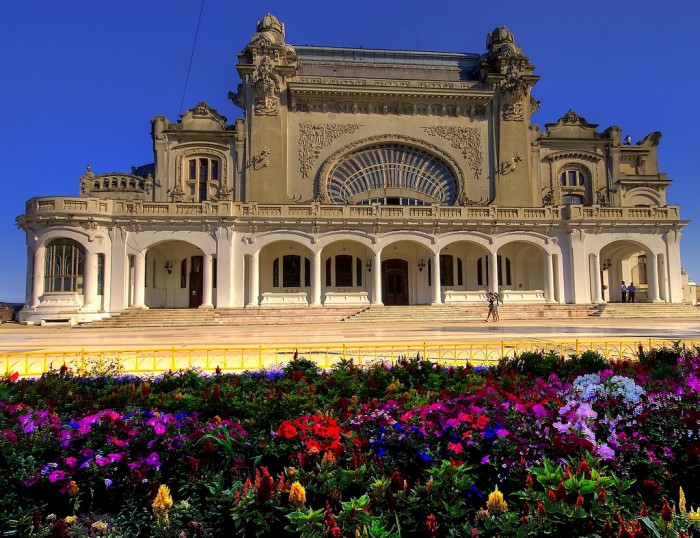
Constanta, Constanța County
The casino in Constanta.
Situat pe bulevardul Elisabeta, nr. 2, municipiul Constanta; in trecut, in aceasi locatie era amplasata o "cazina" (1880 - 1902) - constructie din lemn unde se...
32.2 km
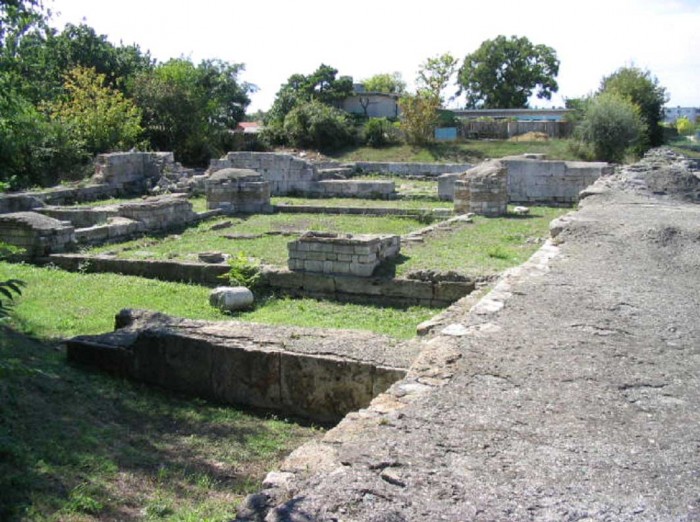
Constanta, Constanța County
Callatis Fortress in Mangalia
Situata pe teritoriul municipiului Mangalia, intre Sanatoriul balnear, Casa de Cultura, strada Constantei, Geamie si intrarea in portul comercial; intemeiata...
8.4 km
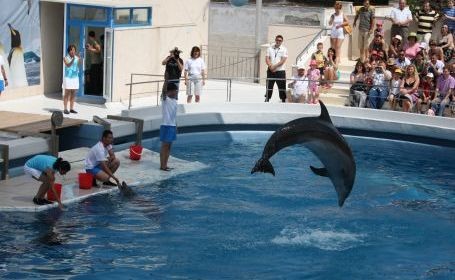
Constanta, Constanța County
Natural Sciences Museum Complex in Constanța
Situat pe bulevardul Mamaia, nr.255, municipiul Constanta; la inceputul existentei a fost format din sectii individuale, unite sub denumirea "Complexul muzeal...
36.0 km

Constanța, Constanța County
Mamaia
Localitate componentă a municipiului Constanța, județul Constanța, România
40.3 km
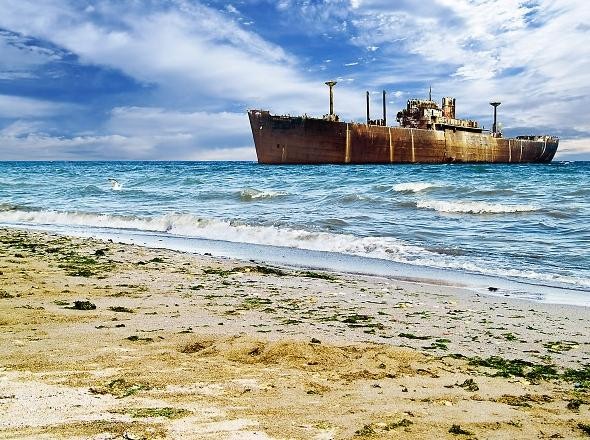
Constanta, Constanța County
Costinești Resort
Este situata in prelungirea satului Costinesti, la 31 km sud de municipiul Constanta, invecinandu-se la nord cu comuna Tuzla si la sud cu Statiunea Olimp;...
7.7 km

Mangalia, Transylvania
Olimp Resort
Localitate componentă a municipiului Mangalia, județul Constanța, România
0.0 km

Mangalia, Transylvania
Neptun Resort
Localitate componentă a municipiului Mangalia, județul Constanța, România
2.0 km

14.9 km
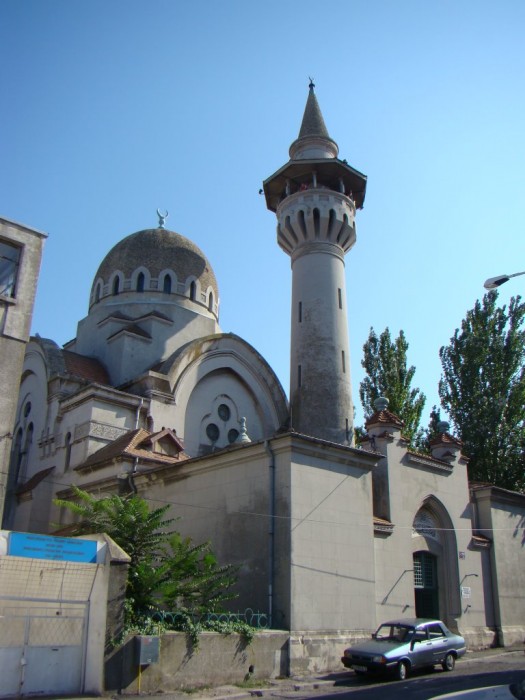
Constanta, Constanța County
Great Mosque of Constanța (Carol I Mosque)
Situata pe strada Arhieoiscopiei nr. 5 din municipiul Constanta; construita intre anii 1910 - 1912, mai poarta denumirea de "Moscheea Carol I"; planurile au...
32.4 km
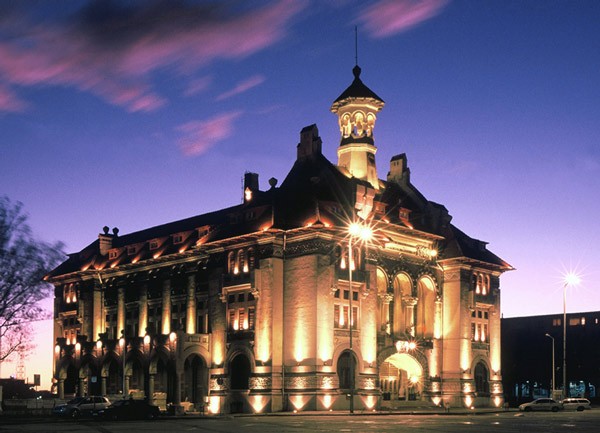
Constanta, Constanța County
National Museum of History and Archaeology in Constanța
Situat in Piata Ovidiu, nr. 12, municipiul Constanta; infiintat in anul 1878, cu ajutorul lui Remus Opreanu; la inceput a functionat in cladirea prefecturii si...
32.5 km

Eforie, Constanța County
Eforie Nord
Situata in orasul Eforie, la 14 km de municipiul Constanta; amplasata la altitudinea de 6 - 20 m peste nivelul marii; statiune cu caracter permanent, are...
20.1 km
Cultural life and traditions
Events in the Olimp Resort area
Medieval festivals, traditional fairs, concerts and local activities recommended in Dobruja.

Traditions and Crafts

Constanta, County of Constanța
Days of Local Culture and Traditional Tourism
Open workshops featuring pottery, wood carving, and authentic folklore demonstrations by local artisans.
WHEN
May 15-17, 2026


Traditional Cuisine
Constanta, County of Constanța
The Fair of Traditional Products and Local Cuisine
Traditional products, aged cheeses, mountain honey and local delicacies prepared according to ancient recipes.
WHEN
Every weekend

Culture and Photography
Constanta, County of Constanța
Themed and Photographic Guided Tour of Cultural Heritage
A guided tour designed for history buffs, nature lovers, and photography enthusiasts, showcasing the most spectacular views in the area.
WHEN
Daily schedule available upon request
On foot, exploration gains depth
Discover the surroundings and local geography
Explore the trails, terrain, and natural landmarks around Olimp Resort.

Guides and practical tips
Useful travel articles
Travel guides, practical recommendations and tourist itineraries for Dobruja.

Tourist guide
Top 5 Atracții Turistice și Trasee Montane în Zona Moieciu - Bran
Descoperă cele mai spectaculoase peisaje carstice, chei adânci și cetăți medievale din imediata apropiere a stațiunii Moieciu.

Tourist guide
Ghid de Drumeție: Traseul Moieciu de Sus spre Platoul Bucegi
Un itinerariu montan de o frumusețe rară ce urcă din Valea Băngăleasa spre Poiana Guțanu și crestele maiestuoase ale Bucegilor.

Tourist guide
Castelul Bran: Istorie, Legende și Secrete Medievale
Află adevărata poveste a fortăreței medievale din Pasul Bran, reședința de suflet a Reginei Maria a României.
THE JOURNEY STARTS WITH AN IDEA
The next story is on the way.
From the first stop to the last stay, make room for a new Romania.
