


MONUMENT · DOBRUJA
Mangalia

Constanta, Constanța County
Add location to your trip planner.

Practical access information

VISITING HOURS
Monday: 12:00 PM – 5:00 PM · Tuesday–Sunday: 9:00 AM – 5:00 PM (in summer until 8:00 PM)

TICKET PRICE
Adults: 45 RON · Students: 11 RON · Seniors: 23 RON · Guided tour included

RECOMMENDED VISIT DURATION
2-3.5 hours
Visitor information and guide
 Navigate with Google Maps

ABOUT MANGALIA
A Millennial Legacy on the Shores of the Black Sea: Mangalia, a Palimpsest of European Civilizations
Located at the southeastern extremity of Romania, approximately 45 kilometers south of the city of Constanța and just 11 kilometers north of the Vama Veche border crossing, the resort town of Mangalia represents one of the most fascinating historical palimpsests in Southeastern Europe. Situated atop the ruins of the ancient fortress of Callatis, founded in the 6th century BCE by Greek colonists from Heraclea Pontica, this locality served for centuries as a vital commercial hub of the Hellenistic world on the western coast of the Black Sea. Like other prestigious colonial settlements such as Massalia (modern-day Marseille) in the western Mediterranean or Emporion (modern-day Ampurias) on the Iberian Peninsula, Callatis was part of the extensive network of Pontic colonies alongside Histria and Tomis, maintaining close trade ties with the great metropolises of the Mediterranean and acting as an outpost of Hellenistic civilization at the gates of the Orient. This strategic position at the intersection of trade routes between the Mediterranean basin and the Pontic steppes made Mangalia a living witness to the encounter between Greek, Roman, Byzantine, and Ottoman cultures, creating a cultural heritage of rare complexity in the European landscape.
Hellenistic Roots and Connections to Europe’s Great Empires
The history of Mangalia begins long before the Common Era, when colonists from Heraclea Pontica, a city in Asia Minor near the Black Sea, decided to extend their commercial influence to the Dobrogean coast. Founded around 657 BCE under the name Callatis, the fortress thrived as a center for trade in grain, fish, wine, and olive oil, while also serving as an essential point of contact between the Greek world and the Thracian populations of the continent’s interior. During the Hellenistic period, Callatis reached its urban peak, developing an orthogonal plan characteristic of Greek poleis, with a central agora, temples dedicated to Apollo and the goddesses of the Olympian pantheon, as well as pottery and metallurgy workshops that rivaled those of Athens or Corinth. Like Histria, the oldest urban settlement in Romania, and Tomis, the future Constanța, Callatis was part of a vital economic triangle for the Greek world, controlling trade routes between the Aegean Sea and the northern basin of the Pontus Euxinus.
With the expansion of the Roman Empire into Dobrogea in the 1st century BCE, Callatis was integrated into the province of Moesia Inferior, benefiting from the pax romana that transformed the city into a prosperous municipium. Roman architecture brought public baths, a monumental forum, and an aqueduct system that supplied public fountains, technologies similar to those found in Aquincum (modern-day Budapest) or Sirmium (modern-day Sremska Mitrovica). The Byzantine period, beginning in the 4th century CE, marked a new phase of flourishing, when Callatis, renamed under the influence of Emperor Justinian, became an early Christian center. Churches with Greek-cross plans and massive domes, built during this era, reflect the influences of sacred architecture from Constantinople and Thessaloniki, comparable to the basilicas of Ravenna or those of Thessaloniki, witnesses to an era of Christian spirituality that survived the migratory invasions.
Centuries of Ottoman domination, beginning with the conquest in the 15th century, brought a new cultural and religious dimension. During this period, the fortress received the name Mangalia, likely derived from the Turkish term manga (herd) or Pangalos (the beautiful), reflecting the linguistic and cultural transformations of the era. The Ottoman period left behind an exceptional monument, the Esma Han Sultan Mosque, built in the 18th century, which illustrates the religious Islamic architecture of the Balkans, comparable to mosques in Sarajevo, Skopje, or Sofia, while retaining a distinct Dobrogean character. This Ottoman presence contributed to the formation of a unique multicultural identity, where Christian-Orthodox tradition coexisted with Islam, in a civilizational dialogue reminiscent of the relative tolerance of the Ottoman Empire compared to other European regions of the time.
Architectural Masterpieces and a Stratified Spiritual Heritage
The archaeological treasure of Mangalia offers a fascinating journey through successive layers of history, beginning with the ruins of the Callatis Fortress. These reveal a well-organized Hellenistic city, with paved streets, water reservoirs, baths, and a theater that could accommodate thousands of spectators, all reflecting the sophisticated urbanism of the Greek world. The ancient necropolis, with its monumental tombs and sculpted funerary steles, provides valuable insights into the social hierarchy and religious beliefs of the local elites, comparable to the necropolises of Kerch (Panticapaeum) or Olbia in the northern Black Sea region.
An exceptional element, unique in Romania and rare in Southeastern Europe, is the Tomb with Papyrus, discovered in the 20th century (1959) by archaeologist Vasile Pârvan and his team. This Hellenistic funerary monument, dating from the 3rd century BCE, preserves a papyrus with text in Greek, the oldest written document discovered on Romanian territory. The mural paintings decorating the interior of the tomb depict scenes from the afterlife with Egyptianizing influences, reminiscent of funerary art from Alexandria or Memphis, but adapted to Hellenistic sensibilities. This archaeological discovery places Mangalia on the map of the great cultural sites of the ancient world, alongside Pompeii, Herculaneum, or the Etruscan cities of Italy, offering a window into the beliefs and funerary rituals of a cosmopolitan elite.
The spiritual landscape of Mangalia is complemented by ancient Christian churches, with Byzantine-influenced architecture characterized by Greek-cross plans and massive domes, similar to those of the Dafni Monastery or the monastic complexes of Meteora. These places of worship, some dating from the medieval Byzantine period and others rebuilt in the 18th and 19th centuries, reflect the spiritual continuity of Christianity in the face of historical challenges. The Esma Han Sultan Mosque, built in 1785 (or around that time) by an Ottoman princess, represents a jewel of Islamic architecture from the classical Ottoman period, with an elegant minaret, interior decorations featuring Arabic calligraphy, and decorative elements specific to 18th-century Ottoman art. Its interior, with Persian carpets and brass lamps, evokes the atmosphere of historic mosques in Istanbul or Bursa, offering visitors an authentic experience of the religious diversity that characterized Dobrogea over the centuries.
The transformation of Mangalia into a modern balneological resort in 1930 marks a new era in the history of the locality, inspired by the European tradition of thermal resorts. The architecture of the treatment centers and hotels from this period reflects the modernist and functionalist currents of the time, with clear geometric lines, large windows for natural lighting, and spaces designed for therapeutic efficiency. This architectural approach, which combines modernist aesthetics with medical functionality, is reminiscent of sanatoriums in Switzerland (such as those in Davos or Leysin), thermal baths in the Czech Republic (Karlovy Vary, Mariánské Lázně), or resorts on the Italian coast (Riviera dei Fiori, Rimini). The Mangalia Hotel, the only four-star facility in the area, preserves this interwar aesthetic while offering modern medical facilities that perpetuate the centuries-old tradition of European balneotherapy.
Stories, Legends, and Personalities: Turning Points in Mangalia’s History
The history of Mangalia is dotted with pivotal moments that have defined its cultural identity. One of these is the discovery of the Tomb with Papyrus in 1959, an event that revolutionized knowledge about the Hellenistic civilization in Dobrogea. Archaeologist Vasile Pârvan, founder of the Romanian school of archaeology, coordinated the excavations that revealed this treasure, placing Mangalia on the map of Europe’s great archaeological discoveries of the 20th century. The papyrus, preserved in exceptional condition due to the area’s specific microclimate, contains medical and literary texts that provide unique insights into medical practices and daily life in the Hellenistic world.
Another defining moment is the year 1930, when Mangalia was officially declared a balneoclimatic resort, joining the ranks of Europe’s great thermal resorts such as Vichy in France, Baden-Baden in Germany, or Karlovy Vary in the Czech Republic. This transformation was made possible by the recognition of the exceptional therapeutic properties of the mesothermal, sulfurous, and radioactive springs, known since antiquity. The springs were mentioned by ancient geographers such as Strabo, and in the 19th century, Romanian and foreign doctors began studying the beneficial effects of Mangalia’s waters on health, comparable to those of Wiesbaden or Bad Ischl in the Austro-Hungarian Empire.
The personality of Esma Han Sultan, an Ottoman princess and wife of a vizier, left a lasting mark on the city’s cultural landscape through the construction of the mosque that bears her name. This influential woman, who lived in the 18th century, contributed to the development of Mangalia’s religious and social infrastructure, leaving behind a monument that stands the test of time and speaks to the role of women in Ottoman society and the religious tolerance characteristic of the period. Local legend says that Esma Han Sultan visited the thermal springs to cure an illness, thus contributing to the spread of Mangalia’s therapeutic fame throughout the Ottoman Empire.
During the communist period, Mangalia experienced new development as a balneological center for workers, integrated into the extensive network of sanatoriums and rest homes in the socialist countries, from the Baltic Sea to the Black Sea. This period brought investments in medical infrastructure, developing the Balneological Sanatorium and modernizing hotel facilities, while maintaining medical standards comparable to those of resorts in Poland (Ciechocinek, Krynica-Zdrój) or Hungary (Hévíz, Hajdúszoboszló).
Practical Guide and the Contemporary European Traveler’s Experience
For the contemporary European traveler, Mangalia offers a unique experience that combines millennia-old history with modern therapy in an exceptional natural setting. Located just 11 kilometers from Vama Veche, the last border crossing before Bulgaria, the resort represents a meeting point between cultures and a gateway to southern Europe. Access is facilitated by the proximity of Mihail Kogălniceanu International Airport in Constanța (approximately 45 kilometers), rail connections to Bucharest, and the European route E87 that traverses the entire Romanian coast.
The therapeutic experience in Mangalia follows the tradition of European balneotherapy, offering treatments for degenerative and inflammatory rheumatic conditions, peripheral and central neurological disorders, gynecological, cardiovascular, respiratory, otorhinolaryngological, endocrine, metabolic, and dermatological diseases. The Mangalia Hotel, with its four specialized pools for sulfur-water kinesiotherapy, complete sections for electrotherapy, hydrotherapy, and pneumotherapy, as well as pools with heated seawater, provides facilities comparable to those of the most prestigious resorts in Switzerland or Austria. The Balneological Sanatorium complements this offering with integrated therapeutic programs for post-traumatic conditions and occupational diseases, benefiting from a specialized medical team and state-of-the-art equipment.
Beyond medical therapy, Mangalia invites exploration of its stratified cultural heritage. The ruins of the Callatis Fortress and the Archaeological Museum offer an incursion into the Hellenistic world, while the Tomb with Papyrus can be visited with a specialized guide, providing a unique experience in Romania. The Esma Han Sultan Mosque, open to visitors with respect for decency norms, offers a perspective on Ottoman architecture and the intercultural dialogue of Dobrogea. The ancient churches, with their Byzantine architecture, complete this diverse spiritual tableau.
Nature plays an essential role in the Mangalia experience. Lake Mangalia, with a surface area of 260 hectares and a depth of over 10 meters, offers a remarkable landscape, surrounded by vegetation specific to the coastal steppe zone. The beaches of the Black Sea, with fine sand and waters of moderate salinity, benefit from a microclimate recognized at the continental level, with cooler summers than in the resorts to the north. The Speleological Research Center offers the possibility of exploring nearby caves, adding an adventurous and scientific dimension to the visit.
For lovers of authentic traditions, the local stud farm represents a special attraction, offering carriage rides and horseback riding lessons, evoking the rural atmosphere of Dobrogea in times past. Facilities for water sports, tennis, and swimming in equipped pools complete the offering for active tourists. Although the accommodation options are more selective compared to other resorts on the coast, Mangalia offers comfortable two- and three-star hotels, traditional guesthouses, and private villas, all benefiting from the tranquility specific to a resort less crowded than Mamaia or Eforie.
The local gastronomy reflects Mediterranean and Ottoman influences, offering dishes made with fresh fish, seafood, lamb, and vegetables specific to the region, alongside desserts with Turkish influences. Restaurants and pizzerias in the resort adapt their menus to international tastes while preserving the specificity of Dobrogean cuisine.
Mangalia thus remains a unique destination in the European tourism landscape, where the millennia-old history of Pontic Hellenism meets modern balneological healing, in an exceptional natural setting at the boundary between land and sea, at the crossroads of East and West, between the Danube and the Black Sea.
Media gallery
Discover Mangalia in pictures

5 photos · Architecture, courtyards and captivating details


Image source: Wikimedia Commons · Public domain photos · Free license
STAY A FEW DAYS, DISCOVER THE MAGIC
Accommodation in the Mangalia area

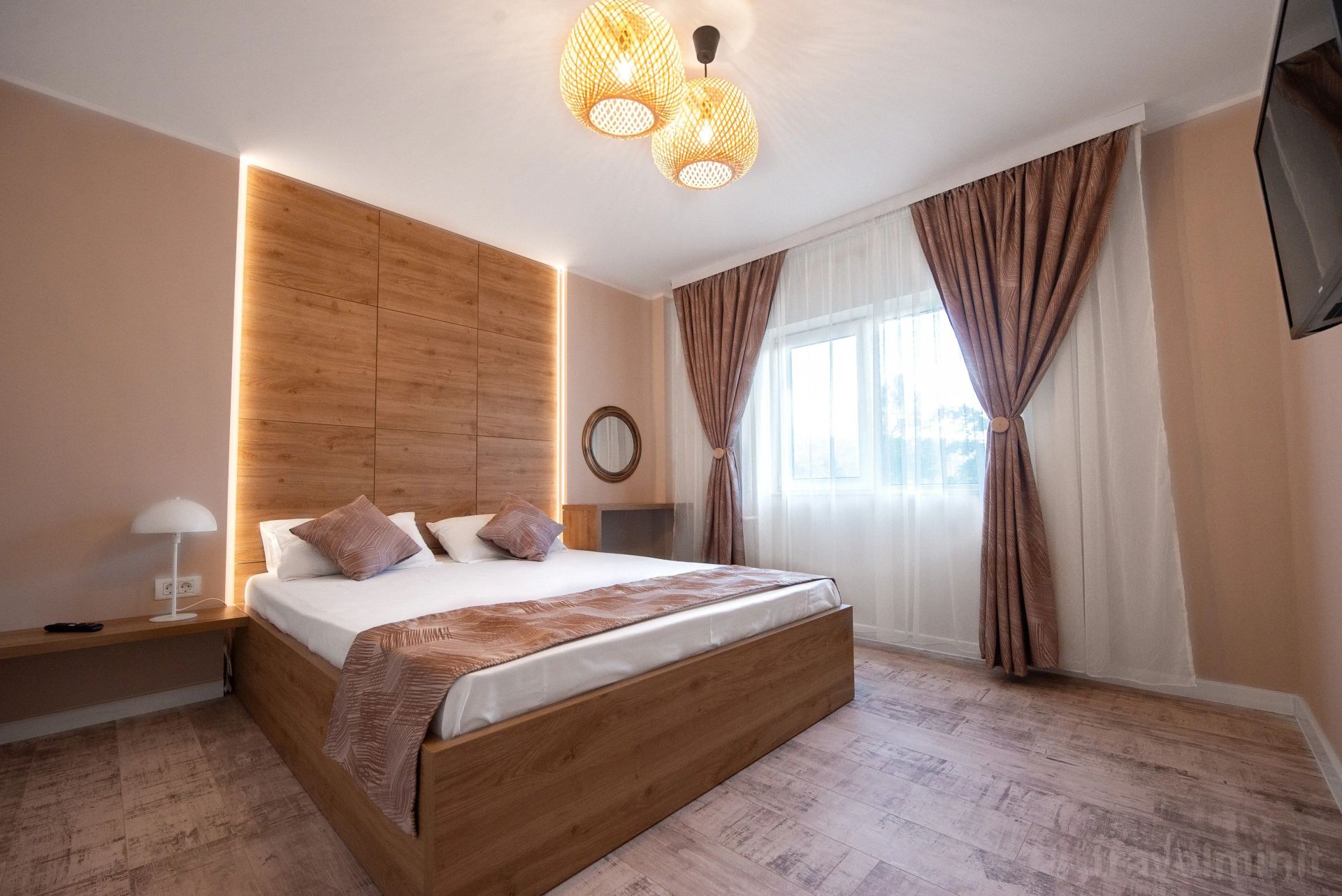
Apartment · 3 stars

Mangalia, Constanța County · 0.2 km
Apartament Anastasia Seaside Mangalia
Familiile cu copii se vor simți bineveniți în Apartament Anastasia Seaside Mangalia, un apartament de închiriat clasificat cu trei stele, situat pe strada Rozelor din Mangalia, județul Constanța. Acesta reprezintă o alegere potrivită pentru un sejur relaxant la malul Mării Negre, oferind un spațiu primitor și funcțional pentru întreaga familie. Pentru confortul dumneavoastră, unitatea pune la dispoziție Wi-Fi gratuit și aer condiționat, astfel încât să vă bucurați de condiții plăcute indiferent de anotimp. Parcare privată gratuită este disponibilă pentru mașina dumneavoastră, iar pentru cei mici există un scaun înalt pentru copii. De asemenea, aveți la îndemână un fier de călcat pentru a vă aranja hainele înainte de ieșiri. În apropiere puteți vizita Cetatea Callatis din Mangalia, Stațiunea Mangalia, Saturn, Stațiunea Saturn și Venus. Aceste obiective turistice oferă numeroase posibilități de petrecere a timpului liber și de descoperire a atracțiilor din zonă. Vă așteptăm să vă instalați cu plăcere în acest apartament din Mangalia și să vă bucurați de liniștea și confortul oferite. Porniți apoi să explorați Cetatea Callatis din Mangalia.
FROM
230 lei per night

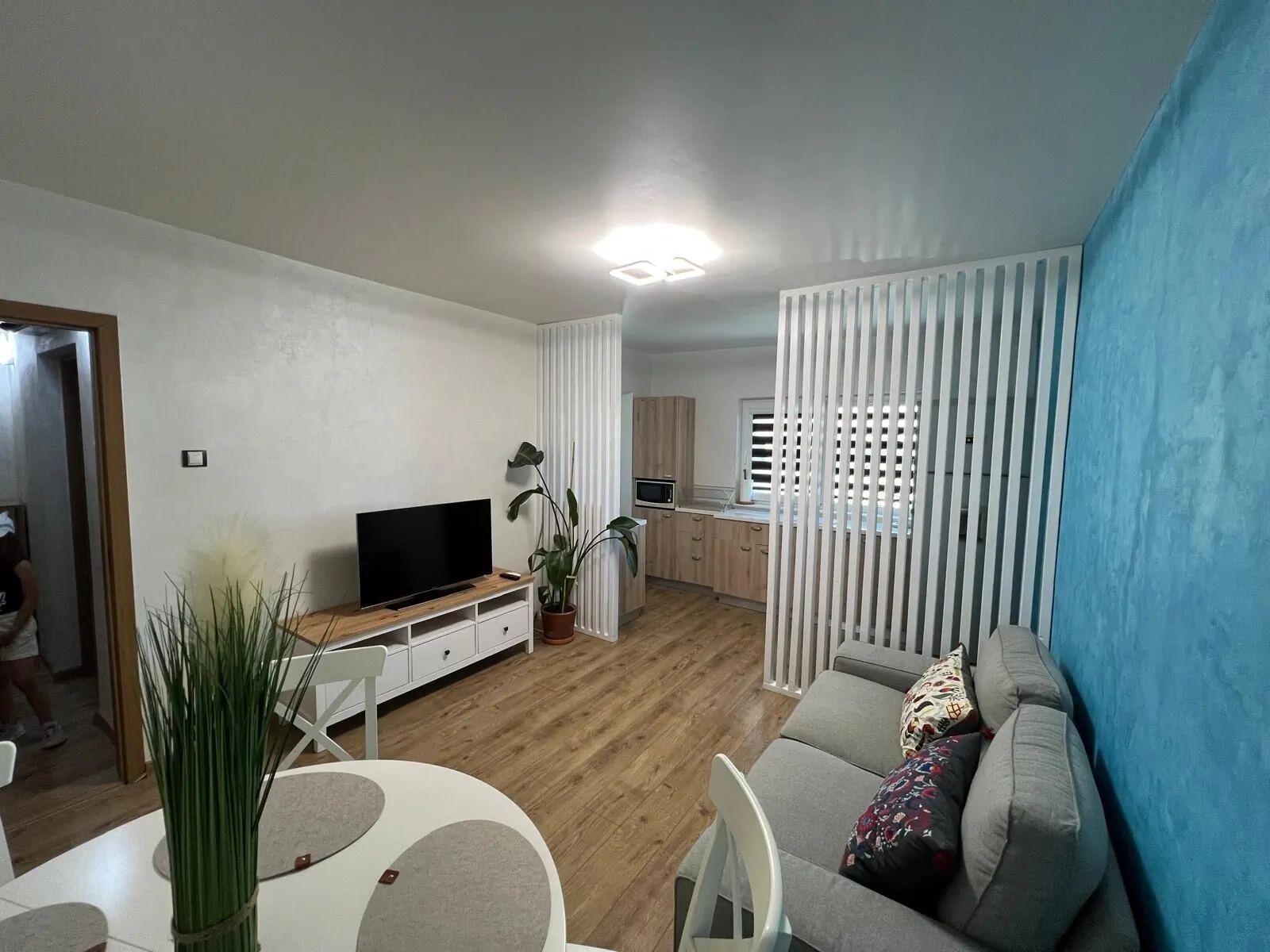
Apartment · 3 stars
Mangalia, Constanța County · 0.2 km
Miva Apartments Mangalia
Comfort, relaxation and stunning views, all just steps away from the main attractions.
FROM
230 lei per night
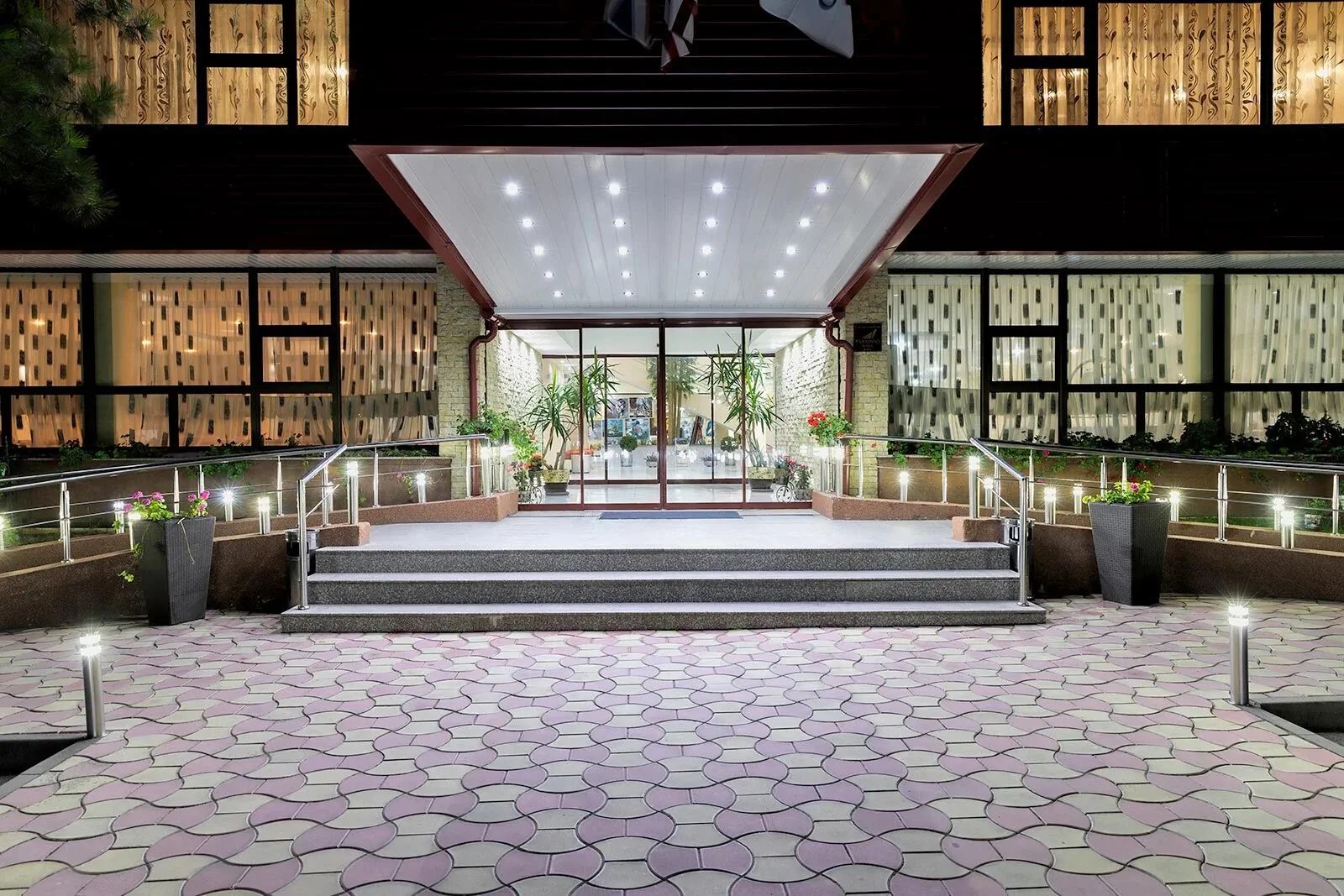
Hotel · 3 stars
Mangalia, Constanța County · 0.4 km
Hotel Paradiso Mangalia - Litoral
În apropiere puteți vizita Cetatea Callatis din Mangalia, iar Hotel Paradiso Mangalia, un hotel de 3 stele situat în Mangalia, reprezintă un punct de plecare confortabil pentru a explora întreaga zonă a litoralului. Camerele sunt dotate cu aer condiționat, televizor cu cablu, wifi, minibar, telefon, baie cu duș și balcon, iar clădirea se întinde pe 12 etaje, fiind deservită de lift. Accesul persoanelor cu dizabilități este asigurat, iar în incintă funcționează un bar. Pentru confortul dumneavoastră, hotelul pune la dispoziție și parcare privată gratuită în limita disponibilităților. Pe lângă cazare, aveți la dispoziție un restaurant cu bar și terasă, precum și o cofetărie. Oaspeții pot urma și proceduri într-o bază de tratament care folosește apă sulfuroasă și nămol sapropelic, fiind disponibile hidrotermoterapie, masaj, kinetoterapie și alte terapii pentru relaxare și recuperare. În apropiere puteți vizita Stațiunea Mangalia, Saturn, Stațiunea Saturn și Venus. Vă așteptăm să porniți în explorarea Stațiunii Saturn și să descoperiți toate atracțiile zonei.
FROM
290 lei per night
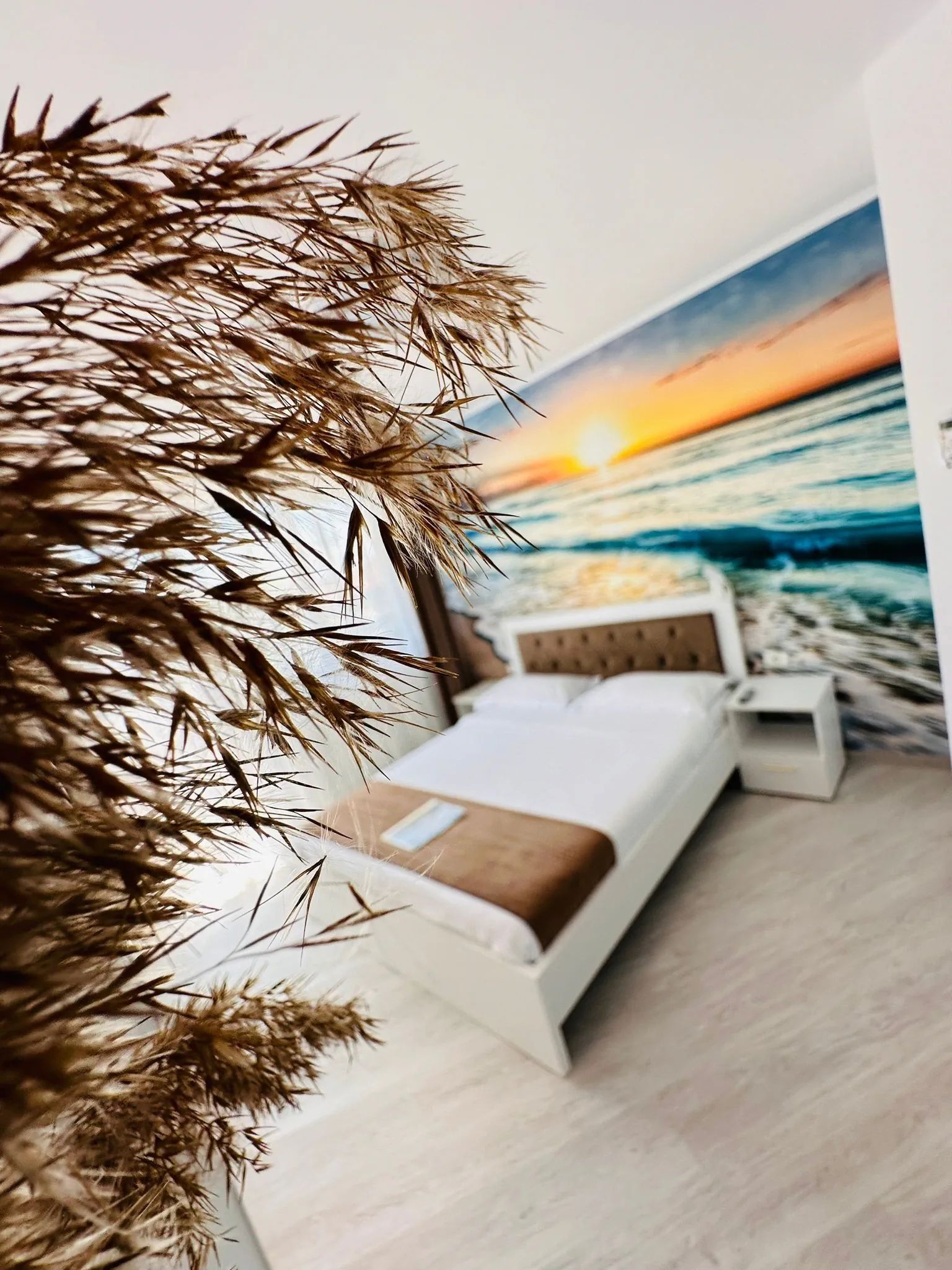
Guesthouse · 3 stars
Mangalia, Constanța County · 0.4 km
Pensiune Ianis Rooms Mangalia
Cuplurile și călătorii individuali se vor simți bineveniți la Pensiune Ianis Rooms din Mangalia, o unitate de cazare clasificată cu trei stele situată pe strada Horia Closca și Crișan. Aici veți găsi patru spații primitoare, dintre care trei camere duble matrimoniale și o cameră single, fiecare amenajată cu mobilier nou și design modern. Fiecare cameră dispune de baie proprie, aer condiționat, televizor și acces la internet wireless, iar anumite unități oferă balcon propriu, în timp ce celelalte au acces la terasa comună. Lenjeria impecabilă și prosoapele sunt incluse, iar mini-congelatorul vă permite să păstrați băuturile la rece. Pentru un sejur fără griji, vă punem la dispoziție Wi-Fi gratuit, fier de călcat și depozit pentru bagaje. Dacă aveți mașină electrică, stația de încărcare proprie vă asigură că sunteți mereu pregătiți de drum. Parcarea supravegheată video și iluminată oferă siguranță vehiculului dumneavoastră, iar zona de relaxare este perfectă pentru a vă începe diminețile liniștite. În apropiere puteți vizita Cetatea Callatis din Mangalia, Stațiunea Mangalia, Stațiunea Saturn, Saturn și Venus, explorând astfel cele mai interesante puncte din zonă. Vă așteptăm cu drag la Pensiune Ianis Rooms Mangalia.
FROM
240 lei per night
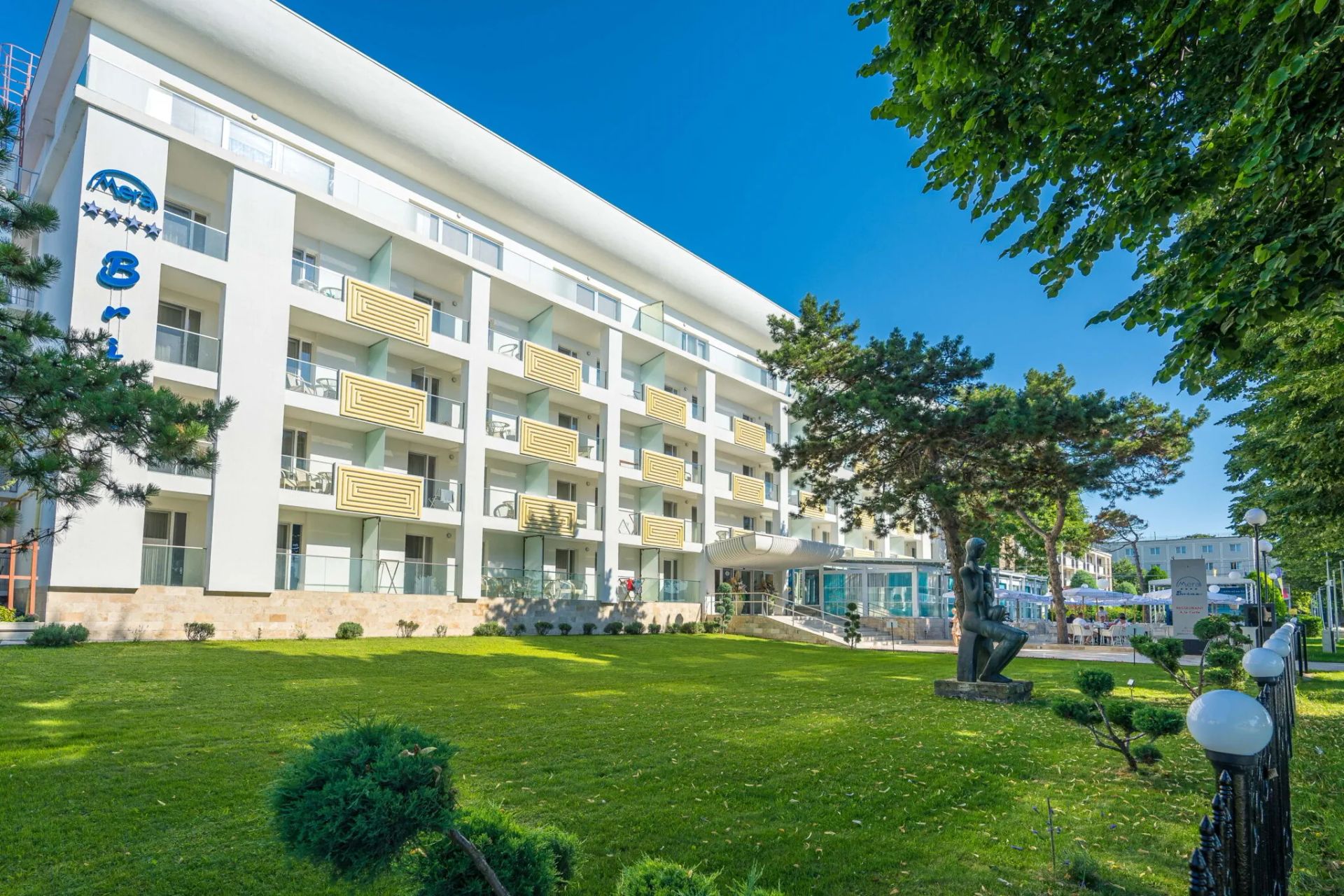
Hotel · 4 stars
Mangalia, Constanța County · 0.5 km
Mera Brise Mangalia
De pe faleza Mării Negre, hotelul Mera Brise din Mangalia oferă priveliști care se întind de la răsărit până la apus, atât în zilele cu apă calmă, cât și în cele cu valuri. Clădirea cu patru stele se află pe strada Frumoasei și primește oaspeții cu camere moderne, dotate cu aer condiționat, balcon și acces pe bază de card, într-un design contemporan. Facilitățile includ un restaurant în incintă unde puteți savura un bufet bogat la micul dejun și preparate calde pentru prânz și cină, alături de un bar pregătit cu cocktail-uri. Aveți la dispoziție Wi-Fi gratuit în întreaga unitate, ascensor, seif în cameră și un spațiu pentru depozitarea bagajelor, astfel încât șederea dumneavoastră să fie confortabilă și lipsită de griji. În apropiere se află Cetatea Callatis din Mangalia, Stațiunea Mangalia, Saturn, Stațiunea Saturn și Venus, oferindu-vă numeroase opțiuni pentru explorarea zonei și descoperirea atracțiilor locale. Această unitate este potrivită pentru turiști de toate vârstele, fie că veniți în familie, în cuplu sau împreună cu un grup de prieteni care doresc un sejur relaxant pe litoral.
FROM
420 lei per night
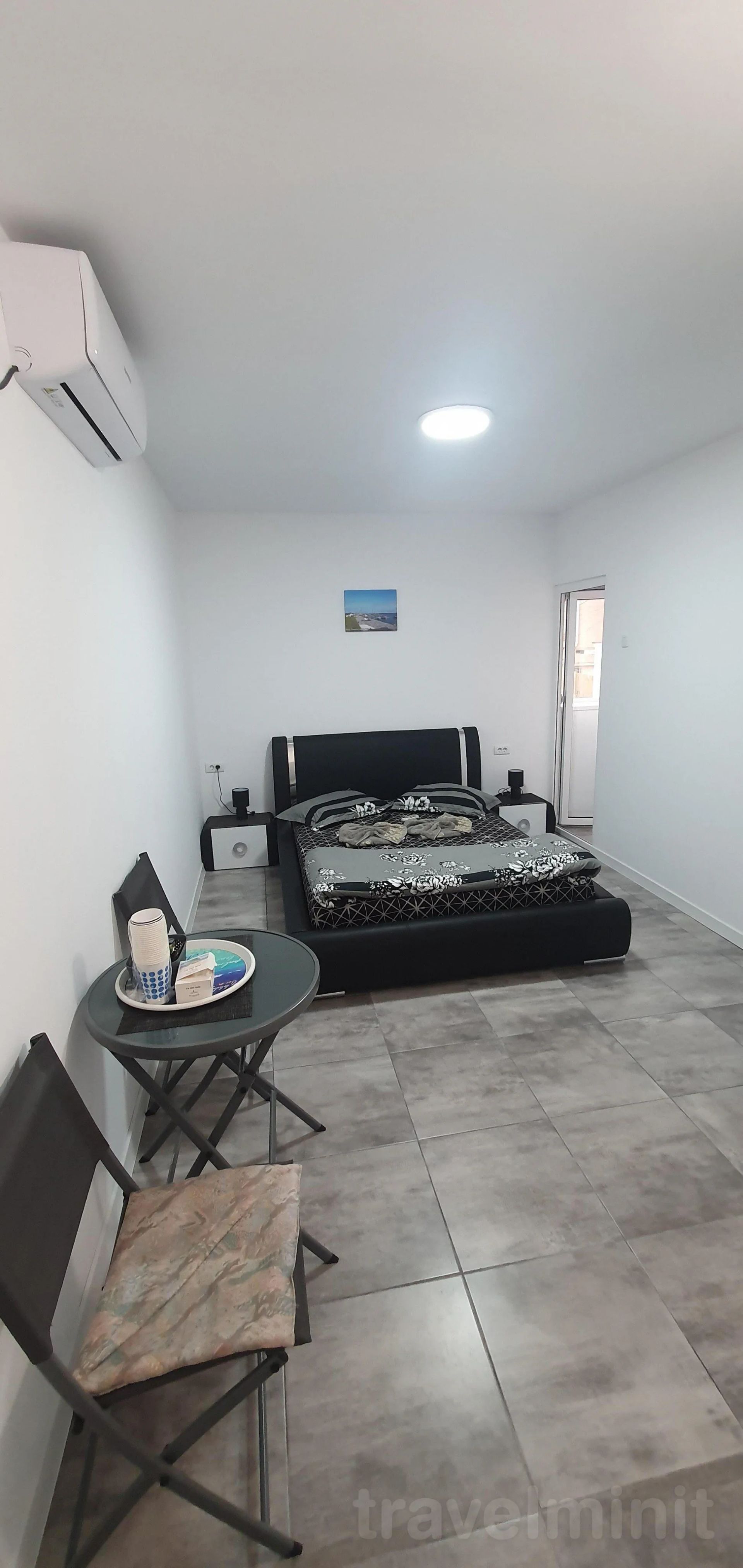
Guesthouse · 1 star
Mangalia, Constanța County · 0.5 km
Vila Theo Mangalia
Vila Theo este o pensiune turistică clasificată cu o stea, situată în localitatea Mangalia din județul Constanța, pe strada Mihai Viteazu numărul 10a. Unitatea pune la dispoziția dumneavoastră cinci camere amenajate cu grijă, oferind un cadru potrivit pentru odihnă și relaxare. Beneficiați de parcare privată gratuită și de conexiune Wi-Fi fără cost în întreaga proprietate. Pentru confortul dumneavoastră, unele camere sunt dotate cu aer condiționat, iar accesul persoanelor cu dizabilități este asigurat în incinta vilei. Ziua de cazare începe la ora 14:00, iar eliberarea camerelor se face până la ora 11:00. Personalul comunică în limba română, engleză, franceză și italiană și vă stă la dispoziție pentru orice informații suplimentare pe toată durata șederii dumneavoastră. În apropiere puteți vizita Cetatea Callatis din Mangalia, Stațiunea Mangalia, Saturn, Stațiunea Saturn și Venus. Aceste obiective turistice vă oferă ocazia de a descoperi istoria și atracțiile din zonă. Vă așteptăm să porniți în explorarea Cetății Callatis din Mangalia și să descoperiți împrejurimile acestui oraș.
FROM
190 lei per night
BEFORE YOU HIT THE ROAD
Weather conditions in Constanta
Local forecast for Mangalia, Constanta, Constanța

Real-time updated weather data
Much more to explore in this area
Nearby tourist attractions


Constanta, Constanța County
Mamaia resort.
Situata la nord de municipiul Constanta, intre Marea Neagra si Lacul Siutghiol; cartier al municipiului Constanta, are foarte putini locuitori, dar este...
44.2 km
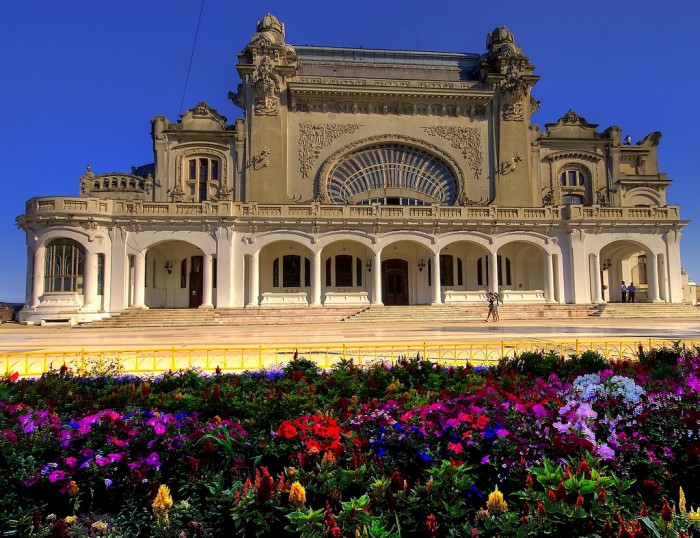
Constanta, Constanța County
The casino in Constanta.
Situat pe bulevardul Elisabeta, nr. 2, municipiul Constanta; in trecut, in aceasi locatie era amplasata o "cazina" (1880 - 1902) - constructie din lemn unde se...
39.8 km
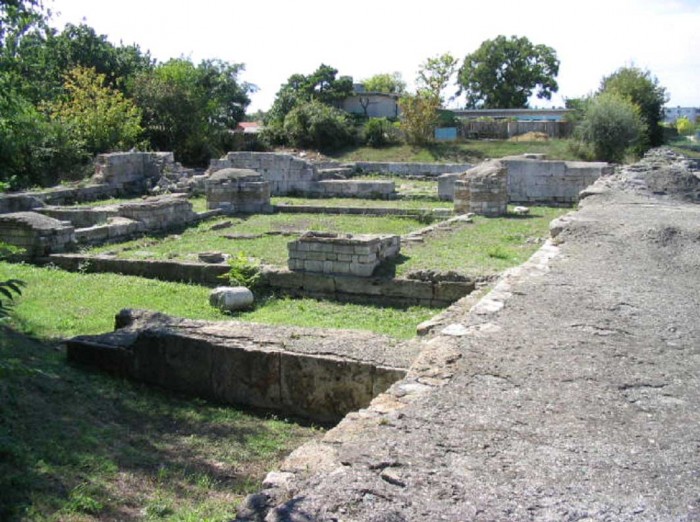
Constanta, Constanța County
Callatis Fortress in Mangalia
Situata pe teritoriul municipiului Mangalia, intre Sanatoriul balnear, Casa de Cultura, strada Constantei, Geamie si intrarea in portul comercial; intemeiata...
0.8 km
Constanta, Constanța County
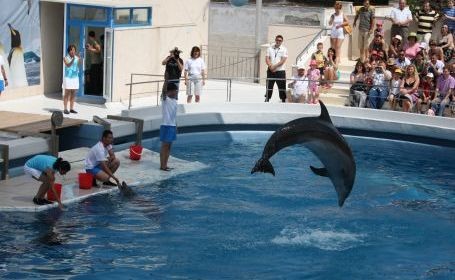
Natural Sciences Museum Complex in Constanța
Situat pe bulevardul Mamaia, nr.255, municipiul Constanta; la inceputul existentei a fost format din sectii individuale, unite sub denumirea "Complexul muzeal...
43.6 km

Constanța, Constanța County
Mamaia
Localitate componentă a municipiului Constanța, județul Constanța, România
47.8 km
Constanta, Constanța County
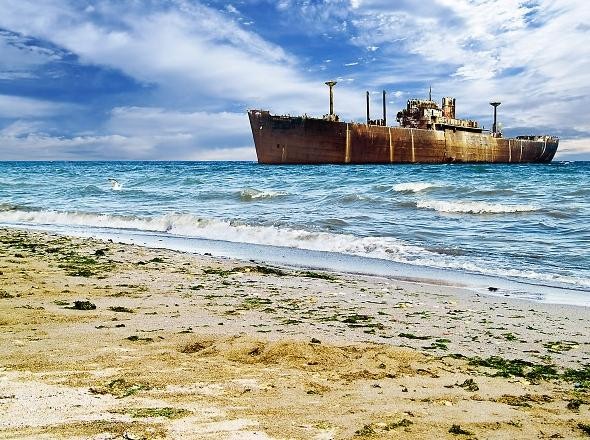
Costinești Resort
Este situata in prelungirea satului Costinesti, la 31 km sud de municipiul Constanta, invecinandu-se la nord cu comuna Tuzla si la sud cu Statiunea Olimp;...
15.3 km

Mangalia, Transylvania
Neptun Resort
Localitate componentă a municipiului Mangalia, județul Constanța, România
5.7 km

7.3 km

Mangalia, Transylvania
Olimp Resort
Localitate componentă a municipiului Mangalia, județul Constanța, România
7.7 km
Constanta, Constanța County
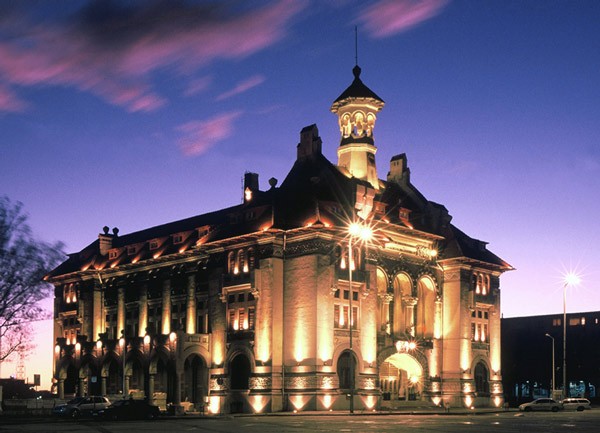
National Museum of History and Archaeology in Constanța
Situat in Piata Ovidiu, nr. 12, municipiul Constanta; infiintat in anul 1878, cu ajutorul lui Remus Opreanu; la inceput a functionat in cladirea prefecturii si...
40.1 km
Constanta, Constanța County
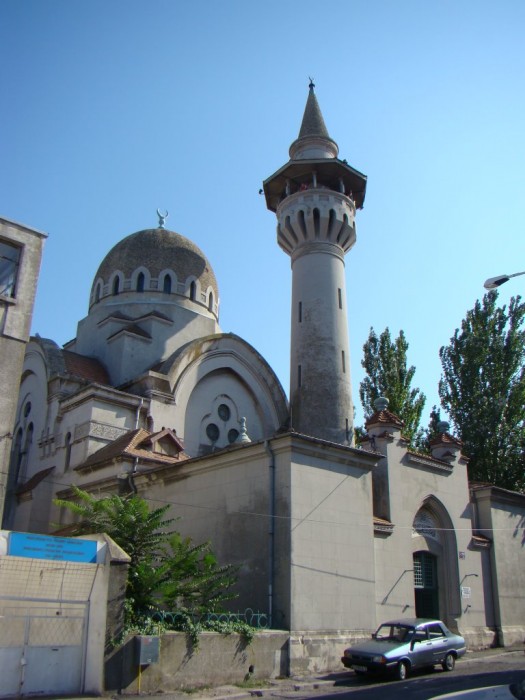
Great Mosque of Constanța (Carol I Mosque)
Situata pe strada Arhieoiscopiei nr. 5 din municipiul Constanta; construita intre anii 1910 - 1912, mai poarta denumirea de "Moscheea Carol I"; planurile au...
40.1 km

Eforie, Constanța County
Eforie Nord
Situata in orasul Eforie, la 14 km de municipiul Constanta; amplasata la altitudinea de 6 - 20 m peste nivelul marii; statiune cu caracter permanent, are...
27.8 km
Cultural life and traditions
Events in the Mangalia area
Medieval festivals, traditional fairs, concerts and local activities recommended in Dobruja.

Traditions and Crafts

Constanta, County of Constanța
Days of Local Culture and Traditional Tourism
Open workshops featuring pottery, wood carving, and authentic folklore demonstrations by local artisans.
WHEN
May 15-17, 2026


Traditional Cuisine
Constanta, County of Constanța
The Fair of Traditional Products and Local Cuisine
Traditional products, aged cheeses, mountain honey and local delicacies prepared according to ancient recipes.
WHEN
Every weekend

Culture and Photography
Constanta, County of Constanța
Themed and Photographic Guided Tour of Cultural Heritage
A guided tour designed for history buffs, nature lovers, and photography enthusiasts, showcasing the most spectacular views in the area.
WHEN
Daily schedule available upon request
On foot, exploration gains depth
Discover the surroundings and local geography
Explore the trails, terrain, and natural landmarks around Mangalia.

Guides and practical tips
Useful travel articles
Travel guides, practical recommendations and tourist itineraries for Dobruja.

Tourist guide
Top 5 Atracții Turistice și Trasee Montane în Zona Moieciu - Bran
Descoperă cele mai spectaculoase peisaje carstice, chei adânci și cetăți medievale din imediata apropiere a stațiunii Moieciu.

Tourist guide
Ghid de Drumeție: Traseul Moieciu de Sus spre Platoul Bucegi
Un itinerariu montan de o frumusețe rară ce urcă din Valea Băngăleasa spre Poiana Guțanu și crestele maiestuoase ale Bucegilor.

Tourist guide
Castelul Bran: Istorie, Legende și Secrete Medievale
Află adevărata poveste a fortăreței medievale din Pasul Bran, reședința de suflet a Reginei Maria a României.
THE JOURNEY STARTS WITH AN IDEA
The next story is on the way.
From the first stop to the last stay, make room for a new Romania.
