


MUSEUM · TRANSYLVANIA
Transylvania Ethnographic Museum

Apahida, Cluj County
Add location to your trip planner.

Practical access information

VISITING HOURS
Monday: 12:00 PM – 5:00 PM · Tuesday–Sunday: 9:00 AM – 5:00 PM (in summer until 8:00 PM)

TICKET PRICE
Adults: 45 RON · Students: 11 RON · Seniors: 23 RON · Guided tour included

RECOMMENDED VISIT DURATION
2-3.5 hours
Visitor information and guide
 Navigate with Google Maps

ABOUT TRANSYLVANIA ETHNOGRAPHIC MUSEUM
A Temple of Collective Memory in the Heart of Transylvania
In the historic center of Cluj-Napoca, a city that was once the capital of the autonomous Principality of Transylvania and today pulses as the cultural metropolis of northwestern Romania, stands the Transylvania Ethnographic Museum. This institution safeguards over ninety-eight thousand artifacts of rural civilization from this part of Europe. Founded in 1922, during a period of cultural effervescence following the Great Union, the museum is not merely a treasure trove of objects but a true sanctuary of Central European identity. Here, the collective memory of the Transylvanian village intersects with the grand artistic and historical currents of the continent. The building that houses the collections, known as the Reduta, is itself a living monument—a palimpsest of architectural styles blending Renaissance, Neo-Gothic, and Eclecticism, reflecting the successive layers of urban history in the heart of Europe. Together with its open-air section in the Romulus Vuia National Ethnographic Park, located at the edge of the Hoia Forest, the institution offers a profound cultural experience, essential for understanding the ethnic mosaic and traditions that have defined this border region between East and West. It is considered one of the most important ethnographic museums in Southeastern Europe, alongside those in Prague, Budapest, and Warsaw.
From Roman Citadel to Cultural Bastion: Historical Roots and European Connections
The history of the site now occupied by the Transylvania Ethnographic Museum stretches back to antiquity, beginning with the period when Napoca was a flourishing Roman colony, Colonia Aurelia Apulensis, part of the vast Roman Empire that left behind paved roads, baths, and foundations that underpin the modern city—much like other former Roman settlements in Pannonia or Dacia. In the Middle Ages, Cluj (known as Kolozsvár in Hungarian and Klausenburg in German) became a major commercial hub of the Kingdom of Hungary, a fortified city where Saxon merchants, Hungarian traders, and travelers from across Central Europe gathered, forming a cosmopolitan community characteristic of Hanseatic cities or those of the Hanseatic League. The Reduta building traces its roots to the 16th century, preserving a precious Renaissance doorframe dated 1604, a period when Transylvania, though autonomous under Ottoman suzerainty, was open to Italian and Central European artistic influences—much like the great cities of the Holy Roman Empire or the Venetian Republic, where Renaissance art transformed the urban landscape. In the 18th century, when the region was part of the Habsburg Empire, the building was renovated, its medieval Gothic style transformed into Neo-Gothic. During this time, it housed the renowned Calul Bălan Inn, a commercial meeting point typical of Habsburg cities like Vienna, Prague, or Budapest, where travelers found rest and exchanged goods along Europe’s great trade routes, from the Silk Road to the Alpine passes. The current façade dates to the 19th century, when the building became an important political and administrative center of the Austro-Hungarian Monarchy, reflecting the urban ambitions of an era in which Cluj transformed into a modern, European city with wide boulevards and prestigious cultural institutions.
The Reduta’s Architecture: A Palimpsest of European Styles
The building that now houses the museum’s collections is a true architectural palimpsest—a stone document of Europe’s stylistic evolution over four centuries. The Renaissance portal from 1604, with its classical ornaments, proportioned columns, and decorated pediments, evokes Florentine palaces or villas from the Low Countries, bearing witness to an era when Italian art permeated Transylvania through trade and diplomacy, in a continuous cultural exchange with the heart of Europe. The Neo-Gothic transformation in the 18th century introduced vertical elements and pointed-arch windows, evoking the European Romanticism that would later flourish in the following century. Meanwhile, the Eclectic façade of the 19th century blends classicist motifs with decorative details typical of Central European bourgeois architecture, reflecting the multicultural spirit of the Austro-Hungarian Empire. The grand hall on the upper floor, with its high ceiling, elegant stucco work, and remarkable acoustics, has silently witnessed pivotal moments in national and European history. In 1894, it hosted the Trial of the Memorandumists, a crucial episode in the struggle for the rights of Romanians in Transylvania within the multinational context of the Austro-Hungarian Empire—a trial that drew international attention, much like other famous cases of civil rights struggles in Europe at the time, such as the Dreyfus Affair in France or political trials in unified Italy. Over time, this hall has resonated with the music of masters like Franz Liszt, who performed here during the Hungarian musical Romanticism, Béla Bartók, who studied Transylvanian folk music alongside Zoltán Kodály, contributing to the international recognition of Romanian musical heritage, and George Enescu, Romania’s musical genius. Today, it continues to host high-caliber concerts that blend tradition with contemporaneity, much like the philharmonic halls of Vienna or Budapest.
The Ethnographic Treasure: A Mosaic of Civilizations in Dialogue
The museum’s collections include artifacts acquired through rigorous field research from all ethnographic regions of Transylvania and the surrounding extra-Carpathian areas, originating from all cohabiting ethnic groups: Romanians, Hungarians, Saxons, Szeklers, Roma, and Jews, alongside a series of extra-European objects that open global perspectives on human heritage, reflecting the European colonial era and Western curiosity for the exotic. This diversity mirrors the specificity of Transylvania as a border region—a true cultural crucible where Byzantine, Ottoman, Habsburg, and Central European influences met and intertwined over the centuries, creating a unique heritage in Europe. The permanent exhibition unfolds across fifteen thematic sectors covering the entire spectrum of traditional life: from beekeeping, agriculture, viticulture, and fruit growing to crafts, textiles, folk costumes, and customs from the life cycle and annual festivals. Woodworking techniques, textile embroidery, and ceramics present fascinating parallels with folk art from the Balkans, the Alps, or the Carpathians, demonstrating that, despite geographic isolation, rural communities in Eastern Europe developed similar artistic solutions in response to climatic and material challenges, with geometric and floral motifs reminiscent of Slavic, Hungarian, or German folk art. The collections also include religious objects from Orthodox and Greek-Catholic traditions, with Byzantine iconography, as well as pieces from Jewish workshops, reflecting the religious tolerance characteristic of Transylvania. Photographs made from the institution’s old glass negatives, dating to the interwar period, bring visitors closer to the atmosphere of the archaic Transylvanian village, offering an authentic immersion into a past where technology was still gentle with nature—much like the French or German villages photographed by the great masters of the era, documenting costumes, architecture, and customs before their disappearance under the pressure of modernization.
Romulus Vuia National Ethnographic Park: An Open-Air Sanctuary
On the immediate outskirts of the mysterious Hoia Forest, known for its unexplained phenomena and local legends that link it to other enigmatic forests in Europe like Rendlesham or Germany’s Black Forest, at the edge of Cluj-Napoca, the Romulus Vuia National Ethnographic Park stretches across fifteen hectares. Here, time seems to have stood still. Established in 1929 by ethnologist Romulus Vuia, this was Romania’s first open-air museum and the sixth of its kind in Europe, part of a broader European movement to preserve vernacular architecture that gained momentum in the first half of the 20th century. Inspired by the Swedish model Skansen in Stockholm, founded by Arthur Hazelius in 1891, and similar initiatives in Norway, Denmark, Switzerland, and Poland, it spread the idea that material heritage must be saved from disappearance by relocating it to open-air museums. During World War II, the exhibits were destroyed by fire by retreating troops, a tragedy that erased nearly the entire accumulated heritage, leaving only the house from Vidra as a silent witness to the wartime destruction of culture—similar to the losses suffered by other European museums during the world conflicts, such as those in Warsaw or Dresden. Today, the park showcases peasant households and technical installations from most regions of Transylvania, meticulously reconstructed after the original models. It is one of the largest and best-preserved open-air museums in Southeastern Europe. In this archaic setting stand three wooden churches, including the one from Cizer, built by Horea, the leader of the 1784 peasant uprising—a moment that resonates with freedom and justice movements across Enlightenment Europe, from the French Revolution to the peasant uprisings of Russia’s Pugachev or the serf movements in the Netherlands, demonstrating the solidarity of aspirations for human dignity beyond imperial borders.
Turning Points and Notable Figures
The museum’s history is marked by figures who changed the course of Romanian and European culture. Its founding in 1922, during the interwar period, coincided with efforts to consolidate Greater Romania’s national identity, with the museum becoming an essential tool for asserting cultural identity in a Europe rebuilding after World War I—much like the role played by other national museums in Poland, Czechoslovakia, or Yugoslavia, all striving to define and preserve heritage in the new nation-states. Romulus Vuia, the founder of the open-air park, was a visionary who understood that traditional architecture was rapidly disappearing in the face of industrial and urban modernization, and that preserving it in an open-air museum was a civilizing mission for future generations—akin to the efforts of Hazelius in Sweden or other pioneers of European ethnography. The Trial of the Memorandumists in 1894, held in the Reduta, represented a turning point in the struggle for the emancipation of Romanians in Transylvania, and the condemnation of the movement’s leaders sparked a wave of sympathy across Europe, from French to British and Italian newspapers, demonstrating that the fight for minority rights was a common European cause, not merely a local one. Horea’s Church in the ethnographic park represents a physical link between the museum and a revolutionary moment that shook the Habsburg Empire, reminding visitors that heritage is not just about a distant and peaceful past but also about moments when ordinary people made history and changed the course of events. The musical presence of Bartók in Transylvania, as he collected folk melodies for his collections alongside Kodály, placed the region on the map of European classical music, transforming the Transylvanian village into a wellspring of inspiration for modern art, influencing compositions that were performed in the world’s great concert halls, from Carnegie Hall to the Royal Albert Hall.
Visitor’s Guide: A Journey Through Time and Space
Visiting the Transylvania Ethnographic Museum is an experience that requires time and tranquility, ideally spanning half a day or even a full day, allowing for complete immersion in the traditional world. Begin at the central headquarters on Memorandumului Street, where you will explore the fifteen sectors of the permanent exhibition, paying special attention to the folk costume collections. These vary from the sophisticated, geometric embroidery of the Sibiu region to the colorful, ornate textiles of Maramureș, each piece telling a story of ethnic identity and social status—comparable to the traditional costume collections in museums in Edinburgh or Oslo. Listen carefully to the details of the Trial of the Memorandumists in the Grand Hall, feeling the historical weight of the room where the future of a nation was decided and where operas and symphonies were performed, understanding that this space witnessed both oppression and cultural resistance. Then, take the tram or drive to the Romulus Vuia National Ethnographic Park, located at the edge of the Hoia Forest, a place steeped in mystery and local legends. Here, you can wander among the wooden houses, step inside Horea’s Church, and let the profound tranquility of this open-air sanctuary envelop you. Every object, from the potter’s wheel to the loom, from the plow to the ornate scythe, speaks of a world where community and tradition were fundamental to survival. If your schedule allows, return to the Reduta in the evening for a chamber or classical music concert, feeling how European music resonates in the same hall where destinies were judged and operas were sung, experiencing the cultural continuity between past and present. The visit is harmoniously complemented by a stroll through Cluj-Napoca’s historic center, just a few minutes’ walk away, where literary cafés, Secessionist architecture, and Union Square with St. Michael’s Church complete the portrait of a European metropolis with deep rural roots, offering a comprehensive image of a city that knows how to preserve its memory while looking to the future.
Media gallery
Discover Transylvania Ethnographic Museum in pictures

2 photos · Architecture, courtyards and captivating details


Image source: Wikimedia Commons · Public domain photos · Free license
STAY A FEW DAYS, DISCOVER THE MAGIC
Accommodation in the Transylvania Ethnographic Museum area

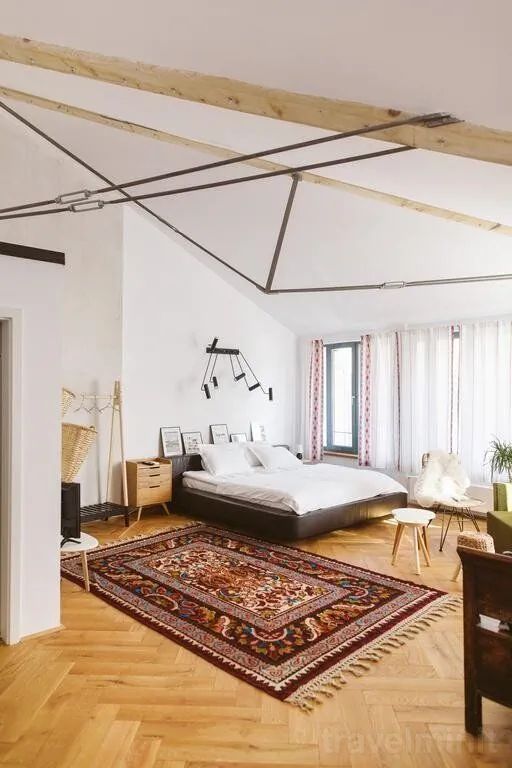
Apartment · 3 stars

Cluj-Napoca, Cluj County · 0.2 km
Apartament Camino Home 2 Cluj-Napoca
Pe strada Samuil Micu din Cluj-Napoca se află Apartament Camino Home 2 Cluj-Napoca, un apartament de închiriat clasificat cu trei stele. Unitatea dispune de opt camere amenajate cu grijă, oferind un spațiu primitor și funcțional pentru familii sau grupuri de călători care doresc să se simtă confortabil în acest oraș. Pentru șederea dumneavoastră, beneficiați de acces la Wi-Fi gratuit disponibil în întregul apartament, aer condiționat și un pătuț pentru bebeluș. Unele camere sunt dotate individual cu aer condiționat, astfel încât vă puteți regla temperatura după propriile preferințe. De asemenea, accesul cu animale de companie este permis contra cost. Check-in-ul se realizează de la ora 14:00, iar check-out-ul până la ora 11:00. Personalul vorbește limbile maghiară, engleză, germană, română și italiană. În vecinătate se găsesc obiective turistice deosebite pe care le puteți vizita cu ușurință: Biserica Sfântul Mihail din Cluj, Muzeul Național de Istorie Cluj-Napoca, Muzeul de Artă Cluj Napoca, Cetățuia din Cluj și Mănăstirea Nicula. Fiecare dintre acestea vă oferă ocazia de a descoperi istoria, arta și tradițiile spirituale ale zonei. Vă așteptăm cu drag să vă bucurați de șederea dumneavoastră și să porniți apoi la explorarea Muzeului Național de Istorie Cluj-Napoca.
FROM
230 lei per night

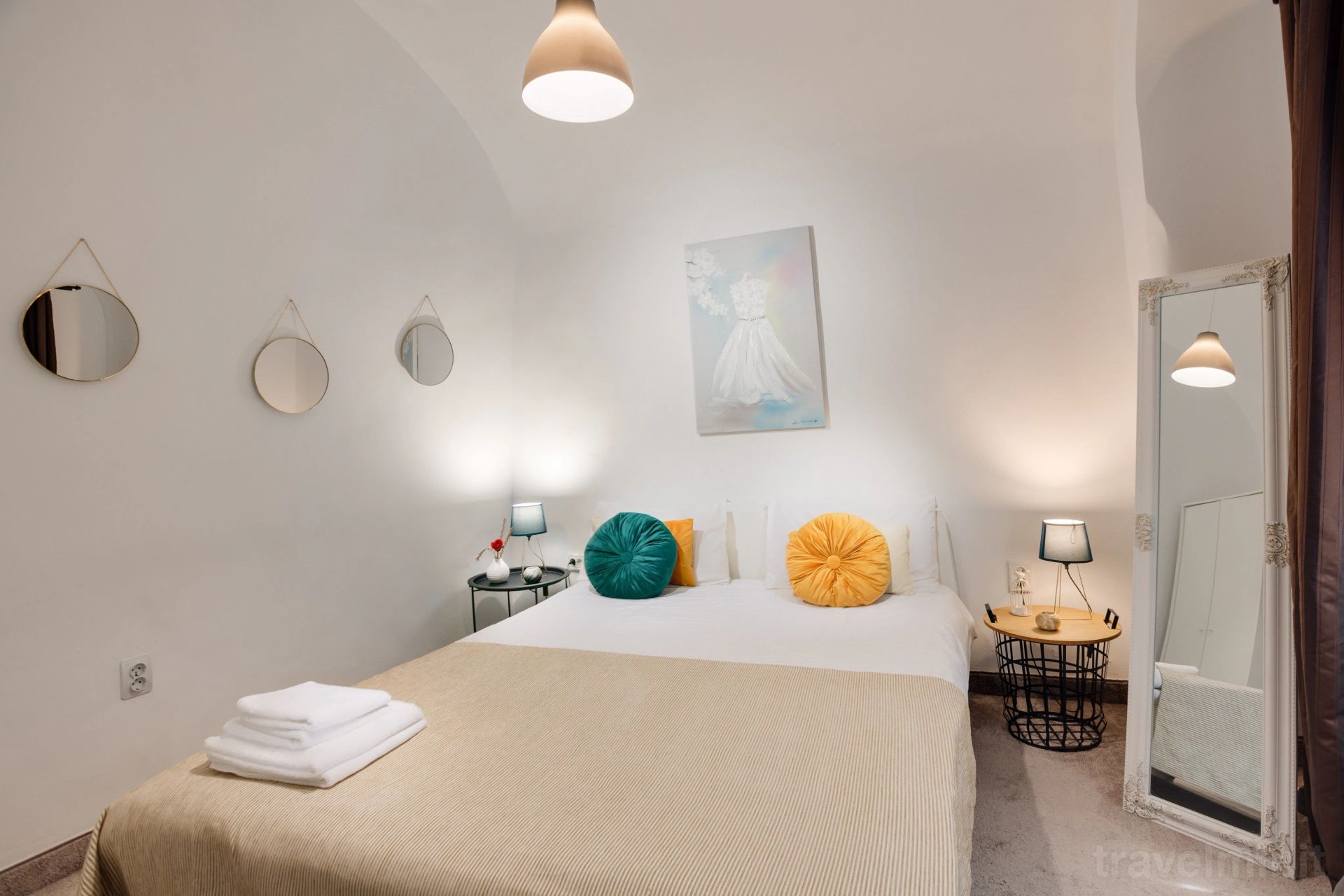
Holiday home · 1 star
Cluj-Napoca, Cluj County · 0.2 km
Perfect Stay Accomodation Cluj-Napoca
Perfect Stay Accomodation Cluj-Napoca este o casă de închiriat situată pe bulevardul Regele Ferdinand din Cluj-Napoca, la parterul unei clădiri, adresată familiilor sau grupurilor de prieteni care caută un spațiu intim și funcțional pentru șederea lor în oraș. Unitatea pune la dispoziție o cameră modern mobilată, echipată cu grup sanitar propriu și conexiune Wi-Fi gratuită, oferind condiții practice pentru relaxare după o zi petrecută în explorarea orașului. Locația avantajoasă vă permite să descoperiți cu ușurință principalele puncte de interes din zonă. În apropiere se află Biserica Sfântul Mihail din Cluj, Muzeul Național de Istorie Cluj-Napoca, Muzeul de Artă Cluj Napoca, Cetățuia din Cluj și Cetatea Clujului, fiecare dintre acestea reprezentând o oportunitate autentică de a cunoaște istoria, arhitectura și cultura bogată a municipiului. Toate aceste locuri se află la îndemână, oferindu-vă posibilitatea de a organiza itinerarii variate pe parcursul șederii dumneavoastră. Programul de primire începe la ora 15:00, iar predarea cheilor se face până la ora 11:00. Personalul comunică în limbile română, engleză, germană și spaniolă, asigurând un dialog facil indiferent de originea dumneavoastră. Plata se poate realiza prin numerar, card bancar sau transfer bancar, oferind flexibilitate în modalitatea de achitare. Vă așteptăm la Perfect Stay Accomodation Cluj-Napoca.
FROM
280 lei per night
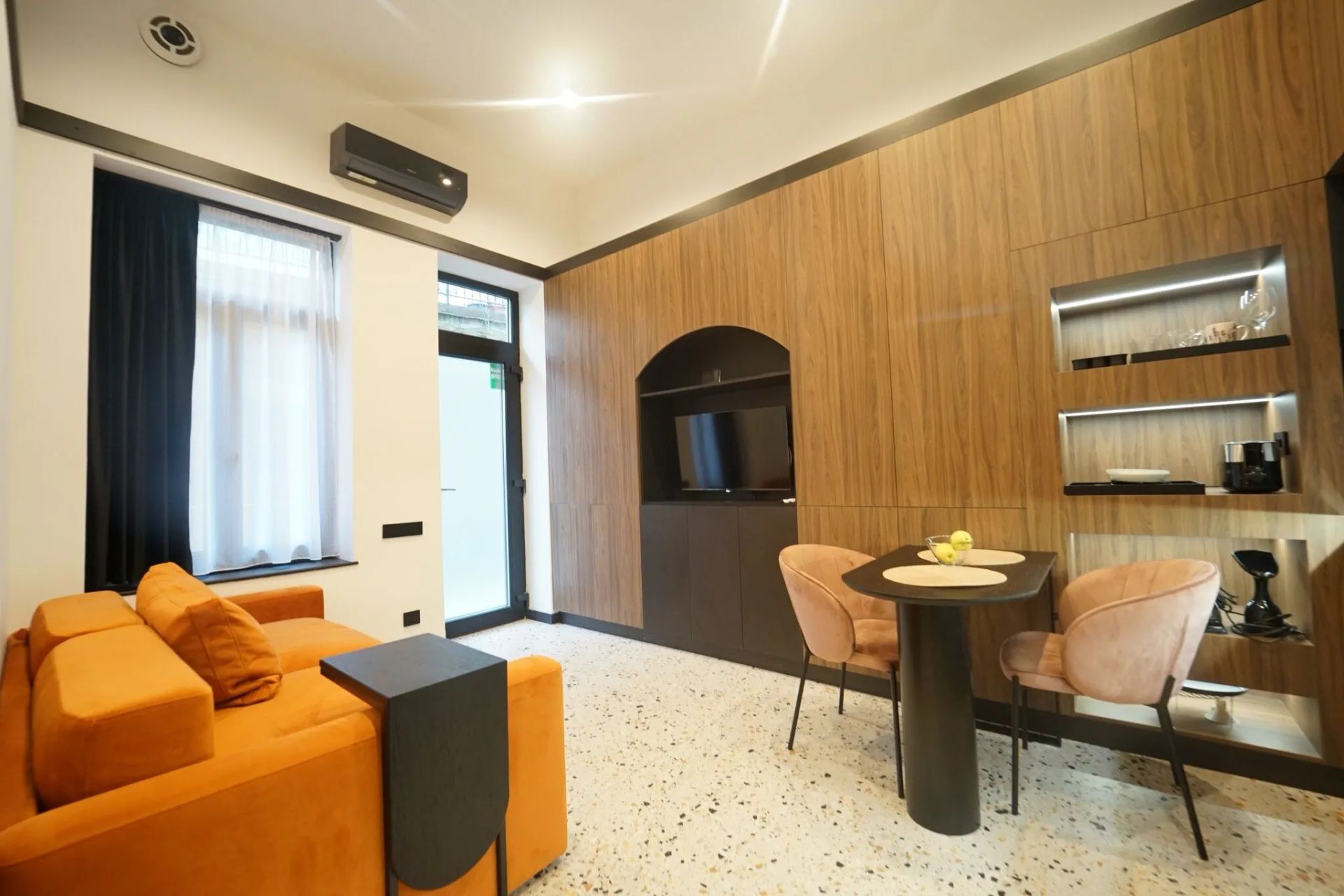
Apartment · 3 stars
Cluj-Napoca, Cluj County · 0.2 km
Apartament Jais Home Moon Cluj-Napoca
În curtea largă și grădina amenajată a apartamentului Jais Home Moon din Cluj-Napoca, aerul proaspăt și liniștea vă înconjoară departe de aglomerația străzilor centrale. Unitatea se află chiar în Piața Muzeului, oferind un punct de plecare excelent pentru explorarea centrului istoric al orașului. Restaurantul și cafeneaua din incintă vă pun la dispoziție preparate gustoase și băuturi aromate, iar conexiunea Wi-Fi gratuită asigură acces la internet pe toată durata șederii dumneavoastră. Pentru confortul maxim, aveți la dispoziție fier de călcat și puteți solicita meniuri adaptate pentru diete speciale la cerere. În immediate apropiere se află Biserica Sfântul Mihail din Cluj, Muzeul Național de Istorie Cluj-Napoca, Muzeul de Artă Cluj Napoca, Cetățuia din Cluj și Mănăstirea Nicula, oferind oportunități variate pentru vizite culturale și momente de relaxare în aer liber. Pentru cei care călătoresc cu vehicul electric, unitatea pune la dispoziție o stație de încărcare în incintă, facilitând astfel deplasările prin oraș și împrejurimile sale pitorești fără griji. Seara, după ce ați vizitat obiectivele din apropiere, vă puteți retrage în grădina amenajată pentru a savura o cafea în aer liber.
FROM
230 lei per night
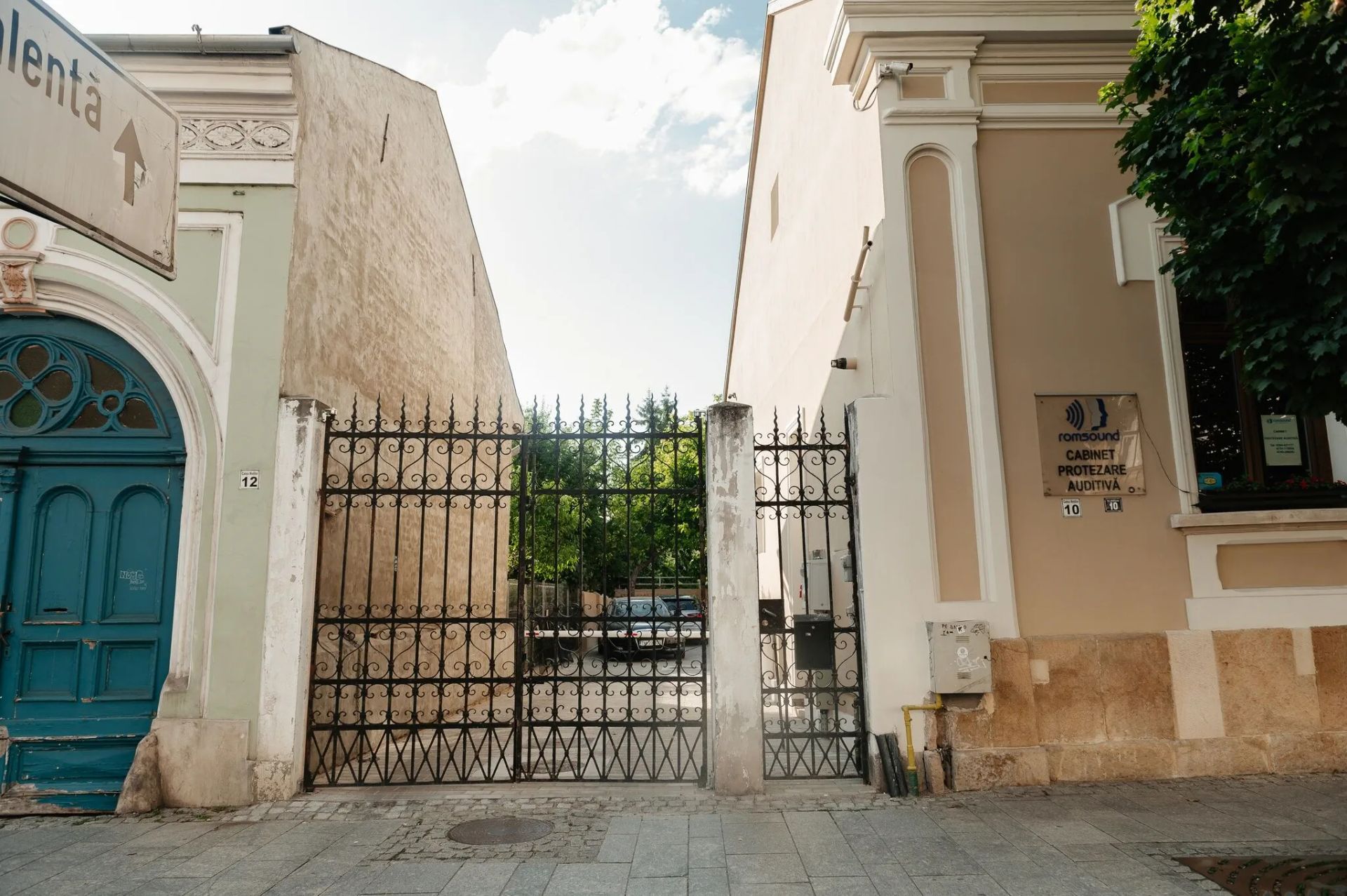
Holiday home · 4 stars
Cluj-Napoca, Cluj County · 0.3 km
Casa Botar Cluj-Napoca
O zi petrecută aici începe cu acces la internet prin Wi-Fi gratuit și cu mașina parcată în siguranță la parcare privată gratuită, chiar la unitate, la Casa Botar Cluj-Napoca din Cluj-Napoca. Această casă de închiriat integral, clasificată cu 4 stele și situată la strada Motilor 10, pune la dispoziția dumneavoastră șase camere moderne și primitoare, pregătite cu grijă pentru un sejur confortabil. Spațiul este amenajat pentru a oferi liniște și intimitate atât turiștilor, cât și celor care călătoresc în interes de afaceri. În imediata apropiere puteți vizita Biserica Sfântul Mihail din Cluj, Muzeul Național de Istorie Cluj-Napoca, Muzeul de Artă Cluj Napoca, Mănăstirea Nicula și Cetățuia din Cluj. Aceste obiective culturale și istorice completează perfect un sejur în oraș, fiind ușor de accesat din poziția centrală de pe strada Motilor. Vă așteptăm să vă bucurați de toate aceste facilități într-un cadru liniștit, dar bine conectat, unde fiecare detaliu este gândit pentru confortul dumneavoastră. Beneficiați de parcare privată gratuită direct la strada Motilor 10, asigurând un acces facil cu mașina în centrul Cluj-Napoca.
FROM
390 lei per night
Apartment · 3 stars
Cluj-Napoca, Cluj County · 0.3 km
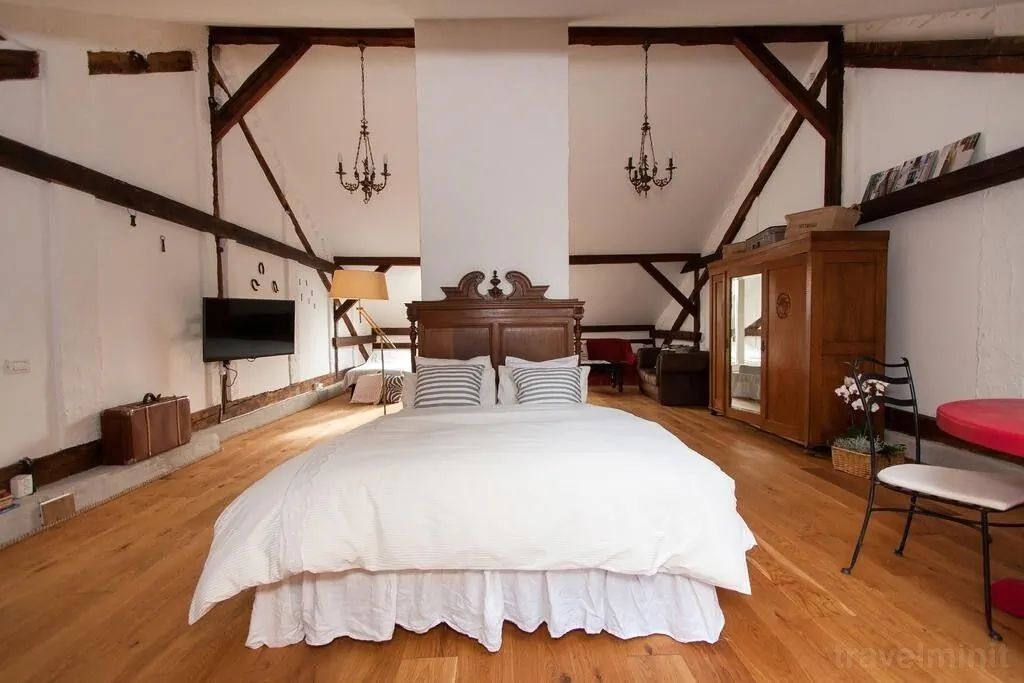
Apartament Camino Home Cluj-Napoca
Camino Home este un apartament de închiriat cu 3 stele situat în Cluj-Napoca, pe strada Iuliu Maniu 19. Spațiul oferă șase camere modern mobilate, fiecare prevăzută cu baie proprie, într-un cadru plăcut și bine întreținut. Pentru un sejur confortabil, aveți la dispoziție Wi-Fi gratuit în toate încăperile și un pătuț special pentru bebeluș. De asemenea, sunteți bineveniți împreună cu animalele de companie. Personalul de la recepție comunică în mai multe limbi străine, printre care engleză, germană, franceză, italiană și maghiară, alături de română. În apropiere puteți vizita Biserica Sfântul Mihail din Cluj, Muzeul Național de Istorie Cluj-Napoca, Muzeul de Artă Cluj Napoca, Cetatea Clujului și Cetățuia din Cluj. Aceste obiective culturale și istorice importante ale orașului se află la îndemână și pot fi explorate cu ușurință în timpul șederii dumneavoastră. Programul de primire a oaspeților începe la ora 14:00, iar eliberarea camerelor se face până la ora 11:00. Plățile pot fi efectuate prin transfer bancar, card bancar, card de vacanță sau voucher. Vă așteptăm să vă bucurați de o ședere plăcută în Cluj-Napoca.
FROM
230 lei per night
Apartment · 3 stars
Cluj-Napoca, Cluj County · 0.4 km
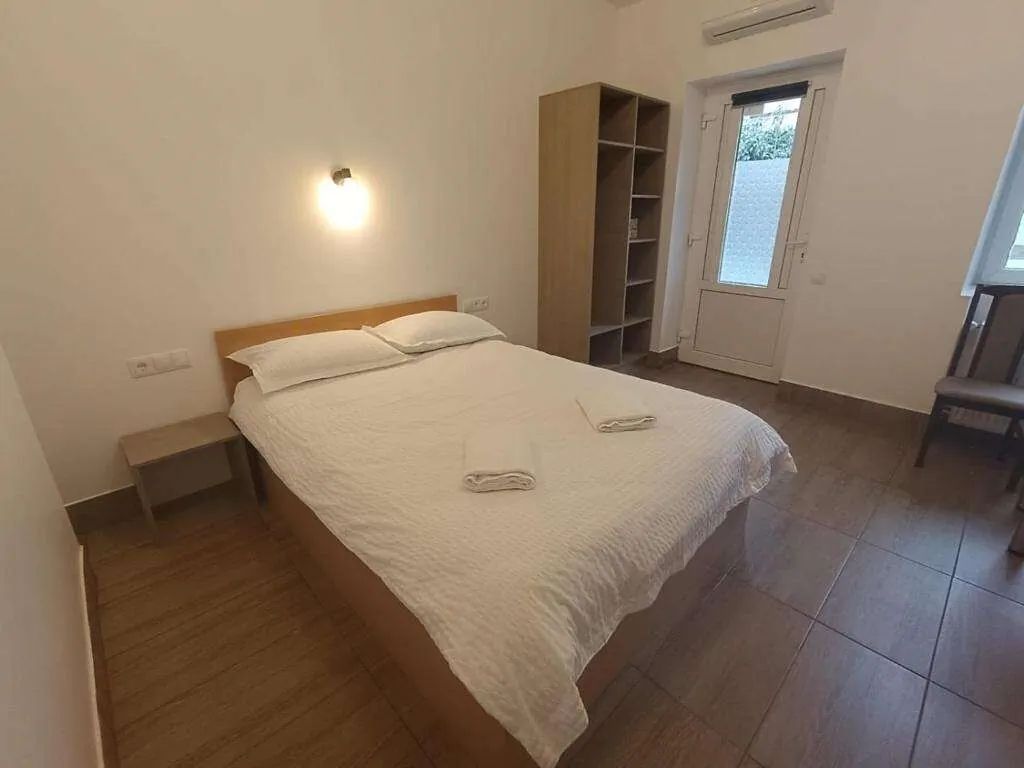
M20 Studios Cluj-Napoca
M20 Studios Cluj-Napoca este un apartament de închiriat cu trei stele situat în Cluj-Napoca, pe Calea Moților 20-22. Unitatea pune la dispoziție cinci camere amenajate cu grijă, oferind un spațiu confortabil, bine organizat și primitor pentru șederea dumneavoastră în acest oraș vibrant. Cazarea funcționează în regim fără mese incluse, astfel încât aveți libertatea de a vă organiza propriile mese după preferințe și program. Check-in-ul se efectuează începând cu ora 15:00, iar check-out-ul este până la ora 11:00. La recepție se vorbește limba română, facilitând comunicarea pe toată durata șederii dumneavoastră. Printre facilitățile disponibile se numără fierul de călcat, pus la dispoziție pentru a vă ajuta să vă pregătiți ținutele înainte de ieșiri sau întâlniri. Plata se poate realiza prin transfer bancar, card de vacanță, avans travelminit sau voucher travelminit, iar rezervarea devine fermă după achitarea unui avans. În apropiere puteți vizita Biserica Sfântul Mihail din Cluj, Muzeul Național de Istorie Cluj-Napoca, Muzeul de Artă Cluj Napoca, Mănăstirea Nicula și Cetățuia din Cluj, obiective care îmbogățesc experiența culturală a vizitei dumneavoastră și vă oferă perspective diverse asupra istoriei și artei zonei. Seara, după o zi plină de explorări în oraș, fierul de călcat vă stă la dispoziție pentru a vă pregăti hainele impecabile pentru a doua zi.
FROM
230 lei per night
BEFORE YOU HIT THE ROAD
Weather conditions in Apahida
Local forecast for Transylvania Ethnographic Museum, Apahida, Cluj

Real-time updated weather data
Much more to explore in this area
Nearby tourist attractions


Turda, Cluj County
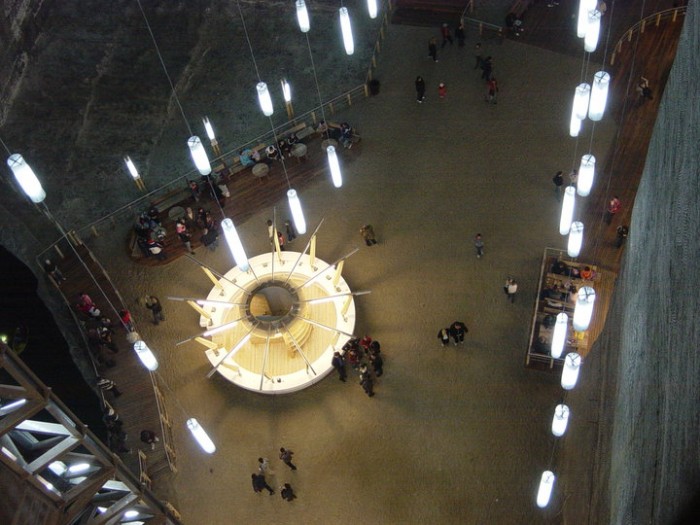
Turda Salt Mine
Se gaseste in zona Durgau-Valea Sarata din Turda; prima atestare documentara a extragerii sarii in Turda dateaza din anul 1271; cele patru mine din adancurile...
25.3 km
Apahida, Cluj County
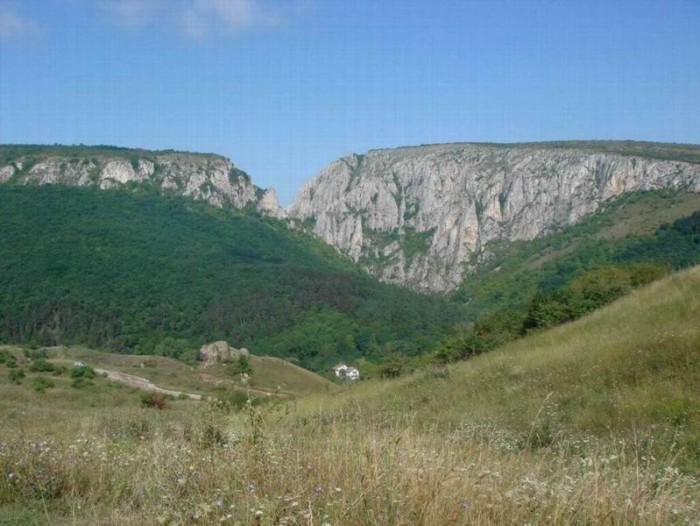
Turda Gorge
Situate la o distanta de 6 km vest de Turda, de-a lungul Vaii Hasdate; ocupa o suprafata de 324 ha si s-au format prin erodarea rocii de calcar jurasic;...
23.9 km

Apahida, Cluj County
St. Michael's Church, Cluj-Napoca
Situata in Piata Unirii, Cluj-Napoca; istoria bisericii Sfantul Mihail coincide cu inceputurile Clujului ca si oras; biserica a fost inaltata pe un teren care...
0.2 km
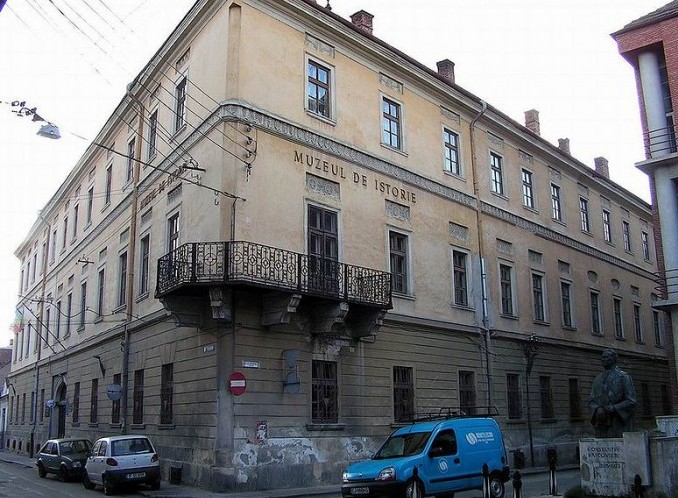
Apahida, Cluj County
National Museum of History of Cluj-Napoca
Situat pe strada Constantin Daicoviciu 2, Cluj-Napoca; cunoscuta si drept Casa Petrechevich-Horvath drept, este continuatorul primei asociatii muzeale din...
0.1 km

Apahida, Cluj County
Art Museum of Cluj-Napoca (Bánffy Palace)
Situat in Piata Unirii 30, Cluj Napoca; infiintat ca institutie in anul 1951, muzeul functioneaza din anul 1956 in Palatul Banffy, o cladire baroca construita...
1.0 km
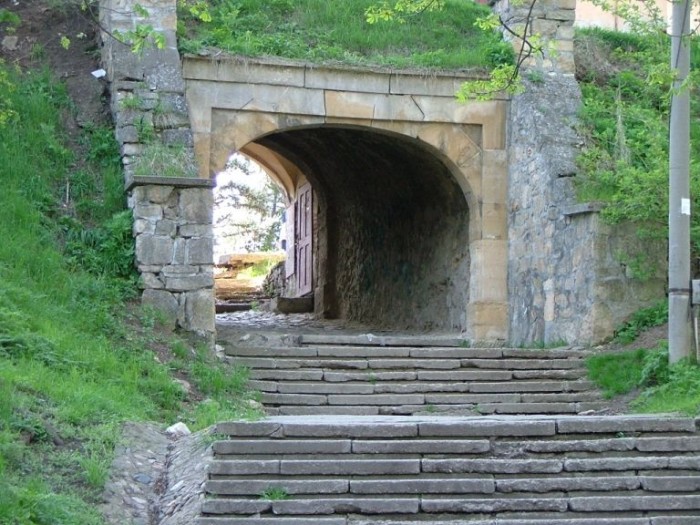
Apahida, Cluj County
Cluj Citadel (Cetățuia)
La fel ca si Cetatea din Alba Iulia, Cetatuia a fost proiectata de arhitectul militar italian Giovanni Morandi Visconti, in timpul guvernarii militare a...
0.7 km
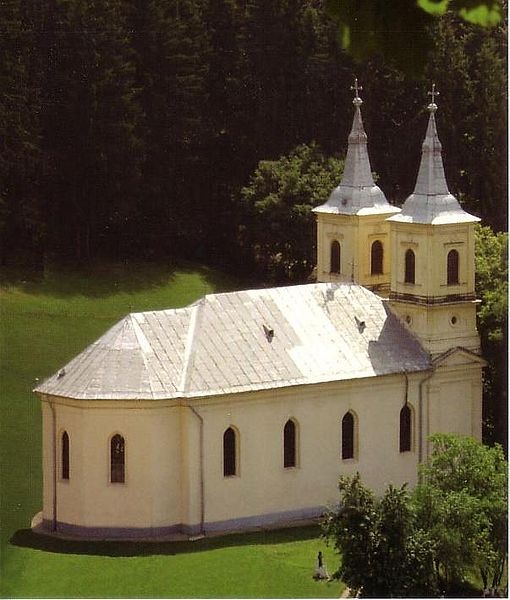
Nicula, Cluj County
Nicula Monastery
Situata in localitatea Nicula, orasul Gherla; manastire de calugari; poarta urmatoarele hramuri: Adormirea Maicii Domnului, Sfantul Nicolae, Buna Vestire;...
0.9 km
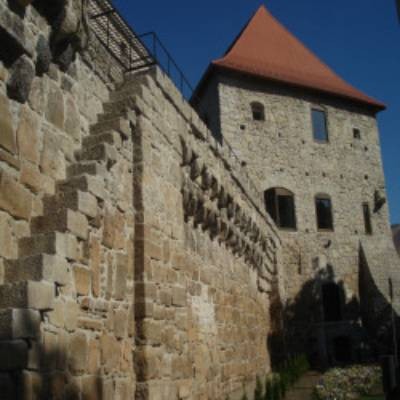
Apahida, Cluj County
Cluj Citadel
Pentru a construi cetatea romanii au folosit ca si hotare ale cetatii in primul rand Canalul Morilor si Paraul Tiganilor, care trece prin Gradina Botanica si...
1.0 km

0.7 km

Apahida, Cluj County
Turda Gorge Nature Reserve
Situate de-a lungul Vaii Hasdate; reprezinta una dintre cele mai cunoscute atractii turistice din Romania -privelistea, peretii inalti de stanca, vegetatia si...
23.7 km

38.2 km
Valeni, Cluj County
Fortified Church of Văleni
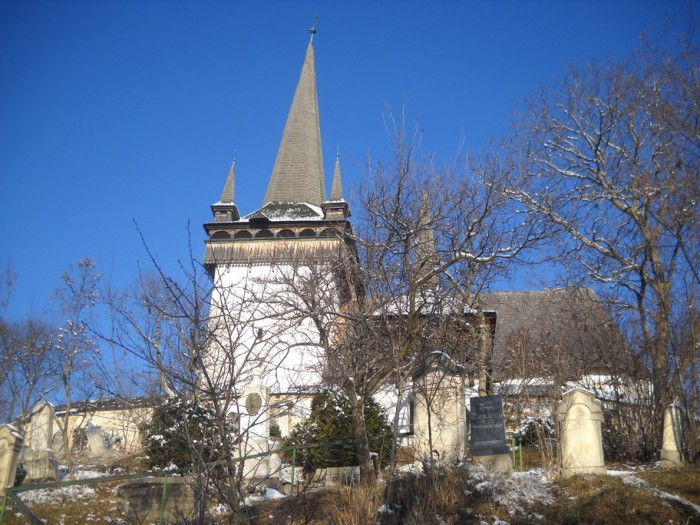
Situata in satul Valeni, judetul Cluj; a fost ridicata in secolul al XIII-lea de calugarii franciscani; este una dintre cele mai frumoase biserici din judetul...
42.0 km
Cultural life and traditions
Events in the Transylvania Ethnographic Museum area
Medieval festivals, traditional fairs, concerts and local activities recommended in Transylvania.

Heritage and History

Apahida, County of Cluj
The Festival of Medieval Fortresses and the Open Doors Days
Guided night tours, traditional crafts workshops and historical re-enactments featuring knights and ladies.
WHEN
May 15-17, 2026


Traditions and Cuisine
Apahida, County of Cluj
The Fair of Saxon Traditions and Local Cuisine
Discover local producers, traditional Saxon pastries baked in a wood-fired oven, artisanal syrups, and rhubarb jam.
WHEN
Every weekend (May - October)

Ecotourism and Nature
The hills of Transylvania, County of Cluj
Guided Hikes on the Transylvanian Hills Trail
Take excursions along unmarked trails through ancient meadows, centuries-old oak trees, and villages with fortified churches that are UNESCO World Heritage sites.
WHEN
Friday – Sunday (Season 2026)
On foot, exploration gains depth
Discover the surroundings and local geography
Explore the trails, terrain, and natural landmarks around Transylvania Ethnographic Museum.

Guides and practical tips
Useful travel articles
Travel guides, practical recommendations and tourist itineraries for Transylvania.

Tourist guide
Top 5 Atracții Turistice și Trasee Montane în Zona Moieciu - Bran
Descoperă cele mai spectaculoase peisaje carstice, chei adânci și cetăți medievale din imediata apropiere a stațiunii Moieciu.

Tourist guide
Ghid de Drumeție: Traseul Moieciu de Sus spre Platoul Bucegi
Un itinerariu montan de o frumusețe rară ce urcă din Valea Băngăleasa spre Poiana Guțanu și crestele maiestuoase ale Bucegilor.

Tourist guide
Castelul Bran: Istorie, Legende și Secrete Medievale
Află adevărata poveste a fortăreței medievale din Pasul Bran, reședința de suflet a Reginei Maria a României.
THE JOURNEY STARTS WITH AN IDEA
The next story is on the way.
From the first stop to the last stay, make room for a new Romania.
