


MONUMENT · DOBRUJA
Venus Resort

Constanta, Constanța County
Add location to your trip planner.
Practical access information

VISITING HOURS
Monday: 12:00 PM – 5:00 PM · Tuesday–Sunday: 9:00 AM – 5:00 PM (in summer until 8:00 PM)

TICKET PRICE
Adults: 45 RON · Students: 11 RON · Seniors: 23 RON · Guided tour included

RECOMMENDED VISIT DURATION
2-3.5 hours
Visitor information and guide
 Navigate with Google Maps

ABOUT VENUS RESORT
Captivating Introduction and Cultural Significance
Venus Resort unfolds like a quiet promise on the map of Romania’s Black Sea coastline, where the gentle waves of the Black Sea stretch southward between Cap Aurora and the town of Saturn. Located just three kilometers from Mangalia, at the southernmost tip of Dobrogea, this destination bears a name that evokes both classical mythology and an aspiration toward beauty, named after the Roman goddess of love, grace, and fertility. Yet beyond this romantic etymology, Venus represents a unique phenomenon in Romania’s tourism landscape: a resort conceived during the socialist era in 1972, which managed to transcend the political context of its origins to become a sanctuary of understated elegance and naturist therapy. It is a true palimpsest where historical layers overlap in a fascinating manner.
The cultural significance of this place lies in its remarkable ability to blend architectural modernity with the ancient therapeutic resources of the region, creating a microcosm where time seems to stretch. Unlike its neighboring resorts, crowded and noisy, Venus maintains an intimate, almost monastic atmosphere, offering visitors a deeply relaxing experience, far from the urban hustle. This vocation for tranquility and refinement places it in direct dialogue with the tradition of Europe’s great spa resorts, from those on the French Riviera to the Italian Adriatic coast or Austria’s Salzkammergut. It has become a benchmark for sustainable luxury tourism on the Black Sea coast and an example of post-war European spa heritage.
Historical Roots and Major European Connections
From Callatis to Pontic Modernity: The Ancient Foundations of the Site
The history of the territory now occupied by Venus Resort is deeply rooted in the Greco-Roman antiquity of Dobrogea, a region that for centuries served as a bridge between the Mediterranean world and the northern Pontic steppes. Nearby, the ruins of the ancient city of Callatis, founded by Greek colonists from Heraclea Pontica in the 6th century BCE, attest to the presence of a prosperous civilization engaged in intensive trade with the Aegean world and Egypt. When Dobrogea became a Roman province as part of Moesia Inferior, the territory came under the direct influence of the Roman Empire, and the cult of Venus, goddess of fertility, beauty, and harmony, took deep root in the spiritual and cultural consciousness of its inhabitants. The choice of this name for the modern resort was not coincidental but represents a conscious and subtle reconnection with the Latin and Roman heritage of the territory, recalling the times when Tomis and Callatis were thriving urban centers of the classical world, linked by trade routes to Rome and Byzantium.
A Mirror of Europe’s Spa Tradition: Venus in the Context of Continental Resorts
The development of the resort in 1972 was part of a broad project to modernize Romania’s coastline, conceived during the socialist era of tourism expansion, when authorities aimed to transform Dobrogea into a European-class seaside destination capable of competing with Western resorts. This period coincided with the golden age of mass tourism on the continent, when resorts on the Black Sea coast became affordable alternatives to those in the West while retaining a distinctive spa character. The architecture of the era, with medium-height hotels and modernist lines, reflects the influences of Western architectural trends of the 1970s, adapted to the Pontic context and inspired by models such as those in Mamaia or the resorts of the Côte d'Azur and the Italian Riviera.
The therapeutic resources of the resort—hypothermal sulfurous mineral springs that emerge directly on the beach—place Venus in continuity with the tradition of Europe’s great spa centers, such as Vichy in France, Baden-Baden in Germany, Karlovy Vary in the Czech Republic, or Aix-les-Bains in Savoy. These waters, captured as natural showers, have been recognized for their curative properties since antiquity by Roman physicians and perpetuated through the Byzantine and Ottoman centuries. They are indicated for the treatment of rheumatic, dermatological, and endocrine conditions. Thus, Venus becomes part of a transnational network of spa culture, where mineral water and therapeutic mud represent a shared European heritage, inherited from the time when the Romans built baths at Tomis and Histria, and the Byzantines and Ottomans harnessed the region’s natural resources for public health.
The Saturnine Constellation: An Urban Project in Dialogue with the World
Venus Resort is part of the constellation of resorts developed during the socialist era—a coherent urban system that includes Saturn, Jupiter, Neptune, Olimp, and other resorts in the southern part of the coastline. This project reflects both the influence of Soviet models of mass tourism planning and the aspiration toward Western standards of comfort and aesthetics. It was conceived as a local counterpart to the planned resorts of the French Riviera or the Dalmatian coast during the same period. Its strategic location between Cap Aurora and Saturn integrates it into an ecological and urban system designed to offer a favorable microclimate, protected from northern winds by the high cliff. This urban planning, with wide tree-lined avenues, separation of accommodation and therapeutic functions, and integration of the natural landscape into architectural design, recalls the principles of European modernist urbanism applied to vacation resorts of the 1960s and 1970s.
Architectural, Artistic, and Constructive Details
The Modernist Architecture of the 1970s
The architecture of Venus Resort represents a masterpiece of Romanian functionalist modernism from the socialist era, adapted to Mediterranean sensibilities and the Pontic context. The buildings are characterized by elegant horizontal lines, generous terraces with concrete awnings, large glass surfaces that allow a constant visual communion with the seascape, and the use of local materials such as Dobrogean stone and exposed concrete. Hotels like Carmen, Dana, Palace, and Mezotermale stand out for their refined aesthetic, with moderate heights that do not disrupt the natural landscape but harmoniously integrate into the dunes and limestone cliffs. The facades, often decorated with colorful ceramic elements or mosaics, reflect the influences of the European Brutalist movement and the Scandinavian design of the time, while the interiors retain a warm, welcoming atmosphere with furniture upholstered in natural materials and discreet ambient lighting.
The resort’s urban planning was designed to create an enclave of tranquility, physically and visually separated from the urban bustle of Mangalia by a green belt of ornamental trees. Wide, tree-lined streets with maritime pines and Mediterranean shrubs lead to the beach in a promenade reminiscent of the famous avenues of resorts like Biarritz, San Sebastián, or Rapallo. In addition to the modern hotels, the villas and guesthouses scattered throughout the area maintain an intimate residential character, offering a discreet alternative for those seeking to avoid mass tourism. Meanwhile, organized campgrounds demonstrate the democratization of access to nature in a European spirit of vacations for all social categories and ages.
Therapeutic Infrastructure: The Architecture of Healing
The therapeutic heart of the resort is represented by the facilities for capturing the hypothermal sulfurous mineral springs, true monuments of sanitary engineering and medical architecture from the socialist era. These springs, which emerge directly on the beach from the geological layers of the Dobrogean subsoil, have been developed as natural vertical showers and open therapeutic pools, creating a unique architectural landscape where nature and human construction merge organically. In the southern part of the resort, specially designed spa complexes for therapeutic mud baths and sulfurous waters represent elite medical centers, equipped with specific treatment facilities, hydrotherapy cabins, and rooms for modern physiotherapy procedures.
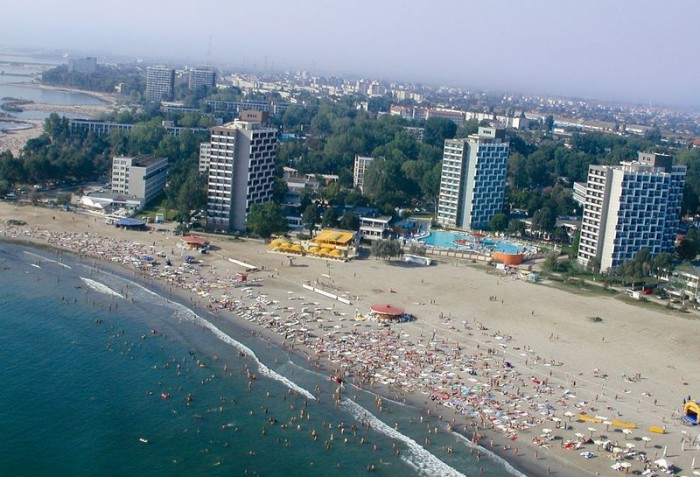
The beach, stretching 1.2 kilometers with a generous width of 200 meters, is covered in fine, light-colored quartz sand, ideal for heliotherapy and thalassotherapy. This vast and relatively unspoiled expanse allows for the creation of distinct zones for different types of treatments: controlled sunbathing areas, zones for warm mud wraps, areas for water-based kinesiotherapy exercises, and zones for therapeutic swimming in the calm, shallow waters of the sea. The specialized medical infrastructure, including balneology consultation offices, therapeutic massage rooms, and electrotherapy equipment, completes this therapeutic ensemble, offering visitors a comprehensive treatment protocol similar to those found in historic resorts like Vichy, Baden-Baden, or Karlovy Vary.
The Cultural Landscape: Between Cliff and Sea
The geographical positioning of the resort between Cap Aurora and Saturn places it in a landscape of rare and complex beauty, where the high cliff, covered with typical Mediterranean vegetation, provides natural protection against cold northern winds, creating an exceptionally mild microclimate throughout the summer season. This geological and geomorphological configuration is reminiscent of the sheltered coasts of southern France, Provence, or Italy’s Liguria, where the terrain plays an essential role in creating luxury climatic resorts. The specific vegetation of the area, with maritime pines, drought-resistant Mediterranean shrubs, jasmine, and sand flowers like sea lilies, contributes to the atmosphere of a natural sanctuary. Meanwhile, the sunsets seen from the cliff, with the sky colored in shades of orange and violet over dark waters, offer chromatic spectacles that have inspired generations of Romanian and foreign artists, poets, and painters.
Stories, Personalities, and Turning Points
Mythology and Romance: The Goddess Venus on Romania’s Coastline
The name of the resort, borrowed from the Roman goddess of beauty and love, suggests a romantic and sensory vocation that has been preserved over the decades in an almost magical way. Over time, Venus has witnessed memorable love stories, with couples coming here to celebrate their honeymoons or anniversaries in an atmosphere of absolute discretion and perfect intimacy. Local legend, passed down through generations among the people of Mangalia, tells of a Byzantine or Ottoman princess who visited these places in the 12th or 13th century in search of peace and health, finding solace in the sulfurous waters for her physical ailments. Since then, the place has been considered blessed by the goddess of love. This mythological aura, combined with the undeniable therapeutic reality of the springs, has created a reputation as a place of transformation and regeneration, both physical and spiritual, attracting seekers of health and beauty from across Europe.
The Golden Era and Transitions: From Socialist Tourism to Contemporary Times
The year 1972 marks a fundamental turning point in the history of the resort, when Venus officially entered the circuit of spa resorts as part of an ambitious and visionary project to develop mass socialist tourism. The 1970s and 1980s represent the golden era of the resort, when tourists from across Eastern Europe, as well as selected visitors from the West—diplomats, scientists, artists—came to benefit from the spa treatments in an exceptional natural setting and an atmosphere of refined socialist elegance. The architects and engineers of the time, trained at prestigious schools in Bucharest, Warsaw, or Prague, created a model resort that combined strict functionality with modernist aesthetics. Balneologists from the Institute of Balneology and Physiotherapy in Bucharest developed internationally recognized therapeutic protocols based on rigorous scientific research.
After 1989, the resort went through a difficult period of economic transition, facing the challenges of the market economy and the need to modernize its infrastructure. However, beginning in the 2000s, Venus experienced a spectacular renaissance, being redeveloped and repositioned as a luxury destination for European and international tourists. The hotels were renovated in a contemporary style while preserving their original modernist character, the therapeutic infrastructure was modernized with state-of-the-art equipment, and the resort regained its prestige as a sanctuary of tranquility, now attracting a select clientele interested in wellness, medical tourism, and high-quality sustainable tourism.
Personalities and Memorable Moments
Over its more than five decades of existence, Venus Resort has hosted notable figures from Romania’s and Europe’s cultural, medical, and political spheres. Renowned balneologists, trained at prestigious medical schools in Paris, Vienna, or Prague, contributed to the development and refinement of therapeutic protocols applied here, publishing studies in international journals. Visual artists and writers found in the resort’s discreet and inspiring atmosphere a source of creativity for their works. The open-air cinema, once a symbol of socialist vacation culture, remains a meeting place for lovers of European cinema and open-air concerts. Each summer, thousands of tourists discover or rediscover the miraculous benefits of the sulfurous waters and therapeutic mud, continuing the tradition of a resort that has continually reinvented itself while preserving its soul and authenticity in an ever-changing world.
Practical Visitor’s Guide and Travel Recommendations
How to Get There and When to Visit
Access to Venus Resort is via the European route E87, the main road connecting Constanța to the border with Bulgaria. The resort is located approximately 3 kilometers south of Mangalia and near the border crossing, making it ideal for tourists wishing to explore the entire southern Dobrogea coastline. This strategic position offers easy access to both the Romanian resorts to the north, such as Neptun or Jupiter, and the Bulgarian resorts to the south, such as Balchik, Albena, or Golden Sands.
The optimal period for visiting extends from May to September, when mild temperatures and heliomarine resources reach their peak. The specific microclimate, protected by the high cliff and southern exposure, ensures pleasant weather even during the peak summer months, with temperatures more moderate than in the northern resorts. Visitors benefit from specialized medical infrastructure for balneotherapy, with medical offices equipped with modern physiotherapy, hydrotherapy, and mineral water treatment facilities, supervised by qualified medical staff.
The Therapeutic Experience: A European Wellness Protocol
Venus Resort offers a complete and sophisticated therapeutic protocol inspired by the centuries-old European tradition of mineral baths and physical medicine. Treatment with hypothermal sulfurous waters, captured directly on the beach as natural showers or brought into indoor pools, is indicated for a wide range of conditions: degenerative rheumatic diseases such as cervical, dorsal, and lumbar spondylosis, osteoarthritis, post-traumatic and post-operative conditions, secondary anemia, physical and psychological asthenia, bone decalcification, rickets, chronic dermatological conditions like psoriasis or eczema, endocrine and metabolic disorders, as well as various gynecological diseases. These procedures, combined with thalassotherapy—therapy with seawater—and heliotherapy on the wide, sandy beach, provide a holistic treatment based on the primordial elements of nature, similar to those practiced in historic resorts like Vichy, Karlovy Vary, or Bad Gastein.
In the southern part of the resort, specially designed facilities allow treatments with sapropelic therapeutic mud, rich in minerals and organic substances, and sulfurous baths in equipped pools, where mineral water is brought to optimal temperatures for therapy. Visitors can benefit from specialized medical consultations at the beginning of their stay, personalized physiotherapy and kinesiotherapy programs, therapeutic massages, and relaxation procedures, all within a framework that meets European standards of quality in medical and wellness tourism.
Between Aurora and Saturn: Itineraries and Cultural Discoveries
The resort’s position between Cap Aurora and Saturn allows for the exploration of the entire southern Dobrogea coastal and cultural complex. To the north, Cap Aurora offers spectacular views of the open sea and opportunities for cliffside hikes, with chances to observe the coastal flora and fauna. To the south, the town of Saturn provides a more dynamic and commercial atmosphere, with shops, restaurants, and tourist facilities, while Mangalia, just three kilometers away, invites visitors to discover its millennia-old history: the ruins of the ancient city of Callatis, with its temples dedicated to Apollo and female deities, the Esmahan Sultan Mosque, one of the oldest in Romania, and the ancient port that was once a major commercial hub of the Black Sea.
For European and international tourists, the proximity to the Bulgarian border opens up the possibility of fascinating day trips to Bulgarian Black Sea resorts, such as Balchik with its famous royal palace built by Queen Marie of Romania and its unique botanical gardens, or Albena, known for its award-winning beaches and thermal mineral waters. This cross-border positioning transforms Venus into a strategic cultural and tourist hub for the entire Black Sea region, offering access to two countries and two cultures in a single vacation.
Atmosphere and Hospitality: The Art of Living Well
Venus Resort stands out for its intimate, refined, and discreet atmosphere, far from the noisy crowds typical of other coastal destinations. Modern hotels like Carmen, Dana, Palace, and Mezotermale offer superior accommodation, combining contemporary comfort with sophisticated interior design and privileged access to therapeutic resources and private beaches. In addition to these, traditional villas, family guesthouses, and organized campgrounds provide a variety of options for tourists while maintaining the exclusive and selective character of the place, where each guest feels individually cared for.
Beyond its profound therapeutic benefits, Venus offers a wide range of leisure activities that harmoniously blend tradition with modernity. Water sports are widely practiced in the calm, sheltered waters of the area, while the open-air cinema and summer gardens with shaded terraces evoke the atmosphere of old European resorts. Multifunctional sports fields, elegant nightclubs, restaurants serving international and Mediterranean cuisine, artisanal patisseries, and day and night bars complete the offering, creating a sophisticated entertainment ecosystem that respects the natural rhythm of vacation and regeneration. This unique combination of deep therapeutic relaxation and active yet discreet social life recalls the model of historic European resorts like Baden-Baden or Vichy, where the culture of baths intertwined with that of elegant promenades and intellectual conversation, offering contemporary visitors an authentic European vacation experience at the highest level of quality, on the fascinating shores of the Black Sea.
Media gallery
Discover Venus Resort in pictures

5 photos · Architecture, courtyards and captivating details


Image source: Wikimedia Commons · Public domain photos · Free license
STAY A FEW DAYS, DISCOVER THE MAGIC
Accommodation in the Venus Resort area

Holiday home · 3 stars

Venus, Constanța County · 0.1 km
Casa Acati Venus
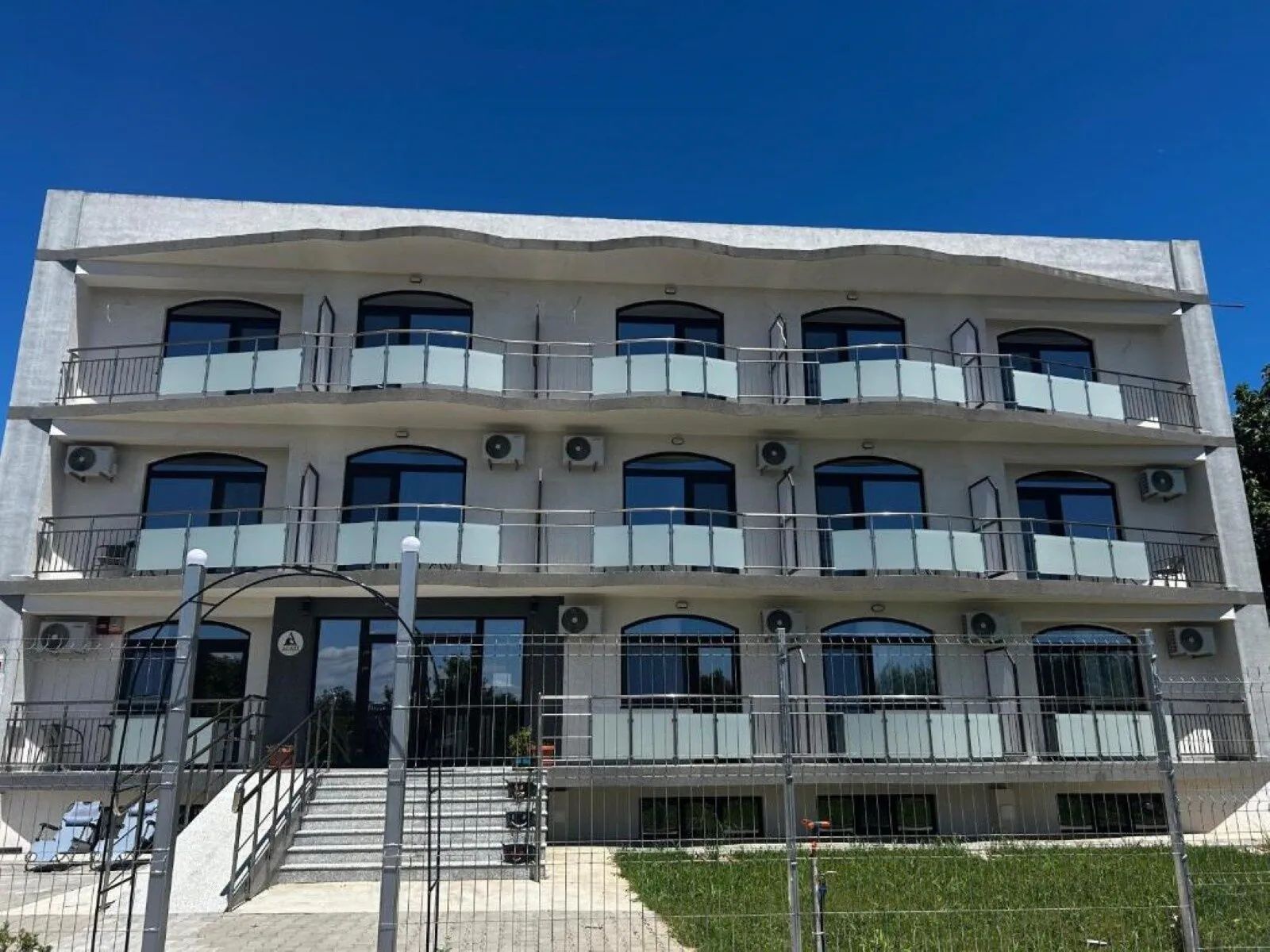
Casa Acati Venus este o casă de închiriat integrală clasificată cu 3 stele, situată în localitatea Venus din județul Constanța, pe strada Gogu Constantinescu, într-o zonă liniștită. Unitatea oferă o curte mare și o grădină amenajată, un foișor în curte și o terasă la soare, toate amenajate pentru confortul dumneavoastră și relaxare în aer liber. Beneficiați de Wi-Fi gratuit, parcare privată gratuită și parcare pentru biciclete. Pentru momentele petrecute în aer liber aveți la dispoziție un grătar sau barbeque, iar pentru cei mici un loc de joacă pentru copii la exterior și un scaun înalt pentru copii. Astfel, întreaga familie se poate bucura pe deplin de timpul petrecut în această locație. În apropiere puteți vizita stațiunea Venus, stațiunea Neptun, Neptun și Cetatea Callatis din Mangalia. Aceste obiective oferă numeroase posibilități de explorare și relaxare în timpul vacanței dumneavoastră. Vă așteptăm cu drag și vă încurajăm să porniți apoi în descoperirea Cetății Callatis din Mangalia.
FROM
280 lei per night

Hotel · 2 stars
Venus, Constanța County · 0.1 km
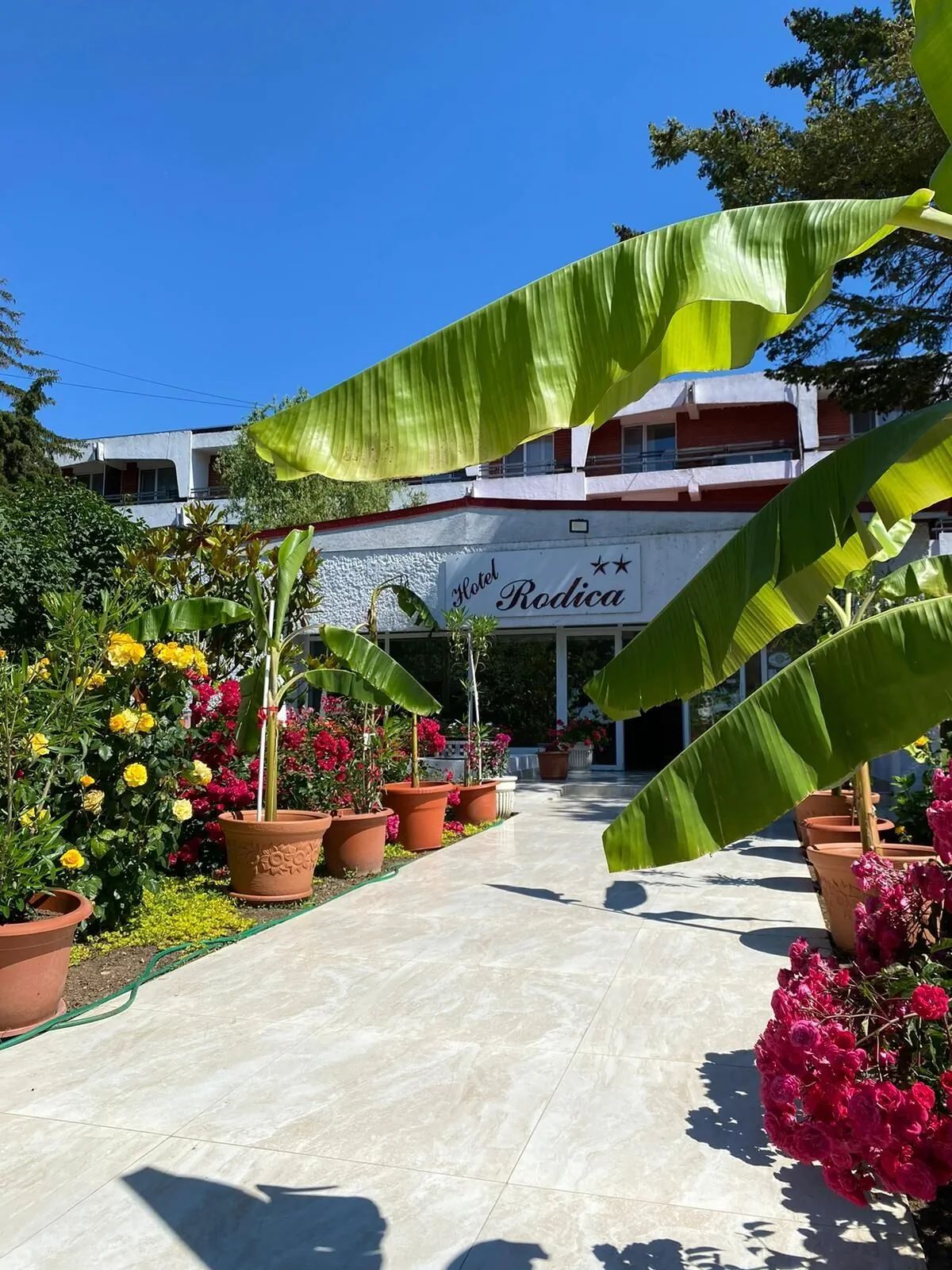
Hotel Rodica Venus
În nordul stațiunii Venus, într-o curte mare și îngrijită, se ridică Hotel Rodica Venus, o unitate de cazare la două stele care oferă o atmosferă liniștită departe de aglomerația din centru. Clădirea găzduiește camere amenajate pentru un sejur confortabil, iar terasa și barul din incintă creează un spațiu primitor pentru seri relaxante. Facilitățile includ Wi-Fi gratuit în întreaga proprietate, parcare privată gratuită și parcare pentru biciclete, alături de un seif în fiecare cameră și acces facilitat pentru persoanele cu dizabilități. În curtea mare veți găsi o grădină amenajată, un foișor și posibilitatea de a organiza un grătar sau barbeque, iar masa de biliard și barul din incintă sunt disponibile pentru momente de destindere după o zi la plajă. De asemenea, aveți la dispoziție depozit pentru bagaje pentru o ședere fără griji. Din punct de vedere al obiectivelor turistice din apropiere, puteți explora atât stațiunea Venus, cât și stațiunea Neptun, iar Cetatea Callatis din Mangalia reprezintă un punct de interes istoric pentru o excursie în zonă. Această unitate este potrivită pentru dumneavoastră dacă doriți o cazare practică și accesibilă într-un mediu liniștit, cu facilități esențiale și situată aproape de plajă și de principalele atracții turistice ale litoralului.
FROM
210 lei per night
Hotel · 4 stars
Venus, Constanța County · 0.2 km
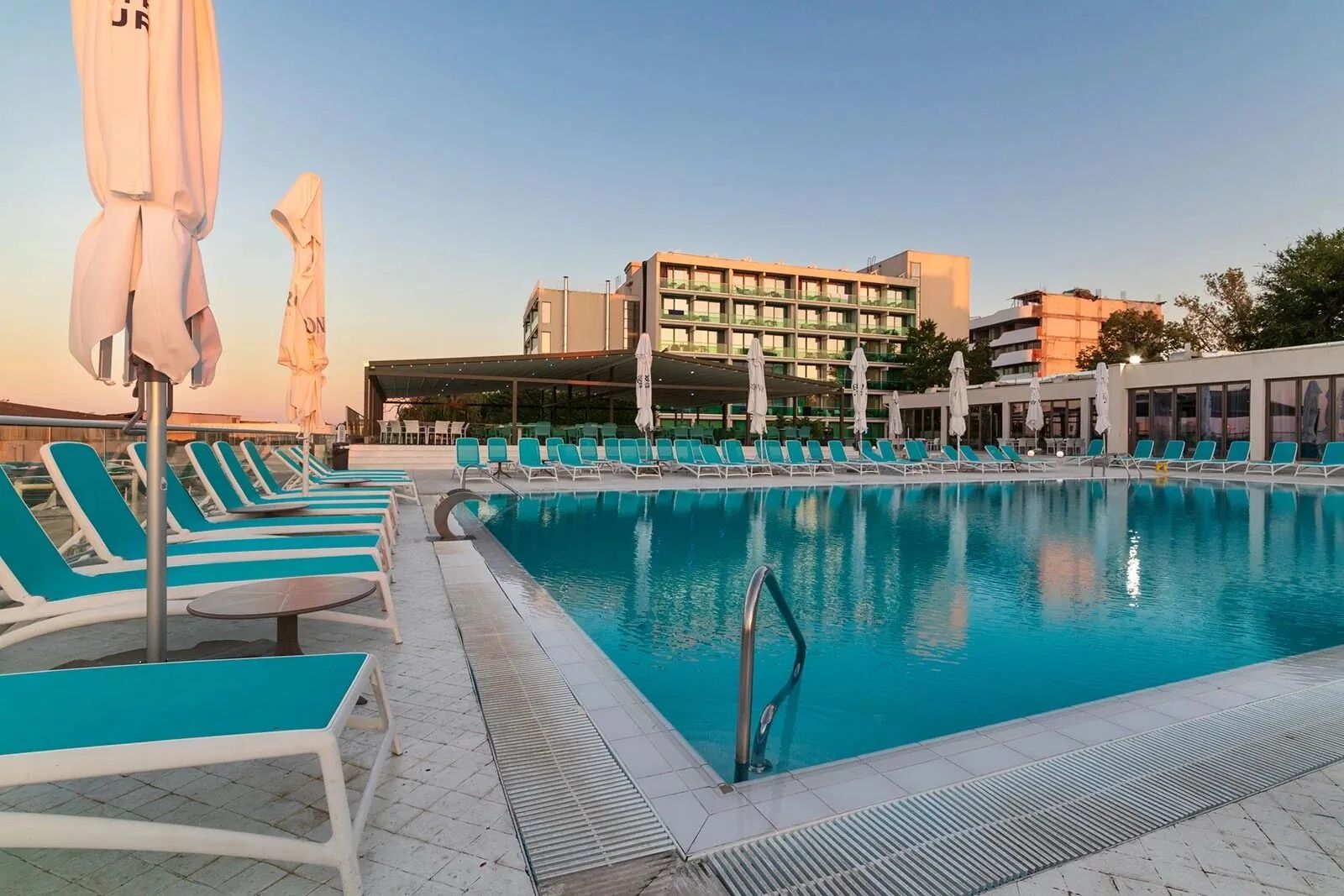
Hotel Turquoise Venus - Litoral
O zi petrecută aici poate include urcarea cu liftul spre etajele superioare ale clădirii și un moment de relaxare la barul din incintă, la Hotel Turquoise Venus din localitatea Venus, județul Constanța. Vă oferim camere moderne dotate cu aer condiționat, televizor LCD, balcon, minibar, uscător de păr, baie proprie, mochetă și tâmplărie de aluminiu, accesul realizându-se pe bază de card cu cip. De asemenea, vă punem la dispoziție un restaurant cu specific românesc și internațional, terasă generoasă, piscină exterioară, sală de conferințe cu echipamente moderne și parcare privată gratuită. Pentru momentele de relaxare, aveți la dispoziție plaja proprie cu acces gratuit la șezlonguri și umbrele, un loc de joacă pentru copii amenajat direct pe nisip și o grădină îngrijită. În imediata vecinătate se găsesc izvoare minerale sulfuroase hipotermale captate sub formă de dușuri, iar în partea de sud a stațiunii există zone special amenajate pentru tratamente cu nămol și apă sulfuroasă. În apropiere puteți vizita Stațiunea Venus, Cetatea Callatis din Mangalia, precum și stațiunile Neptun și Saturn. Seara puteți lua cina pe terasa restaurantului cu specific românesc și internațional.
FROM
420 lei per night
Hotel · 4 stars
Venus, Constanța County · 0.2 km
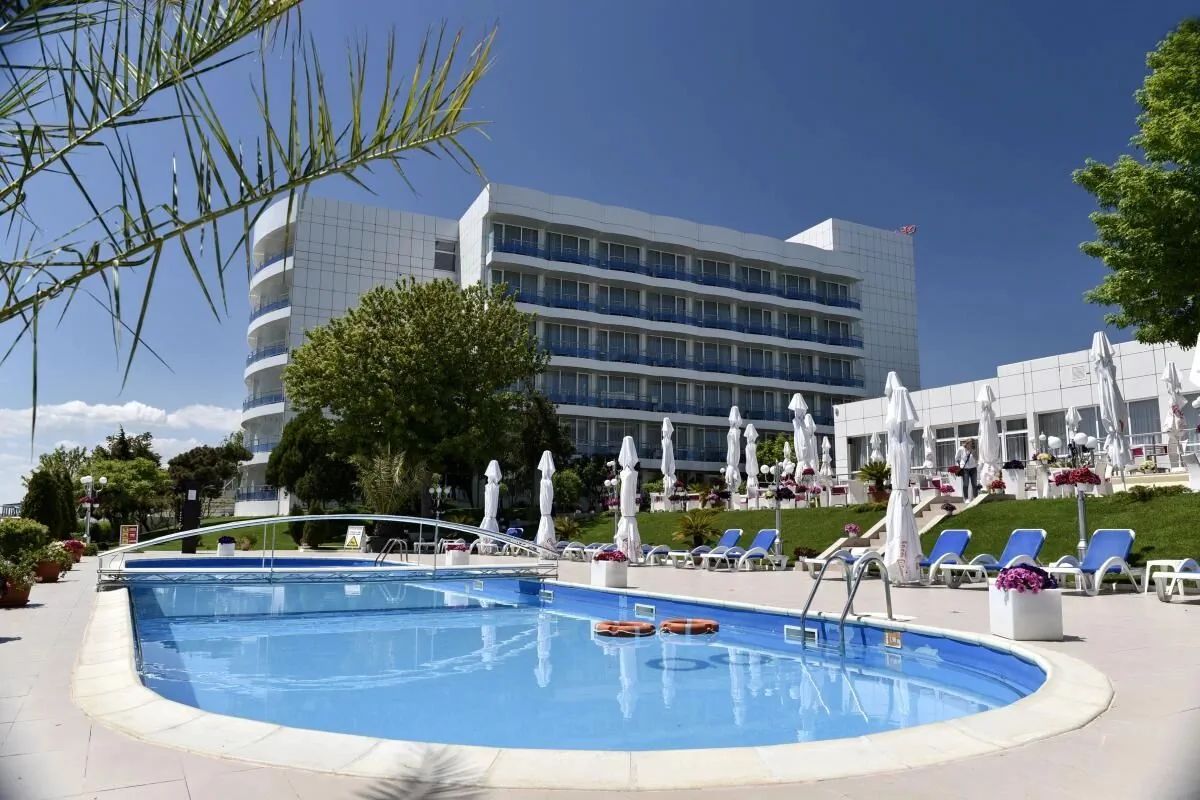
Hotel Afrodita Venus - Litoral
Pe strada Nicolae Iorga din stațiunea Venus, într-o zonă centrală a litoralului românesc, se află Hotel Afrodita Venus, o unitate de patru stele care oferă cazare confortabilă pentru turiști. Hotelul pune la dispoziția dumneavoastră 124 de spații de cazare moderne, dotate cu aer condiționat, minibar, televizor prin cablu, telefon cu acces internațional și internet wireless. Fiecare cameră este decorată în culori plăcute, creând un ambient odihnitor atât pentru o vacanță relaxantă, cât și pentru călătorii de afaceri. Pentru momente de relaxare, aveți la dispoziție o piscină exterioară amenajată cu umbrele și șezlonguri, iar barul din incintă vă invită la o băutură răcoritoare. Restaurantul hotelului servește preparate cu specific internațional și tradițional românesc, iar terasa exterioară completează experiența culinară. De asemenea, hotelul dispune de lift, iar parcarea supravegheată video este gratuită în limita disponibilității. În vecinătate puteți explora stațiunea Venus, stațiunea Neptun, Neptun, Saturn sau puteți vizita Cetatea Callatis din Mangalia. Vă așteptăm să porniți într-o excursie spre Cetatea Callatis din Mangalia pentru a descoperi istoria și atmosfera acestei zone de pe litoral.
FROM
420 lei per night
Holiday resort · 4 stars
Venus, Constanța County · 0.2 km
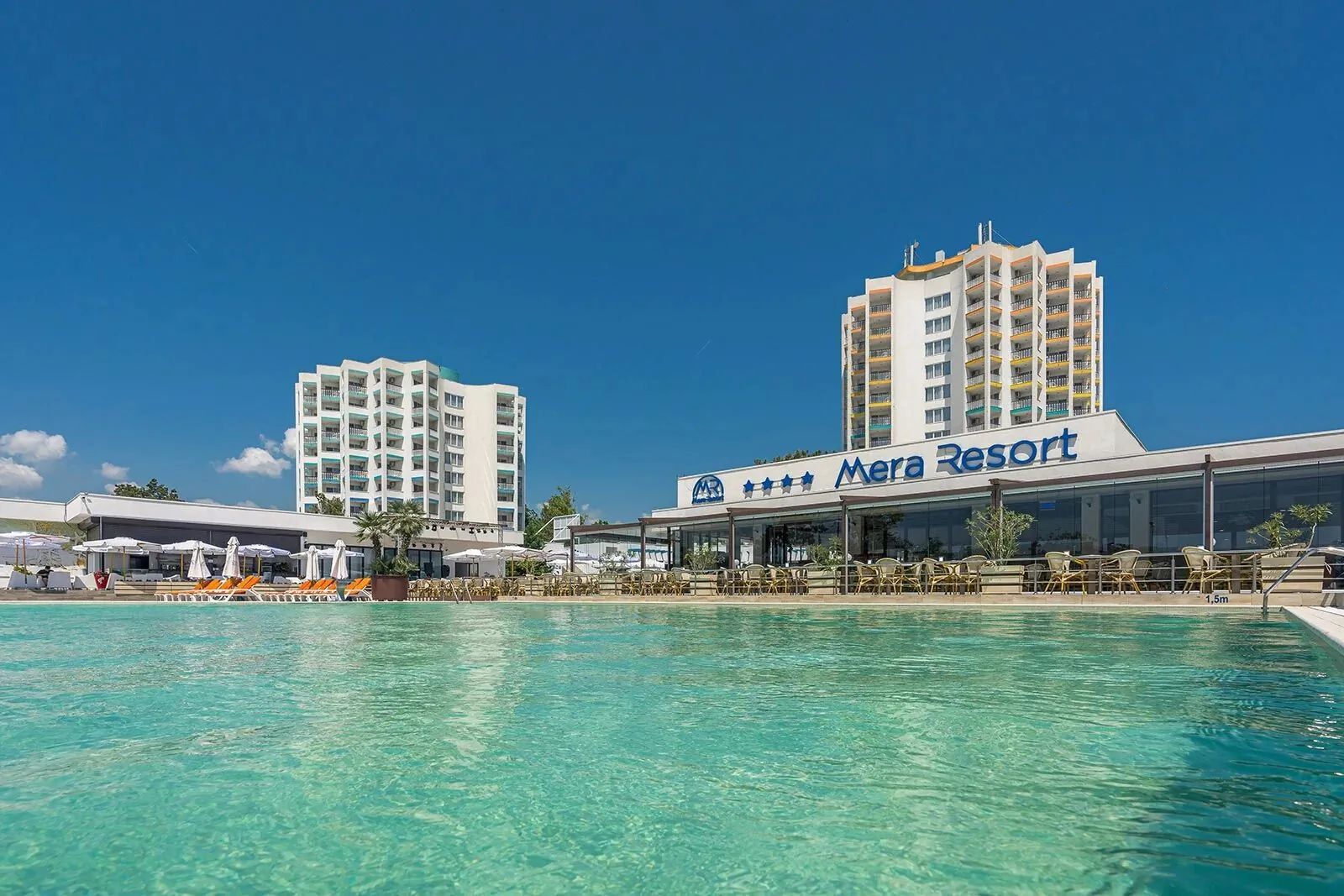
Hotel Mera Resort Venus - Litoral
Vilele cu arhitectură mediteraneană se întind pe un teren generos în centrul stațiunii Venus, oferind o experiență de cazare în intimitate și liniște. Hotel Mera Resort Venus vă așteaptă într-un cadru natural unic, situat între mare și lac. La dispoziția dumneavoastră se află lift, servicii de masaj și un bar în incintă. Complexul pune la dispoziție două piscine pentru vile cu minicascadă și jacuzzi, o piscină principală de 1000 mp cu dușuri cervicale și o piscină pentru copii de 40 cm adâncime, amenajată ca mini aqua park cu apă încălzită. Pe plaja privată aveți acces gratuit, cu șezlonguri, umbrele și bar all inclusive. Pentru cei mici există locuri de joacă interioare și un parc în aer liber cu tobogane, tiroliană și leagăne, unde se organizează zilnic activități interactive. În apropiere puteți vizita stațiunea Venus, stațiunea Neptun, Neptun și Cetatea Callatis din Mangalia. Resortul oferă patru zone de parcare gratuite, iar accesul autoturismelor în parcări este permis începând cu ora 12:00.
FROM
490 lei per night
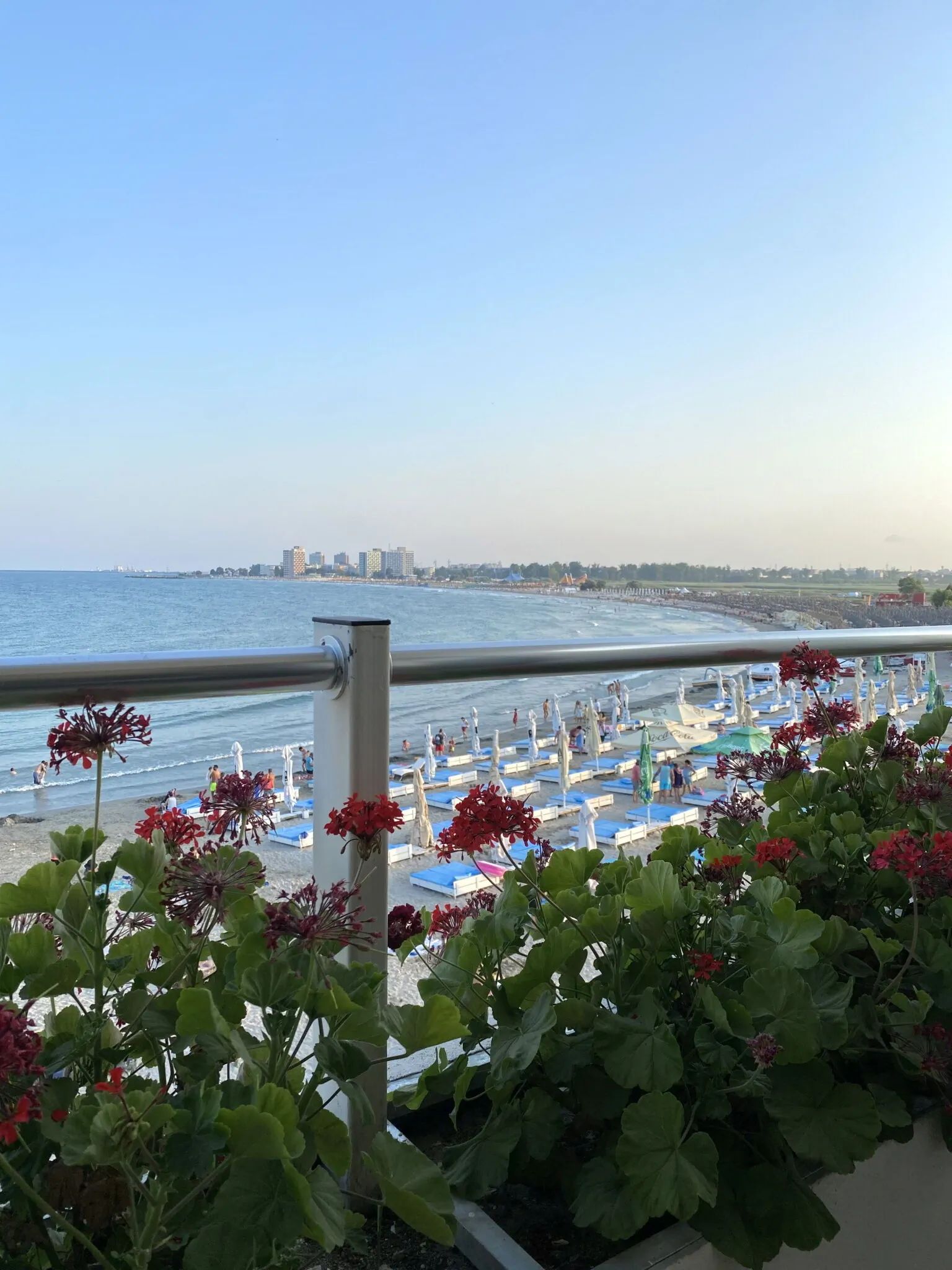
Holiday resort · 4 stars
Venus, Constanța County · 0.3 km
Palace Beach Resort Venus
Pornind de la Cetatea Callatis din Mangalia, puteți descoperi și alte stațiuni din apropiere precum Neptun sau Saturn, iar Palace Beach Resort Venus, un complex turistic de patru stele situat în stațiunea Venus, reprezintă baza dumneavoastră pentru aceste explorări pe litoral. În cadrul resortului vă așteaptă restaurant și bar în incintă, Wi-Fi gratuit în toate zonele, precum și parcare privată gratuită cu stație de încărcare pentru vehicule electrice. Pentru momente de relaxare, aveți la dispoziție saună, servicii de masaj, terasă la soare și o curte mare cu grădină amenajată unde vă puteți odihni. Pasionații de mișcare găsesc aici teren de tenis, teren de fotbal, tenis de masă și masă de biliard, alături de o sală de fitness bine echipată. Pentru familiile cu copii sunt disponibile pătuț pentru bebeluș și scaun înalt pentru copii, iar în zonă puteți practica pescuitul sau călăria. Fiecare cameră beneficiază de aer condiționat și fier de călcat, iar deposited pentru bagaje vă este pus la dispoziție. Dacă preferați să vă deplasați cu bicicleta, aveți la dispoziție și parcare pentru biciclete. Vă așteptăm să vă bucurați de sejur la Palace Beach Resort Venus.
FROM
490 lei per night
BEFORE YOU HIT THE ROAD
Weather conditions in Constanta
Local forecast for Venus Resort, Constanta, Constanța

Real-time updated weather data
Much more to explore in this area
Nearby tourist attractions


Constanta, Constanța County
Mamaia resort.
Situata la nord de municipiul Constanta, intre Marea Neagra si Lacul Siutghiol; cartier al municipiului Constanta, are foarte putini locuitori, dar este...
40.9 km
Constanta, Constanța County
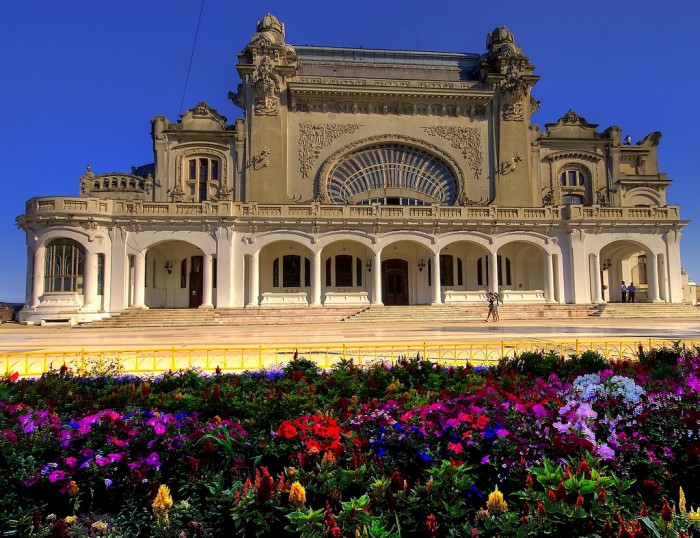
The casino in Constanta.
Situat pe bulevardul Elisabeta, nr. 2, municipiul Constanta; in trecut, in aceasi locatie era amplasata o "cazina" (1880 - 1902) - constructie din lemn unde se...
36.6 km
Constanta, Constanța County
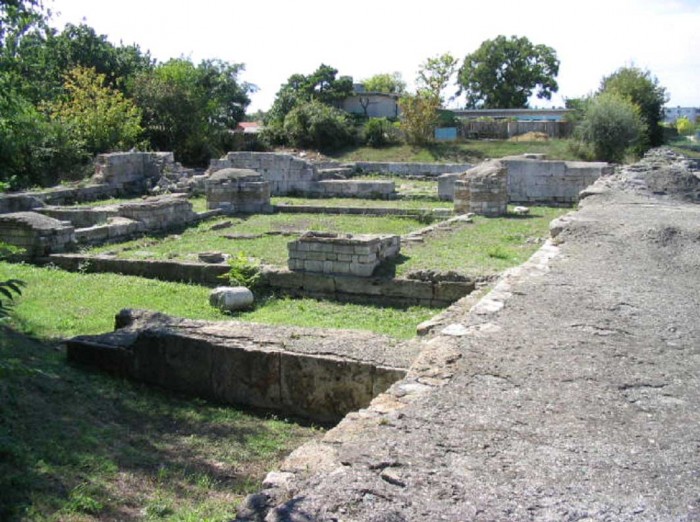
Callatis Fortress in Mangalia
Situata pe teritoriul municipiului Mangalia, intre Sanatoriul balnear, Casa de Cultura, strada Constantei, Geamie si intrarea in portul comercial; intemeiata...
4.0 km
Constanta, Constanța County
Natural Sciences Museum Complex in Constanța
Situat pe bulevardul Mamaia, nr.255, municipiul Constanta; la inceputul existentei a fost format din sectii individuale, unite sub denumirea "Complexul muzeal...
40.4 km

Constanța, Constanța County
Mamaia
Localitate componentă a municipiului Constanța, județul Constanța, România
44.6 km
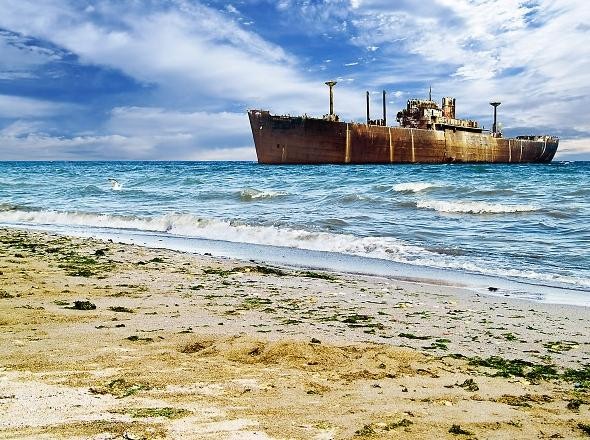
Constanta, Constanța County
Costinești Resort
Este situata in prelungirea satului Costinesti, la 31 km sud de municipiul Constanta, invecinandu-se la nord cu comuna Tuzla si la sud cu Statiunea Olimp;...
12.0 km

Mangalia, Transylvania
Neptun Resort
Localitate componentă a municipiului Mangalia, județul Constanța, România
2.4 km

Mangalia, Transylvania
Olimp Resort
Localitate componentă a municipiului Mangalia, județul Constanța, România
4.4 km

10.5 km
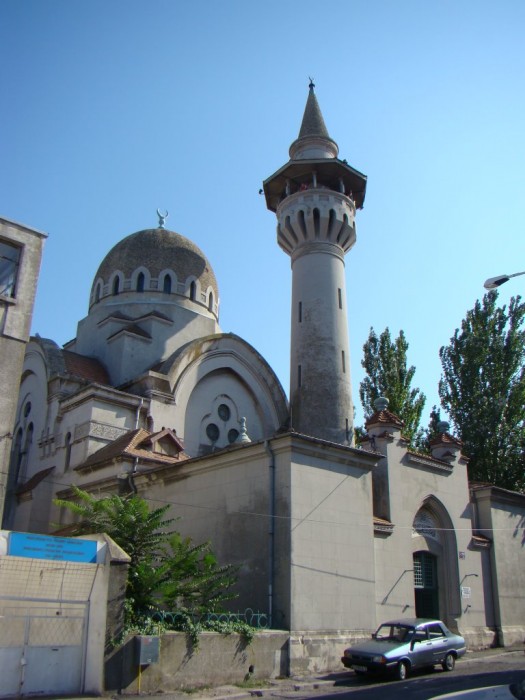
Constanta, Constanța County
Great Mosque of Constanța (Carol I Mosque)
Situata pe strada Arhieoiscopiei nr. 5 din municipiul Constanta; construita intre anii 1910 - 1912, mai poarta denumirea de "Moscheea Carol I"; planurile au...
36.8 km
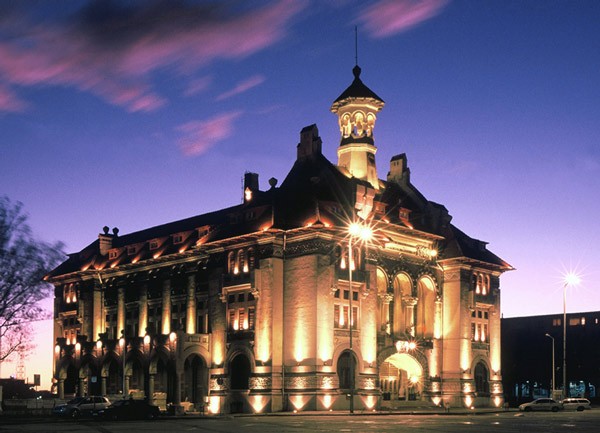
Constanta, Constanța County
National Museum of History and Archaeology in Constanța
Situat in Piata Ovidiu, nr. 12, municipiul Constanta; infiintat in anul 1878, cu ajutorul lui Remus Opreanu; la inceput a functionat in cladirea prefecturii si...
36.9 km

Eforie, Constanța County
Eforie Nord
Situata in orasul Eforie, la 14 km de municipiul Constanta; amplasata la altitudinea de 6 - 20 m peste nivelul marii; statiune cu caracter permanent, are...
24.5 km
Cultural life and traditions
Events in the Venus Resort area
Medieval festivals, traditional fairs, concerts and local activities recommended in Dobruja.

Traditions and Crafts

Constanta, County of Constanța
Days of Local Culture and Traditional Tourism
Open workshops featuring pottery, wood carving, and authentic folklore demonstrations by local artisans.
WHEN
May 15-17, 2026


Traditional Cuisine
Constanta, County of Constanța
The Fair of Traditional Products and Local Cuisine
Traditional products, aged cheeses, mountain honey and local delicacies prepared according to ancient recipes.
WHEN
Every weekend

Culture and Photography
Constanta, County of Constanța
Themed and Photographic Guided Tour of Cultural Heritage
A guided tour designed for history buffs, nature lovers, and photography enthusiasts, showcasing the most spectacular views in the area.
WHEN
Daily schedule available upon request
On foot, exploration gains depth
Discover the surroundings and local geography
Explore the trails, terrain, and natural landmarks around Venus Resort.

Guides and practical tips
Useful travel articles
Travel guides, practical recommendations and tourist itineraries for Dobruja.

Tourist guide
Top 5 Atracții Turistice și Trasee Montane în Zona Moieciu - Bran
Descoperă cele mai spectaculoase peisaje carstice, chei adânci și cetăți medievale din imediata apropiere a stațiunii Moieciu.

Tourist guide
Ghid de Drumeție: Traseul Moieciu de Sus spre Platoul Bucegi
Un itinerariu montan de o frumusețe rară ce urcă din Valea Băngăleasa spre Poiana Guțanu și crestele maiestuoase ale Bucegilor.

Tourist guide
Castelul Bran: Istorie, Legende și Secrete Medievale
Află adevărata poveste a fortăreței medievale din Pasul Bran, reședința de suflet a Reginei Maria a României.
THE JOURNEY STARTS WITH AN IDEA
The next story is on the way.
From the first stop to the last stay, make room for a new Romania.
