


PLACE OF WORSHIP · TRANSYLVANIA
St. Mary's Evangelical Church

Sibiu, Sibiu County
Add location to your trip planner.
Practical access information

VISITING HOURS
Monday: 12:00 PM – 5:00 PM · Tuesday–Sunday: 9:00 AM – 5:00 PM (in summer until 8:00 PM)

TICKET PRICE
Adults: 45 RON · Students: 11 RON · Seniors: 23 RON · Guided tour included

RECOMMENDED VISIT DURATION
2-3.5 hours
Visitor information and guide
 Navigate with Google Maps

ABOUT ST. MARY'S EVANGELICAL CHURCH
A Cathedral in the Heart of Central Europe
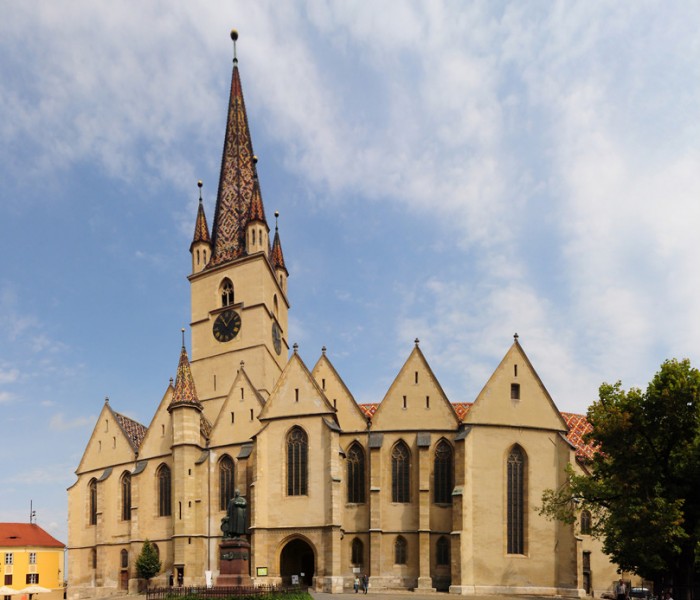
In the center of Huet Square, where Sibiu's old town reveals its deepest historical layers, stands the Evangelical Parish Church of St. Mary, a monument that transcends its mere religious function to become a true axis mundi of medieval Transylvania. Built upon the foundations of a 12th-century Romanesque basilica, this late Gothic structure represents the most impressive expression of hall-church sacred architecture in the entire Carpathian region, a faithful echo of the great Hanseatic cathedrals of northern Germany, from Lübeck to Hamburg. Surrounded by a fortified ensemble unique in Central Europe, the church presents itself today as a living bridge between the Orthodox spirituality of the East and the Protestant tradition of the West, a silent witness to the centuries when Sibiu functioned as one of the continent's most dynamic commercial hubs, strategically located on the route between the Byzantine Empire and the Christian kingdoms of Western Europe.
The cultural significance of this place of worship far exceeds national borders, being an integral part of Sibiu's Historic Centre, inscribed on the UNESCO World Heritage list. Here, vertical Gothic architecture meets the cultural specificity of the Transylvanian Saxons, a community that, arriving in the 12th-13th centuries from the Rhine and Moselle valleys, brought with them not only craftsmanship and commerce, but also an advanced European urban vision. St. Mary's Church is not merely a place of worship, but a monument of collective memory, preserving in its stone and wood the echo of the Protestant Reformation, Ottoman expansion, and Habsburg Enlightenment, offering the contemporary visitor a journey through the great historical currents that shaped Europe's destiny.
From the Romanesque Basilica to the Gothic Temple of the Saxons
The history of this place begins over eight hundred years ago, when, around 1220, on the site where today the imposing Gothic structure rises, there existed a modest Romanesque church, probably a three-aisled basilica intended for the Catholic community of the first German colonists. This first phase reflects the flourishing period of the Kingdom of Hungary, under whose protectorate Transylvania found itself, and marks the beginning of an organized Saxon presence in the Sibiu region, part of the broader process of German colonization in Eastern Europe, similar to migrations toward Poland or Bohemia. The radical transformation took place starting in 1371, when the prosperous community decided to replace the old basilica with a cathedral-scale Gothic construction, essentially completed in the first half of the 16th century.
The new church was designed according to the Hallenkirche model, the type of equal-height hall church widespread in the German-speaking world and influenced by Cistercian and Franciscan architecture, a style that emphasized light, open space, and verticality. This architectural choice places Sibiu within a vast cultural network, alongside cities such as Nuremberg, Augsburg, or the Hanseatic cities on the Baltic Sea coast, with which the Transylvanian city maintained close commercial ties through the Hanseatic League. The construction was financed by the prosperous craft guilds of Sibiu, especially by textile merchants and silversmiths, demonstrating the urban community's capacity to mobilize resources comparable to those of the great imperial cities of the Holy Roman Empire.
The Architecture of Verticality: The Tower and the Central Nave
The dominant element of Sibiu's urban landscape remains, for over five centuries, the church tower, a seven-level structure reaching the impressive height of 73.34 meters, being the tallest church tower in all of Transylvania. Although it does not rival in height the gigantic towers of the cathedrals of Ulm or Strasbourg, its slender and proportionate silhouette, visible from almost all points of the old town, constitutes an essential landmark that guided travelers and merchants for generations. The tower was built in several stages, between the 14th and 16th centuries, reflecting the evolution of construction techniques and the growing ambition of a community that wished to display its prosperity in a way that would rival the most imposing monuments in Central Europe.
The body of the church develops on the plan of a three-aisled basilica, the side aisles having almost the same height as the central nave, a characteristic specific to German late Gothic. The system of pointed arches and cross vaults, supported by massive external buttresses, creates an impressive interior space, flooded with light through the Gothic tracery windows. Around the church extends a unique fortified complex, with curtain walls and defensive towers, transforming the ensemble into a true religious fortress, an architectural concept specific to the Saxon communities of Transylvania, inspired by the experience of confrontations with Ottoman and Tatar invasions. This fusion between sacred and defensive function recalls the fortified churches of France (Languedoc) or those of the Rhineland region, illustrating the vulnerability and resilience of medieval urban communities in the face of external dangers.
The Silver Voice: The Organ and European Sacred Music
The interior of the church houses artistic treasures that illustrate Sibiu's deep musical connections with the great cultural centers of Europe. The church organ represents a fascinating chapter in Transylvanian musical history. Already in 1585, the community possessed a musical instrument brought from the Western world, witness to the first contacts with the European Renaissance musical tradition. In 1671, a Slovak master built a Baroque-style organ, replacing the old instrument and bringing to Sibiu the musical breath of Baroque Central Europe, influenced by the schools of Vienna and Prague.
The culminating moment in the instrument's evolution took place in 1915, when the renowned firm Wilhelm Sauer from Frankfurt an der Oder, one of the most prestigious organ builders in the German Empire, installed a new monumental organ. This collaboration places Sibiu in the top European musical circuit, alongside the great concert halls of Berlin, Leipzig, or Vienna, and reflects the continuity of cultural ties with the Germanic world, even in the modern period. The Sauer organ, with its Romantic registers and exceptional acoustics, transforms the church into an elite concert hall, frequently hosting sacred music concerts that attract lovers of the genre from all over Europe. The acoustics of the Gothic space, combined with the exceptional quality of the instrument, create a sonic experience that rivals those in the cathedrals of Cologne or Munich.
Alongside the organ, the church preserves a remarkable collection of gilded silver liturgical vessels, works by the famous Sibiu masters from the Renaissance and Baroque periods. These sacred metalwork pieces reflect the long tradition of the Sibiu silversmiths' guilds, which supplied liturgical objects for churches throughout Transylvania and even beyond the borders of the Principality, illustrating the city's role as a high-level artistic production center. Among these treasures stands out the bronze baptismal font from 1438, attributed to Master Leonhardus, a piece of rare technical and symbolic beauty.
The Bronze of Victory and Memory: The Baptismal Font and Metal Treasures
The 1438 font represents more than a simple object of worship; it is a monument to resistance and the transformation of defeat into sacred art. According to local tradition, consolidated by partial historical research, the bronze from which this piece was cast comes from Ottoman cannons captured by the people of Sibiu in 1437, during a devastating Ottoman invasion led against the fortress. In that period, the expansion of the Ottoman Empire seriously threatened the southern borders of the Kingdom of Hungary, and Transylvania was on the front line of Christian resistance. The transformation of weapons of war into objects of religious veneration constitutes a practice found in other parts of Europe as well, such as the Pummerin bell in St. Stephen's Cathedral in Vienna, cast from Turkish cannons captured in 1683, or various similar pieces in Hungary and Poland. This symbolic metamorphosis speaks of the capacity of communities to assimilate the trauma of war and convert it into spirituality and art.
The craft of bronze in Sibiu has deep roots, linked to the metallurgical tradition of the Saxons and access to mineral resources in the Apuseni Mountains. The piece made by Leonhardus demonstrates late Gothic influences in its decoration, with vegetal and figurative motifs reminiscent of workshops in Nuremberg or Augsburg, European centers of excellence in medieval bronze art. Alongside the font, the church's treasury includes numerous silver liturgical vessels, some dating from the 15th century, which illustrate the wealth and refinement of the Saxon community in the period of maximum commercial prosperity, when Sibiu was one of the most important cities in the Carpathian Basin.
Beyond Death: The Funerary Gallery and the History of the Elites
One of the most fascinating and unique aspects of St. Mary's Church is its funerary gallery, unique in Romania and rare in South-Eastern Europe. For three centuries, starting in 1496, the interior of the church served as a burial place for mayors, supreme counts, and other prominent personalities of Sibiu, a practice common in medieval and early modern Europe, found in cathedrals such as Westminster Abbey in London, the Cathedral of Milan, or the major churches of Krakow. This tradition reflected the privileged status of the church in the city's social hierarchy, being considered a place of eternal rest worthy of the urban elites, an honor reserved for those who contributed to the community's prosperity.
The practice ended in 1796, when Emperor Joseph II of the Holy Roman Empire, as part of his Enlightenment and sanitary reforms, prohibited burials inside churches throughout the Habsburg Empire, including in Transylvania. This measure was part of the broader effort of the Habsburg monarchy to modernize administration and improve public health conditions in the empire's cities, reflecting the influence of French Enlightenment ideas and sanitary policies promoted throughout Western Europe. However, a final exception was made in 1803, when the lifeless body of Baron Samuel von Brukenthal, Governor of Transylvania and one of the most enlightened aristocrats of the era, founder of the famous museum bearing his name, was laid to rest in the crypt arranged near the pulpit. This supreme honor bestowed upon a central figure of Transylvanian Enlightenment places Sibiu in the broader context of cultured Europe, alongside other great personalities of the era, such as the collectors and patrons of Renaissance Florence or the princely courts of Germany.
The culminating moment of the funerary transformation took place in 1853, when, in the full Victorian era and in a spirit of heritage conservation specific to 19th-century Europe, the funerary stones covering the graves in the nave were dismantled and embedded in the walls of the side gallery. Thus a gallery of 67 funerary slabs was created, a true lapidarium of the Saxon aristocracy, unique in Romania. This ingenious architectural solution, reminiscent of similar practices in European monumental cemeteries or in the funerary galleries of Protestant churches in Germany, preserves the memory of the city's elites in a continuous dialogue between stone and history. The visitor can read here heraldic coats of arms, epitaphs in German and Latin, and follow the evolution of sculptural styles from late Gothic to Baroque and Neoclassicism, offering a miniature lesson in European social history.
Reformation and Spiritual Continuity
St. Mary's Evangelical Church also represents an essential witness to the Protestant Reformation in Transylvania. In the second half of the 16th century, the Saxon community of Sibiu embraced the teachings of Martin Luther, transforming the church from a Catholic place of worship into a Lutheran center. This transition, which took place in the broader context of the Reformation in Central Europe, influenced by cities such as Wittenberg, Zurich, or Geneva, profoundly marked the spiritual identity of the community. The interior transformations included the removal of religious images and secondary altars, preserving only the essential elements of worship, an iconoclastic approach that reflected the Protestant puritanism of the time and left visible traces in the sober interior architecture and the contemplative atmosphere of the space.
This religious conversion placed Sibiu in the broader context of the confessional fragmentation of Europe, contributing to the development of a culture of religious tolerance that would later characterize Transylvania, culminating in the Edict of Turda in 1568, one of the first European legislative acts recognizing religious freedom. The church continued to be the spiritual center of the Evangelical community for centuries, surviving political transformations, including the passage of Transylvania under Habsburg domination and then under Greater Romania, maintaining to this day its role as a cultural and spiritual bond for the remaining German community, but also for all those seeking a deep understanding of European history in the heart of the Carpathians.
The Visitor's Guide: Between Heaven and Earth
Visiting St. Mary's Evangelical Church offers a multisensory experience that combines spirituality, history, and urban panorama. Access to the church is free during the day, allowing admiration of the Gothic interior, stained glass windows, organ, and funerary gallery in an atmosphere of contemplative tranquility. For those eager for adventure and unforgettable views, climbing the tower represents the highlight of the visit. The 285 stone steps, narrow and steep, lead the visitor through the seven levels of the tower, each offering a different perspective on the construction and the city. From the upper gallery, at 73 meters high, the panorama opens spectacularly: the red roofs of the medieval houses in the Large Square and Small Square, the outline of the Council Tower, the Făgăraș Mountains in the distance, and the entire old town embraced by the defensive walls.
Visitors are advised to attend one of the organ concerts organized periodically in the church, occasions when the exceptional acoustics of the Gothic space and the quality of the Sauer instrument reveal the true musical grandeur of this place. Also, the visiting program includes access to the parish museum, where pieces from the church's treasury are exhibited, including liturgical vessels and historical documents. In the immediate vicinity, just a few steps away, are the Brukenthal Museum, Brukenthal Palace, and the Council Tower, allowing the completion of a day dedicated to exploring Sibiu's cultural heritage, former European Capital of Culture in 2007. The atmosphere of Huet Square, with its medieval stones and the imposing silhouette of the church dominating the landscape, offers the visitor the authentic feeling of a journey through time, in a place where the history of Central and South-Eastern Europe meet and intertwine in a unique and fascinating way.
Media gallery
Discover St. Mary's Evangelical Church in pictures

2 photos · Architecture, courtyards and captivating details

Image source: Wikimedia Commons · Public domain photos · Free license
STAY A FEW DAYS, DISCOVER THE MAGIC
Accommodation in the St. Mary's Evangelical Church area

Hotel · 3 stars

Sibiu, Sibiu County · 0.0 km
Hotel Kleines Sibiu
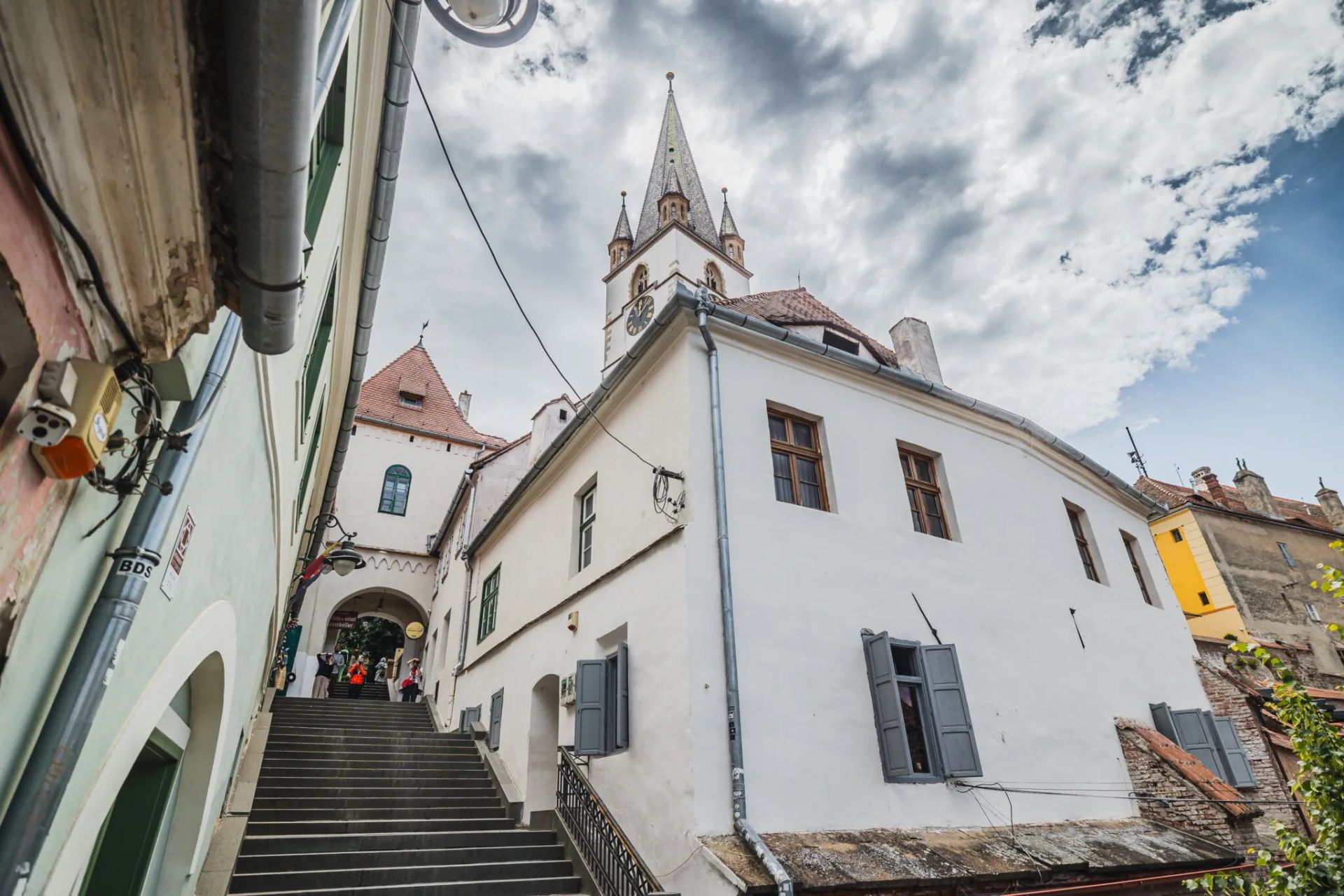
Începând cu Podul Minciunilor, aflat la doar câțiva pași distanță, Hotel Kleines Sibiu reprezintă punctul dumneavoastră de plecare pentru a explora un hotel de 3 stele situat în Sibiu, chiar în Piața Albert Huet, într-o zonă centrală pietonală. De aici porniți ușor spre Muzeul Brukenthal, Turnul Sfatului, Biserica Parohială Evanghelică Sfânta Maria din Sibiu și Muzeul Civilizației Populare Tradiționale ASTRA, obiective care îmbogățesc fiecare plimbare prin oraș. Amplasat într-o clădire istorică renovată, hotelul oferă camere cu podea și mobilier din lemn masiv, dotate cu televizor cu ecran plat, Wi-Fi gratuit, seif și depozit pentru bagaje. Familiile cu bebeluși au la dispoziție pătuț special, iar fiecare cameră include baie privată modernă cu duș. În zona înconjurătoare găsiți restaurante și magazine la doar câteva minute de mers pe jos, iar accesul la internet este disponibil gratuit în întreaga proprietate pentru confortul dumneavoastră. Vă așteptăm să vă bucurați de șederea dumneavoastră în Sibiu.
FROM
290 lei per night

Guesthouse · 3 stars
Sibiu, Sibiu County · 0.1 km
Pensiunea Casa Petra Sibiu
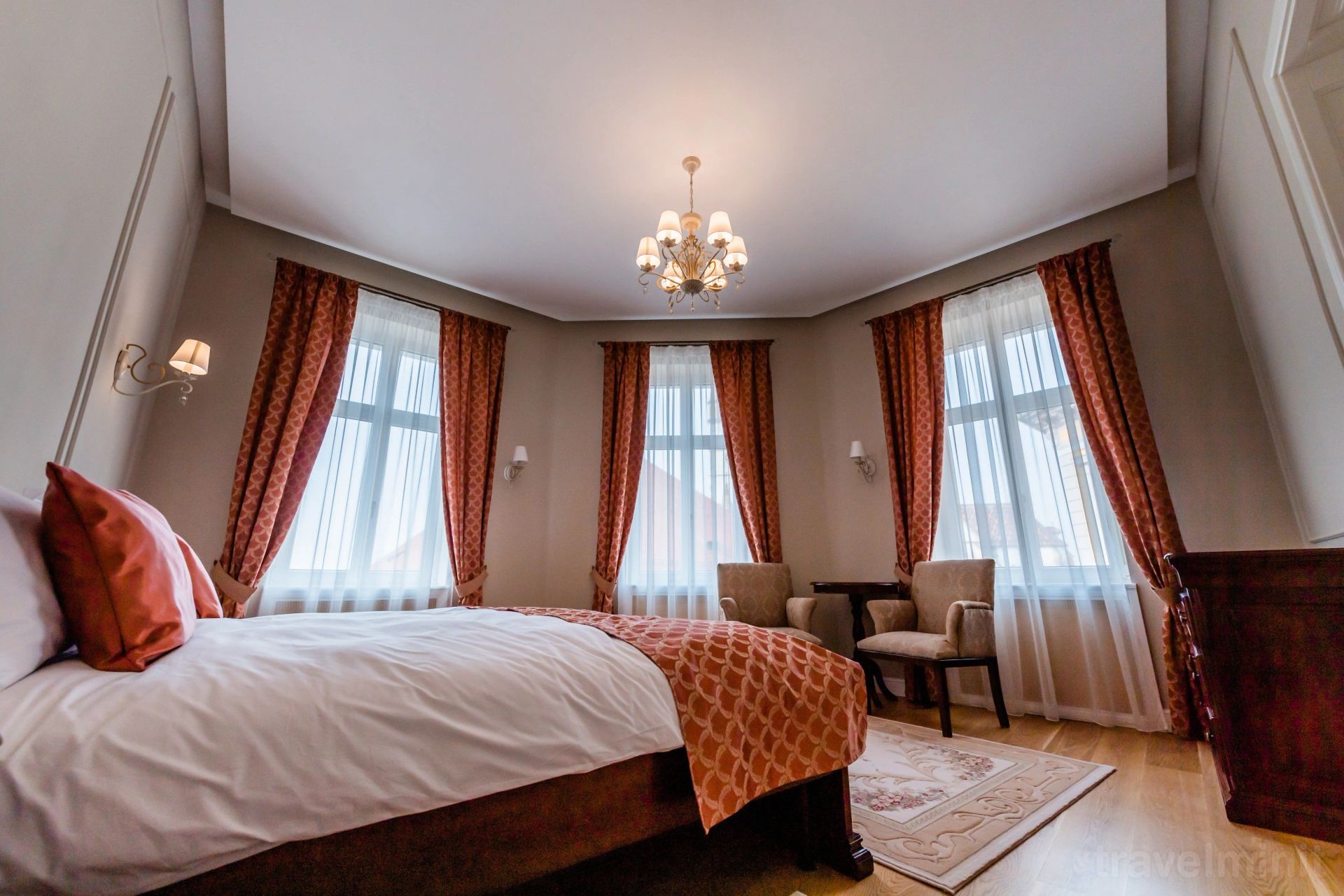
Familiile cu copii mici și călătorii cu nevoi speciale de mobilitate se vor simți bineveniți la Pensiunea Casa Petra din Sibiu. Unitatea oferă condiții adaptate pentru confortul dumneavoastră într-un cadru plăcut, situat în apropierea centrului istoric al orașului. Pensiunea pune la dispoziție Wi-Fi gratuit în întreaga locație, un pătuț pentru bebeluș, fier de călcat, ascensor și acces facilitat pentru persoanele cu dizabilități. Aceste facilități asigură un sejur relaxant și comod pentru toți oaspeții, indiferent de vârstă sau nevoi specifice. Cele opt camere sunt amenajate cu atenție la detalii și dotate cu aer condiționat și baie proprie. Fiecare cameră oferă un spațiu confortabil și liniștit pentru odihnă după o zi petrecută explorând străzile orașului, iar personalul de la recepție vorbește limba română și engleză. În apropiere puteți descoperi Muzeul Civilizației Populare Tradiționale ASTRA, Biserica Parohială Evanghelică Sfânta Maria din Sibiu, Muzeul Brukenthal, Turnul Sfatului și Podul Minciunilor, obiective care completează experiența culturală a zonei. Vă așteptăm la Pensiunea Casa Petra din Sibiu pentru un sejur plăcut.
FROM
240 lei per night
Hotel · 3 stars
Sibiu, Sibiu County · 0.1 km
Hotel Casa Luxemburg Sibiu
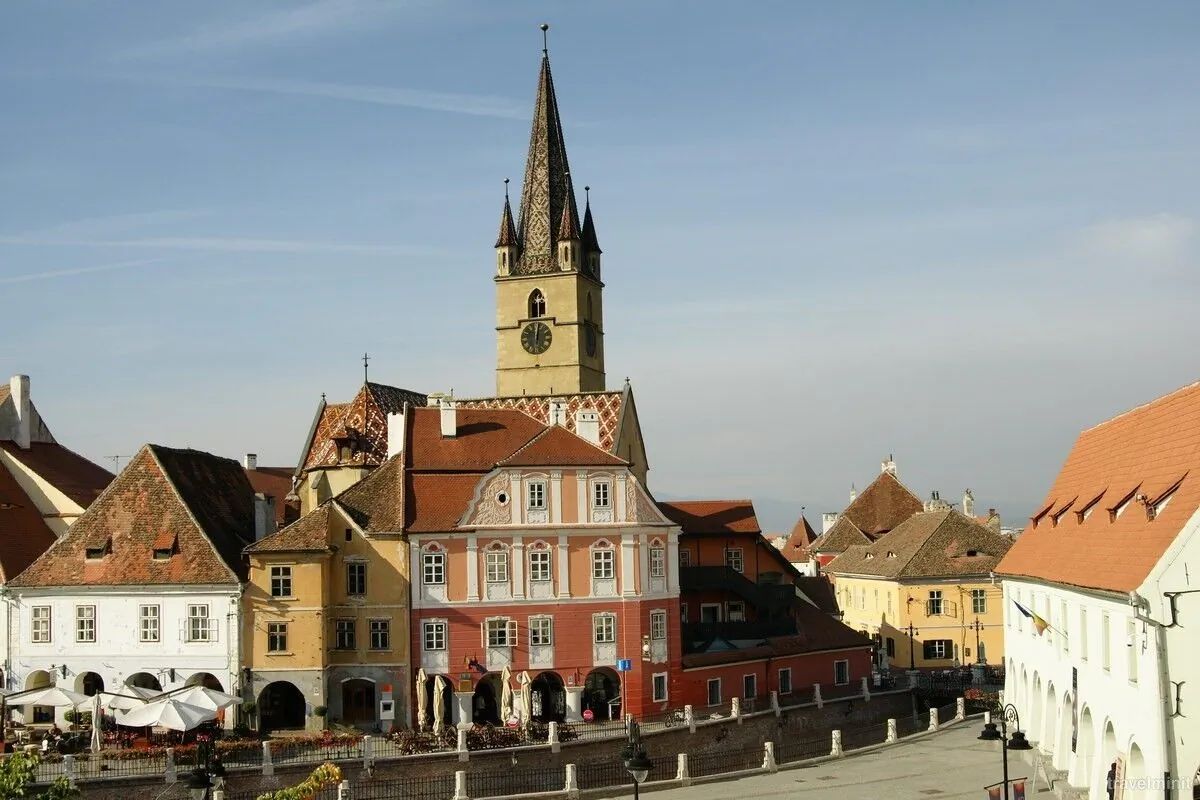
Clădirea cu elemente arhitecturale unice din secolul XIII, ridicată pe prima incintă de fortificații a orașului medieval, păstrează și astăzi atmosfera autentică a vechiului Sibiu. Hotel Casa Luxemburg Sibiu se află chiar în Piața Mică, la numărul 16, într-un cadru istoric deosebit. Fiecare cameră este decorată într-un stil propriu și oferă priveliști deosebite spre monumente emblematice ale orașului. De la fereastră puteți admira direct Podul Minciunilor, Biserica Evanghelică sau Turnul Sfatului, cele mai reprezentative repere din imediata apropiere. Pentru un sejur confortabil, hotelul vă pune la dispoziție Wi-Fi gratuit în toate spațiile și pătuț pentru bebeluș la cerere. Recepția este disponibilă permanent, 24 de ore din 24, pentru a răspunde oricărei solicitări. În vecinătate se află numeroase obiective turistice pe care le puteți explora cu ușurință pe jos: Muzeul Civilizației Populare Tradiționale ASTRA, Biserica Parohială Evanghelică Sfânta Maria din Sibiu, Muzeul Brukenthal, Turnul Sfatului și Podul Minciunilor. Vă așteptăm la Hotel Casa Luxemburg Sibiu, pe Piața Mică 16, într-o locație cu acces direct către centrul istoric al orașului.
FROM
290 lei per night
Apartment · 3 stars
Sibiu, Sibiu County · 0.1 km
Apartment Queen Bridge Sibiu
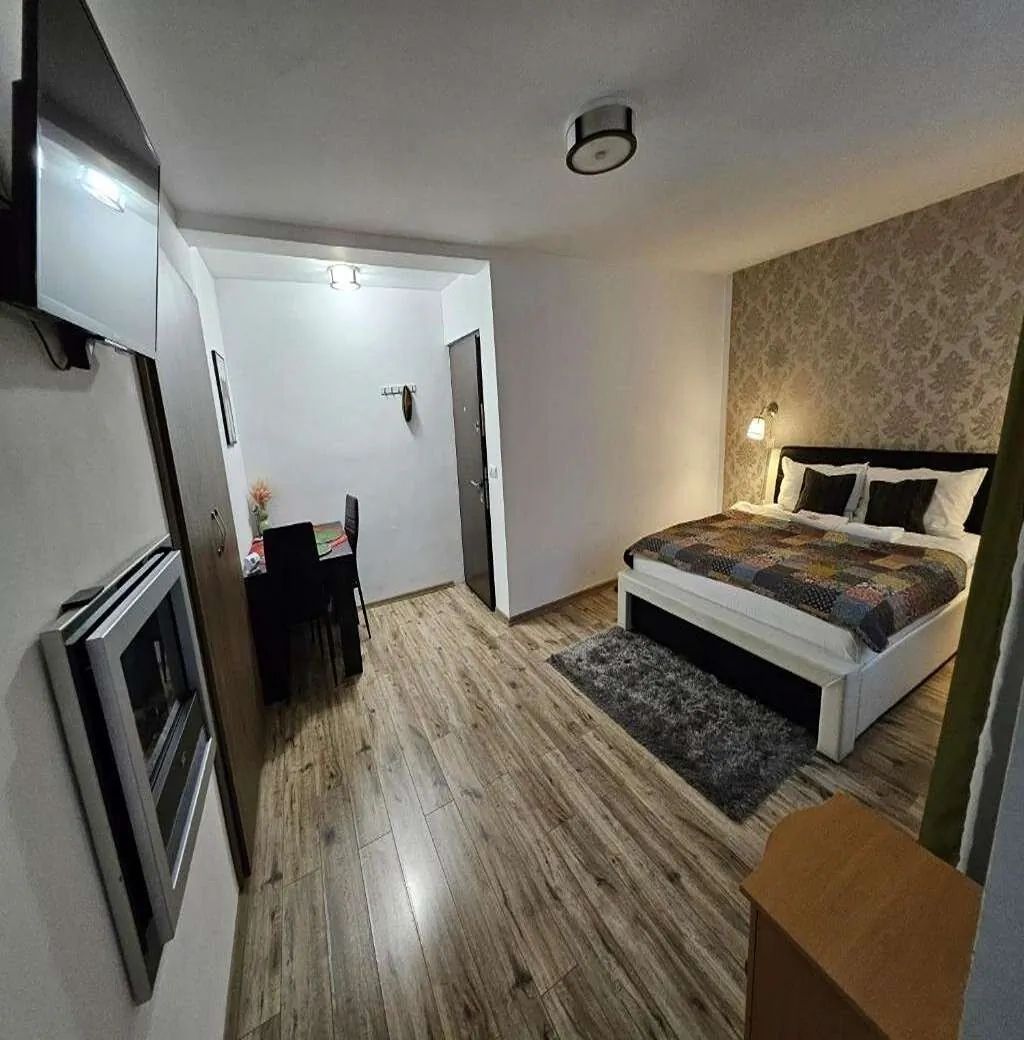
Apartment Queen Bridge din Sibiu vă pune la dispoziție un restaurant chiar în incintă, alături de Wi-Fi gratuit și fier de călcat, facilități care contribuie semnificativ la confortul dumneavoastră. Această unitate de cazare de 3 stele, situată pe strada Ocnei 1, reprezintă o opțiune potrivită pentru șederea dumneavoastră în acest oraș plin de istorie. Fiind un apartament de închiriat, aveți la dispoziție spațiu și independență pentru a vă organiza timpul după propriile preferințe. Conexiunea la internet fără cost vă permite să rămâneți informați și să comunicați cu ușurință, iar fierul de călcat asigură că hainele dumneavoastră arată impecabil în orice moment al zilei. În apropierea unității puteți vizita Muzeul Civilizației Populare Tradiționale ASTRA, Biserica Parohială Evanghelică Sfânta Maria din Sibiu, Muzeul Brukenthal, Turnul Sfatului și Podul Minciunilor. Aceste obiective turistice oferă o perspectivă variată asupra tradițiilor, artei și arhitecturii locale. Seara, restaurantul din incintă constituie un loc potrivit pentru a savura cina după o zi petrecută explorând atracțiile orașului.
FROM
230 lei per night
Apartment · 3 stars
Sibiu, Sibiu County · 0.1 km
Zur Krone Sibiu
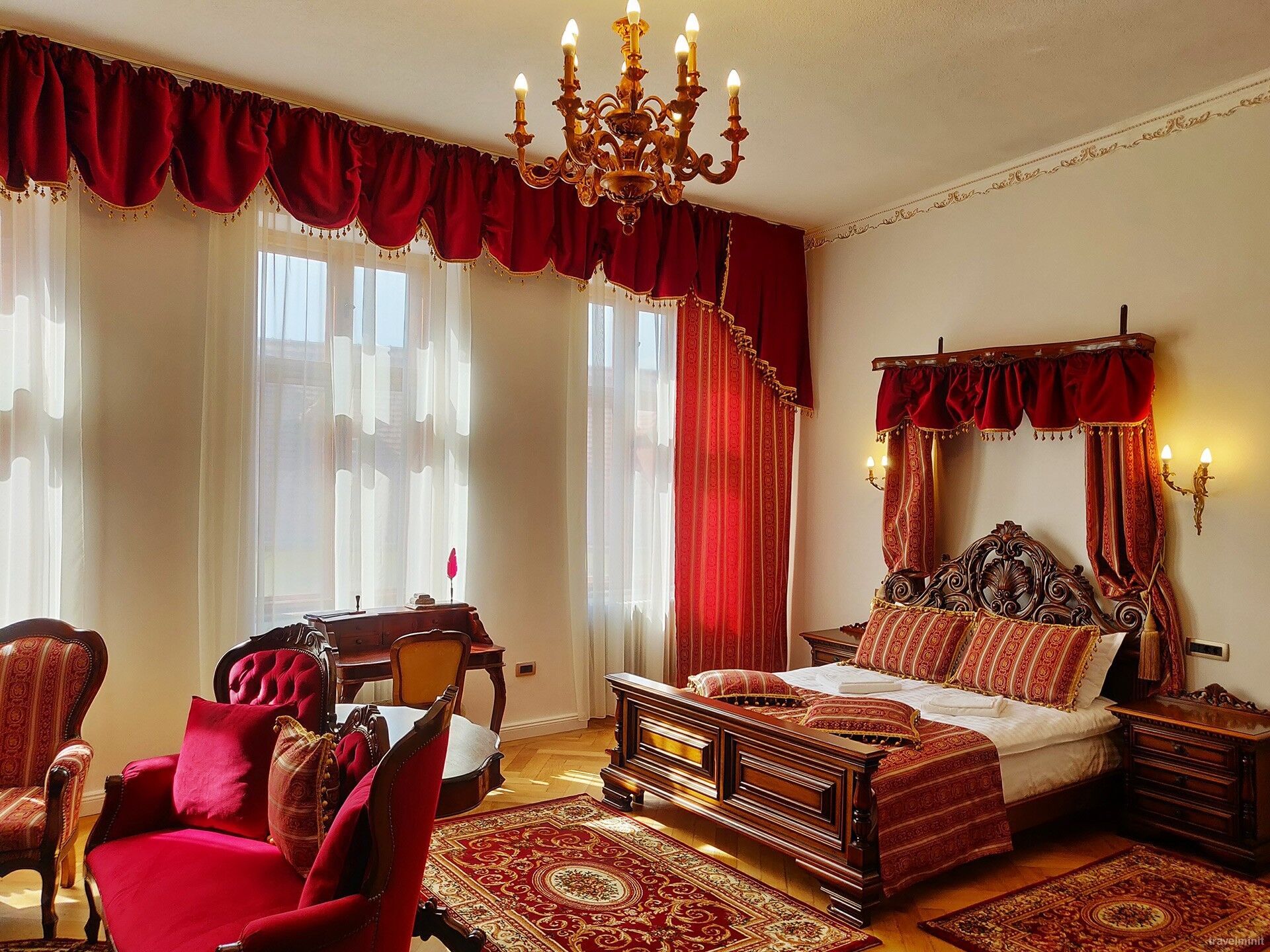
La Zur Krone Sibiu, un apartament de închiriat cu 3 stele situat în localitatea Sibiu, vă puteți bucura de o cafenea chiar în incintă, un detaliu aparte pentru oaspeții care doresc să servească o cafea fără să părăsească proprietatea. Unitatea se află pe strada Ocnei 4. Camerele sunt dotate cu aer condiționat și oferă acces Wi-Fi gratuit, astfel încât șederea dumneavoastră să fie confortabilă în orice sezon. În exterior, o curte mare și o grădină amenajată oferă un spațiu plăcut pentru relaxare în aer liber, iar în interior aveți la dispoziție un fier de călcat și un depozit pentru bagaje. Din această locație puteți explora cu ușurință cele mai importante obiective turistice din zonă. Puteți vizita Muzeul Civilizației Populare Tradiționale ASTRA, Biserica Parohială Evanghelică Sfânta Maria din Sibiu, Muzeul Brukenthal, Turnul Sfatului și Podul Minciunilor. Fiecare cameră este decorată în stil imperial, creând o atmosferă elegantă care amintește de vremurile de odinioară și evocă istoria orașului, oferind o experiență de cazare autentică și captivantă în Sibiu. Vă așteptăm pe strada Ocnei 4, 550188 Sibiu, România.
FROM
230 lei per night
Apartment · 4 stars
Sibiu, Sibiu County · 0.1 km
Casa Poetului Sibiu
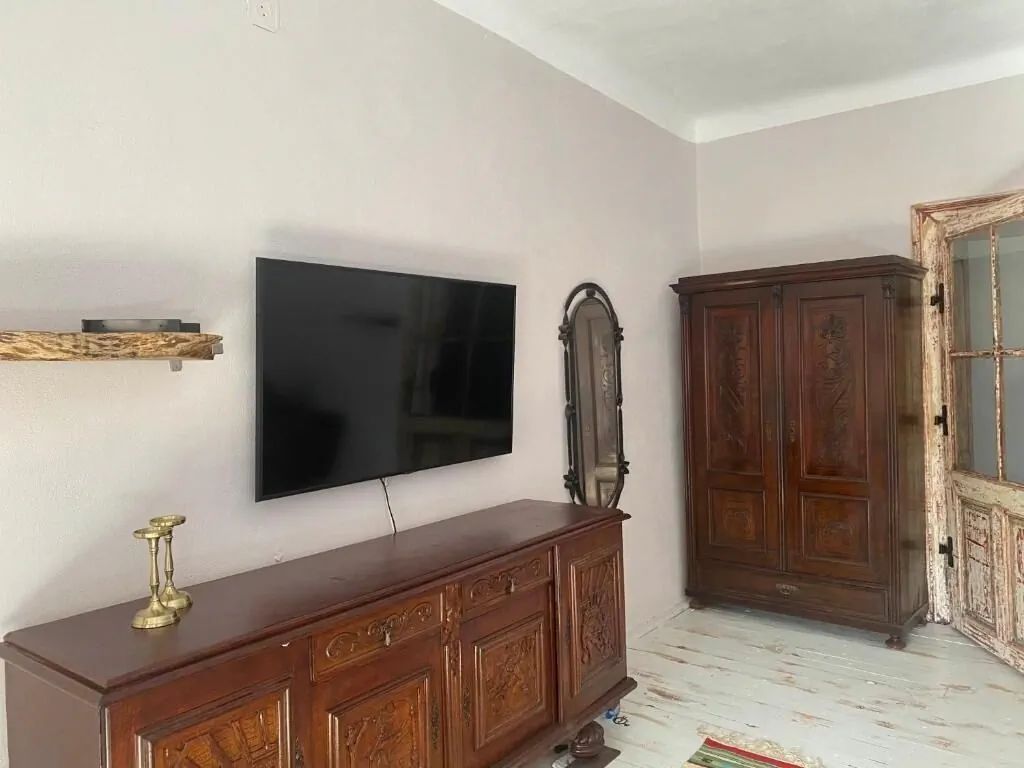
Comfort, relaxation and stunning views, all just steps away from the main attractions.
FROM
320 lei per night
BEFORE YOU HIT THE ROAD
Weather conditions in Sibiu
Local forecast for St. Mary's Evangelical Church, Sibiu, Sibiu

Real-time updated weather data
Much more to explore in this area
Nearby tourist attractions

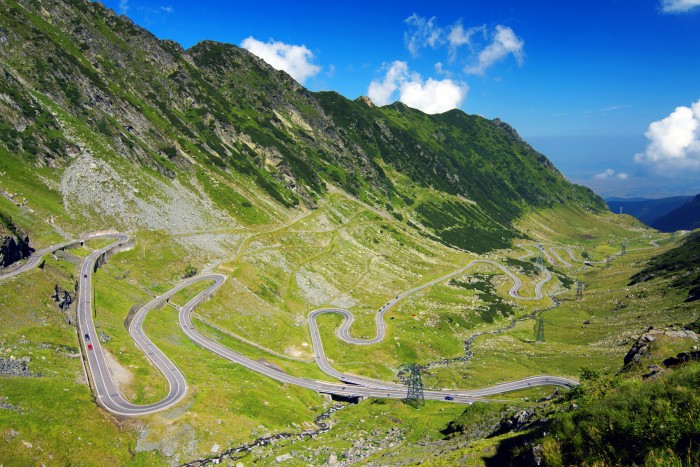

Cârțișoara, Sibiu County
Transfăgărășan Highway and Bâlea Lake
Incepe in comuna Bascov din judetul Arges de langa orasul Pitesti, in directia orasului Curtea de Arges si se termina la intersectia cu drumul DN1 intre Sibiu...
33.8 km
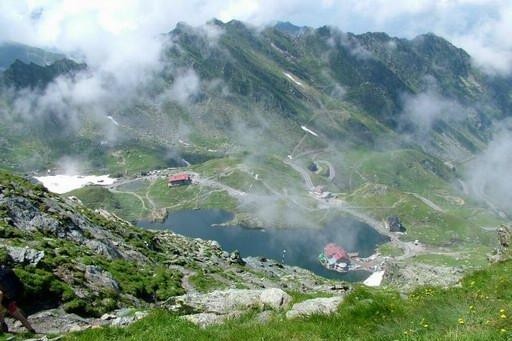
Sibiu, Sibiu County
Bâlea Lake
Situat in Muntii Fagaras, la Obarsia Cartisoarei, care se afla la o altitudine de 2.034 metri, langa soseaua Transfagarasan din judetul Sibiu; in perioada...
42.2 km

40.7 km
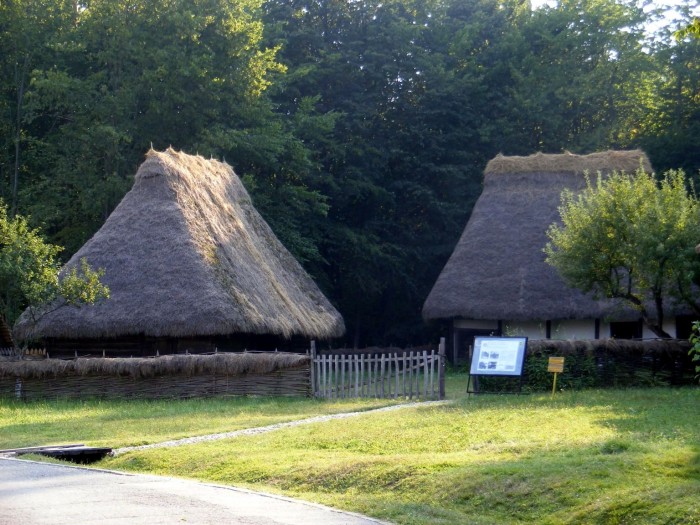
Sibiu, Sibiu County
ASTRA Museum of Traditional Folk Civilization
Situat pe Calea Rasinari din localitatea Sibiu; este un muzeu in aer liber; a fost organizat cu incepere din anul 1963, sub denumirea de Muzeul Tehnicii...
5.4 km
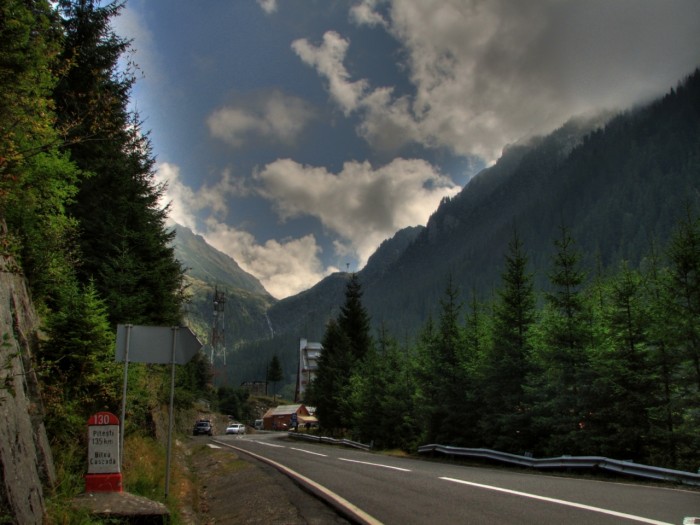
Sibiu, Sibiu County
Bâlea Lake Resort
Situata in aria comunei Cartisoara din masivul Fagaras; se intinde pana la altitudinea de 2.500 m; include relieful alpin, lacul, flora si fauna din circul...
33.9 km

47.2 km

Sibiu, Sibiu County
Brukenthal National Museum
Situat in Piata Mare nr.4-5; colectiile baronului von Brukenthal au luat nastere in principal intre anii 1759-1774, perioada pe care acesta a petrecut-o la...
0.1 km
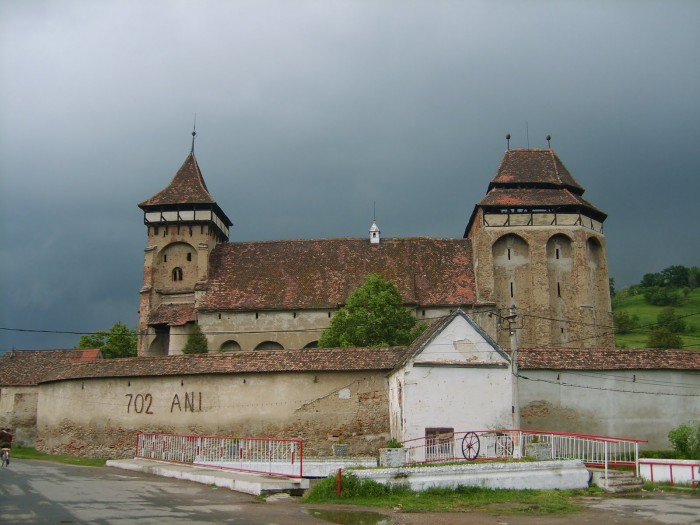
Sibiu, Sibiu County
Valea Viilor Fortified Church
Situata in localitatea Valea Viilor; a fost construita in secolul al XII-lea, urmand sa fie fortificata in secolul al XV-lea si al XVI-lea; inconjurata de o...
33.4 km

37.8 km
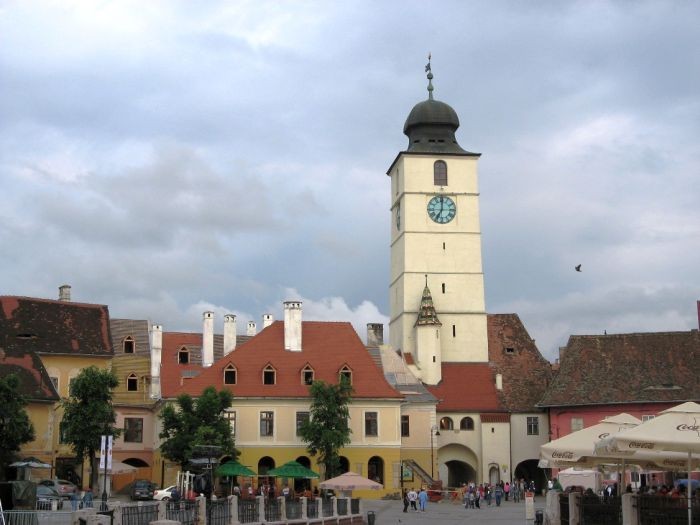
Sibiu, Sibiu County
The Council Tower
Situat in Piata Mica nr.1, localitatea Sibiu; construit deodata cu cea de-a doua incinta fortificata, intre anii 1224 si 1241; este considerat simbol al...
0.2 km
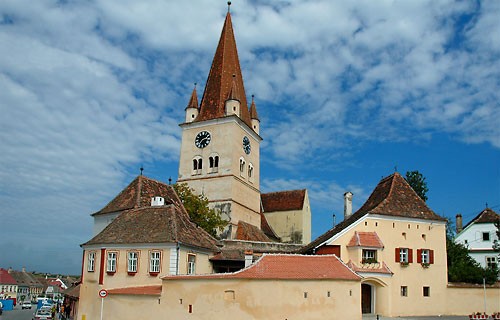
Sibiu, Sibiu County
The Fortified Evangelical Church of Cisnădie.
Situata pe strada Cetatii nr.1-3, localitatea Cisnadie; construita in secolul al XIII-lea; fortificata dupa atacul turcesc din 1493: turnul central a fost...
9.4 km
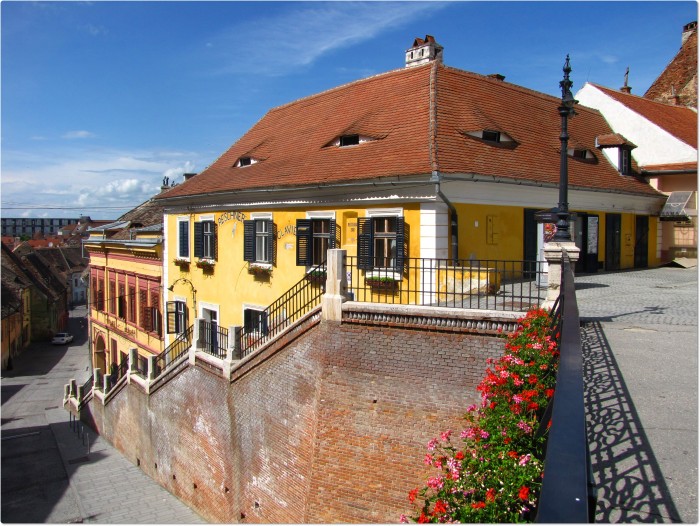
Sibiu, Sibiu County
The Bridge of Lies
Face legatura dintre Piata Mica si Piata Huet din Sibiu; a fost turnat in Laubach si montat in Sibiu in anul 1859; este primul pod din fonta din Romania;...
0.1 km
Cultural life and traditions
Events in the St. Mary's Evangelical Church area
Medieval festivals, traditional fairs, concerts and local activities recommended in Transylvania.

Heritage and History

Sibiu, County of Sibiu
The Festival of Medieval Fortresses and the Open Doors Days
Guided night tours, traditional crafts workshops and historical re-enactments featuring knights and ladies.
WHEN
May 15-17, 2026


Traditions and Cuisine
Sibiu, County of Sibiu
The Fair of Saxon Traditions and Local Cuisine
Discover local producers, traditional Saxon pastries baked in a wood-fired oven, artisanal syrups, and rhubarb jam.
WHEN
Every weekend (May - October)

Ecotourism and Nature
The hills of Transylvania, County of Sibiu
Guided Hikes on the Transylvanian Hills Trail
Take excursions along unmarked trails through ancient meadows, centuries-old oak trees, and villages with fortified churches that are UNESCO World Heritage sites.
WHEN
Friday – Sunday (Season 2026)
On foot, exploration gains depth
Discover the surroundings and local geography
Explore the trails, terrain, and natural landmarks around St. Mary's Evangelical Church.

Guides and practical tips
Useful travel articles
Travel guides, practical recommendations and tourist itineraries for Transylvania.

Tourist guide
Top 5 Atracții Turistice și Trasee Montane în Zona Moieciu - Bran
Descoperă cele mai spectaculoase peisaje carstice, chei adânci și cetăți medievale din imediata apropiere a stațiunii Moieciu.

Tourist guide
Ghid de Drumeție: Traseul Moieciu de Sus spre Platoul Bucegi
Un itinerariu montan de o frumusețe rară ce urcă din Valea Băngăleasa spre Poiana Guțanu și crestele maiestuoase ale Bucegilor.

Tourist guide
Castelul Bran: Istorie, Legende și Secrete Medievale
Află adevărata poveste a fortăreței medievale din Pasul Bran, reședința de suflet a Reginei Maria a României.
THE JOURNEY STARTS WITH AN IDEA
The next story is on the way.
From the first stop to the last stay, make room for a new Romania.
